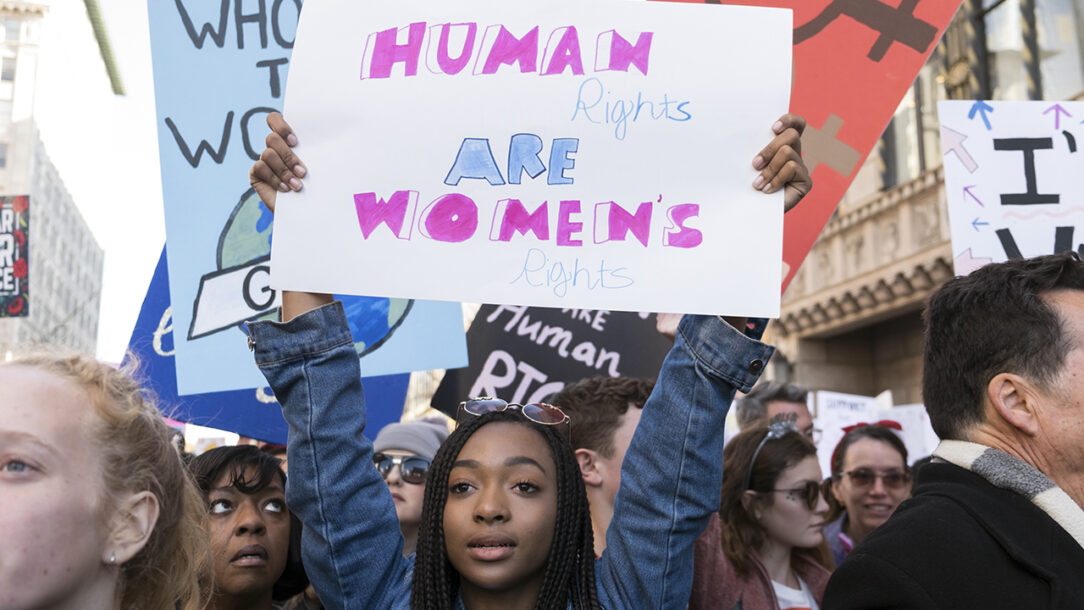
Has the sisterhood become a sorority, more concerned with membership dues than dismantling the patriarchy? This is the question that gnaws at the edges of modern feminist discourse, a specter haunting our victories and whispering doubts into our triumphs. The American feminist movement, a hydra-headed beast spanning centuries and encompassing myriad ideologies, stands at a precarious crossroads. We’ve scaled Everest, only to realize the summit is a plateau riddled with fissures of inequality and undermined by the insidious creep of co-option.
A Historical Tapestry: Weaving the Threads of Rebellion
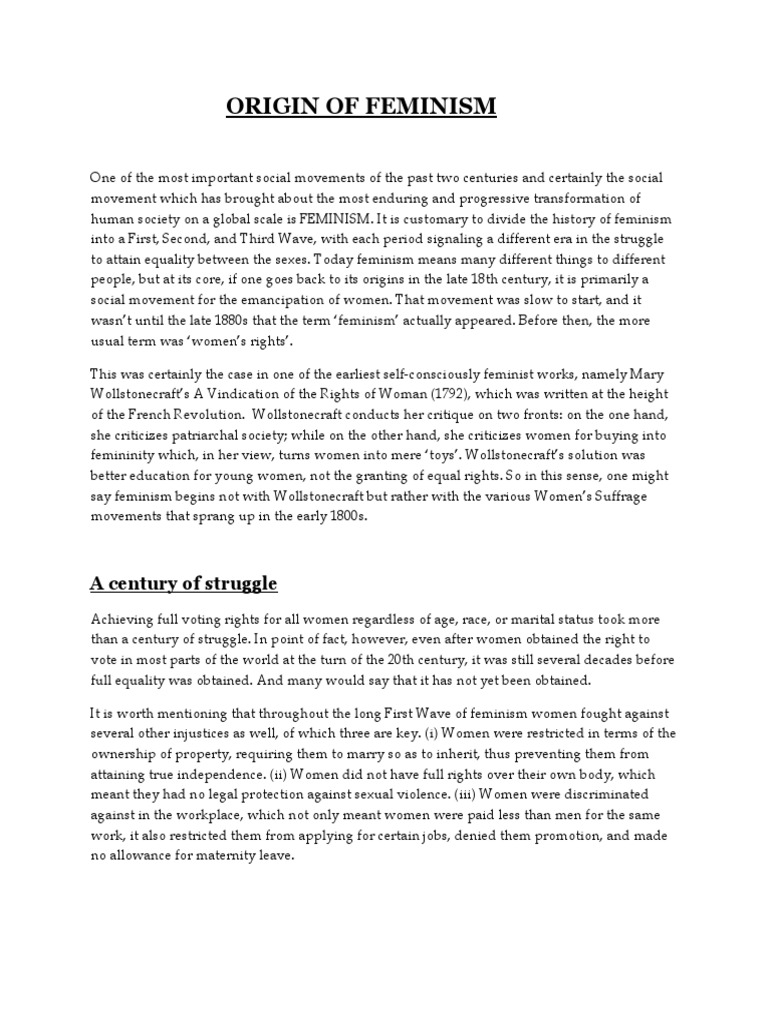
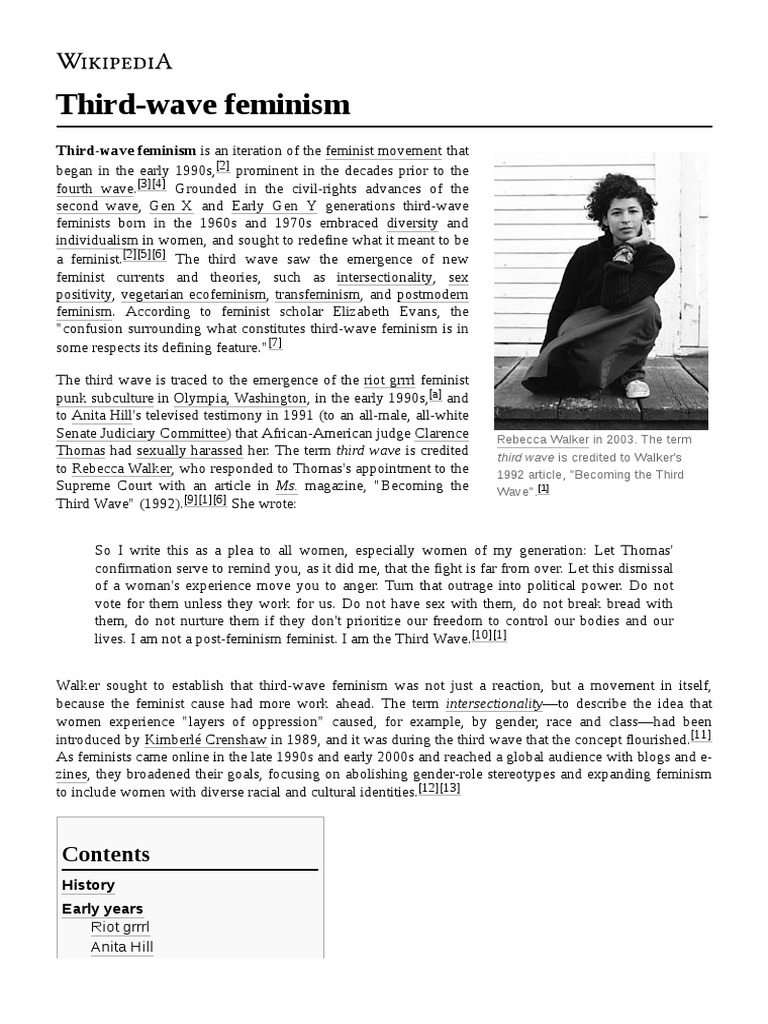
To understand feminism’s current state, we must first exhume its past. The suffragettes, those audacious foremothers, chained themselves to fences and endured imprisonment to secure the vote. Their fight, though monumental, was largely centered on the concerns of white, middle-class women. The second wave, bursting forth in the 1960s and 70s, tackled issues of reproductive rights, workplace equality, and domestic violence. Icons like Gloria Steinem and Betty Friedan challenged the stifling confines of suburban domesticity and demanded autonomy over their bodies and destinies. Third-wave feminism, emerging in the 1990s, embraced intersectionality, acknowledging the multifaceted nature of oppression and the diverse experiences of women based on race, class, sexual orientation, and ability. Riot Grrrls screamed their defiance into microphones, and theorists like Kimberlé Crenshaw provided the intellectual framework for understanding how various forms of discrimination intersect and compound one another. Each wave built upon the last, yet each also grappled with its own internal contradictions and exclusions.
The Rise of Intersectional Feminism: A Symphony of Voices
Intersectionality, the linchpin of contemporary feminist thought, recognizes that oppression is not a monolithic entity but a complex web of interlocking systems. A Black woman, for instance, faces discrimination not only because of her gender but also because of her race, and these two forms of oppression are inextricably linked. This framework allows us to understand the unique challenges faced by women of color, LGBTQ+ women, disabled women, and women from other marginalized communities. It is a theoretical and practical imperative to the contemporary feminist movement to address the particular needs and experiences of all women. However, the implementation of intersectionality is not without its challenges. Performative allyship, the appropriation of marginalized voices, and the prioritization of certain identities over others can all undermine the principles of intersectional feminism.
#MeToo and the Reckoning: Unmasking the Abusers
The #MeToo movement, a seismic shift in the cultural landscape, empowered survivors of sexual harassment and assault to speak out against their abusers. It shattered the silence surrounding sexual violence and brought to light the pervasive nature of male entitlement and impunity. High-profile figures in Hollywood, politics, and the media were exposed, their careers and reputations tarnished by allegations of misconduct. #MeToo was a watershed moment, demonstrating the power of collective action and the urgent need for systemic change. Yet, the movement also faced criticism for its potential to create a climate of fear and suspicion, and for its focus on individual perpetrators rather than the underlying structures of power that enable abuse. Accusations of “cancel culture” arose, obscuring the fundamental necessity of accountability. We must ask ourselves, how do we ensure that #MeToo leads to lasting change, rather than becoming a fleeting moment of moral outrage?
The Gender Pay Gap: A Persistent Inequity
Despite decades of activism and legislation, the gender pay gap persists as a stark reminder of the economic inequality faced by women. Women in the United States still earn, on average, less than men for doing the same work. The gap is even wider for women of color. This disparity is not simply a matter of individual choices or qualifications; it is rooted in systemic discrimination, occupational segregation, and the undervaluing of women’s work. Addressing the gender pay gap requires a multi-pronged approach, including pay transparency, equal pay legislation, and policies that support working families, such as affordable childcare and paid family leave. The myth of meritocracy must be debunked. A woman’s worth is not determined by societal preconceptions but by the labor she provides and the value she adds to the world.
Reproductive Rights Under Siege: The Battle for Bodily Autonomy
The right to reproductive healthcare, including abortion, is under constant attack in the United States. State legislatures across the country are enacting increasingly restrictive laws that limit access to abortion services, forcing clinics to close, and making it more difficult for women to exercise their constitutional right to choose. The Supreme Court’s overturning of Roe v. Wade has unleashed a dystopian nightmare, empowering states to ban abortion outright and criminalize women and healthcare providers. This assault on reproductive rights is a direct attack on women’s autonomy and their ability to control their own bodies and destinies. The fight for reproductive justice is not just about abortion; it is about ensuring that all women have access to the healthcare they need to make informed decisions about their bodies and their lives. We must amplify the voices of those most affected by these draconian laws and resist the erosion of our fundamental rights.
Feminism in the Digital Age: Navigating the Online Landscape
The internet and social media have become powerful tools for feminist activism, allowing women to connect, organize, and share their stories on a global scale. Online platforms have facilitated the rise of movements like #MeToo and #BlackLivesMatter, amplifying marginalized voices and challenging dominant narratives. However, the digital landscape also presents new challenges, including online harassment, cyberbullying, and the spread of misinformation. Women, particularly women of color, are disproportionately targeted by online abuse, which can have a chilling effect on their participation in public discourse. Navigating the online landscape requires a critical awareness of the potential risks and opportunities, as well as strategies for combating online harassment and promoting a more inclusive and equitable digital environment. We must wield the internet as a weapon against oppression while safeguarding ourselves from its corrosive effects.
The Commercialization of Feminism: Empowerment or Exploitation?
Feminism has become increasingly mainstream, with corporations and brands eager to capitalize on the growing popularity of feminist ideals. “Empowerment” messaging is now ubiquitous, adorning everything from t-shirts to skincare products. While it is encouraging to see feminist values being embraced by a wider audience, there is also a danger of co-option and commercialization. Companies may use feminist language to sell products without genuinely supporting feminist causes or addressing the underlying inequalities that women face. This “femvertising” can be a form of virtue signaling, designed to appeal to consumers without requiring any real commitment to social change. We must be vigilant in scrutinizing corporate claims of feminism and holding companies accountable for their actions. True empowerment requires more than just a catchy slogan; it requires systemic change and a genuine commitment to justice.
The Future of Feminism: Charting a Course for Liberation
The American feminist movement stands at a critical juncture. We have made significant progress in advancing women’s rights, but much work remains to be done. To achieve true gender equality, we must address the systemic inequalities that perpetuate discrimination and oppression. This requires a multi-faceted approach that includes legislative reforms, cultural shifts, and individual action. We must continue to challenge patriarchal norms and stereotypes, amplify marginalized voices, and hold those in power accountable. The future of feminism depends on our ability to build a broad and inclusive movement that unites women across race, class, sexual orientation, and other identities. It requires a willingness to engage in difficult conversations, challenge our own biases, and work together to create a more just and equitable world for all. Forget the delicate whispers; it’s time for a defiant roar.
Is the dream of gender equality a fool’s errand, a utopian fantasy destined to remain forever beyond our grasp? Or can we, through unwavering dedication and relentless activism, forge a future where all women are truly free?






Leave a Comment