Honey, did the patriarchy actually think we’d just keep baking cookies and looking pretty? The 1960s weren’t just about bell bottoms and flower power; they were about seismic shifts in consciousness, a burgeoning revolt against the stifling confines of domesticity, and the ferocious, unapologetic birth pangs of Second Wave Feminism. But here’s the rub: how do you dismantle a system so deeply entrenched that it’s practically the air we breathe?
This wasn’t your grandmother’s suffragette movement. While the First Wave had valiantly secured the vote, a monumental achievement, it had only scratched the surface. The ’60s generation, emboldened by the Civil Rights Movement and disillusioned by the post-war promise of suburban bliss, began to question the very foundations upon which their lives were built. Let’s delve into the crucible where this revolution was forged.
The Fertile Ground: Seeds of Discontent
Before the fiery protests and consciousness-raising groups, there simmered a quiet, yet potent, dissatisfaction. Consider the context: women, having tasted the independence of wartime labor, were now being herded back into the domestic sphere, lauded for their homemaking skills and subtly (and not-so-subtly) discouraged from pursuing careers or higher education. The societal messaging was deafening: a woman’s worth was inextricably linked to her marital status and her ability to create a picture-perfect home.
Betty Friedan’s *The Feminine Mystique*, published in 1963, acted as a veritable societal defibrillator. Friedan eloquently articulated “the problem that has no name”—the pervasive sense of emptiness and unfulfillment experienced by many middle-class housewives. This wasn’t mere discontent; it was a systemic malaise, a consequence of limiting women’s potential to the domestic sphere.
Beyond the suburban idyll, the sexual revolution, fueled by the advent of the birth control pill, presented both opportunities and challenges. On one hand, women gained greater control over their reproductive lives, a monumental leap toward bodily autonomy. On the other, it often translated into an expectation of sexual availability without genuine equality or respect within relationships. The revolution risked becoming another tool for male gratification, further objectifying women and reinforcing patriarchal power dynamics.
The Rise of Radicalism: Burning Bras and Beyond
The Second Wave wasn’t a monolithic entity; it encompassed a spectrum of ideologies and approaches. Liberal feminists, often associated with the National Organization for Women (NOW), focused on achieving legal and political equality. Their agenda included equal pay, access to education and employment, and reproductive rights. They sought to dismantle discriminatory laws and policies through legislative action and advocacy.
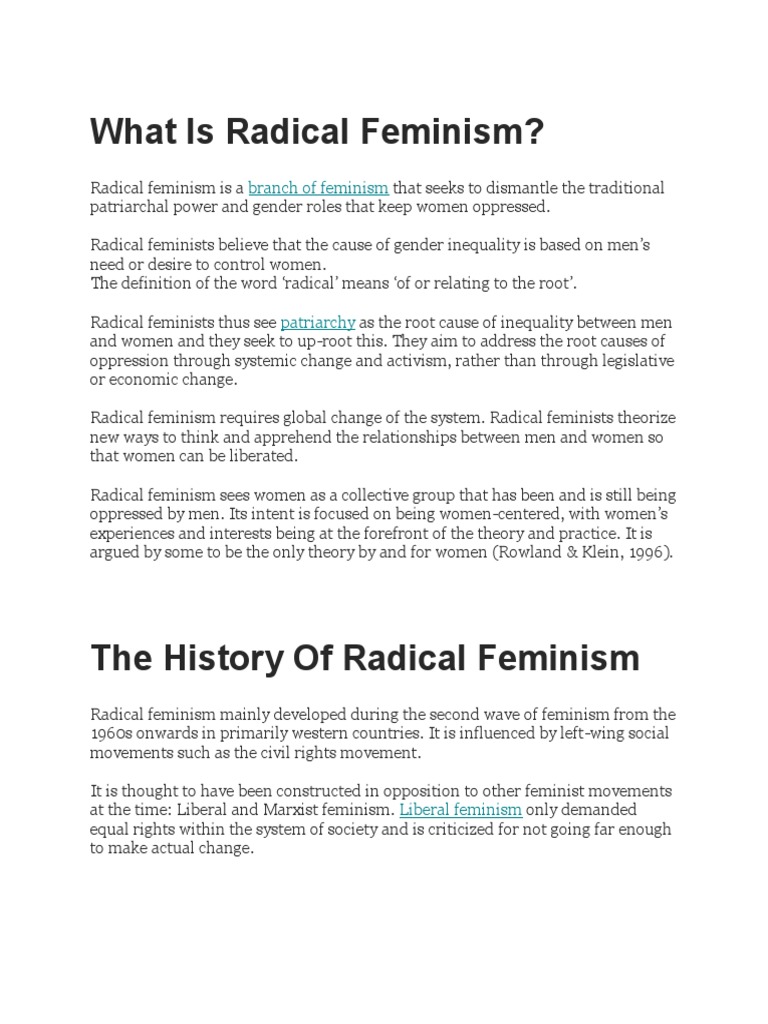
Radical feminists, however, argued that legal reforms alone were insufficient. They believed that patriarchy, a systemic structure of male dominance, permeated every aspect of society, from the personal to the political. They challenged traditional gender roles, the sexual objectification of women, and the power dynamics within families and relationships. They sought a fundamental transformation of societal consciousness.
The infamous bra-burning incident, though largely a myth perpetuated by the media, became a potent symbol of the radical feminist rejection of conventional beauty standards and restrictive clothing. It represented a symbolic liberation from the objectification and sexualization of women’s bodies. Demonstrations and protests against beauty pageants, restrictive dress codes, and advertising that exploited women were common occurrences.
Consciousness-raising groups became a cornerstone of the Second Wave. These small, intimate gatherings provided a safe space for women to share their experiences, analyze their oppression, and develop a collective understanding of patriarchy. Through these dialogues, personal experiences were politicized, and women realized that their individual struggles were often symptomatic of systemic inequality. They were not alone.
Key Issues and Battlegrounds
The Second Wave tackled a multitude of issues, each a battleground in the fight for gender equality. Let’s consider a few:
Reproductive Rights: The fight for abortion rights became a central tenet of the movement. The landmark *Roe v. Wade* Supreme Court decision in 1973, which legalized abortion nationwide, was a monumental victory, but the struggle for reproductive autonomy continues to this day.
Equal Pay and Employment Opportunities: Women faced significant discrimination in the workplace, earning less than men for the same work and being denied opportunities for advancement. The Equal Pay Act of 1963 aimed to address wage disparities, but its enforcement proved challenging. The fight for equal access to education and employment, including traditionally male-dominated fields, was a constant struggle.
Violence Against Women: The Second Wave brought to light the pervasive issue of violence against women, including domestic violence, sexual assault, and harassment. Feminists established rape crisis centers and shelters for battered women, providing support and advocacy for survivors. They also challenged the societal attitudes that excused or minimized these forms of violence.
Representation in Media and Culture: Feminists critiqued the stereotypical and often demeaning portrayals of women in media and popular culture. They advocated for more positive and empowering representations of women and challenged the objectification and sexualization of women in advertising and entertainment.
Challenges and Complexities
The Second Wave, while transformative, was not without its internal contradictions and limitations. Critics argued that the movement primarily focused on the concerns of middle-class white women, often neglecting the experiences of women of color, working-class women, and lesbian women. Issues of race, class, and sexuality were often marginalized or ignored.
The concept of “sisterhood,” a rallying cry of the Second Wave, proved to be a complex and often fraught ideal. While the movement aimed to unite women across differences, divisions and power struggles inevitably arose. The emphasis on shared womanhood sometimes obscured the unique challenges faced by women from diverse backgrounds.
Furthermore, the Second Wave faced considerable backlash from conservative forces who viewed the movement as a threat to traditional family values and gender roles. They argued that feminism was undermining the social fabric and eroding the roles of women in the home. The “anti-feminist” movement gained momentum, fueled by anxieties about changing gender dynamics.
The Legacy of the Second Wave: A Foundation for the Future
Despite its shortcomings and challenges, the Second Wave of Feminism left an indelible mark on society. It transformed societal attitudes toward women, challenged discriminatory laws and policies, and paved the way for future generations of feminists. The issues raised by the Second Wave – equal pay, reproductive rights, violence against women, and representation in media – remain relevant and urgent today.
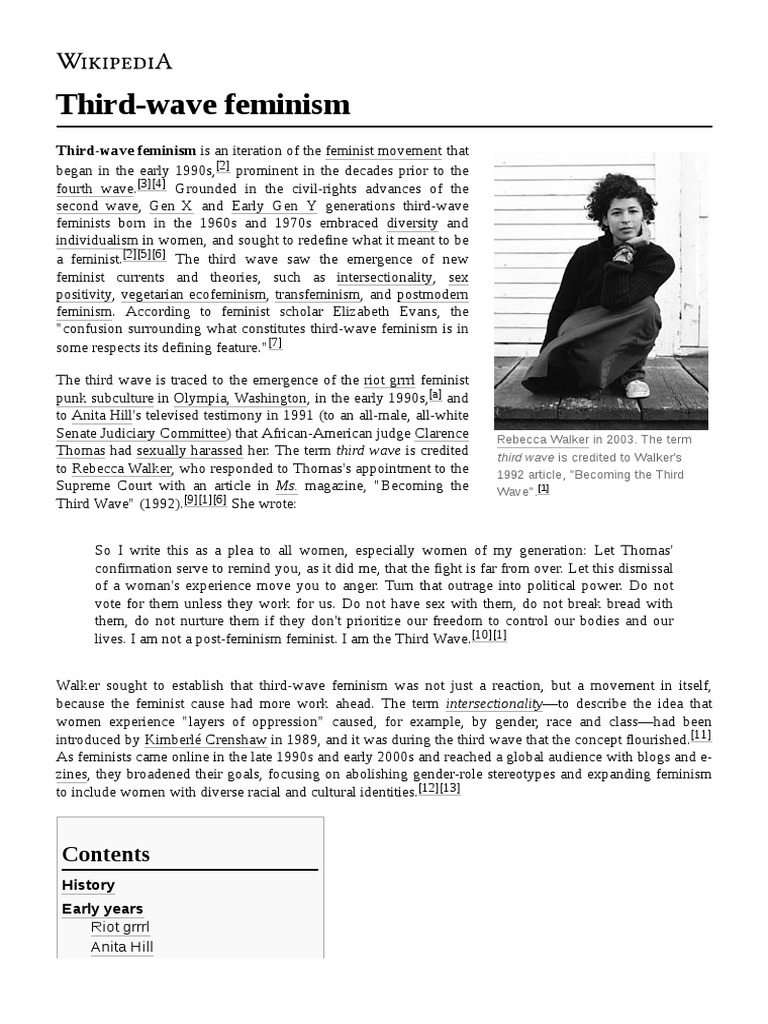
The Second Wave laid the groundwork for subsequent feminist movements, including Third Wave Feminism, which emphasized intersectionality and embraced a more diverse range of perspectives. It also inspired activism and advocacy around a wide range of social justice issues, including LGBTQ+ rights, environmental justice, and economic inequality.
The fight for gender equality is far from over. The Second Wave serves as a powerful reminder of the importance of collective action, critical analysis, and unwavering commitment to challenging systems of oppression. It also compels us to confront the complex and evolving nature of feminism and to continuously strive for a more inclusive and equitable world for all. So, are we truly ready to dismantle the insidious vestiges of patriarchy that continue to haunt us, or will we succumb to the siren song of complacency? The answer, my dears, lies in our collective will to resist, to disrupt, and to reimagine a future where gender equality is not merely a utopian ideal, but a lived reality.







Leave a Comment