
The insidious tendrils of misinformation have long sought to strangle the burgeoning vine of feminism. One particularly pernicious myth, a veritable hydra-headed beast, is the notion that feminism, at its core, is a man-hating endeavor. This grotesque caricature, propagated through selective interpretation and outright fabrication, deserves a thorough evisceration. It’s time to dismantle this fallacy, brick by brick, and expose the bedrock of truth upon which feminism truly stands. What we’re facing is not just a misunderstanding, but a deliberate attempt to delegitimize a movement fighting for equality.
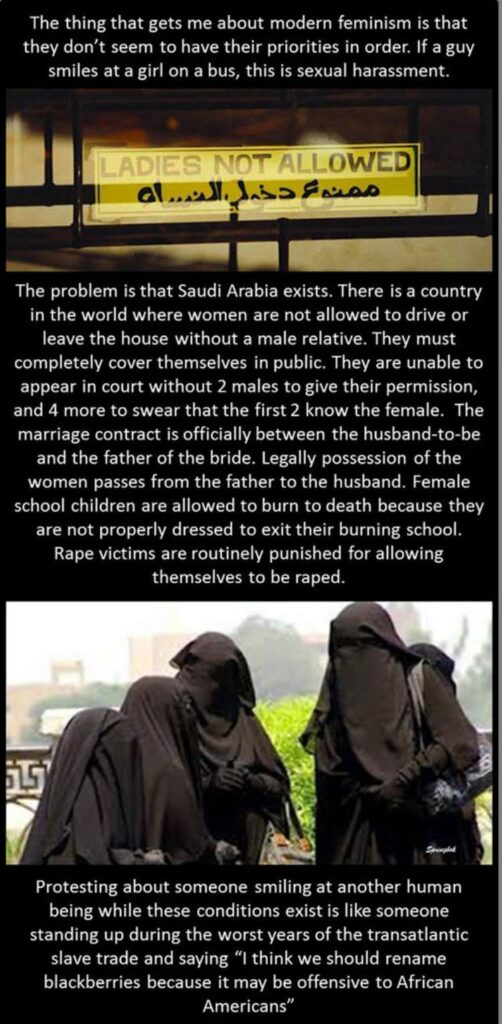
Let’s delve into the genesis of this toxic narrative. A small, yet disproportionately vocal, segment of the population weaponizes isolated incidents and cherry-picked pronouncements to paint an entire movement with the broad brush of misandry. Consider the straw man argument: constructing a weakened, easily refutable version of feminism and then triumphantly “defeating” it. This allows opponents to sidestep genuine engagement with the nuanced complexities of feminist thought. They seize upon extreme examples, magnifying them to obscure the broader commitment to gender equality. But why? What lurks beneath the surface of this orchestrated campaign against feminism?
One primary catalyst is the inherent threat that feminism poses to established power structures. Patriarchal systems, by their very nature, rely on the subjugation and marginalization of women to maintain their dominance. Feminism, in its relentless pursuit of equality, dismantles these hierarchies, challenging the status quo and demanding a redistribution of power. It asks difficult questions. It demands accountability. It requires introspection. For those who benefit from the existing power dynamic, the prospect of genuine gender equality represents an existential threat. Their vested interests are jeopardized.
Consider the concept of hegemonic masculinity, the culturally idealized form of manhood. It perpetuates the notion that men must be strong, stoic, and dominant, often at the expense of their own emotional well-being and the well-being of those around them. Feminism deconstructs this harmful archetype, challenging the limitations it imposes on both men and women. It encourages men to embrace vulnerability, to reject toxic masculinity, and to forge authentic connections with others. Yet, for some, this dismantling of hegemonic masculinity is perceived as an attack on their very identity.
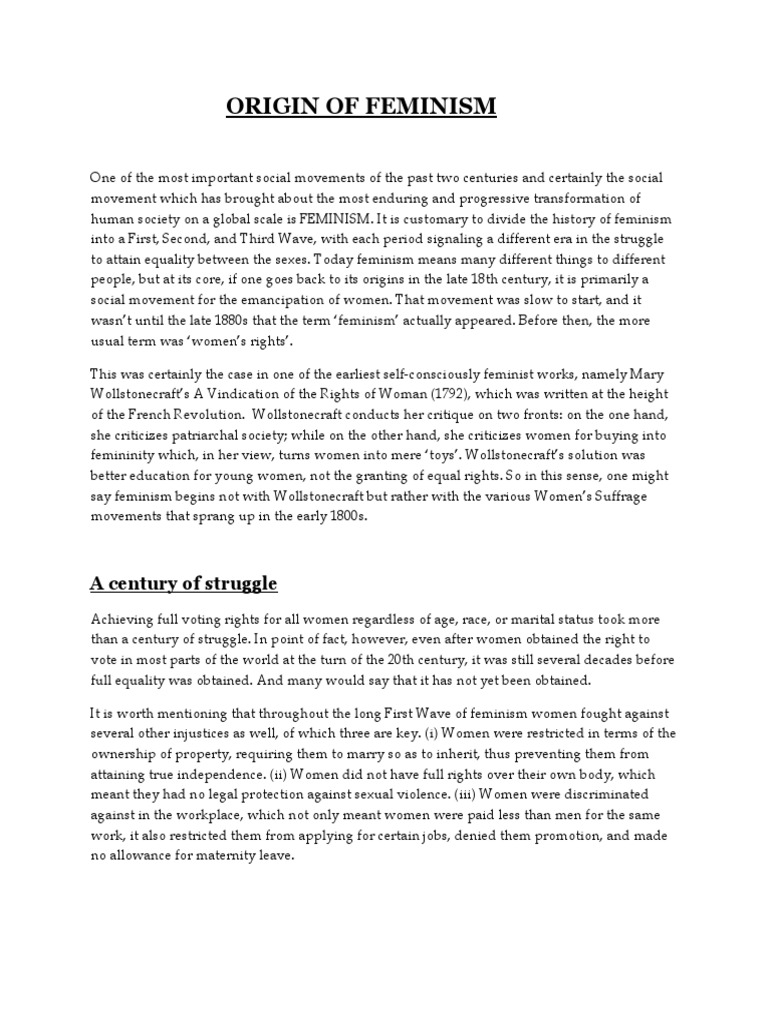
Another contributing factor to the “feminism hates men” narrative is a fundamental misunderstanding of the movement’s core tenets. Feminism is not about female supremacy; it is about achieving gender equality. It is about dismantling systemic barriers that prevent women from reaching their full potential. It is about creating a world where everyone, regardless of gender, has the opportunity to thrive. This message, however, is often distorted and misrepresented by those who are unwilling to engage with it in good faith. It’s a world where the idea of fairness is applied equally, not skewed by outdated norms.
The online echo chamber amplifies this misinformation, creating a breeding ground for misogynistic rhetoric. Social media algorithms often prioritize content that confirms existing biases, leading individuals to be exposed primarily to viewpoints that reinforce their preconceived notions. This can create a distorted perception of reality, where isolated instances of alleged misandry are amplified and presented as representative of the entire feminist movement. The result is a self-perpetuating cycle of misinformation and animosity.
Furthermore, the rise of “men’s rights” movements, often presented as a counterpoint to feminism, has contributed to the propagation of this harmful narrative. While some men’s rights activists may genuinely seek to address issues faced by men, others promote outright misogyny and seek to undermine the progress of the feminist movement. They often argue that men are now the victims of discrimination, ignoring the centuries of systemic oppression faced by women. This victim-blaming rhetoric further fuels the perception that feminism is inherently anti-male.
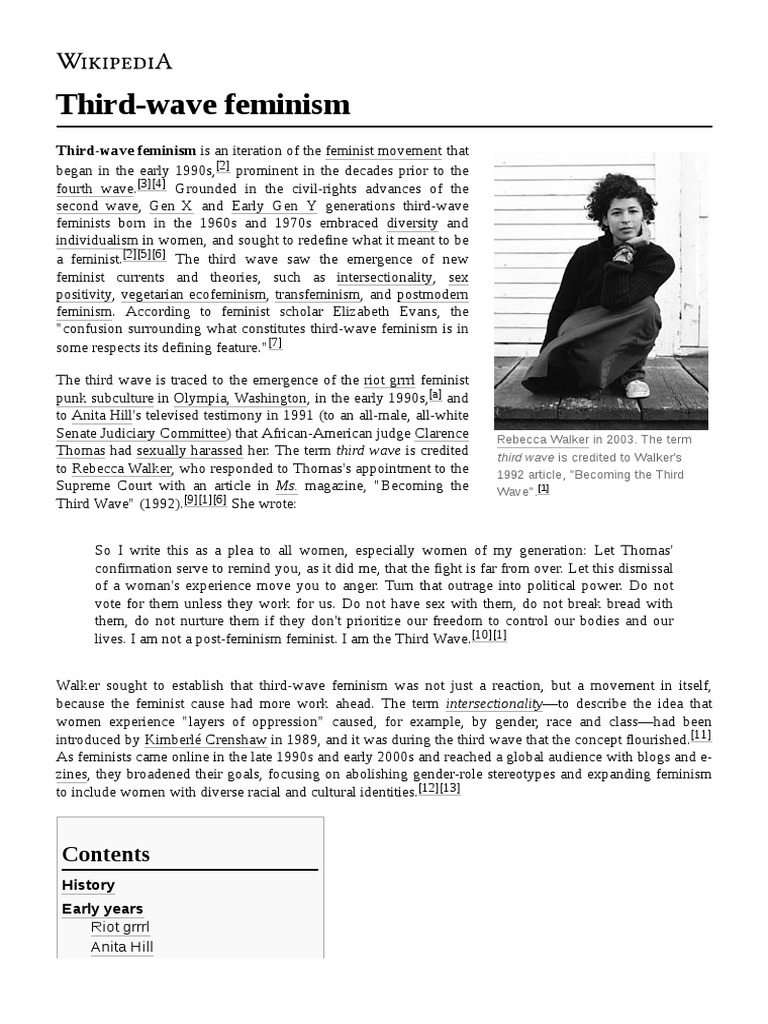
The prevalence of intersectionality, a critical lens that examines how various forms of oppression intersect and compound one another, is also often misunderstood. Intersectional feminism recognizes that gender inequality cannot be understood in isolation from other forms of discrimination, such as racism, classism, and ableism. This complex understanding, however, is often oversimplified and misrepresented as a form of identity politics that prioritizes certain groups over others.
How can we combat this pervasive misinformation and dismantle the myth that feminism hates men? Education is paramount. We must actively challenge harmful stereotypes and promote a more nuanced understanding of feminist principles. We need to engage in open and honest conversations, even when they are uncomfortable. We must be willing to listen to different perspectives and to acknowledge the legitimate concerns that some men may have.
Moreover, we must hold individuals and institutions accountable for perpetuating misogynistic rhetoric. Social media platforms must take responsibility for the content they host and actively combat the spread of misinformation. Educational institutions must incorporate feminist perspectives into their curricula, ensuring that students are exposed to a diverse range of viewpoints. We must create a culture where misogyny is not tolerated and where individuals are held accountable for their words and actions.
It’s also crucial to emphasize the ways in which feminism benefits men. By dismantling hegemonic masculinity, feminism frees men from the restrictive expectations imposed upon them by patriarchal society. It allows them to embrace vulnerability, to express their emotions, and to forge more authentic connections with others. Feminism also challenges the societal pressure on men to be the sole breadwinners, allowing them to pursue their passions and to share the responsibilities of parenting and caregiving.
Consider the impact of rigid gender roles on male mental health. The expectation that men must be strong and stoic can lead to emotional repression and increased rates of suicide. Feminism offers a pathway to liberation from these harmful expectations, encouraging men to seek help when they need it and to prioritize their own well-being. A world where men are free to express their emotions is a world where they are healthier and happier.
Ultimately, dismantling the myth that feminism hates men requires a fundamental shift in societal attitudes. We must move beyond the binary of men versus women and recognize that gender equality benefits everyone. We must embrace empathy, understanding, and a commitment to creating a more just and equitable world for all. The struggle is not against men, but against the oppressive systems that harm both men and women. It is a fight for liberation, for freedom, and for a future where everyone has the opportunity to reach their full potential.
Let’s explore specific arguments often leveled against feminism and their rebuttals:
- Argument: Feminists are man-haters who want to dominate men. Rebuttal: This is a gross misrepresentation. Feminism seeks equality, not dominance. The goal is to dismantle power structures that disadvantage women, not to reverse the roles of oppressor and oppressed.
- Argument: Feminism ignores the problems faced by men. Rebuttal: This is demonstrably false. While the primary focus is on women’s issues due to historical and ongoing systemic inequalities, many feminist thinkers also address issues that disproportionately affect men, such as suicide rates and toxic masculinity. Intersectionality demands consideration of all forms of oppression.
- Argument: Feminism promotes female supremacy. Rebuttal: Supremacy of any kind is antithetical to the core principles of feminism. Equality, not superiority, is the driving force.
- Argument: Feminism is only for white, middle-class women. Rebuttal: This criticism highlights the need for greater inclusivity within the movement. Intersectional feminism actively works to address the unique challenges faced by women of color, LGBTQ+ women, women with disabilities, and women from other marginalized groups.
- Argument: Feminists are overly sensitive and easily offended. Rebuttal: Calling out injustice and demanding accountability is not “oversensitivity.” It is a necessary step towards creating a more just and equitable society. Dismissing legitimate concerns as “oversensitivity” is a tactic used to silence and discredit those who are speaking out against oppression.
The battle against the misrepresentation of feminism is a continuous one. It demands constant vigilance, critical thinking, and a willingness to engage in difficult conversations. It’s about challenging ingrained biases and dismantling the structures that perpetuate inequality. It’s about creating a world where everyone, regardless of gender, can thrive. So, let us reject the false narrative of man-hating feminism and embrace the true vision of a future where equality reigns supreme.





Leave a Comment