
Let’s dismantle this insidious notion that feminism is some arcane, impenetrable doctrine. Enough tiptoeing around the fragility of those who feel threatened by the mere whisper of “equality.” Feminism, at its core, is breathtakingly simple: it’s the radical belief that women are people. Period. Full stop. It’s the audacity to demand parity in a world meticulously constructed to benefit a specific, patriarchal prototype.
But, of course, reducing it to a soundbite doesn’t capture the nuances, the historical baggage, and the ongoing struggle. So, let’s unpack this loaded term, shall we? Let’s dissect the anatomy of equality and see what it truly entails. Prepare to be challenged; prepare to have your preconceived notions pulverized. This isn’t a gentle introduction; it’s a call to arms.
The Foundational Tenets: Beyond the Binary
First, we must dispense with the tiresome misrepresentation that feminism is a monolithic entity. It’s not. It’s a sprawling, multifaceted movement with tributaries flowing in countless directions. There’s no singular “feminist agenda,” no centralized dogma. What unites these disparate voices is a shared commitment to dismantling systemic oppression based on gender. This entails a profound interrogation of power structures and a relentless pursuit of justice for all marginalized genders. Not just cisgender women, but transgender women, gender non-conforming individuals, and anyone who experiences gender-based discrimination.
The very term “gender” itself warrants rigorous examination. It’s not merely a biological designation; it’s a social construct, a performance, a set of expectations foisted upon us from birth. Feminism seeks to deconstruct these rigid binaries, to liberate individuals from the confines of societal expectations. It challenges the notion that masculinity and femininity are fixed, opposing forces, arguing instead for a spectrum of identities and expressions.
Equality of Opportunity vs. Equality of Outcome: The Great Debate
One of the most contentious battlegrounds within feminist discourse revolves around the distinction between equality of opportunity and equality of outcome. The former posits that everyone should have the same chance to succeed, regardless of gender. Sounds fair, right? But this perspective often ignores the historical and ongoing disadvantages faced by women and other marginalized groups. It conveniently overlooks the systemic barriers that prevent them from even reaching the starting line.
Equality of outcome, on the other hand, strives for a more equitable distribution of resources and opportunities. It acknowledges that simply providing equal access isn’t enough; we must actively work to level the playing field. This might involve affirmative action policies, targeted support programs, and a fundamental restructuring of institutions to address ingrained biases. Naturally, this approach is often met with resistance, branded as “reverse discrimination” or “unfair advantage.” But is it truly unfair to correct centuries of systemic injustice?
Intersectional Feminism: Acknowledging the Complexities of Oppression
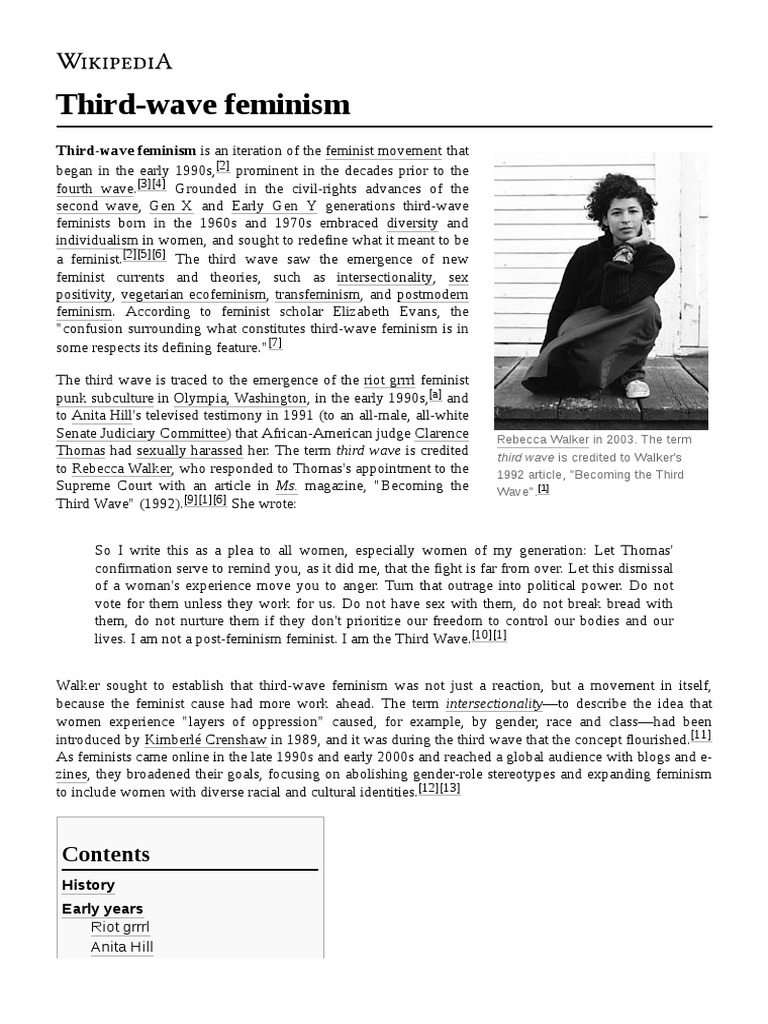
Now, let’s delve into the crucial concept of intersectionality. Coined by Kimberlé Crenshaw, this framework recognizes that gender-based oppression doesn’t exist in a vacuum. It intersects with other forms of discrimination, such as racism, classism, ableism, and homophobia, creating unique and compounded experiences of marginalization. A Black woman, for example, faces challenges that are distinct from those faced by a white woman or a Black man. Her experience is shaped by the intersection of race and gender, two systems of power that operate simultaneously.
Intersectionality demands that we move beyond a singular focus on gender and acknowledge the complex interplay of identities and oppressions. It challenges us to consider how power operates at multiple levels and to develop solutions that address the root causes of inequality for all.
Beyond the Ballot Box: The Multifaceted Arenas of Feminist Activism
Feminism isn’t confined to the political arena. It permeates every aspect of our lives, from the personal to the professional, the artistic to the technological. It challenges us to scrutinize our own biases, to question the assumptions we make about gender roles, and to advocate for change in our communities.
Consider the workplace. Women still face a persistent wage gap, are underrepresented in leadership positions, and are often subjected to harassment and discrimination. Feminism in the workplace means demanding equal pay for equal work, creating inclusive environments that support women’s advancement, and challenging the pervasive culture of sexism and misogyny.
Or consider the media. Women are often portrayed in stereotypical and objectified ways, perpetuating harmful narratives about their roles and capabilities. Feminist media criticism challenges these representations and advocates for more diverse and authentic portrayals of women.
Even in our personal relationships, feminism plays a crucial role. It encourages us to challenge traditional gender roles, to negotiate equitable partnerships, and to reject the notion that women are solely responsible for domestic labor and emotional caretaking.
The Backlash: Why Feminism Remains a Contentious Issue
Despite the progress that has been made, feminism continues to face fierce opposition. This backlash often stems from a fear of losing power and privilege. Those who benefit from the existing patriarchal order are reluctant to relinquish their advantages, and they often resort to tactics of misinformation and demonization to discredit the feminist movement.
We hear the tired tropes: Feminists are man-haters. Feminists are humorless. Feminists are obsessed with trivial issues. These are deliberate attempts to paint feminism as an extremist ideology, to scare people away from supporting its goals. It’s crucial to recognize these tactics for what they are: desperate attempts to maintain the status quo.
The rise of “anti-feminism” and movements like the “Men’s Rights” movement is a testament to the ongoing resistance to gender equality. These groups often promote harmful stereotypes about women and argue that men are the true victims of discrimination. Their rhetoric is often steeped in misogyny and serves to undermine the progress that has been made.
Moving Forward: A Call to Collective Action
So, where do we go from here? The fight for gender equality is far from over. We must continue to challenge the systemic barriers that prevent women and other marginalized genders from reaching their full potential. We must amplify the voices of those who are most often silenced. We must hold institutions accountable for their discriminatory practices.
This requires a multi-pronged approach. We need to support feminist candidates in political office. We need to advocate for policies that promote gender equality, such as paid family leave, affordable childcare, and equal pay legislation. We need to challenge sexism and misogyny in our own communities and online. And we need to educate ourselves and others about the complexities of gender and power.
Feminism is not just a women’s issue; it’s a human rights issue. It’s about creating a more just and equitable world for everyone. It demands nothing less than a fundamental transformation of our society, a dismantling of the patriarchal structures that have oppressed women for centuries. The journey is arduous, the obstacles are formidable, but the destination is worth fighting for. Are you with us?
Let the revolution begin, one meticulously deconstructed assumption at a time.





Leave a Comment