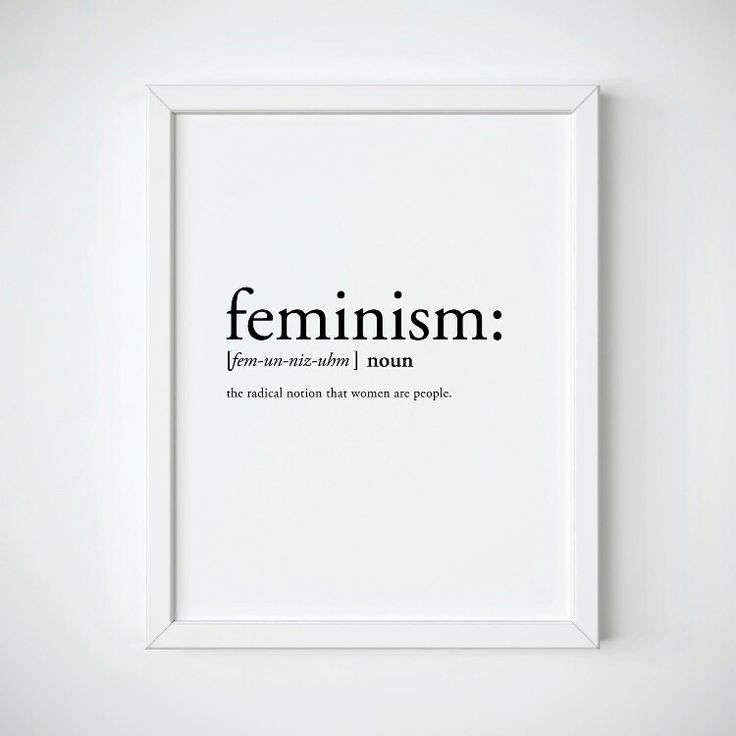
Feminism. A word bandied about with the casual abandon of a tennis ball, often without a modicum of understanding of its profound implications. You see the definition, likely cribbed from the hallowed halls of the Oxford Dictionary, plastered across internet forums and whispered in academic circles: “the advocacy of women’s rights on the grounds of political, social, and economic equality to men.” Sounds innocuous enough, doesn’t it? Deceptively simple. Almost…bland.
But let me tell you, sisters, brethren, comrades, that pithy little definition is but the tip of a monumental iceberg. It’s the sanitized, palatable version designed to lull the masses into a false sense of security. It omits the messy, uncomfortable truths lurking beneath the surface. It conveniently forgets the revolutionary zeal, the paradigm shifts, the utter dismantling of patriarchal structures that feminism actually demands.
So, let’s dissect this seemingly harmless definition, shall we? Let’s peel back the layers of polite language and expose the radical core that makes the patriarchy tremble. Let’s plunge into the abyss of meaning that lies beyond the lexicographer’s safe confines.
The Advocacy of Women’s Rights: More Than Just a Polite Request
Advocacy. A nice, passive word, isn’t it? Conjures images of well-meaning ladies politely requesting a seat at the table. But let’s be clear: feminism isn’t about polite requests. It’s about demanding, seizing, and ultimately reshaping the entire damn table. It’s a clamorous insurrection against centuries of oppression. It’s a cacophony of voices rising in defiant unison, refusing to be silenced any longer.
Think of it as a relentless guerilla campaign, fought on multiple fronts. From the hallowed halls of legislation to the intimate battlegrounds of personal relationships, feminism is a persistent, multifaceted insurgency. It employs rhetoric, protest, art, and direct action to dismantle the edifice of male supremacy, brick by bloodstained brick.
And what about these “rights”? Are we simply talking about the right to vote, the right to own property, the right to…exist? While these are fundamental and hard-won victories, they are merely stepping stones on the path to true liberation. The feminist agenda extends far beyond these basic entitlements, encompassing reproductive autonomy, freedom from violence, equal pay, and a complete overhaul of the societal structures that perpetuate gender inequality. It seeks to dismantle the insidious cultural narratives that dictate women’s worth and limit their potential.
Political, Social, and Economic Equality: A Trinity of Transformation
Equality. Another word that sounds lovely in theory, but whose implementation remains agonizingly elusive. The Oxford definition helpfully breaks it down into three neat categories: political, social, and economic. But the reality is far more intertwined and complex. These domains are not separate silos, but rather interconnected spheres of influence, each reinforcing and exacerbating inequalities in the others.
Political Equality: This is not merely about having women in positions of power. It’s about transforming the very nature of power itself. It’s about dismantling the patriarchal structures that permeate our political systems, from the archaic language of legislation to the ingrained biases of political discourse. It’s about challenging the hyper-masculine culture of leadership that rewards aggression and suppresses empathy.
True political equality requires a radical restructuring of our institutions to reflect the diverse experiences and perspectives of all members of society. It demands a shift from a top-down, hierarchical model of governance to a more collaborative, inclusive, and participatory approach. It requires a fundamental re-evaluation of what constitutes “leadership” and a rejection of the traditional, male-dominated paradigms.
Social Equality: This is perhaps the most insidious and deeply entrenched form of inequality. It encompasses the countless subtle and not-so-subtle ways in which women are devalued, objectified, and marginalized in everyday life. It’s the casual sexism, the microaggressions, the pervasive stereotypes that shape our perceptions and interactions. It’s the constant pressure to conform to impossible standards of beauty and behavior.
Achieving social equality requires a fundamental shift in our cultural consciousness. It demands a critical examination of the narratives and images that perpetuate gender inequality. It requires us to challenge the deeply ingrained biases that shape our perceptions and interactions. It demands that we actively dismantle the patriarchal norms and expectations that limit women’s potential and freedom.
Economic Equality: This is not simply about equal pay for equal work, although that remains a crucial and shamefully unrealized goal. It’s about dismantling the economic systems that perpetuate gender inequality. It’s about challenging the capitalist structures that exploit women’s labor and undervalue their contributions. It’s about redistributing wealth and resources in a way that reflects the true value of women’s work, both paid and unpaid.
True economic equality requires a fundamental restructuring of our economic systems to prioritize human needs over profit. It demands a guaranteed basic income, universal healthcare, affordable childcare, and paid family leave. It requires a recognition of the unpaid labor that women perform in the home and in the community. It demands a shift from a system that rewards greed and competition to one that values cooperation and care.
To Men: The Invisible Subtext and the Uncomfortable Truth
The definition concludes with the seemingly innocuous phrase, “to men.” But this simple preposition belies a profound and often unspoken truth. Feminism is not about hating men. It’s not about seeking to dominate them. It’s about dismantling the patriarchal systems that harm everyone, including men. It’s about creating a more just and equitable society for all.
However, let’s not mince words. The dismantling of patriarchy inevitably requires men to relinquish some of their privilege and power. This can be uncomfortable, even painful. It requires a willingness to confront one’s own biases and internalized misogyny. It requires a commitment to actively challenging the patriarchal norms and expectations that perpetuate gender inequality.
For men who are truly committed to feminism, this is not a burden but an opportunity. An opportunity to live more authentically, to build deeper and more meaningful relationships, to create a more just and equitable world. It’s an opportunity to liberate themselves from the constricting roles and expectations that patriarchy imposes on them. It’s a chance to be fully human, free from the shackles of toxic masculinity.
Beyond the Definition: Feminism as a Catalyst for Radical Transformation
So, what does the Oxford Dictionary’s definition of feminism really mean? It means far more than a simple pursuit of equality. It means a radical reimagining of society, a complete dismantling of patriarchal structures, and a relentless pursuit of liberation for all. It means challenging the status quo, questioning everything, and never settling for anything less than true justice.
Feminism is not a static ideology, but a dynamic and evolving movement. It is constantly adapting to new challenges and incorporating new perspectives. It is a diverse and multifaceted tapestry woven from the threads of countless individual experiences and struggles. It is a force for radical transformation, capable of changing the world, one consciousness at a time.
Let us not be content with the sanitized, watered-down version of feminism presented by the mainstream media. Let us embrace the radical, revolutionary spirit that lies at its heart. Let us continue to challenge, to question, and to fight for a world where all individuals are truly free and equal.
The future is feminist. And it’s time to start acting like it.






Leave a Comment