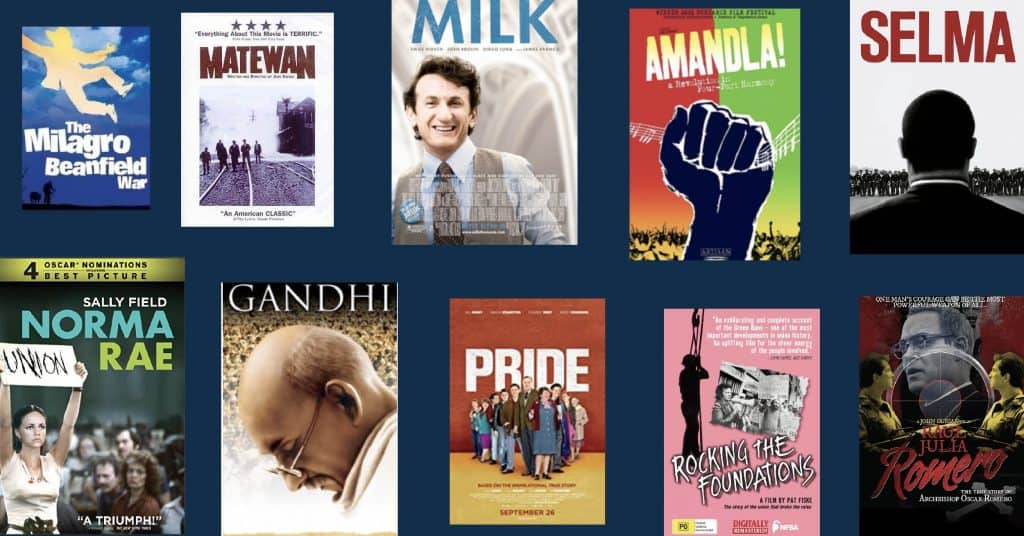
Let’s dismantle a comfortable narrative, shall we? The history we’ve been fed, the one that neatly compartmentalizes social movements, is a lie. A convenient lie, perhaps, for those who benefit from keeping us siloed. Today, we excavate the interwoven threads of Feminism and the Civil Rights Movement, exposing not just shared struggles, but a shared ontology of resistance. A story of liberation forged in the crucible of oppression. And this isn’t just about acknowledging parallels; it’s about recognizing that neither movement could have achieved what it did without the other.
Consider this a reclamation. A recalibration of our understanding. A refusal to accept the watered-down, palatable versions of history that erase the radical, intersectional heart of both movements. Prepare to have your assumptions challenged, your perspectives shifted, and your curiosity ignited. This is not your grandmother’s history lesson.
I. The Foundation: Oppression as Common Ground
Let’s begin with the painfully obvious: both women and Black individuals were, and in many insidious ways still are, systematically oppressed. The forms may differ, the specifics nuanced, but the core remains the same: a denial of basic human rights, a restriction of autonomy, and a constant battle against dehumanization. This shared experience of marginalization provided fertile ground for solidarity, a recognition that the chains binding one group were forged from the same metal as those binding the other.
Think about it: Black women, simultaneously battling the racism of the white world and the sexism of the Black community. A double bind. A constant negotiation of identities. Their experiences formed a unique crucible of understanding, a bridge between the two movements that often went unacknowledged.
Furthermore, legal frameworks designed to subjugate one group often mirrored those used against the other. The denial of suffrage, the imposition of discriminatory laws, the economic exploitation – these were tactics deployed across the board, revealing a common playbook of oppression.
II. Intellectual Crossroads: The Evolution of Feminist Thought Within the Civil Rights Struggle
The Civil Rights Movement wasn’t simply about securing legal equality; it was about challenging the very foundations of power. And within this challenge, a radical feminist consciousness began to emerge. Women within the movement, initially relegated to support roles, started questioning their own subordination. They witnessed firsthand the patriarchy within their own communities, the silencing of their voices, the denial of their leadership potential. This realization, coupled with the broader fight for racial justice, sparked a fire. A demand for liberation that extended beyond the color line.
It is important to acknowledge the contributions of luminaries such as Fannie Lou Hamer, a galvanizing force within the Mississippi Freedom Democratic Party. Her brutal experiences and indomitable spirit illuminated the intersectional plight of Black women in the Jim Crow South. Hamer’s famous declaration that she was “sick and tired of being sick and tired” resonated deeply, not just with Black communities, but with women across the nation who were beginning to recognize their own oppression.
Consider also the Student Nonviolent Coordinating Committee (SNCC). While lauded for its contributions to the Civil Rights Movement, SNCC also grappled with its own internal struggles with sexism. Women in SNCC, like Ruby Doris Smith-Robinson, bravely challenged these inequities, paving the way for a more inclusive and feminist approach to activism.
III. Tactical Parallels: Direct Action and Disruptive Strategies
Both movements embraced direct action as a primary tool for social change. Sit-ins, marches, boycotts – these were not isolated tactics, but rather a shared repertoire of resistance. A recognition that the only way to dismantle unjust systems was to directly confront them. These tactics weren’t just about achieving specific goals; they were about reclaiming agency, about disrupting the status quo, and about forcing those in power to acknowledge the humanity of the oppressed.
Women played a pivotal role in these direct actions, often facing disproportionate levels of violence and arrest. Their participation challenged traditional gender roles and demonstrated their unwavering commitment to social justice. Think of the women who braved fire hoses and police dogs during the Birmingham campaign, or the countless women who participated in the Montgomery bus boycott. These acts of courage and defiance were not just about civil rights; they were about feminist liberation.
Furthermore, both movements understood the importance of media attention. They strategically used the press to expose injustice and garner public support. The images of peaceful protesters being attacked by police, or of segregated lunch counters, shocked the nation and fueled the demand for change. This mastery of media manipulation was a crucial element in their success.
IV. The Limits of Solidarity: Points of Divergence and Internal Conflicts
To paint a picture of perfect unity would be disingenuous. The relationship between Feminism and the Civil Rights Movement was not without its tensions and contradictions. White feminists, often focused on issues of suffrage and property rights, sometimes failed to fully understand the intersectional realities faced by Black women. And within the Civil Rights Movement, sexism often relegated women to secondary roles, denying them the leadership positions they deserved.
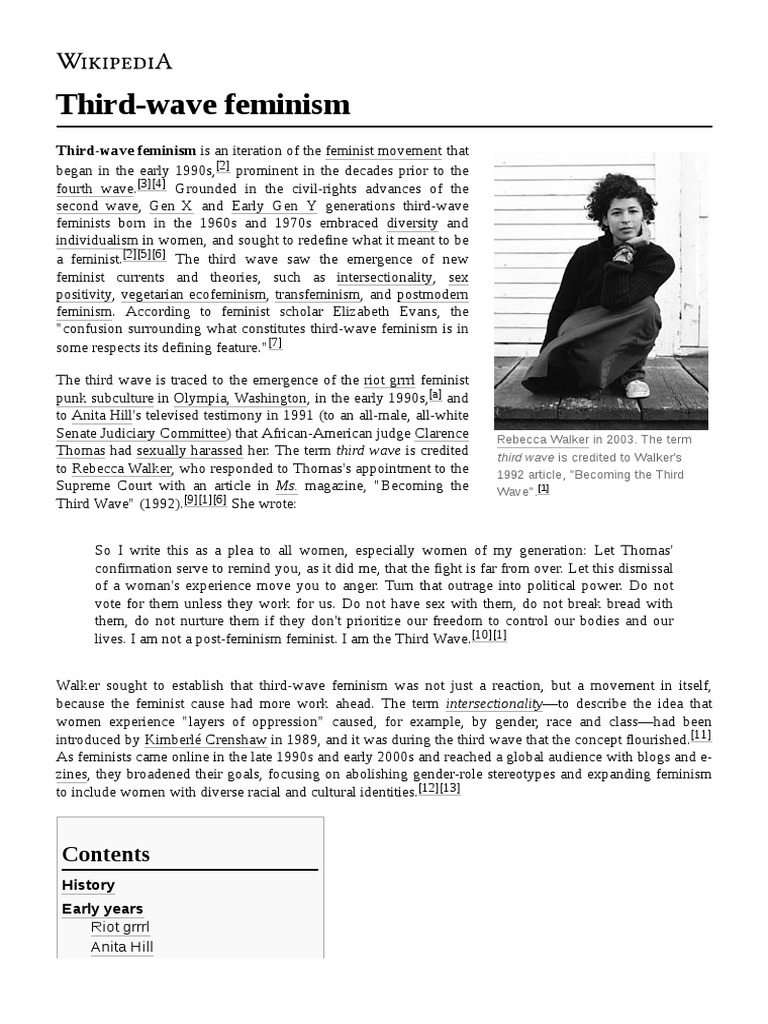
This divergence highlights the importance of intersectionality. The recognition that oppression is not a monolithic experience, but rather a complex web of intersecting identities. Black women, forced to navigate the complexities of both racism and sexism, often found themselves caught between two worlds. Their experiences served as a powerful reminder that true liberation requires a dismantling of all forms of oppression.
The concept of “identity politics,” often derided in contemporary discourse, was born out of this struggle. A recognition that lived experience matters, and that those who are most directly affected by oppression should be at the forefront of the fight for liberation.
V. Legacies and Lingering Battles: Where Do We Stand Today?
The Civil Rights Movement and the Feminist Movement achieved significant victories. Legal segregation was dismantled, and women gained greater access to education, employment, and political power. But these victories were not complete. Systemic racism and sexism continue to permeate our society, manifesting in everything from wage gaps to police brutality. The struggle for liberation is far from over.
Consider the disproportionate rates of incarceration for Black women, or the ongoing attacks on reproductive rights. These are not isolated issues; they are the legacies of a history of oppression. A history that continues to shape our present.
Today, we see a resurgence of activism, fueled by a new generation of feminists and civil rights activists who are committed to building a more just and equitable world. They are using social media to amplify marginalized voices, organizing protests against police brutality, and demanding systemic change. Their work is a testament to the enduring power of these movements.
VI. Rekindling the Flame: A Call to Intersectional Action
The lessons of the past are clear: true liberation requires a dismantling of all forms of oppression. We must reject the false dichotomy between Feminism and the Civil Rights Movement, and instead embrace an intersectional approach that recognizes the interconnectedness of all struggles. We must listen to the voices of those who are most marginalized, and we must stand in solidarity with all who are fighting for justice.
The challenge is not just to acknowledge the shared struggles and shared victories of the past, but to build upon them. To create a future where all people are free from oppression, where all voices are heard, and where all are treated with dignity and respect. This is not a utopian dream; it is a achievable goal, but only if we are willing to fight for it. Are you ready to light that fire?






Leave a Comment