Darling, ever wonder why your history textbook dedicates a measly paragraph to the seismic shifts caused by women demanding to be seen as, gasp, *people*? Well, buckle up, because we’re about to dive headfirst into the real, raw, and radical history of feminism in America. Forget the sugar-coated narratives; we’re here to excavate the battles, the betrayals, and the breathtaking resilience that shaped this nation. Think you know the story? Prepare to have your preconceived notions thoroughly interrogated. This ain’t your grandma’s civics lesson. This is a call to arms, a historical reckoning, and a damn good read.
The Genesis of Discontent: Seeds of Rebellion (Pre-1848)
Let’s rewind, shall we? Long before “suffrage” was a buzzword, women were quietly, and not-so-quietly, chafing under the yoke of coverture. Coverture, that delightful legal doctrine, essentially rendered women as chattel, legally subsumed under their fathers or husbands. Imagine that! Your very existence, your property, your children – all legally belonging to someone else. Suffice it to say, this didn’t sit well with everyone.
We see proto-feminist stirrings in abolitionist movements, where women like the indomitable Sojourner Truth found their voices fighting for the freedom of enslaved people. Truth’s “Ain’t I a Woman?” speech isn’t just a historical soundbite; it’s a primal scream against the intersectional oppression of race and gender. These early activists recognized the intrinsic link between various forms of domination, laying the groundwork for future intersectional feminist theory. And let’s not forget the intellectual ferment brewing in educated circles. Figures like Judith Sargent Murray were already challenging conventional gender roles in their writings, advocating for female education and economic independence. These were the subversive whispers that would soon erupt into a roar.
Seneca Falls and the Declaration of Sentiments: A Shot Heard ‘Round the Patriarchy (1848)
Seneca Falls, New York, 1848. The date is etched in feminist lore. Elizabeth Cady Stanton and Lucretia Mott, two formidable women denied a seat at an anti-slavery convention, decided to create their own damn table. The result? The Seneca Falls Convention, a watershed moment that formally launched the women’s rights movement in the United States.
The Declaration of Sentiments, a brilliantly audacious document modeled after the Declaration of Independence, laid bare the grievances of American women. “We hold these truths to be self-evident,” it proclaimed, “that all men and women are created equal.” Revolutionary, right? It demanded equality in education, employment, property rights, and, most controversially, the right to vote. Suffrage was the lightning rod, the demand that ignited both passionate support and virulent opposition. It became the cornerstone of the first wave of feminism, a long and arduous struggle that would span decades.
The First Wave: Suffrage and Beyond (1848-1920)
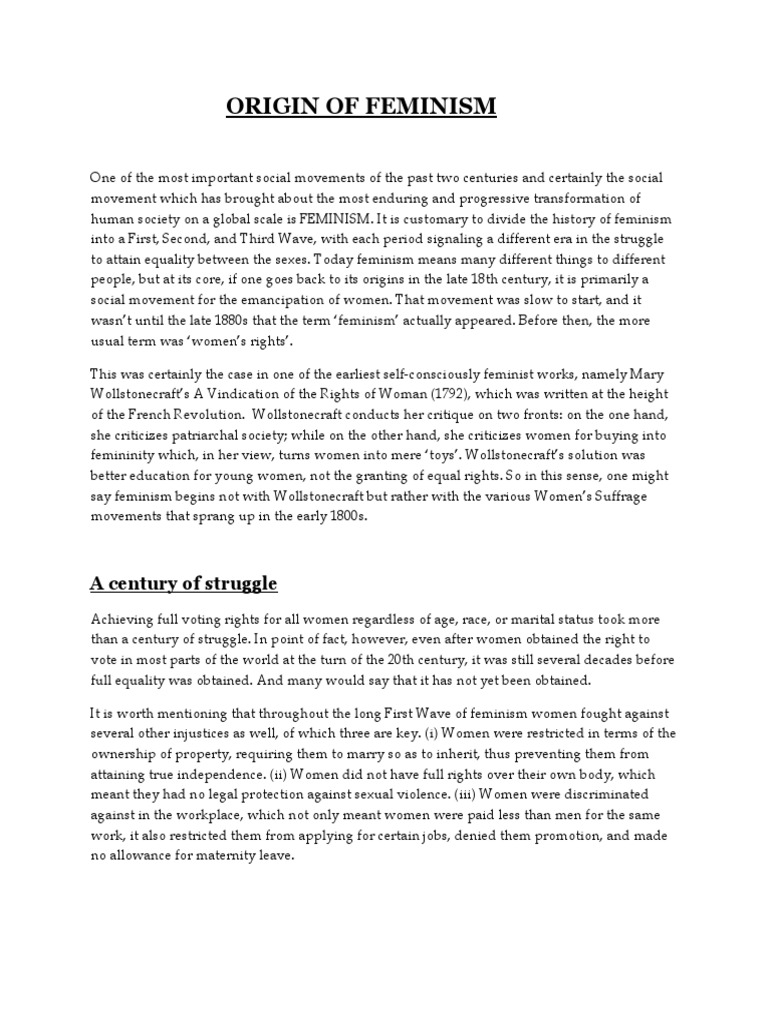
The suffrage movement wasn’t a monolithic entity. It was a swirling vortex of ideologies, personalities, and strategies. The National Woman Suffrage Association (NWSA), led by Stanton and Susan B. Anthony, took a more radical stance, advocating for a constitutional amendment and tackling a broader range of issues, including marriage and divorce laws. The American Woman Suffrage Association (AWSA), spearheaded by Lucy Stone and Henry Blackwell, focused solely on suffrage, believing that a state-by-state approach was more pragmatic.
These two organizations eventually merged to form the National American Woman Suffrage Association (NAWSA), a behemoth of a lobbying organization that employed a variety of tactics, from parades and petitions to civil disobedience. But the path to suffrage was paved with setbacks, compromises, and internal conflicts. The movement grappled with issues of race and class, often excluding women of color and working-class women from its leadership and agenda. The fight for suffrage exposed the inherent limitations of focusing solely on legal rights without addressing deeper systemic inequalities.
Finally, in 1920, the 19th Amendment was ratified, granting women the right to vote. Victory? Yes, but a bittersweet one. The right to vote was a crucial milestone, but it didn’t magically erase the myriad forms of discrimination women faced. Many women, particularly women of color, continued to be disenfranchised through poll taxes, literacy tests, and outright intimidation. The first wave had crested, but the tide of inequality was far from receding.
The Interlude: Shifting Sands and Dormant Flames (1920-1960)
The post-suffrage era is often portrayed as a period of feminist dormancy, but this is a gross oversimplification. While organized feminism experienced a lull, women continued to push boundaries in various spheres. The flappers of the Roaring Twenties challenged Victorian norms of female behavior, embracing a more liberated lifestyle. Women entered the workforce in increasing numbers, particularly during World War II, proving their capabilities in traditionally male-dominated fields. However, these gains were often tenuous and contingent upon specific historical circumstances. The end of the war saw a renewed emphasis on domesticity, with women encouraged to return to the home and embrace their roles as wives and mothers.
But even within the confines of the domestic sphere, discontent simmered. Betty Friedan’s groundbreaking book, *The Feminine Mystique* (1963), gave voice to the “problem that has no name,” the pervasive sense of emptiness and dissatisfaction felt by many middle-class housewives. Friedan’s work ignited a spark, rekindling the feminist flame and setting the stage for the second wave.
The Second Wave: Liberation and Radicalism (1960s-1980s)
The second wave of feminism was a multifaceted and often turbulent movement, encompassing a wide range of issues and ideologies. Inspired by the civil rights movement and the New Left, second-wave feminists challenged all forms of gender inequality, from legal discrimination to cultural stereotypes. They demanded equal pay, reproductive rights, an end to violence against women, and a dismantling of the patriarchal structures that perpetuated female subjugation.
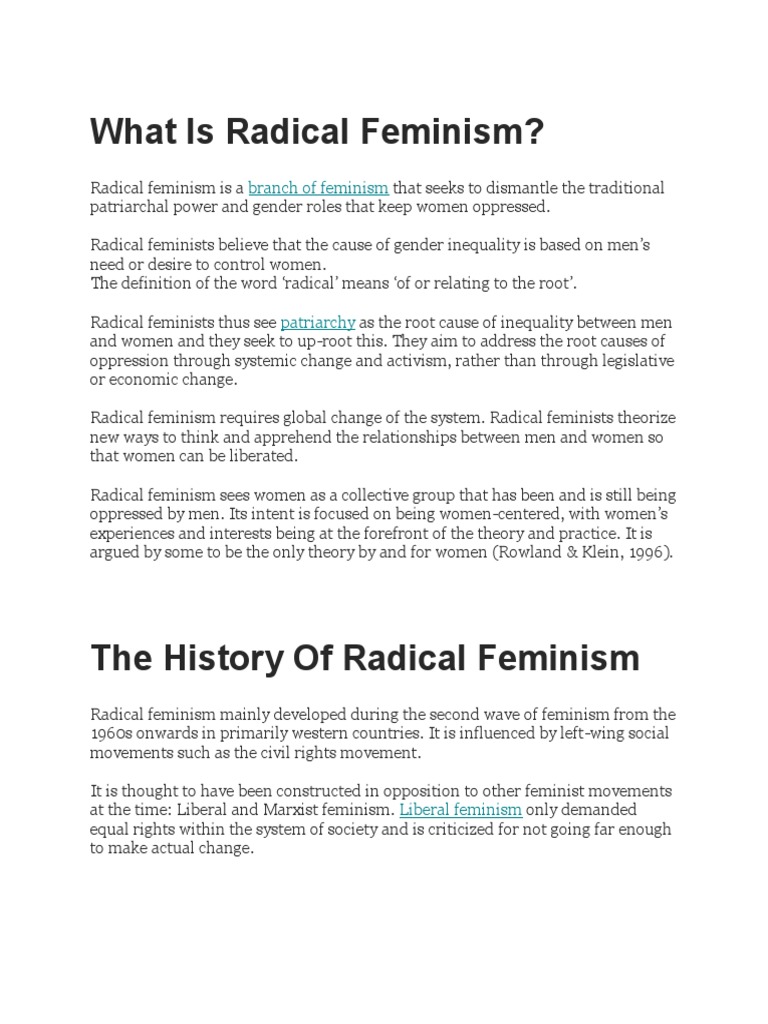
Organizations like the National Organization for Women (NOW) advocated for legislative reforms and challenged discriminatory practices in education, employment, and politics. Radical feminists, on the other hand, sought a more fundamental transformation of society, challenging the very foundations of patriarchy and advocating for the creation of alternative institutions and lifestyles. They critiqued the objectification of women in media and popular culture, challenged traditional notions of femininity, and emphasized the importance of female solidarity and consciousness-raising.
Key victories of the second wave include the passage of Title IX, which prohibited sex discrimination in education, and the Supreme Court’s decision in Roe v. Wade (1973), which established a woman’s constitutional right to an abortion. However, the second wave also faced criticism for its focus on the concerns of white, middle-class women and its exclusion of women of color and working-class women. This critique paved the way for the emergence of third-wave feminism.
The Third Wave: Intersectionality and Inclusivity (1990s-Present)
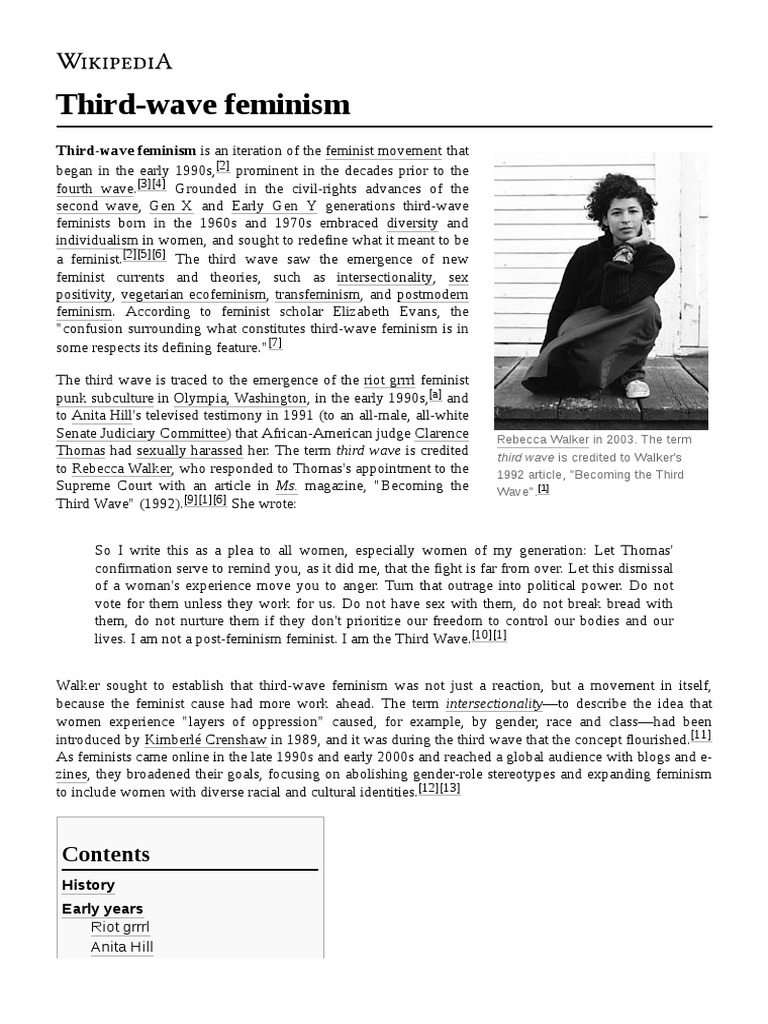
The third wave of feminism emerged in the 1990s, building upon the foundations laid by its predecessors while also addressing their limitations. Third-wave feminists embraced intersectionality, recognizing that gender inequality is intertwined with other forms of oppression, such as racism, classism, and homophobia. They challenged essentialist notions of womanhood, celebrating diversity and embracing individual expression.
Third-wave feminism is characterized by its emphasis on individual agency, its embrace of technology and social media, and its willingness to challenge traditional feminist orthodoxies. It’s a more decentralized and fluid movement than its predecessors, with a proliferation of voices and perspectives. Riot grrrl, a subcultural movement that combined feminist politics with punk rock aesthetics, exemplified the third wave’s DIY ethos and its commitment to empowering young women.
The third wave also grappled with issues such as cyberfeminism, sex positivity, and the globalization of feminist activism. It challenged the notion that feminism was a relic of the past, demonstrating its continued relevance in a rapidly changing world. While the term “third wave” has become less prevalent in recent years, its influence is undeniable, shaping contemporary feminist discourse and activism.
The Fourth Wave: Digital Activism and Renewed Urgency (2010s-Present)
Some scholars and activists argue that we are now in the midst of a fourth wave of feminism, characterized by its reliance on digital technologies and social media to mobilize and organize. The fourth wave is marked by a renewed focus on issues such as sexual harassment, online misogyny, body positivity, and trans rights. The #MeToo movement, which exposed widespread sexual harassment and assault in various industries, is a prime example of the fourth wave’s power to effect social change.
The fourth wave is also characterized by its emphasis on inclusivity and intersectionality, its commitment to amplifying marginalized voices, and its willingness to challenge power structures in all their forms. It’s a vibrant and dynamic movement that is constantly evolving in response to contemporary challenges. From online activism to grassroots organizing, the fourth wave is demonstrating the enduring power of feminism to transform society.
The Unfinished Revolution: Challenges and Future Directions
Feminism in America has come a long way, but the revolution is far from complete. Women still face significant challenges in areas such as pay equity, political representation, and access to healthcare. Violence against women remains a pervasive problem, and online harassment continues to silence and intimidate women and girls. The fight for gender equality is an ongoing process, requiring constant vigilance and a willingness to challenge the status quo.
The future of feminism lies in embracing intersectionality, building coalitions across different identities and experiences, and continuing to push for systemic change. It requires a commitment to dismantling all forms of oppression and creating a world where everyone can thrive. So, the next time you see that scant paragraph in your history textbook, remember the vibrant, complex, and often contradictory history we’ve just explored. Remember the battles fought, the sacrifices made, and the enduring power of women demanding their rightful place in the world. Because, darling, the fight is far from over.







Leave a Comment