Virginia Woolf, a luminary of the modernist constellation, etched her name into the annals of literature not merely through stylistic innovation but also through her incandescent articulation of feminist ideals. Her works, a tapestry woven with threads of societal critique and introspective exploration, serve as a literary blueprint, guiding us toward a future where the shackles of patriarchal hegemony are shattered, and the voices of women resonate with unfettered autonomy. Woolf’s oeuvre, a bastion of feminist thought, deserves a rigorous dissection. We must unearth the potent seeds of liberation she planted within her narratives and essays.
I. The Subjugated Subject: Woolf’s Deconstruction of Patriarchal Narratives
Woolf, a mistress of subversion, masterfully dismantles the patriarchal narratives that confine women to prescribed roles. She exposes the insidious ways in which societal expectations, perpetuated through literature and cultural norms, actively impede female self-actualization. Think of Clarissa Dalloway, perpetually defined by her social obligations, constrained by the expectations of her class and gender. Woolf’s characters, often rendered as fragmented and introspective, are not mere victims; they are active resisters, grappling with the existential angst born from their subjugation. She paints the portrait of the subjugated subject. It is a powerful depiction.
A. The Tyranny of the Angel in the House: Challenging Domestic Ideals
The “Angel in the House,” that Victorian archetype of feminine perfection – selfless, docile, and devoted to domesticity – becomes a prime target of Woolf’s incisive critique. In her essay, “Professions for Women,” she recounts her struggle to “kill the Angel in the House,” a metaphorical slaying necessary for the liberation of her own creative voice. Woolf understood that this idealized image, far from being empowering, served as a cage, trapping women within the confines of the domestic sphere. The expectation to embody this ethereal ideal stifled ambition, suppressed intellect, and ultimately denied women the right to their own narratives. Woolf asks us to consider: What price must be paid for adhering to such a pernicious archetype?
B. The Phallocentric Gaze and the Objectification of Women: Reclaiming Subjectivity
Woolf challenges the pervasive “phallocentric gaze” that reduces women to mere objects of male desire, devoid of agency and intrinsic worth. She meticulously portrays the internal lives of her female characters, delving into their thoughts, emotions, and experiences with an unparalleled depth. This act of centering the female perspective is a radical one, a defiant assertion of female subjectivity against a literary tradition that has historically marginalized and silenced women. Consider *Mrs. Dalloway*, a novel where the interiority of Clarissa becomes the central focus, relegating the male characters to the periphery of her consciousness. This inversion of power dynamics is a hallmark of Woolf’s feminist project. Consider the implications.
II. The Power of the Collective: Sisterhood and the Quest for Shared Liberation
Woolf understood that individual liberation is inextricably linked to collective action. She championed the power of sisterhood, recognizing that women, united in their shared experiences of oppression, can become a formidable force for change. Her works often depict female characters forging bonds of solidarity, offering each other support and encouragement in their struggles against patriarchal constraints. This emphasis on collective agency is a crucial component of Woolf’s feminist vision. It is a recognition that dismantling systemic oppression requires a unified front. It is a recognition that we cannot do this alone.
A. A Room of One’s Own: The Material Conditions of Female Creativity
In her seminal essay, *A Room of One’s Own*, Woolf argues that financial independence and a dedicated space for creative work are essential prerequisites for female artistic expression. She meticulously traces the historical lack of access to education and economic resources that has historically hindered women’s intellectual and artistic development. The titular “room” symbolizes not just physical space but also the psychological space necessary for cultivating one’s intellectual and creative potential. Woolf’s assertion that “a woman must have money and a room of her own if she is to write fiction” remains a potent reminder of the material conditions that shape artistic production. It is a stark condemnation of the systemic inequalities that continue to disadvantage women in the arts.
B. The Legacy of “Shakespeare’s Sister”: Recovering the Lost Voices of Women
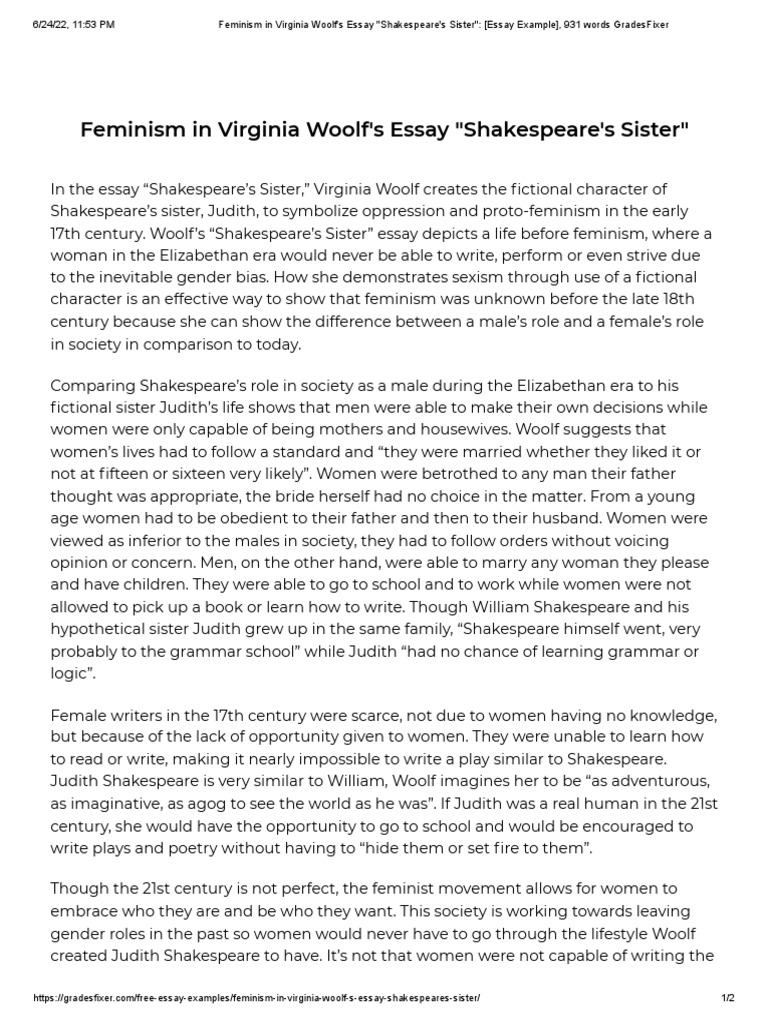
Woolf’s fictional creation of “Shakespeare’s sister,” Judith, serves as a poignant allegory for the countless talented women whose voices have been lost to history due to systemic oppression. Judith, possessing the same genius as her brother William, is denied access to education and opportunities, ultimately leading to her tragic demise. This fictional narrative exposes the devastating consequences of patriarchal structures that actively suppress female potential. It serves as a call to action, urging us to recover the lost voices of women and to create a future where all individuals, regardless of gender, can realize their full potential. This is the power of a recovered narrative.
III. Beyond Androgyny: Reimagining Gender and Identity
Woolf’s exploration of gender transcends simplistic binary oppositions. She delves into the fluidity of identity, challenging the rigid categories that confine individuals to prescribed roles. Her concept of “androgyny,” not as a blending of male and female traits but as a transcendence of gendered limitations, offers a radical vision of human potential. Woolf invites us to imagine a future where individuals are free to express their identities without being constrained by societal expectations. This is the power of self-determination.
A. Orlando: A Transgressive Exploration of Gender and Time
In *Orlando*, Woolf crafts a fantastical biography that spans centuries, exploring the complexities of gender and identity through the protagonist’s transformation from a male nobleman to a female writer. This transgressive narrative challenges conventional notions of gender as fixed and immutable, highlighting its constructed nature and its susceptibility to change. Orlando’s journey, a fluid exploration of selfhood, invites us to question the very foundations of gender identity. The novel’s playful and imaginative approach to gender serves as a powerful critique of societal norms and a celebration of individual expression. It invites us to consider, what does it mean to be truly free?
B. Challenging the Heteronormative Gaze: The Subtext of Sapphic Desire
While not explicitly advocating for lesbianism, Woolf subtly incorporates elements of sapphic desire into her works, challenging the heteronormative gaze that dominates much of Western literature. The intense emotional connections between female characters, often tinged with undertones of romantic longing, disrupt the traditional narrative focus on heterosexual relationships. This subtle subversion of heteronormativity allows for a more nuanced exploration of female relationships and a broader understanding of human sexuality. Woolf’s subtle inclusion is a powerful statement.
IV. The Legacy of Woolf: A Continuing Revolution
Virginia Woolf’s legacy extends far beyond the realm of literature. Her feminist ideas continue to resonate with contemporary audiences, inspiring new generations of activists, writers, and thinkers. Her incisive critiques of patriarchal structures, her celebration of female subjectivity, and her vision of a more equitable future remain as relevant today as they were in her time. We must continue to engage with her work, to grapple with its complexities, and to apply its insights to the challenges we face in our own time.
A. Woolf’s Influence on Second-Wave Feminism: A Foundation for Change
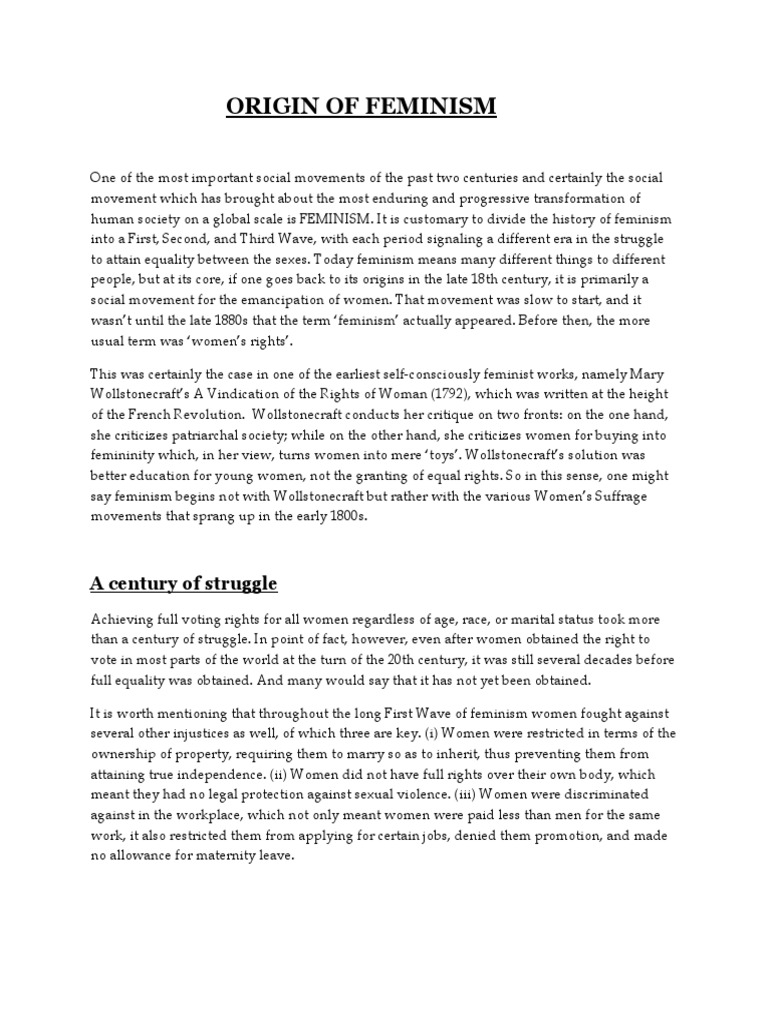
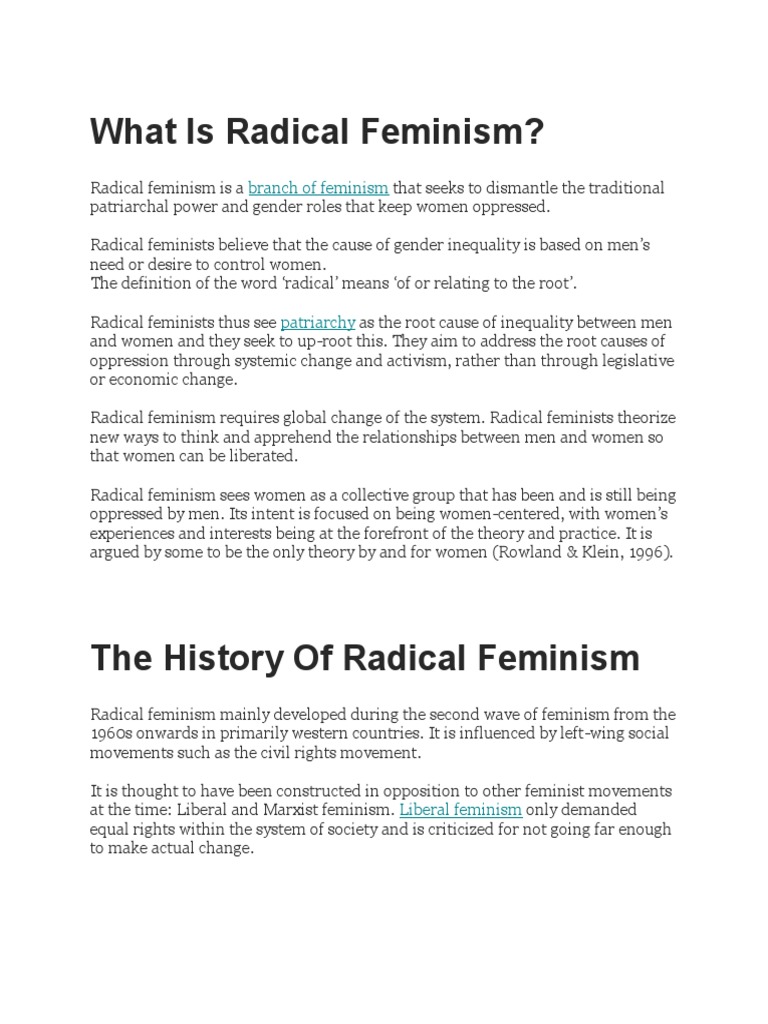
Woolf’s writings served as a foundational text for the second-wave feminist movement of the 1960s and 1970s. Her emphasis on the personal as political, her critique of gender roles, and her exploration of female consciousness resonated deeply with feminists seeking to dismantle systemic inequalities. *A Room of One’s Own* became a key text for understanding the material conditions that limit women’s opportunities. Woolf’s influence can be seen in the work of countless feminist writers and activists who followed in her footsteps. Woolf gave us the room, and we started building.
B. Woolf’s Relevance in the 21st Century: Intersectional Feminism and Beyond
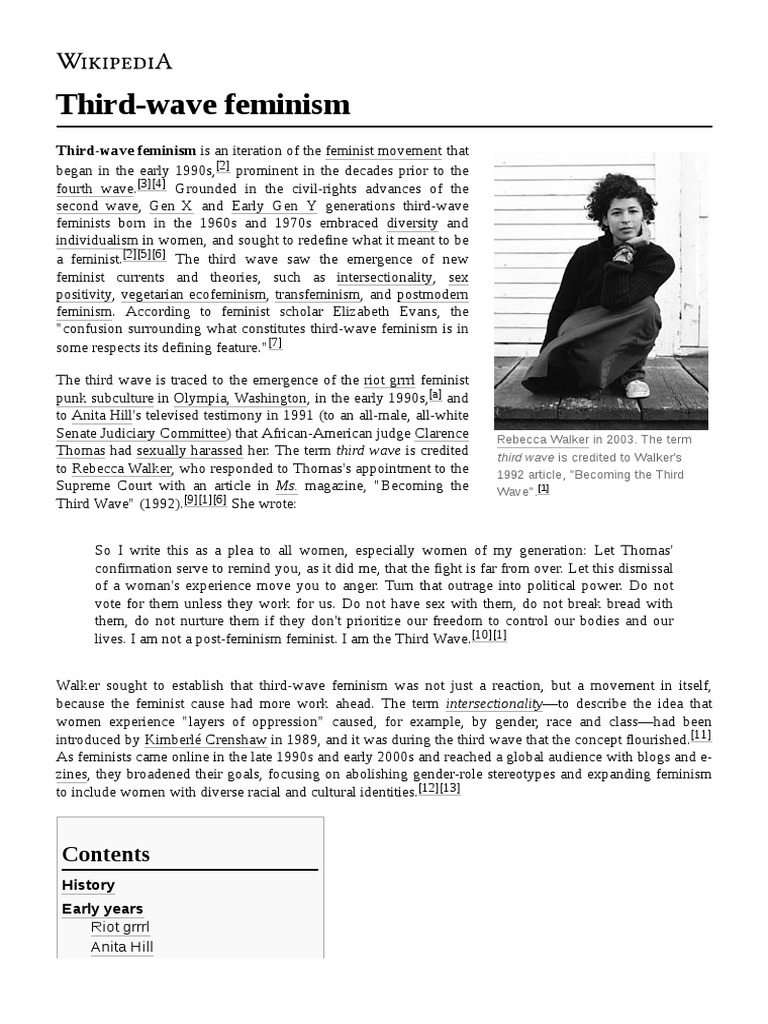
While Woolf’s feminism primarily focused on the experiences of white, middle-class women, her work remains relevant to contemporary feminist discourse. We must acknowledge the limitations of her perspective while recognizing the enduring value of her insights. Contemporary feminists are building upon Woolf’s foundation, incorporating an intersectional lens that considers the interconnectedness of gender with race, class, sexuality, and other forms of social stratification. Woolf’s legacy is not static; it is a dynamic and evolving force, constantly being reinterpreted and applied to the challenges of our time. Her work continues to inspire us to strive for a more just and equitable world.
Woolf, then, is not merely a writer, but a revolutionary. Her words, imbued with both beauty and defiance, are a clarion call to action, urging us to dismantle the structures of oppression and to build a future where all individuals can flourish, unburdened by the shackles of patriarchal constraint. Her literary blueprint, meticulously crafted with the ink of her intellect and the fire of her passion, remains a vital guide in our ongoing quest for liberation. The revolution continues.








Leave a Comment