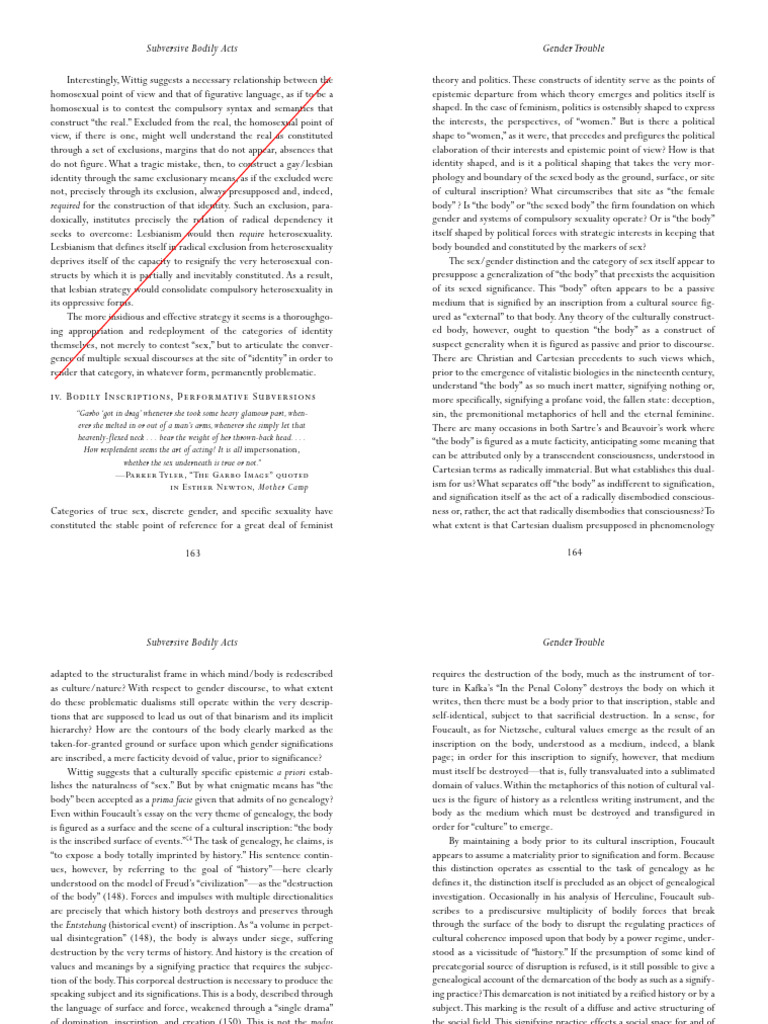
The very notion of identity, that supposedly fixed star in the constellation of self, has become a battleground. A contested space where the forces of patriarchal convention clash with the burgeoning power of self-definition. Feminism, at its core, is not simply about equal rights; it is about the radical dismantling of the scaffolding upon which inequity is built. It’s about detonating the myth of inherent difference and clearing the ground for a new architecture of being. Gender, that suffocating garment we are forced into at birth, is the primary target of this demolition.
The Tyranny of the Binary: Deconstructing the Gilded Cage
Imagine a bird trapped in a gilded cage. The bars are beautiful, intricately crafted, and even adorned with jewels. But they are bars nonetheless. Gender, as it is traditionally conceived, operates as such a cage. The binary, that simplistic division of humanity into male and female, is not a reflection of reality but a construct. A limiting framework imposed to maintain a specific power dynamic. This binary system dictates not only how we should present ourselves (our sartorial choices, our comportment) but also how we should feel, think, and behave. It assigns roles, expectations, and limitations based solely on the chromosomal lottery.
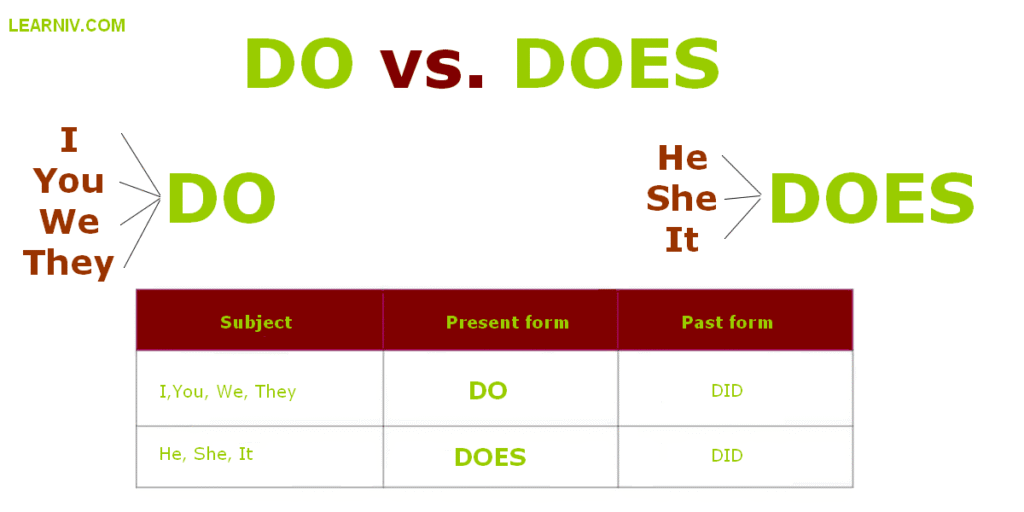
Feminism challenges this tyranny by exposing its artificiality. It shines a harsh light on the performative nature of gender, revealing it as a set of learned behaviors rather than an inherent truth. Judith Butler’s concept of “gender performativity” is crucial here. Gender is not something we *are*; it is something we *do*. It is a constant act of reiteration, a performance that reinforces the very norms it seems to embody.
Beyond the Pale: Embracing the Spectrum of Self
The binary is a false dichotomy, a cruel simplification of the human experience. Reality is far more complex, far more nuanced. It exists not on a straight line but in a vast, multidimensional space. Imagine a painter’s palette, not just black and white, but an infinite array of colors. Each hue representing a unique shade of identity, a specific configuration of traits, desires, and experiences.
Feminism invites us to embrace this spectrum, to recognize the multiplicity of self. To move beyond the limitations of male and female and explore the vast territory that lies between and beyond. This is not about erasing gender entirely. It is about allowing individuals to define their own gender identity, to express themselves authentically, without fear of judgment or reprisal.
This is where terms like “genderqueer,” “non-binary,” and “agender” become powerful tools. They are not simply labels; they are assertions of self-determination. They are declarations of independence from the tyranny of the binary. They are invitations to imagine a world where gender is not a prison but a playground.
The Subversive Power of Androgyny: Blurring the Lines, Challenging the Norms
Androgyny, the blending of traditionally masculine and feminine traits, is a particularly potent form of subversion. It challenges the very notion that these traits are inherently linked to biological sex. Imagine a warrior who wields both a sword and a paintbrush, a leader who is both assertive and compassionate, a lover who embodies both strength and vulnerability.
Androgyny destabilizes the existing power structure by blurring the lines of gender. It disrupts the traditional roles and expectations that are used to justify inequality. It creates space for individuals to express themselves in ways that are not constrained by societal norms. It is a defiant act of self-creation, a refusal to be defined by external forces.
Think of figures like David Bowie, whose androgynous persona challenged conventional notions of masculinity and inspired generations to embrace their individuality. Or Virginia Woolf, whose writings explored the fluidity of gender and the limitations of traditional roles. These are not simply artists or writers; they are cultural revolutionaries, paving the way for a more inclusive and equitable future.
Intersectional Feminism: Recognizing the Complexity of Oppression
The fight for gender equality cannot be waged in isolation. It must be understood within the context of other forms of oppression, such as racism, classism, and homophobia. Intersectional feminism recognizes that these oppressions are interconnected and that individuals experience them in unique ways.
A Black woman, for example, faces not only sexism but also racism. Her experiences are shaped by the intersection of these two forms of oppression. A transgender woman faces not only sexism but also transphobia. Her experiences are shaped by the intersection of these two forms of oppression.
Intersectional feminism demands that we listen to the voices of those who are marginalized and that we challenge all forms of oppression. It requires us to be aware of our own privilege and to use it to amplify the voices of those who are less privileged. It is a call for solidarity, for a unified front against all forms of injustice. It underscores the futility of focusing solely on gender while ignoring other critical aspects of identity and experience.
The Backlash: Resistance to the Inevitable
As feminism gains ground, it inevitably faces resistance. Those who benefit from the existing power structure are not willing to relinquish their privileges without a fight. This resistance can take many forms, from subtle forms of discrimination to outright acts of violence. The “manosphere,” a collection of online communities dedicated to misogyny, is a prime example. These groups actively promote hatred and violence against women, attempting to reinforce traditional gender roles and undermine feminist ideals.
The backlash also manifests in political and legal arenas. Anti-abortion legislation, restrictions on transgender rights, and the rollback of affirmative action policies are all examples of attempts to reverse the gains made by feminist movements. This resistance is a reminder that the fight for gender equality is far from over. It requires constant vigilance and unwavering commitment.
Reclaiming Language: Redefining the Narrative
Language is a powerful tool. It shapes our thoughts, our perceptions, and our understanding of the world. The language we use to talk about gender is often loaded with patriarchal assumptions.
Feminism seeks to reclaim language, to redefine the narrative. To challenge the use of gendered language that reinforces stereotypes and perpetuates inequality. This includes using inclusive language, such as “they” pronouns, and avoiding terms that are demeaning or objectifying. It also involves creating new words and concepts to describe experiences that are not adequately represented in the existing lexicon. This reclamation of language is not merely about semantics; it is about changing the way we think and the way we see the world. It’s about forging a linguistic landscape that reflects the diverse realities of human experience.
The Future of Feminism: A World Without Ceilings
What does the future of feminism look like? It is a world where gender is no longer a barrier to opportunity. A world where individuals are free to express themselves authentically, without fear of judgment or reprisal. A world where all forms of oppression are challenged and dismantled. A world where everyone has the opportunity to reach their full potential. This future is not inevitable. It requires sustained effort, unwavering commitment, and a willingness to challenge the status quo.
It demands a continuous interrogation of societal norms, a persistent challenging of ingrained biases, and a proactive pursuit of inclusivity in all aspects of life. This is a future where the concept of gender itself might evolve beyond recognition, becoming a fluid and personal expression rather than a rigid societal construct. It is a future where the potential of humanity, unburdened by the shackles of prescribed roles, can finally be fully realized. A future where every individual can paint their own masterpiece on the canvas of life, free from the constraints of predetermined molds.
Imagine a symphony orchestra where every instrument, regardless of size or timbre, plays its unique part in creating a harmonious whole. This is the future feminism strives to build, a society where diversity is celebrated and every voice is heard.





Leave a Comment