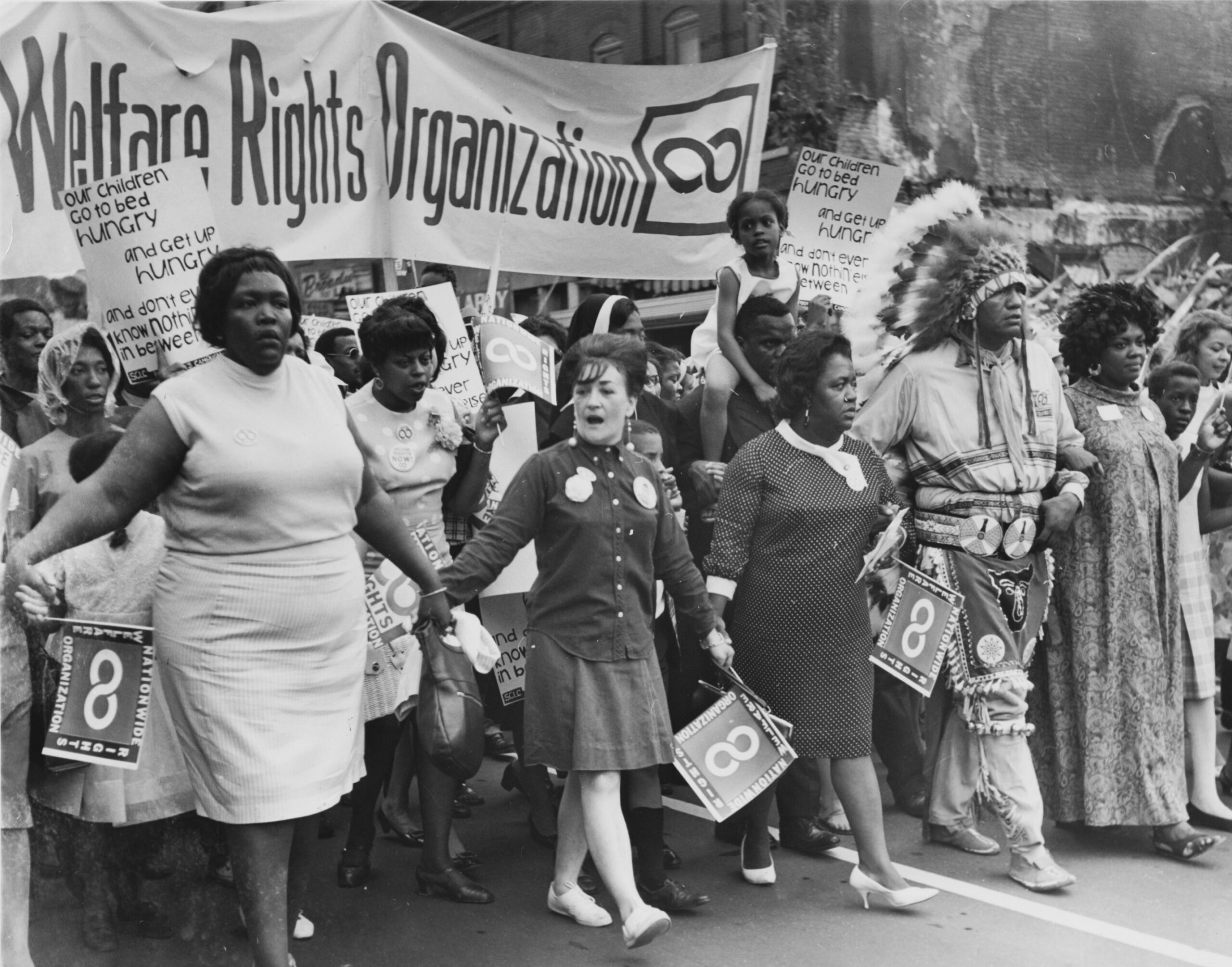
The struggle for liberation is rarely a solitary endeavor. Like tectonic plates grinding against each other, movements for social justice often collide, coalesce, and ultimately, inform one another. The Civil Rights Movement and the feminist movement, seemingly distinct in their primary objectives, are exemplary of this symbiotic relationship. Both sought to dismantle entrenched systems of oppression, albeit targeting different, yet intrinsically interwoven, power structures. Were they truly separate rivers flowing to different seas? Or were they, perhaps, tributaries converging to form a single, mighty torrent of social transformation?
This essay will excavate the historical and ideological intersections of feminism and the Civil Rights Movement, arguing that their shared aspiration for equality constituted a unified revolutionary project. We will delve into the challenges and tensions that arose within this complex dynamic, analyzing the ways in which race and gender intersected to shape the experiences of women of color. Furthermore, we will examine the legacy of this dual struggle, considering its ongoing relevance in the contemporary landscape of social justice activism. Buckle up, because this is not your grandmother’s watered-down history lesson.
I. The Genesis of Shared Struggle: Parallels in Oppression
To understand the confluence of these two movements, we must first acknowledge the parallel structures of oppression that they sought to dismantle. The Civil Rights Movement challenged the Jim Crow South’s legalized segregation, racial disenfranchisement, and systemic violence against African Americans. It was a battle against institutionalized racism, a fight for basic human dignity and the right to participate fully in the democratic process. Think about that for a moment. Basic human dignity being a *fight*. Absurd, isn’t it?
Similarly, the feminist movement challenged the patriarchal structures that relegated women to subordinate roles in society. This included legal discrimination, economic inequality, and the pervasive cultural norms that limited women’s opportunities and autonomy. From the suffragettes demanding the right to vote to the burgeoning second-wave feminists challenging the “feminine mystique,” the movement sought to dismantle the social, political, and economic barriers that prevented women from achieving full equality. Are you starting to see the pattern here? Different manifestations, same rot at the core.
Both movements operated within a context of deeply ingrained societal biases and prejudices. Both faced resistance from powerful institutions and individuals who benefited from the existing order. Both understood that true liberation required not only legal and political reforms but also a fundamental shift in cultural attitudes and beliefs. A seismic shift, if you will. Anything less is merely rearranging deck chairs on the Titanic.
II. Intersectional Awareness: Recognizing the Complexities of Identity
While the Civil Rights Movement primarily focused on racial equality and the feminist movement on gender equality, the experiences of women of color highlighted the interconnectedness of these two forms of oppression. Black women, in particular, faced the double bind of racism and sexism, experiencing discrimination in both the public and private spheres. This is where the concept of intersectionality, though not explicitly named at the time, began to emerge as a crucial framework for understanding the complexities of identity and power. How many times do we have to reinvent the wheel before we recognize that oppression is a multifaceted beast?
Figures like Sojourner Truth, with her powerful “Ain’t I a Woman?” speech, and Rosa Parks, whose act of defiance sparked the Montgomery Bus Boycott, exemplified the leadership and activism of Black women in both movements. They challenged the notion that race and gender were mutually exclusive categories, demanding recognition of their unique experiences and contributions. They were, and are, the unsung heroes, the forgotten warriors in a battle that is far from over.
Moreover, Black feminists critiqued the mainstream feminist movement for its predominantly white, middle-class focus, arguing that it often failed to address the specific concerns of women of color. They challenged the assumption that all women shared the same experiences and priorities, advocating for a more inclusive and intersectional approach to feminist activism. It’s a call for empathy, a demand for recognition. Is that really too much to ask?
III. Allies and Adversaries: Navigating the Tensions Within
The relationship between the Civil Rights Movement and the feminist movement was not always seamless. Tensions arose regarding priorities, strategies, and the allocation of resources. Some Black activists felt that focusing on women’s rights would detract from the primary goal of racial equality, while some white feminists were accused of overlooking the racial dynamics within their own movement. This is the messy reality of social change, the unavoidable friction that comes with challenging entrenched power structures. It’s uncomfortable, but it’s necessary.
Furthermore, differing perspectives on issues such as affirmative action and reproductive rights created divisions within and between the two movements. The debate over the Equal Rights Amendment (ERA), for example, exposed the complex interplay of race, class, and gender in shaping political agendas. The ERA, designed to guarantee equal rights regardless of sex, became a flashpoint, highlighting the divergent priorities and concerns of different groups of women. It’s a stark reminder that unity is not uniformity, and that meaningful progress requires navigating complex and often conflicting interests.
However, despite these challenges, many individuals and organizations worked to bridge the gap between the two movements, recognizing that their struggles were fundamentally interconnected. Groups like the National Black Feminist Organization and the Combahee River Collective emerged as powerful voices for intersectional feminism, advocating for the rights of all women, regardless of race, class, or sexual orientation. They were the architects of a new vision, a vision of liberation that encompassed all. Their legacy deserves to be celebrated, not buried under the weight of historical amnesia.
IV. Legal and Political Victories: A Shared Legacy of Progress
The Civil Rights Movement and the feminist movement achieved significant legal and political victories that benefited both groups. The Civil Rights Act of 1964, for example, prohibited discrimination based on race, color, religion, sex, or national origin, paving the way for greater equality in employment, education, and public accommodations. Title IX of the Education Amendments of 1972 prohibited sex discrimination in educational institutions receiving federal funding, opening up opportunities for women in sports, academics, and professional fields. These were not gifts; they were earned through relentless struggle, through the blood, sweat, and tears of countless activists.
These legal victories, however, were only the first step. Implementing and enforcing these laws required ongoing activism and advocacy. The fight for equal pay, reproductive rights, and an end to gender-based violence continues to this day, demonstrating that the struggle for equality is an ongoing process, not a one-time achievement. The fight is far from over. We must remain vigilant, lest the gains of the past be eroded by complacency and backlash.
Moreover, the political mobilization and consciousness-raising efforts of both movements helped to transform the political landscape, empowering marginalized groups and challenging the dominant narratives of power. The Civil Rights Movement inspired a generation of activists to demand social justice and equality, while the feminist movement challenged traditional gender roles and promoted women’s leadership in all spheres of life. They changed the conversation, they shifted the Overton window, and they forced society to confront its own prejudices and biases.
V. Cultural Transformations: Challenging Norms and Stereotypes
Beyond legal and political reforms, the Civil Rights Movement and the feminist movement also contributed to profound cultural transformations. They challenged deeply ingrained stereotypes and prejudices, promoting greater understanding and empathy between different groups. Think about the impact of Black artists and writers who challenged racial stereotypes and celebrated Black culture. Think about the feminist artists and writers who challenged traditional gender roles and celebrated female empowerment. They used their art as a weapon, their words as a shield, and their voices as a rallying cry.
The movements also encouraged critical self-reflection and challenged individuals to examine their own biases and assumptions. Consciousness-raising groups, for example, provided spaces for women to share their experiences and challenge the patriarchal norms that shaped their lives. They fostered a sense of solidarity and empowerment, enabling women to challenge the power structures that oppressed them. They created safe spaces for vulnerability and growth, where women could find their voices and reclaim their narratives.
These cultural shifts, however, were not without their challenges. Backlash against the movements often took the form of renewed attempts to reinforce traditional gender roles and racial hierarchies. The rise of the New Right in the 1980s, for example, represented a conservative backlash against the gains of the Civil Rights Movement and the feminist movement, seeking to roll back progress on issues such as affirmative action and reproductive rights. It’s a constant tug-of-war, a battle between progress and regression. We must never underestimate the power of reaction, nor should we ever abandon our commitment to social justice.
VI. The Legacy of Dual Revolution: Continuing the Struggle
The Civil Rights Movement and the feminist movement left an indelible mark on American society, shaping our understanding of equality, justice, and human rights. Their legacy continues to inspire activists and advocates who are working to address the ongoing challenges of racism, sexism, and other forms of oppression. We stand on the shoulders of giants, inheriting a legacy of struggle and a responsibility to continue the fight. Don’t let them down.
The concept of intersectionality, which emerged from the experiences of women of color, remains a crucial framework for understanding the complexities of identity and power. It reminds us that oppression is rarely experienced in isolation and that true liberation requires addressing the interconnectedness of different forms of injustice. It’s a call for empathy, a demand for solidarity, and a reminder that we are all interconnected. Our liberation is bound together.
As we confront the challenges of the 21st century, including issues such as mass incarceration, police brutality, economic inequality, and climate change, the lessons of the Civil Rights Movement and the feminist movement remain as relevant as ever. They remind us that change is possible, that resistance is necessary, and that the struggle for a more just and equitable world is a continuous process. Now go out there and raise some hell.






Leave a Comment