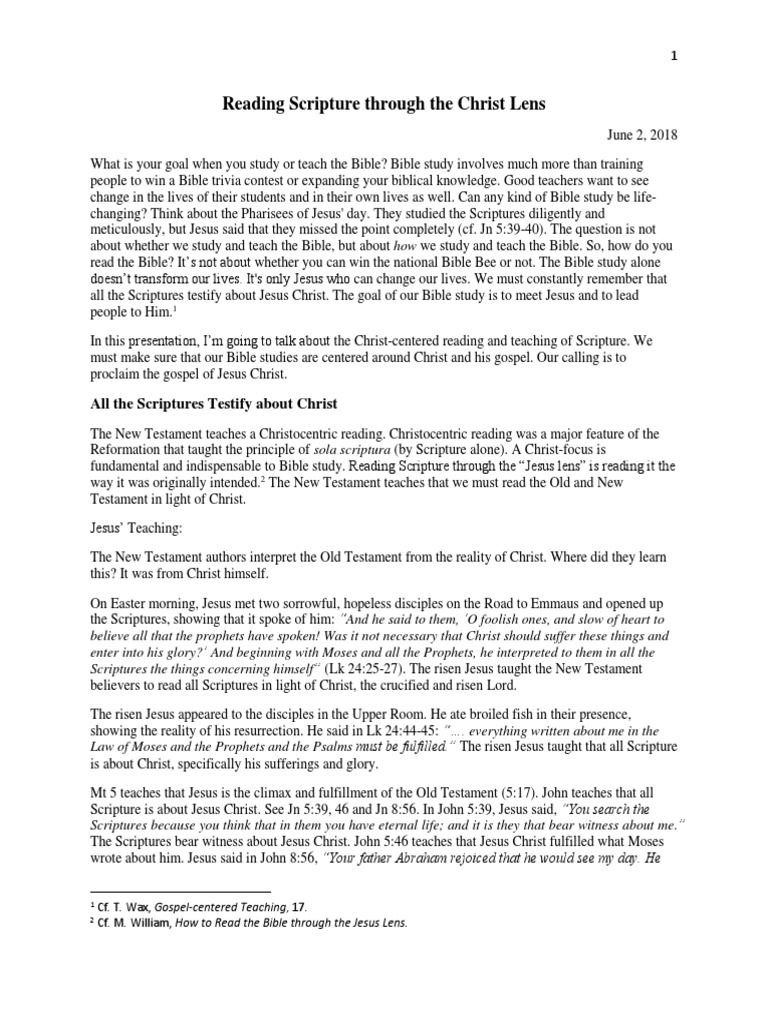
The Bible. An ancient, patriarchal text. A cornerstone of Western civilization, riddled with contradictions and, seemingly, an endless source of ammunition for those who would seek to subjugate women. And yet, feminists – radical, intersectional, unapologetic feminists – keep coming back to it. Why? This apparent paradox, this seemingly masochistic engagement with a text so deeply implicated in systems of oppression, is precisely where the fascinating, and infuriating, work begins.
It’s a question that bristles with inherent complexities. Is it a desperate attempt to reclaim agency from within a structure designed to deny it? A fool’s errand, chasing liberation in a cage of dogmatic pronouncements? Or is it something altogether more nuanced, a recognition that even within the iron grip of patriarchal authorship, whispers of resistance, seeds of female empowerment, and narratives of marginalized voices can be unearthed and amplified?
The truth, as always, is multifaceted. The allure of engaging with scripture from a feminist perspective is not merely a sentimental attachment to tradition, nor is it a naive belief in the inherent goodness of a divinely inspired text. It is, rather, a strategically subversive act. A dismantling of power structures, word by word, verse by verse. A refusal to let the dominant narrative have the final say.
I. The Patriarchal Architecture: Deconstructing the Dominant Narrative
Before any attempt at reclamation can begin, we must first confront the monumental task of dismantling the patriarchal architecture upon which the Bible is built. This is not a gentle critique; it is a full-frontal assault on the inherent biases that permeate the text. From the creation myth where Eve is fashioned from Adam’s rib (a blatant assertion of male primacy), to the ubiquitous portrayal of women as property, temptresses, or silent observers, the Bible reeks of misogyny.
Consider, for example, the laws concerning adultery. A man can commit adultery with an unmarried woman with relatively minor repercussions, while a married woman’s adultery is punishable by death. This blatant double standard, enshrined in holy writ, speaks volumes about the perceived value of women within this societal framework. Women are commodities, their bodies the property of their husbands, their worth measured solely by their fidelity.
Furthermore, the overwhelming silence of female voices within the biblical narrative is deafening. When women do speak, their words are often filtered through the male gaze, their stories framed within a patriarchal context. Even seemingly powerful figures like Deborah or Esther are ultimately judged by their ability to serve male interests or to maintain the established order. Their agency, if it exists at all, is carefully circumscribed.
II. Echoes of Resistance: Unearthing Subversive Narratives
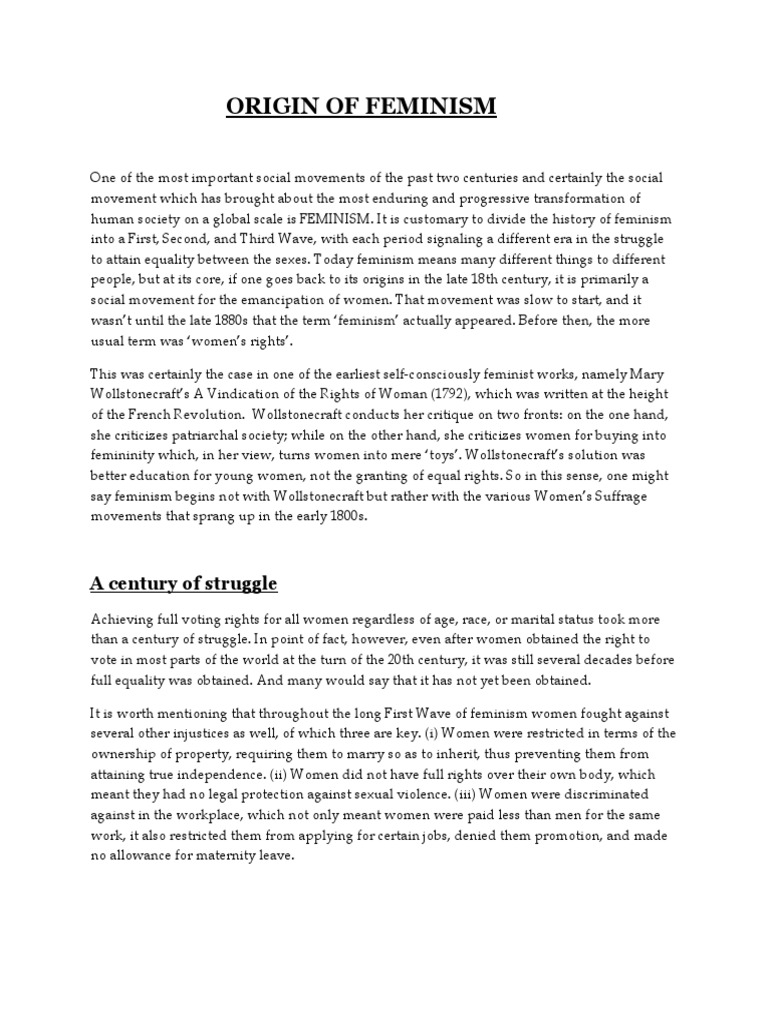
And yet, amidst this bleak landscape of patriarchal oppression, faint echoes of resistance can be discerned. By engaging in meticulous textual analysis and employing a hermeneutic of suspicion, feminists have begun to unearth subversive narratives that challenge the dominant paradigm.
Take, for instance, the story of Hagar, the Egyptian slave who is cast out into the wilderness with her son Ishmael. Traditionally, Hagar is depicted as a disruptive force within Abraham’s household, a threat to the patriarchal lineage. However, a feminist reading reveals a powerful narrative of survival, resilience, and divine intervention. Hagar, abandoned and alone, receives a direct revelation from God, who promises to make her son a great nation. This is not a passive victim; this is a woman who claims her agency in the face of unimaginable hardship.
Similarly, the story of the daughters of Zelophehad, who successfully petition Moses for the right to inherit their father’s land, offers a compelling challenge to the patriarchal laws of inheritance. These women, acting collectively and strategically, disrupt the established order and demand recognition of their rights. Their story is a testament to the power of female solidarity and a harbinger of future struggles for gender equality.
These are not isolated incidents; they are glimpses into a hidden history of female agency and resistance. By amplifying these marginalized voices and reinterpreting their stories through a feminist lens, we can begin to challenge the monolithic narrative of patriarchal dominance.
III. The Ethics of Interpretation: Navigating the Minefield of Modernity
However, the task of reinterpreting scripture is fraught with ethical complexities. How do we reconcile the inherent contradictions within the text? How do we navigate the minefield of historical context and cultural biases? How do we ensure that our interpretations are not simply projections of our own modern sensibilities onto an ancient text?
One crucial aspect of feminist biblical interpretation is the recognition of its own limitations. There is no such thing as a neutral reading of scripture; every interpretation is shaped by the reader’s own experiences, beliefs, and biases. Therefore, it is imperative to acknowledge our own positionality and to be transparent about the values that inform our interpretations.
Furthermore, a critical awareness of historical context is essential. The Bible was written in a specific time and place, within a particular cultural framework. Understanding the social, political, and economic conditions that shaped the text is crucial for avoiding anachronistic interpretations and for recognizing the inherent limitations of the biblical authors.
Finally, a commitment to social justice is paramount. Feminist biblical interpretation is not simply an academic exercise; it is a tool for liberation. Our interpretations should be guided by a commitment to challenging oppression and to advocating for the rights of marginalized groups.
IV. Beyond the Text: Embracing a Living Spirituality
Ultimately, the goal of feminist engagement with the Bible is not to create a perfectly sanitized version of scripture, devoid of all traces of patriarchy. Such an endeavor would be both impossible and counterproductive. Rather, the goal is to move beyond the confines of the text and to embrace a living spirituality that is rooted in principles of justice, compassion, and equality.
This means acknowledging the limitations of the Bible as a source of moral authority. It means recognizing that scripture is not infallible and that it must be interpreted in light of our own experiences and our own moral convictions. It means prioritizing the well-being of marginalized communities over the dictates of outdated dogma.
Feminist spirituality is not about blind obedience to ancient texts; it is about embracing the power of critical thinking, the importance of empathy, and the transformative potential of collective action. It is about creating a world where all people, regardless of gender, are valued, respected, and empowered.
V. The Ongoing Revolution: A Call to Action
The feminist reinterpretation of the Bible is not a completed project; it is an ongoing revolution. It requires constant vigilance, critical engagement, and a unwavering commitment to justice. It demands that we challenge the dominant narrative, amplify marginalized voices, and create a world where the promise of liberation is realized for all.
This is not a task for the faint of heart. It requires courage, resilience, and a willingness to challenge deeply entrenched power structures. But the rewards are immeasurable. By reclaiming the Bible for ourselves, we can begin to heal the wounds of the past and to build a more just and equitable future.
So, let us continue to engage with this ancient text, not as passive recipients of its patriarchal pronouncements, but as active agents of change. Let us continue to unearth the hidden stories of resistance, to challenge the dominant narrative, and to create a spirituality that is truly liberating for all. The revolution, after all, is only just beginning.
The continuing fascination lies not in some inherent holiness of the book, but in the potential it holds to be reshaped, reinterpreted, and ultimately, rendered a tool for liberation, a testament to the enduring power of the human spirit to challenge even the most entrenched systems of oppression. The battle for the Bible, therefore, is a battle for the future.







Leave a Comment