Why are we, as women, so perpetually fascinated – bordering on obsession – with the structures that bind us? Is it merely morbid curiosity, a desire to dissect the gilded cage? Or does this preoccupation stem from a deeper, more visceral understanding that freedom demands a thorough deconstruction of the edifice of patriarchal oppression?
Feminist sociological theory emerges not as a detached, clinical observation of society, but as a battle cry, a meticulously crafted arsenal designed to dismantle the insidious architecture of gender inequality. It is a recognition that gender, far from being a biological imperative, is a social construct, a performance meticulously scripted and rigidly enforced by systemic power dynamics. To truly liberate ourselves, we must understand the sociological frameworks that perpetuate this charade.
To this end, let’s delve into a critical exploration of feminism and sociological theory, illuminating the path towards dismantling oppressive gender structures.
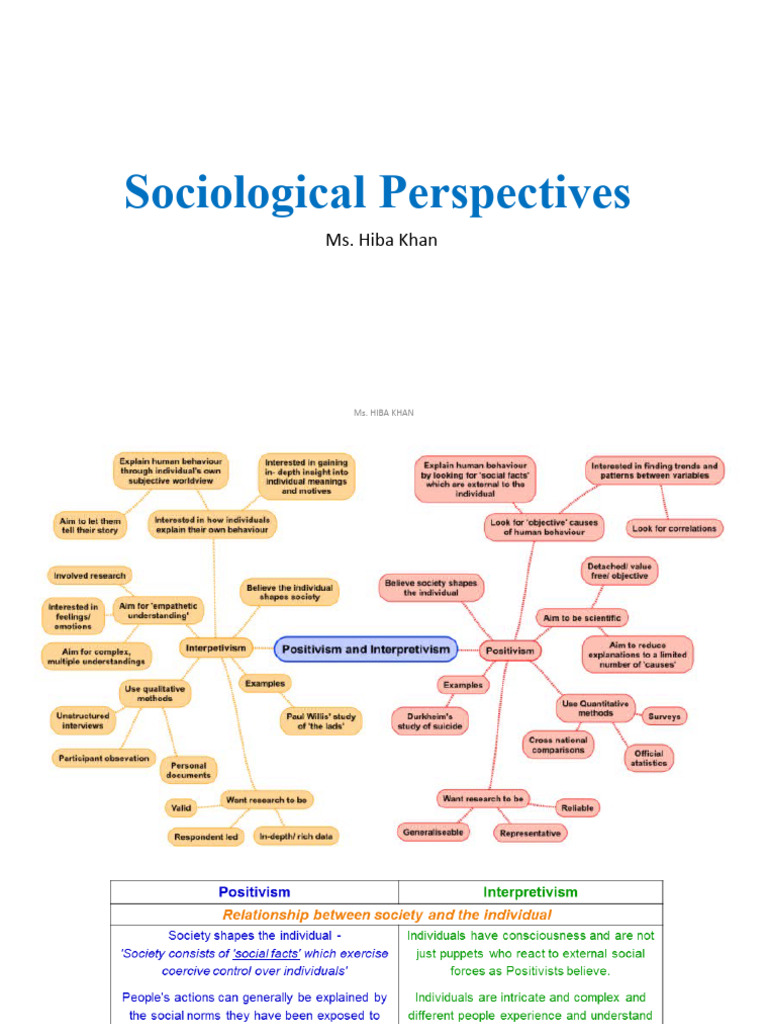
I. The Bedrock: Foundational Sociological Perspectives and Their Gender Blind Spots
Traditional sociological theories, while claiming objectivity, have often been glaringly inadequate in addressing the specific realities of women and marginalized genders. Consider:
A. Functionalism: This perspective views society as a complex organism with interdependent parts working together for stability. Applied to gender, functionalism often posits that traditional gender roles are necessary for societal equilibrium – a deeply problematic argument that rationalizes inequality as a natural and beneficial division of labor. It conveniently ignores the power imbalances inherent in such “functional” arrangements, overlooking the exploitation and subjugation that often accompany them. We see a stark example of this in the often-celebrated image of the “stay-at-home mother,” lauded for her contribution to family stability while simultaneously devalued for her lack of participation in the capitalist workforce. The subtle (and not-so-subtle) message: a woman’s primary function is to serve, to nurture, to facilitate the comfort and success of others, particularly men.
B. Conflict Theory: Focusing on power struggles and competition for resources, conflict theory provides a more fertile ground for feminist analysis. However, early iterations often relegated gender to a secondary concern, subsuming it under broader class struggles. While acknowledging the inherent conflict between the bourgeoisie and the proletariat, they frequently overlooked the distinct and often overlapping forms of oppression faced by women across class lines. Even within the revolutionary fervor of class warfare, patriarchal structures persisted, dictating women’s roles in the movement and their access to power post-revolution. Thus, conflict theory, while useful, required a feminist lens to fully expose the multifaceted nature of gender-based exploitation.
C. Symbolic Interactionism: This perspective examines how individuals create meaning through interaction and the use of symbols. While potentially useful for understanding how gender roles are learned and internalized, it can sometimes downplay the structural forces that shape these interactions. The performance of gender, while individualized, is not a spontaneous act; it is heavily influenced by societal expectations, reinforced through media representation, familial indoctrination, and the constant threat of social sanctions for non-conformity. Therefore, interactionism must be supplemented by a critical understanding of the broader power dynamics at play.
II. The Feminist Reclamation: Crafting a Sociological Theory of Liberation
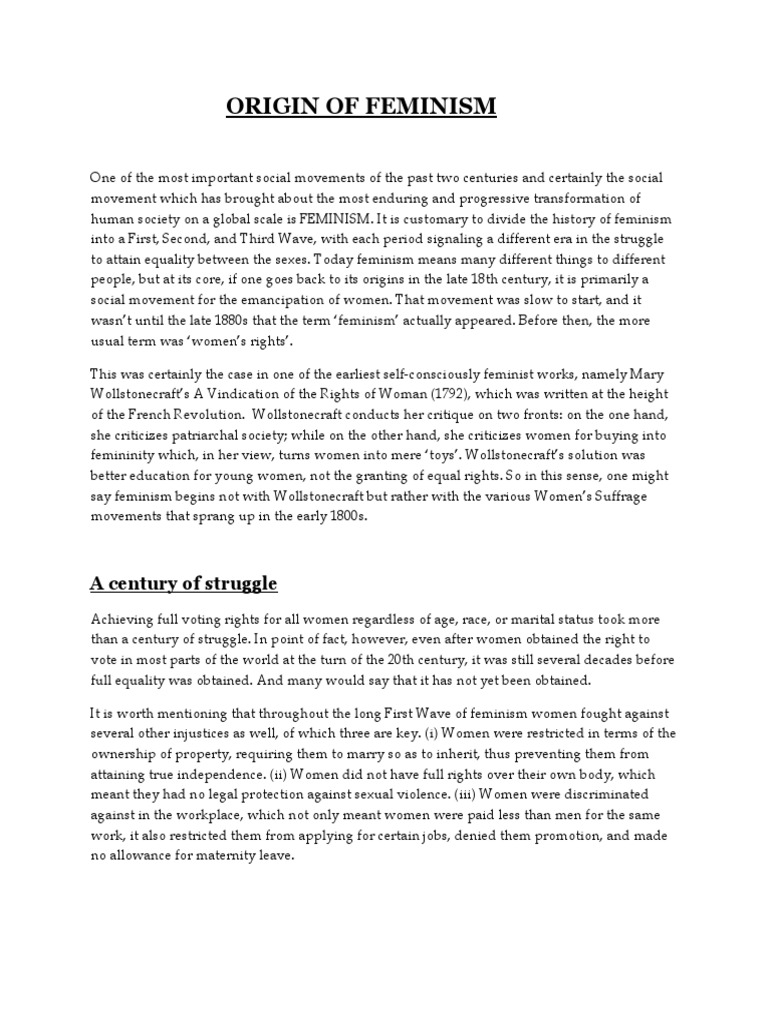
Feminist sociological theory emerged as a corrective, a radical re-imagining of sociological frameworks that centers the experiences and perspectives of women and challenges patriarchal assumptions.
A. Challenging the Public/Private Dichotomy: One of the earliest and most significant contributions of feminist sociology was the dismantling of the artificial separation between the public and private spheres. Traditional sociology often confined women to the “private” realm of the home, deeming it outside the purview of serious sociological inquiry. Feminist scholars argued that the domestic sphere is not apolitical; it is a site of power relations, where gender roles are enacted, and where women’s labor is often undervalued and exploited. This reclamation of the “private” as a legitimate area of study revolutionized our understanding of gender inequality. The domestic sphere, once considered a sanctuary, became a battleground for feminist critique, exposing the unpaid labor, the emotional burdens, and the pervasive control exerted over women’s lives within its walls.
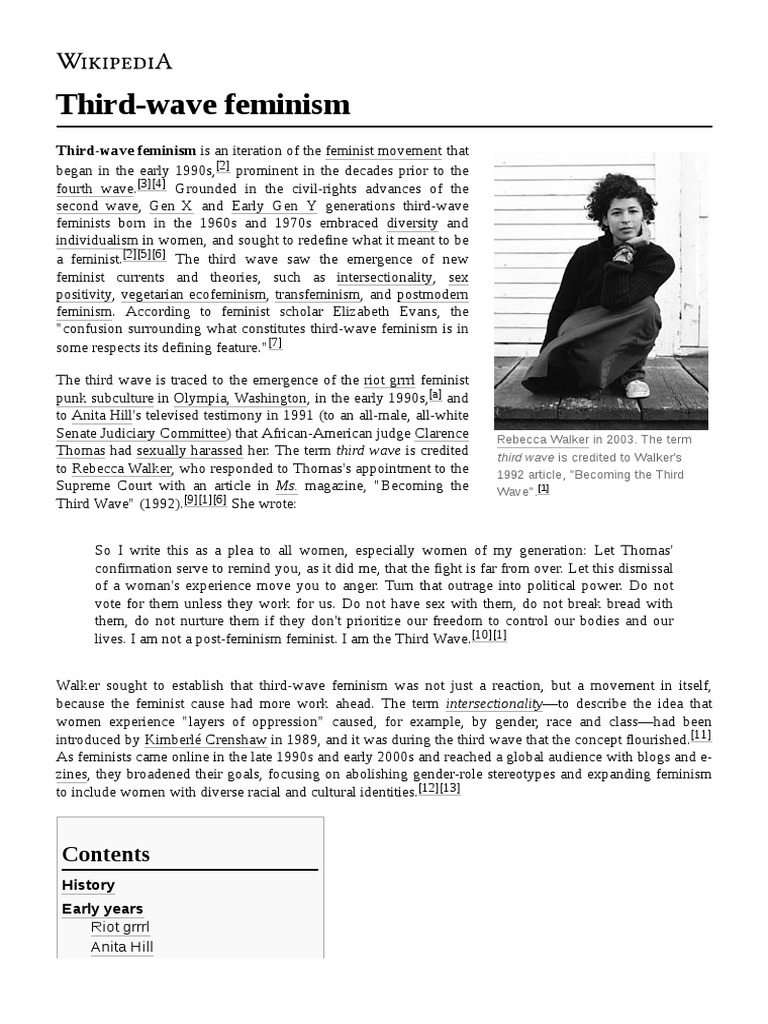
B. Intersectionality: Coined by Kimberlé Crenshaw, intersectionality recognizes that gender intersects with other social categories such as race, class, sexuality, and disability to create unique experiences of oppression. It rejects the notion of a universal “woman” and acknowledges the diversity of experiences within the female population. A Black woman, for instance, experiences gender oppression differently from a white woman, due to the added burden of racial discrimination. Intersectionality provides a powerful framework for understanding the complexities of social inequality and for developing more inclusive and effective strategies for social change. This nuanced approach compels us to move beyond simplistic binaries and embrace the multiplicity of identities that shape our experiences of power and marginalization. We must acknowledge that the struggle for gender equality cannot be divorced from the struggle for racial justice, economic liberation, and the dismantling of all forms of systemic oppression.
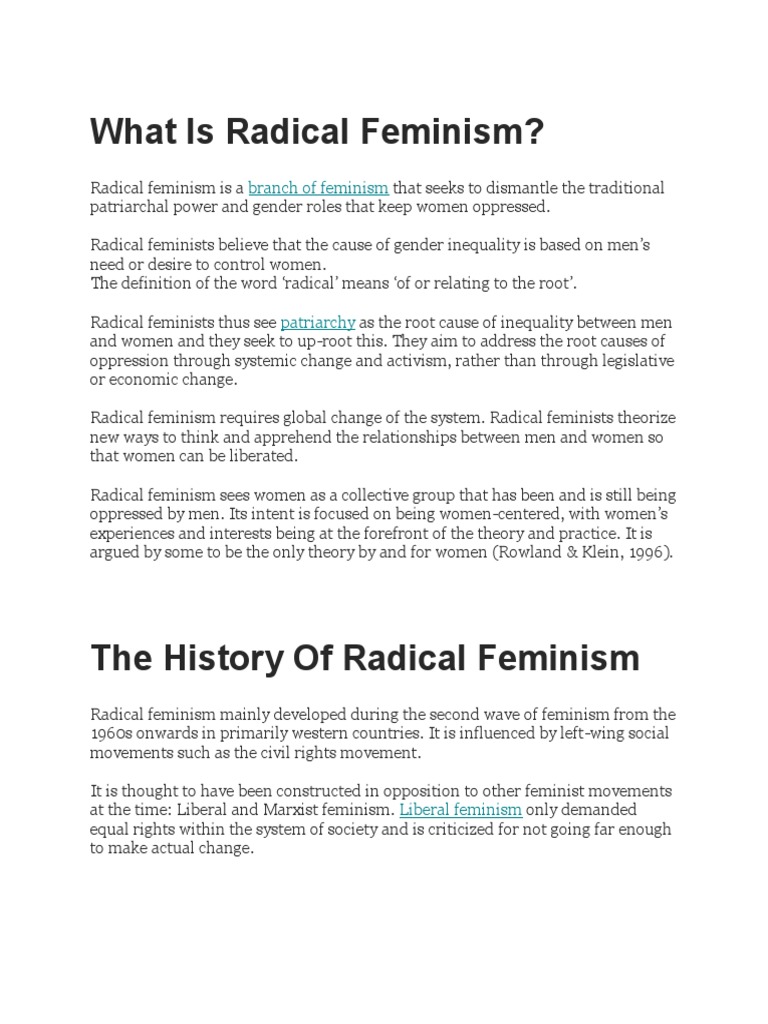
C. Patriarchy as a System of Power: Feminist sociology identifies patriarchy as a systemic, institutionalized form of gender inequality that privileges men and subordinates women. It operates at multiple levels, from individual interactions to macro-level institutions such as the legal system, the media, and the economy. Patriarchy is not simply a matter of individual prejudice; it is a deeply ingrained system of beliefs, practices, and structures that perpetuate male dominance. Challenging patriarchy requires a multi-pronged approach, addressing both individual biases and institutionalized forms of discrimination. We must dismantle the cultural narratives that normalize male entitlement and challenge the power structures that perpetuate male privilege.
III. Deconstructing Gender: The Social Construction of Reality
Feminist sociology emphasizes that gender is not a biological imperative but a social construct. This means that gender roles, behaviors, and identities are learned and internalized through socialization processes, rather than being determined by biology.
A. Gender Socialization: From birth, individuals are socialized into specific gender roles through family, education, media, and other social institutions. Boys are encouraged to be assertive, independent, and competitive, while girls are encouraged to be nurturing, passive, and compliant. These gendered expectations shape our identities, behaviors, and opportunities in profound ways. This relentless indoctrination begins early, influencing our choices of toys, clothing, and even career paths. The pressure to conform to these rigid gender stereotypes can be deeply damaging, limiting our potential and perpetuating harmful inequalities.
B. Gender Performance: Drawing on the work of Judith Butler, feminist sociology views gender as a performance – a constant and often unconscious enactment of socially constructed norms and expectations. We “do” gender through our clothing, our speech, our body language, and our interactions with others. This performative aspect of gender highlights its fluidity and its dependence on social context. If gender is a performance, then it is a performance that can be resisted, subverted, and ultimately transformed. By challenging traditional gender norms and embracing diverse expressions of gender identity, we can disrupt the very foundations of patriarchal power.
C. Challenging Gender Binaries: Feminist sociology challenges the binary conception of gender – the idea that there are only two distinct and mutually exclusive genders: male and female. It recognizes the existence of a spectrum of gender identities, including transgender, non-binary, and genderfluid individuals. Challenging the gender binary is crucial for dismantling patriarchal structures that rely on rigid gender roles and the suppression of gender diversity. Embracing gender diversity is not merely a matter of tolerance; it is a fundamental challenge to the power structures that seek to control and categorize us based on arbitrary and limiting definitions of gender.
IV. Moving Forward: Feminist Sociology and the Pursuit of Justice
Feminist sociological theory is not merely an academic exercise; it is a tool for social change. It provides us with the knowledge and insights necessary to dismantle oppressive gender structures and create a more just and equitable society. It requires constant vigilance and a willingness to challenge the status quo, even when it is uncomfortable.
A. Empowerment and Agency: Feminist sociology emphasizes the importance of empowering women and girls and providing them with the agency to control their own lives. This includes access to education, economic opportunities, healthcare, and political participation. Empowerment is not simply about individual achievement; it is about collective action and the creation of supportive communities that uplift and amplify the voices of marginalized groups. We must create spaces where women and girls can feel safe, supported, and empowered to challenge the systems that oppress them.
B. Transforming Institutions: Feminist sociology calls for the transformation of institutions to eliminate gender bias and promote equality. This includes reforms to the legal system, the education system, the media, and the workplace. These reforms must be comprehensive and address the root causes of gender inequality. We must hold institutions accountable for their role in perpetuating gender bias and demand that they implement policies and practices that promote equality and justice.
C. Challenging Hegemonic Masculinity: Feminist sociology recognizes that patriarchy harms not only women but also men, by enforcing rigid and often damaging expectations of masculinity. Challenging hegemonic masculinity – the dominant and often toxic form of masculinity that privileges aggression, dominance, and emotional suppression – is crucial for creating a more just and equitable society for all. By challenging these limiting definitions of manhood, we can create space for men to embrace their full humanity and to form healthier and more equitable relationships with women.
In conclusion, feminist sociological theory provides a powerful framework for understanding the complex interplay of gender, power, and society. By deconstructing gender, challenging patriarchal structures, and empowering women and girls, we can pave the way for a more just and equitable world. The fight is far from over. So, sisters, let us continue to wield this theoretical arsenal with unwavering conviction and unrelenting determination, until the edifice of patriarchal oppression crumbles into dust.







Leave a Comment