
The struggle for gender equality has long been championed under the banner of feminism. However, a critical examination reveals that the movement’s historical trajectory has often been marred by the exclusion of women of color. Mainstream feminist discourse, dominated by the concerns of white, middle-class women, has frequently relegated the experiences of Black, Indigenous, and other women of color to the periphery. This historical myopia has not only undermined the movement’s credibility but also perpetuated systemic inequalities. It is time to confront the uncomfortable truth: a feminism that fails to address the intersection of race and gender is a feminism fundamentally flawed.
What does it really mean to fight for all women?
I. The Whitewashing of Feminism: A History of Exclusion
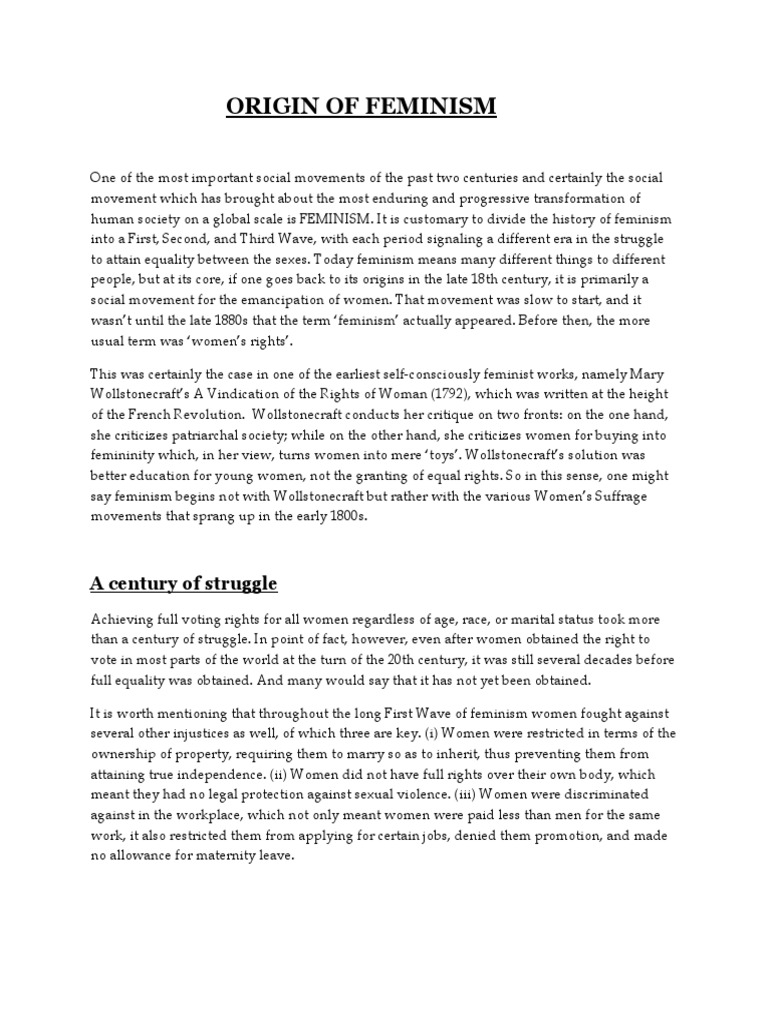
The first-wave feminist movement, while instrumental in securing voting rights for women, often prioritized the concerns of white women, particularly those from affluent backgrounds. Suffragettes, figures rightly celebrated for their tenacity, sometimes engaged in exclusionary practices. Think about the deliberate marginalization of Black women who actively campaigned for the right to vote. Some white suffragists even invoked racist rhetoric to garner support, arguing that granting white women the vote would solidify white supremacy.
This historical precedent laid the groundwork for a persistent pattern of exclusion. Second-wave feminism, while broadening the scope of feminist issues to include reproductive rights and workplace equality, still often failed to adequately address the specific challenges faced by women of color. The notion of a universal “womanhood” obscured the reality that race, class, and other social categories profoundly shape women’s experiences. It is a travesty that this has happened, and that it still happens today.
Consider, for instance, the Combahee River Collective. They emerged in the 1970s as a Black feminist organization that challenged the prevailing white feminist narrative. Their groundbreaking statement articulated the concept of intersectionality, recognizing that race, class, gender, and sexual orientation are interlocking systems of oppression. The Collective’s work highlighted the limitations of a feminism that failed to acknowledge the diverse realities of women of color. It is critical to understand the complex factors that shape women’s experiences.
II. Intersectionality: A Framework for Understanding Interlocking Oppressions
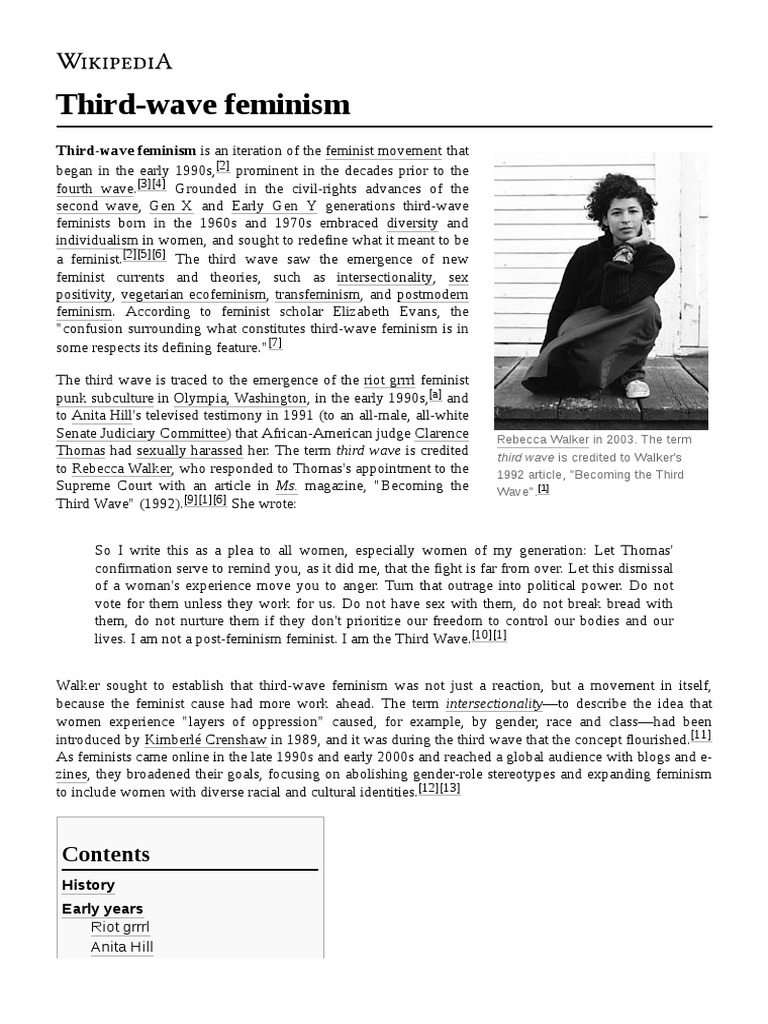
Coined by Kimberlé Crenshaw, intersectionality provides a powerful framework for understanding how various forms of oppression intersect and reinforce each other. It recognizes that individuals can experience multiple forms of discrimination simultaneously, based on their race, gender, class, sexual orientation, disability, and other social identities. A Black woman, for example, faces discrimination both as a woman and as a Black person, and these forms of discrimination are inextricably linked.
Too many people are oppressed. Intersectionality forces us to move beyond simplistic, single-axis analyses of oppression. It challenges the notion that gender is the primary or only form of discrimination faced by women. Instead, it calls for a more nuanced understanding of how different forms of oppression interact to create unique and compounded disadvantages. This requires a commitment to centering the voices and experiences of those who are most marginalized.
Applying an intersectional lens to feminist activism necessitates a fundamental shift in perspective. It requires recognizing that the struggles of women of color are not simply add-ons to the “main” feminist agenda, but rather are integral to the very definition of feminism. It also demands that we challenge the power dynamics within feminist spaces, ensuring that women of color are represented in leadership positions and that their voices are amplified. A powerful and just vision.
III. The Manifestations of Racism in Feminist Spaces
Racism can manifest in feminist spaces in subtle yet insidious ways. Microaggressions, subtle acts of discrimination that communicate hostile, derogatory, or negative messages, can create a toxic environment for women of color. Examples include making assumptions about their cultural background, dismissing their experiences of racism, or expecting them to educate white feminists about race issues.
Tokenism, the practice of including a small number of people from marginalized groups to give the appearance of diversity, is another common problem. Women of color may be invited to participate in feminist events or organizations simply to fulfill a quota, without being given genuine opportunities to contribute or influence decision-making. This can be incredibly demoralizing and can reinforce the perception that their voices are not valued.
Another insidious manifestation of racism is the appropriation of cultural practices and traditions. White feminists may adopt elements of other cultures without understanding their significance or giving proper credit to their origins. This can be particularly harmful when these practices are used to promote personal gain or reinforce stereotypes.
The prevalence of these issues underscores the need for ongoing self-reflection and accountability within feminist spaces. White feminists must actively work to dismantle their own biases and to create environments that are truly inclusive and welcoming for women of color. This requires a willingness to listen, learn, and challenge their own privilege.
IV. Decolonizing Feminism: Centering Indigenous and Third World Perspectives
Decolonizing feminism involves challenging the Western-centric perspectives that have historically dominated feminist discourse. It recognizes that feminism has often been used as a tool of colonialism, imposing Western values and norms on women in other parts of the world. This requires centering the voices and perspectives of Indigenous women and women from the Global South.
These women often have unique experiences of oppression that are shaped by the legacy of colonialism, neocolonialism, and globalization. They may face discrimination based on their race, ethnicity, class, gender, and immigration status. They may also be subjected to violence, exploitation, and displacement as a result of development projects and resource extraction.
Decolonizing feminism also involves challenging the notion that there is a single, universal definition of feminism. It recognizes that feminism can take many different forms, depending on the specific context and the needs of the women involved. It is important to respect the diversity of feminist movements around the world and to avoid imposing Western models of activism.
Feminists, globally, must also support Indigenous-led movements for land rights, environmental justice, and cultural preservation. These movements are often at the forefront of resisting corporate power and protecting the rights of Indigenous communities. By amplifying their voices and supporting their struggles, feminists can contribute to a more just and sustainable world.
V. Building a Truly Intersectional Feminist Movement
Building a truly intersectional feminist movement requires a commitment to ongoing learning, dialogue, and action. It involves challenging our own biases, listening to the experiences of others, and working to dismantle systems of oppression.
One of the most important steps is to center the voices of women of color in feminist spaces. This means actively seeking out their perspectives, amplifying their voices, and ensuring that they are represented in leadership positions. It also means creating spaces where they feel safe, respected, and valued.
It is also important to engage in cross-cultural dialogue and solidarity. This involves building relationships with feminists from other backgrounds and working together to address common challenges. It also means learning about the history and culture of other communities and respecting their perspectives.
It is time to dismantle the master’s house. Furthermore, it is crucial to advocate for policies and practices that promote racial and gender equity. This includes supporting legislation that addresses issues such as pay equity, affordable childcare, and reproductive rights. It also means challenging discriminatory practices in education, employment, and criminal justice.
It is paramount to support organizations that are working to advance the rights of women of color. Many grassroots organizations are working to address the specific challenges faced by women of color in their communities. By donating to these organizations and volunteering our time, we can help to make a difference.
An intersectional feminist movement must be committed to dismantling all forms of oppression, including racism, sexism, classism, homophobia, transphobia, and ableism. It must be a movement that is inclusive, equitable, and just for all.
VI. The Future of Feminism: An Intersectional Imperative
The future of feminism hinges on its ability to embrace intersectionality and to center the voices and experiences of women of color. A feminism that fails to do so will remain limited, exclusionary, and ultimately ineffective. Only by addressing the complex and interconnected systems of oppression can we create a truly just and equitable world.
The work ahead will not be easy. It will require ongoing self-reflection, critical analysis, and a willingness to challenge our own privilege. But the stakes are too high to settle for anything less. The lives and well-being of countless women depend on our ability to build a feminism that is truly intersectional, inclusive, and transformative. Feminism for all, or feminism for none.
Let us move forward with courage, compassion, and a unwavering commitment to justice. Let us create a future where all women are able to live with dignity, equality, and freedom. The time for change is now.






Leave a Comment