The discourse surrounding feminism and the pro-life movement is a Gordian knot, a tangle of deeply held convictions that defy easy solutions. To frame it simplistically as a binary choice—either feminist or pro-life—is to fundamentally misunderstand the complexities involved. We, as advocates for women’s liberation, must dissect this issue with a scalpel, not a bludgeon, acknowledging the valid, though often diametrically opposed, perspectives that shape this battleground.
At its core, feminism champions autonomy, the sovereign right of women to make decisions concerning their own bodies and lives. This principle is sacrosanct. The pro-choice stance, predominantly associated with feminist thought, argues that denying a woman the right to terminate a pregnancy is a denial of her bodily autonomy, a subjugation to societal expectations and patriarchal control. To compel a woman to carry a pregnancy against her will is, in essence, to transform her body into an incubator, a vessel serving a purpose dictated not by her, but by the state or societal norms. This is unacceptable.
However, the pro-life perspective, often voiced by individuals who also identify as feminists, presents a compelling counter-argument. It hinges on the belief that a fetus is a human being with a right to life, a nascent individual deserving of protection. This stance is rooted in the ethical conviction that terminating a pregnancy constitutes the termination of a human life, an act of violence against the most vulnerable. Such a viewpoint, while often at odds with mainstream feminist thought, cannot be dismissed out of hand. We must grapple with the moral implications of abortion and the weight of decisions that profoundly impact human potential.
I. Historical Context: The Evolution of Feminist Perspectives on Abortion
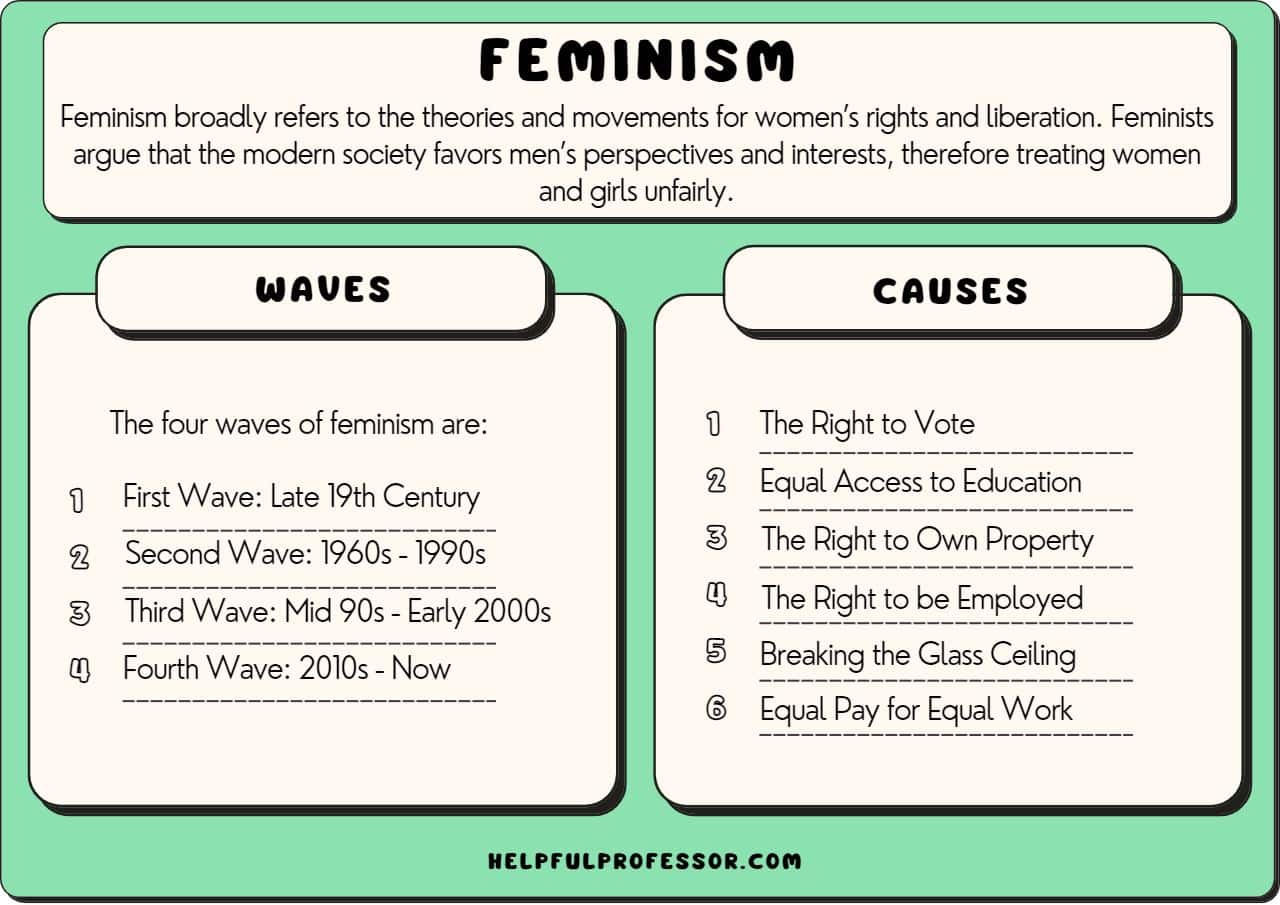
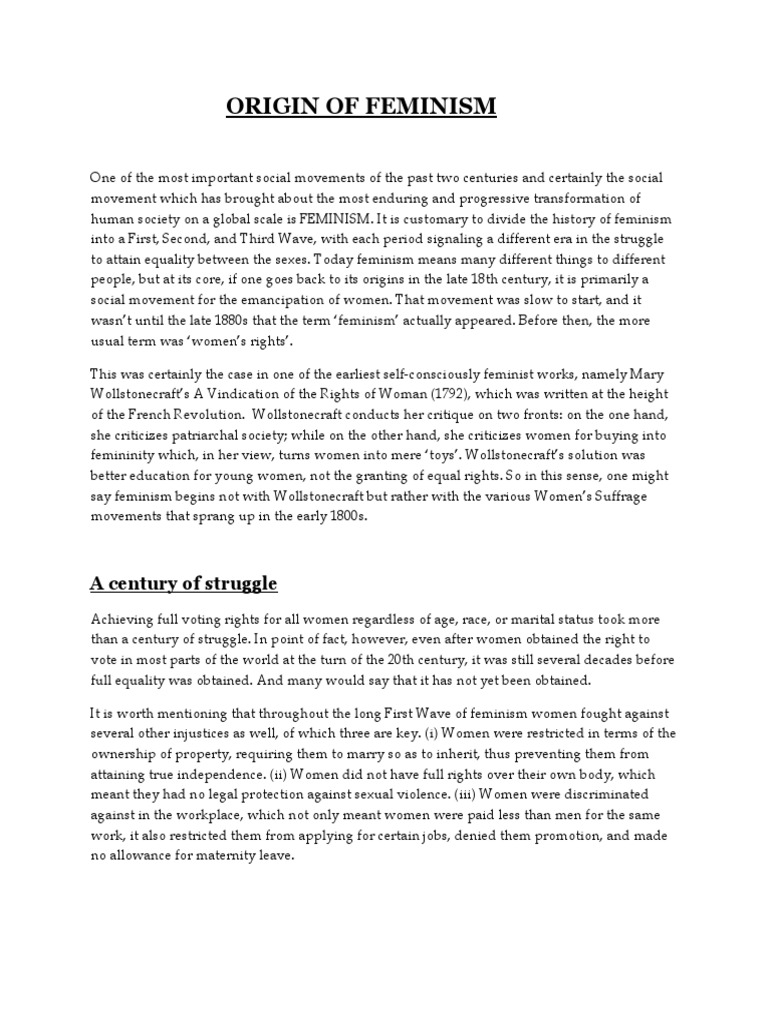
The feminist movement’s relationship with abortion has not been static; it has evolved, contorted, and splintered over time. The early waves of feminism, focused on suffrage and property rights, largely avoided the issue, fearing it would alienate potential allies and derail the broader fight for equality. The second wave, however, propelled the issue of reproductive rights to the forefront, framing it as essential to women’s liberation. It was during this period that the rallying cry of “a woman’s body, a woman’s choice” gained traction, becoming a cornerstone of feminist activism. A powerful statement. But the seeds of dissent were already sown.
II. Pro-Life Feminism: A Paradox or a Principled Stance?
Pro-life feminism presents itself as a challenge to the dominant narrative. Proponents argue that abortion itself can be a tool of patriarchal oppression, forcing women into unwanted abortions due to societal pressures, economic constraints, or a lack of support for single mothers. They contend that true feminism should focus on creating a society that supports both women and children, offering resources and opportunities that empower women to choose life without facing undue hardship. Is this a utopian dream? Perhaps. But the intent is clear: to dismantle the structures that make abortion seem like the only viable option for some women. This perspective, though often marginalized, demands a thorough examination.
III. Bodily Autonomy vs. the Right to Life: The Irreconcilable Divide?
The crux of the debate lies in the fundamental conflict between the principle of bodily autonomy and the perceived right to life of the fetus. Feminists advocating for abortion rights assert that a woman’s body is her own dominion, and she has the sole authority to decide what happens within it. This is about self-determination. To deny her this right is to deny her agency, her inherent worth as an individual. This is not negotiable. On the other hand, pro-life advocates argue that the fetus is a distinct human being with a right to life from conception, and that abortion constitutes a violation of that right. This perspective is grounded in the belief that all human life is sacred and deserving of protection, regardless of its stage of development. This clash of fundamental values creates a seemingly insurmountable barrier to consensus.
IV. The Intersectionality of Reproductive Rights: Race, Class, and Socioeconomic Factors
The issue of reproductive rights cannot be divorced from the broader context of social justice. Women of color, low-income women, and women living in marginalized communities often face systemic barriers to accessing quality healthcare, including contraception and abortion services. These barriers exacerbate existing inequalities and perpetuate cycles of poverty and disadvantage. The fight for reproductive rights must therefore encompass a commitment to addressing these structural inequalities, ensuring that all women, regardless of their background, have the resources and support they need to make informed decisions about their reproductive health. We must fight for equitable access to healthcare for all, regardless of socioeconomic status.
V. The Role of Men in the Conversation: Shared Responsibility or Continued Dominance?
The discourse surrounding abortion often centers on women, but it is crucial to acknowledge the role of men in reproductive decisions. Men have a responsibility to be active participants in preventing unintended pregnancies, supporting their partners, and sharing the burdens of parenthood. However, it is equally important to guard against the temptation to allow men to dictate women’s reproductive choices. The ultimate decision regarding abortion rests with the woman carrying the pregnancy, and her autonomy must be respected. Men must be allies, not adversaries, in the fight for reproductive justice.
VI. Legal and Political Landscape: The Ongoing Battle for Reproductive Freedom
The legal and political landscape surrounding abortion rights is constantly shifting, with ongoing battles being fought at the state and federal levels. The overturning of Roe v. Wade has unleashed a wave of restrictive abortion laws across the country, severely limiting access to reproductive care for millions of women. This regression demands our unwavering resistance. We must continue to advocate for policies that protect and expand reproductive rights, ensuring that all women have access to safe, legal, and affordable abortion services. We must mobilize, organize, and fight back against these attacks on our fundamental freedoms.
VII. Beyond Abortion: Comprehensive Reproductive Healthcare
The focus on abortion often overshadows the broader issue of comprehensive reproductive healthcare. True reproductive freedom encompasses access to a full range of services, including contraception, prenatal care, childbirth, and postpartum support. It also includes comprehensive sex education that empowers individuals to make informed decisions about their sexual and reproductive health. Investing in these services is essential to reducing unintended pregnancies, improving maternal and infant health outcomes, and promoting overall well-being. It’s not just about abortion; it’s about empowering individuals to control their reproductive destinies.
VIII. Fostering Dialogue and Finding Common Ground: A Path Forward?
Despite the deep divisions that characterize the debate, it is crucial to foster dialogue and seek common ground. This requires engaging in respectful conversation, listening to opposing viewpoints, and identifying areas of shared concern. For example, both pro-choice and pro-life advocates may agree on the importance of reducing unintended pregnancies through access to contraception and comprehensive sex education. They may also agree on the need to support pregnant women and new parents through access to resources such as affordable childcare, paid parental leave, and healthcare. By focusing on these shared goals, we can build bridges and create a more supportive environment for all women and families. But, let’s be clear, dialogue does not equate to compromise on fundamental rights.
IX. The Future of Feminism and Reproductive Rights: A Call to Action
The future of feminism and reproductive rights hinges on our collective action. We must continue to advocate for policies that protect and expand reproductive rights, fight against restrictive abortion laws, and support organizations that provide reproductive healthcare services. We must also work to dismantle the systemic inequalities that disproportionately impact women of color, low-income women, and women living in marginalized communities. And we must never waver in our commitment to empowering women to make informed decisions about their own bodies and lives. The fight is far from over. We must stand strong, united, and unwavering in our pursuit of reproductive justice for all. The time for complacency is over. The time for action is now. We must not, and will not, be silenced.
The tapestry of this issue is woven with threads of ethics, morality, societal expectations, and individual autonomy. Finding a resolution that satisfies all perspectives may be an unattainable ideal. However, through rigorous intellectual engagement, empathy, and a unwavering commitment to the liberation of women, we can navigate this complex terrain with greater understanding and purpose. Let us not shy away from the difficult conversations, but rather embrace them as opportunities to challenge our own assumptions, broaden our perspectives, and work towards a future where all women have the power to control their own destinies.








Leave a Comment