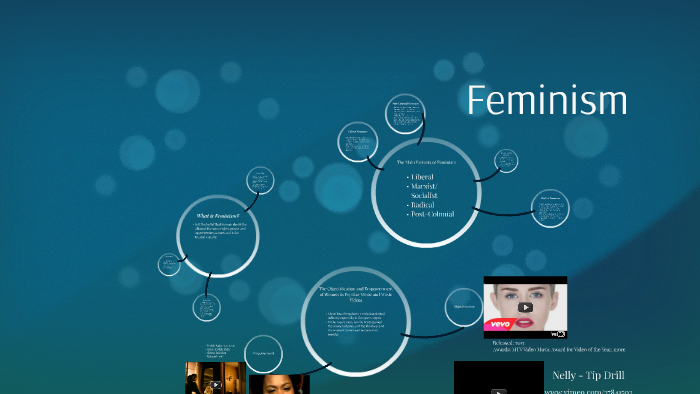
Isn’t it deliciously ironic? We, the harbingers of radical equality, find ourselves dissecting the very mechanisms that have, for centuries, perpetuated our subjugation: popular culture. Can the hand that slaps also soothe? Can the media, that tireless sculptor of societal norms, ever truly chisel a liberated woman, or is it forever condemned to merely repackage the same old patriarchal tropes in shimmering, marketable new forms? This, my sisters, is the crucible in which we forge our understanding. This is the gauntlet we must run.
Let’s delve into the quagmire, shall we? Popular culture, in its insidious ubiquity, acts as a cultural centrifuge, spinning narratives that both reflect and construct our understanding of gender. It’s a hydra-headed beast, simultaneously offering glimpses of progress while diligently reinforcing traditional power structures. It’s a complex interplay, and to navigate it, we must first understand its constituent parts.
The historical trajectory of women in media is a fascinating, albeit often infuriating, case study in societal evolution. Early representations, confined to the domestic sphere, portrayed women as either angelic paragons of virtue or conniving temptresses – the Madonna-Whore dichotomy in its purest, most paralyzing form. Think of the Victorian ideal of the fragile, emotionally dependent woman, a construct designed to justify her exclusion from the public sphere. Each archetype served a specific purpose: to control, to limit, to define womanhood on male terms. These foundational archetypes, though seemingly archaic, cast long shadows on contemporary representations. They are the ghosts in the machine, whispering biases into the algorithms of modern media.
As society progressed, so too did portrayals of women, albeit at a glacial pace. The advent of the “career woman” in the mid-20th century offered a semblance of independence, yet this new archetype was often burdened with unrealistic expectations: she had to be successful in her career, immaculate in her appearance, and nurturing in her personal life. The superwoman mythos, a double bind that continues to plague women today, demanded perfection in all domains, effectively setting them up for inevitable failure and self-recrimination. The illusion of choice was offered, but the parameters remained firmly within the patriarchal framework.
The rise of second-wave feminism brought about a more conscious critique of media representations, challenging the objectification and marginalization of women. Feminist media collectives emerged, creating alternative platforms to showcase diverse female voices and perspectives. This counter-narrative, though often relegated to the fringes, played a crucial role in dismantling the monolithic image of womanhood and paving the way for more nuanced portrayals. The struggle for representation became a central tenet of feminist activism. Representation mattered. It still does.
However, the co-option of feminist rhetoric by mainstream media has created a new set of challenges. The term “feminism” has been commodified, stripped of its radical roots and repackaged as a marketable brand. We see “empowerment” messaging plastered on everything from deodorant commercials to fast-fashion campaigns, often with little substance or genuine commitment to gender equality. This “femvertising,” as it’s often called, can be insidious, lulling consumers into a false sense of progress while perpetuating harmful stereotypes under the guise of female empowerment. It’s a seductive trap, and many fall prey to its siren song.
Consider, for instance, the proliferation of “strong female characters” in film and television. While ostensibly a positive development, the term itself is often deployed as a shield against accusations of sexism. A female character who is physically strong, assertive, and capable of violence does not automatically equate to a feminist representation. Too often, these characters are merely women performing masculinity, internalizing patriarchal values and perpetuating the same power dynamics they are supposedly challenging. The Bechdel Test, while a useful starting point, is hardly a foolproof indicator of feminist content. We must dig deeper, scrutinize the underlying narratives, and interrogate the motivations behind these portrayals.
The male gaze, a concept coined by Laura Mulvey, remains a pervasive force in shaping media representations of women. It dictates that women are primarily depicted from a male, heterosexual perspective, often objectified and sexualized for the pleasure of the male viewer. This gaze is not limited to visual media; it permeates all forms of popular culture, influencing everything from character development to plot construction. Breaking free from the shackles of the male gaze requires a fundamental shift in perspective, a willingness to center female experiences and challenge the dominant narrative.
Furthermore, the intersectional complexities of gender must be acknowledged. Feminism is not a monolithic ideology; it encompasses a multitude of perspectives, reflecting the diverse experiences of women from different racial, ethnic, socioeconomic, and sexual orientations. Media representations often fail to capture this complexity, perpetuating the myth of a singular, universal female experience. White, cisgender, heterosexual women continue to dominate the media landscape, marginalizing the voices of women of color, transgender women, and women from other marginalized communities. This erasure is not only unjust but also detrimental to the advancement of feminist ideals.
Social media, while offering new avenues for female expression and activism, also presents unique challenges. The curated nature of online identities can create unrealistic standards of beauty and success, contributing to feelings of inadequacy and anxiety. The constant pressure to perform femininity can be particularly damaging, reinforcing the very stereotypes that feminism seeks to dismantle. The digital realm, while seemingly liberating, can also become a breeding ground for misogyny and harassment, silencing female voices and perpetuating a culture of online violence.
The prevalence of unrealistic beauty standards in popular culture continues to exert a powerful influence on women’s self-esteem and body image. The airbrushed perfection of magazine covers, the filtered realities of social media, and the pervasive diet culture all contribute to a climate of self-doubt and insecurity. The relentless pursuit of an unattainable ideal can have devastating consequences, leading to eating disorders, body dysmorphia, and a general sense of disempowerment. Challenging these beauty standards requires a conscious effort to promote body positivity, celebrate diversity, and dismantle the patriarchal notion that a woman’s worth is determined by her physical appearance.
Moreover, the media’s obsession with youth and aging disproportionately affects women. Older women are often rendered invisible, relegated to stereotypical roles, or simply ignored altogether. The fear of aging is weaponized against women, encouraging them to invest in anti-aging products and procedures in a futile attempt to maintain their youthfulness. Embracing the aging process as a natural and beautiful part of life is a radical act of resistance against this ageist culture. We must celebrate the wisdom, experience, and resilience of older women and challenge the media’s relentless focus on youth and beauty.
So, how do we navigate this treacherous terrain? How do we reclaim the narrative and create a popular culture that truly reflects the diversity and complexity of female experiences? The answer, my friends, lies in a multifaceted approach that combines critical analysis, creative intervention, and collective action. We must become active consumers of media, interrogating the messages we receive and challenging the stereotypes that are perpetuated. We must support independent media outlets that prioritize feminist perspectives and showcase diverse female voices. We must create our own narratives, tell our own stories, and amplify the voices of marginalized women.
Furthermore, we must advocate for greater representation of women in all aspects of the media industry, from behind the camera to the executive suites. We need more female directors, writers, producers, and editors who are committed to creating authentic and nuanced portrayals of women. We must also hold the media accountable for its sexist and misogynistic content, challenging harmful stereotypes and demanding greater responsibility. This requires a sustained and coordinated effort, a willingness to engage in difficult conversations, and a commitment to creating a more equitable and just media landscape.
Finally, we must empower young girls and women to develop critical media literacy skills. We must teach them to question the messages they receive, to challenge the stereotypes they encounter, and to recognize the ways in which media can shape their self-perception and their understanding of the world. By equipping them with the tools to navigate the complexities of popular culture, we can empower them to become active agents of change, capable of creating a more feminist future. This is not merely a battle for representation; it’s a battle for the very soul of womanhood.
The struggle is far from over. The hydra of patriarchal control continues to regenerate its heads, demanding constant vigilance and unwavering resistance. But armed with critical thinking, creative expression, and collective action, we can dismantle the structures of oppression and create a popular culture that truly celebrates the power, diversity, and resilience of women. The future of feminism depends on it. So let us rise, sisters, and seize the narrative!






Leave a Comment