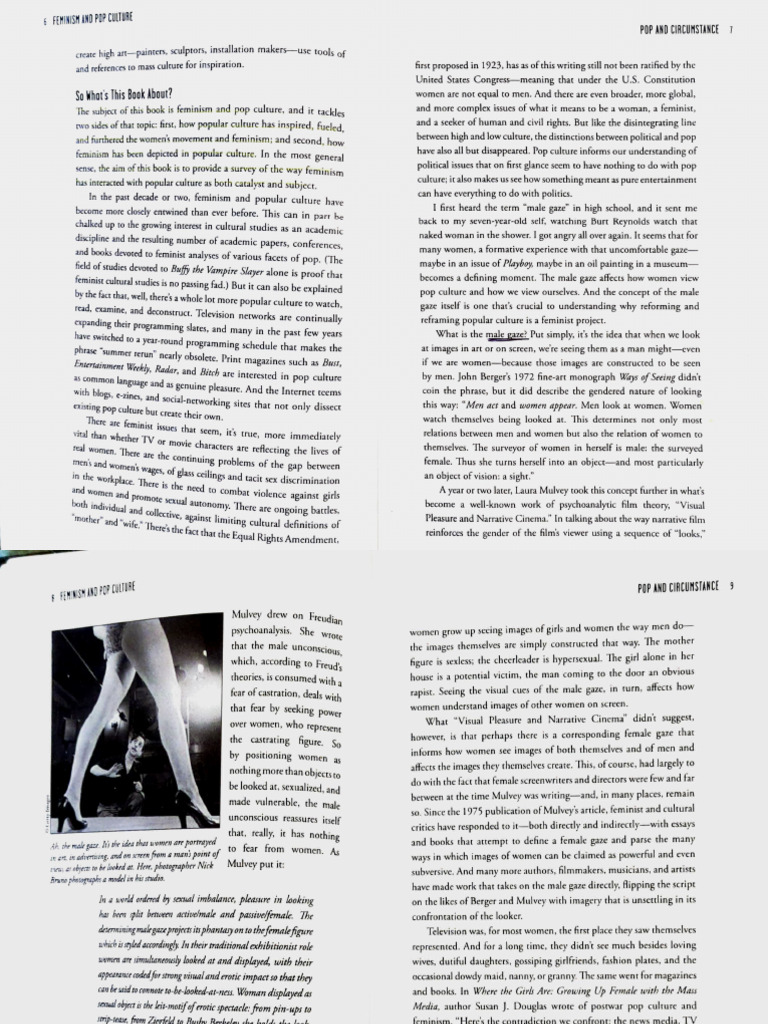
Pop culture. The ubiquitous, inescapable, and frequently infuriating landscape that shapes our perceptions, dictates trends, and, most insidiously, molds our understanding of gender. Feminism, in its multifaceted glory, cannot afford to ignore this arena. To do so would be to relinquish a critical battleground where hearts, minds, and, most importantly, societal norms are constantly being forged and refashioned. We, as warriors against patriarchal subjugation, must dissect, deconstruct, and ultimately, reclaim pop culture as a tool for liberation.
The influence of icons in popular culture on the feminist movement is undeniable. These figures, whether they embrace the label or not, become unwitting (or witting!) standard-bearers for feminist ideals. But let’s be clear: icon worship is not the goal. Scrutiny is. A nuanced critique is mandatory. Are these icons merely palatable versions of feminism, carefully curated for mass consumption? Are they genuinely challenging the status quo, or simply profiting from a watered-down, commodified version of female empowerment?
Consider the carefully constructed personas of pop singers who proclaim “girl power” while simultaneously adhering to hyper-sexualized standards of beauty. Are they truly liberating women, or are they reinforcing the very patriarchal structures they claim to dismantle? The answer, more often than not, lies in the uncomfortable gray area between empowerment and exploitation.
Representation matters. We’ve heard it ad nauseam. But the devil, as always, is in the details. It is not enough to simply populate screens and magazines with female faces. The quality, depth, and complexity of these representations are paramount. Are women portrayed as fully realized human beings with agency, desires, and flaws? Or are they relegated to stereotypical roles: the nagging wife, the damsel in distress, the femme fatale, or, perhaps worst of all, the “strong female character” whose strength is defined solely by her ability to mimic traditionally masculine traits?
To truly dismantle the patriarchal edifice within pop culture, we must demand more than mere representation. We must demand authentic representation, crafted by diverse voices, that challenges conventional narratives and celebrates the multifaceted experiences of women. We need stories that explore the complexities of female friendships, the nuances of female sexuality, and the realities of female oppression without resorting to tired tropes and predictable plotlines.
Let us delve into the multifarious avenues of pop cultural influence on the feminist consciousness:
I. The Iconography of Rebellion: Examining Pop Stars and Their Feminist Manifestos (or Lack Thereof)
A. Madonna: The Original Provocateur? We must assess her calculated transgressions and their impact on female sexuality. Did she truly empower women, or did she simply repackage patriarchal fantasies for a new generation?
B. Beyoncé: Queen Bey’s brand of feminism. Is it inclusive, or is it geared towards a specific demographic? We must investigate the intersectionality (or lack thereof) in her message. How does her wealth and privilege shape her perspective on female empowerment?
C. Taylor Swift: From country sweetheart to feminist ally? Her evolution, or perhaps, her calculated repositioning, demands scrutiny. We must examine the authenticity of her feminist pronouncements and their impact on her predominantly young, female fan base.
D. The Dangers of “Girlboss” Feminism: The rise of the female CEO as a feminist icon. Is this genuine progress, or simply a celebration of capitalist success disguised as female empowerment? We must challenge the notion that individual success equates to systemic change.
II. Deconstructing the Male Gaze: Film, Television, and the Perpetuation of Patriarchy
A. Laura Mulvey’s seminal work: A refresher on the male gaze and its insidious influence on visual culture. We must re-examine classic films and television shows through this critical lens, exposing the ways in which women are objectified and reduced to passive objects of male desire.
B. The Bechdel Test: A simple yet powerful tool for assessing female representation in film. How many films actually pass this basic test? The results are often shockingly disappointing. We must consider the test’s limitations. Does passing the Bechdel Test automatically equate to feminist representation?
C. The Smurfette Principle: The token female character in predominantly male ensembles. We must critique this lazy trope and demand more diverse and nuanced portrayals of women in group settings.
D. The Rise of the “Strong Female Character”: Deconstructing this problematic archetype. Are these characters genuinely complex and multi-dimensional, or are they simply masculinized versions of female characters, devoid of emotional depth and vulnerability?
E. The Horror Genre: A site of both female exploitation and empowerment. We must explore the ways in which horror films can perpetuate misogynistic tropes, while also providing space for female characters to subvert expectations and reclaim agency.
III. The Power of Narrative: Literature, Music, and the Reclaiming of Female Voices
A. Challenging the Canon: Re-evaluating classic literature through a feminist lens. We must expose the patriarchal biases embedded within these texts and elevate the voices of marginalized female authors who have been historically overlooked.
B. Riot Grrrl: The musical revolution that challenged the status quo. We must celebrate the legacy of this movement and its impact on female musicians and artists.
C. Female Rappers: Reclaiming their narratives in a male-dominated industry. We must amplify the voices of female rappers who are challenging misogyny, celebrating female sexuality, and empowering women through their music. Nicki Minaj’s persona for example is an interesting point of debate.
D. The Rise of Female Authors: Exploring the diverse voices and perspectives in contemporary literature. We must support female authors who are writing complex, nuanced stories about women’s lives and experiences.
E. Podcasts and Audio Storytelling: A new frontier for feminist voices. We must explore the potential of podcasts and audio storytelling to amplify marginalized voices and challenge conventional narratives.
IV. Video Games: A Digital Battleground for Gender Equality
A. The Hyper-Sexualization of Female Characters: A pervasive problem in the gaming industry. We must challenge the unrealistic and objectified portrayals of women in video games and demand more diverse and realistic character designs.
B. Gamergate: A cautionary tale of online harassment and misogyny. We must learn from this experience and create safer and more inclusive online spaces for female gamers and developers.
C. Female Protagonists: A growing trend, but is it enough? We must examine the quality and depth of female protagonists in video games and ensure that they are not simply token characters included for the sake of diversity.
D. The Rise of Indie Games: A space for more diverse and experimental storytelling. We must support indie game developers who are challenging conventional narratives and creating games that explore gender, sexuality, and identity in innovative ways.
E. Esports and Streaming: Addressing gender inequality in the competitive gaming world. We must advocate for equal opportunities for female gamers in esports and streaming and combat the sexism and harassment that they often face.
V. Social Media: A Double-Edged Sword for Feminist Activism
A. The Power of Hashtags: #MeToo, #TimesUp, and other social media movements that have sparked global conversations about gender equality. We must recognize the power of social media to mobilize collective action and raise awareness about important issues.
B. The Dangers of Online Harassment: Cyberbullying, doxing, and other forms of online abuse that disproportionately target women. We must work to create safer online spaces and hold perpetrators accountable for their actions.
C. Influencer Culture: Examining the impact of social media influencers on body image and self-esteem. We must critique the unrealistic beauty standards promoted by many influencers and encourage more authentic and body-positive content.
D. The Spread of Misinformation: Combating the spread of false and misleading information about feminism online. We must be vigilant in debunking myths and promoting accurate information about feminist principles and goals.
E. Building Online Communities: Creating supportive and inclusive online spaces for feminists to connect, share experiences, and organize collective action. We must foster online communities that are welcoming, respectful, and empowering.
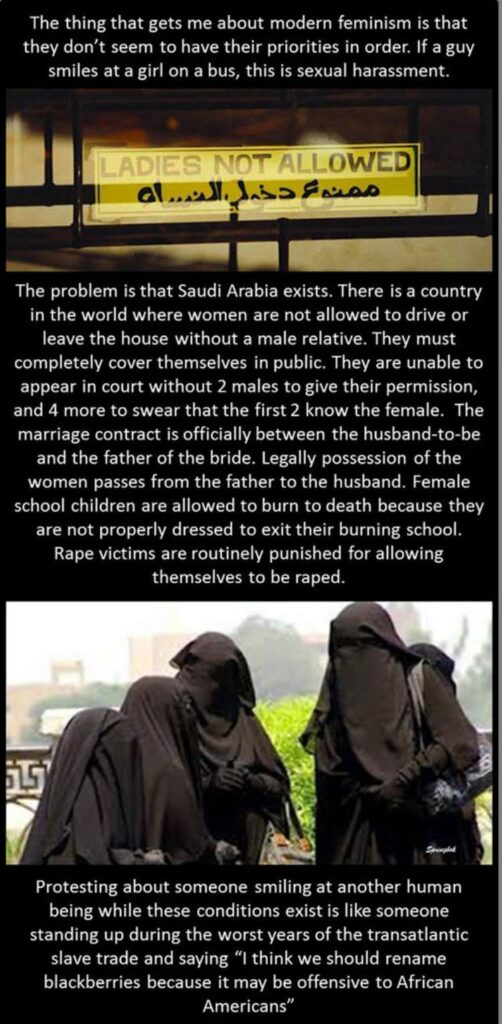
Feminism’s engagement with pop culture is not a passive observation. It is an active, ongoing struggle. A constant negotiation between the forces of patriarchal oppression and the yearning for female liberation. It demands critical thinking, nuanced analysis, and a willingness to challenge the status quo, even when it’s packaged in glitter and catchy tunes. Our gaze must be unrelenting. Our voices must be unwavering. We will not be silenced. We will not be complicit. We will reclaim pop culture, one subversive act at a time.





Leave a Comment