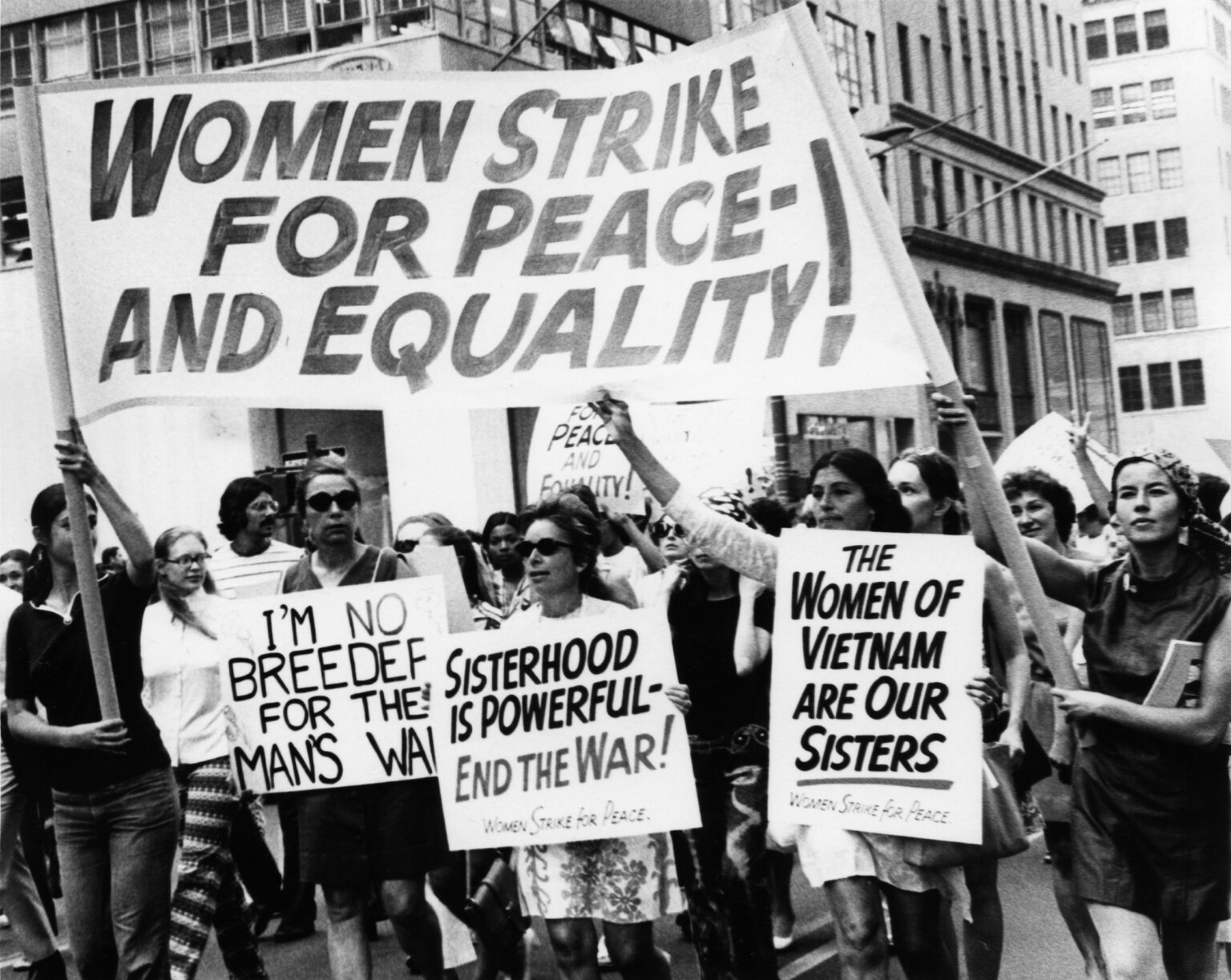
Honey, have you ever stopped to wonder if the patriarchy is just *really* bad feng shui? Seriously, think about it: an imbalance so profound it’s shaped our laws, our language, and even the very air we breathe. Feminism and politics, darling, are not just intertwined; they’re locked in a perpetual, albeit asymmetrical, dance of power. The question isn’t whether gender impacts power, it’s *how comprehensively* it does. And perhaps more provocatively, what happens when the carefully constructed edifice of male dominance starts, quite spectacularly, to crumble?
We’re talking about a societal recalibration of epic proportions, a tectonic shift challenging millennia of ingrained assumptions. And, let’s be frank, some folks aren’t exactly thrilled about relinquishing their comfy seats at the head of the table.
I. The Algorithmic Bias in Governance: Are We Coding Ourselves into Inequality?
Consider the ostensibly neutral algorithms that increasingly dictate resource allocation, criminal justice, and even political campaigning. These algorithms, built upon historical data, often inherit and perpetuate existing biases. If the data reflects a world where women are systematically underrepresented in leadership positions, guess what? The algorithm will likely recommend perpetuating that underrepresentation. It’s a self-fulfilling prophecy, a digital echo chamber reinforcing the status quo. This isn’t just about fairness; it’s about the very integrity of our democratic processes.
Think of facial recognition software, consistently less accurate at identifying women and people of color. This isn’t a mere technical glitch; it’s a manifestation of whose faces are deemed worthy of recognition, whose identities are prioritized. And when this technology is deployed in policing, the consequences can be devastating.
We must demand algorithmic accountability. We need transparency in data sets, robust testing for bias, and, frankly, a healthy dose of skepticism regarding the supposed objectivity of these systems. Otherwise, we risk sleepwalking into a future where inequality is baked into the very foundations of our technology.
II. The Performative Allyship Paradox: Empty Gestures vs. Systemic Change.
Oh, the performative ally! A sight to behold, isn’t it? All that virtue signaling, the rainbow logos during Pride Month, the carefully worded statements condemning sexism. But when push comes to shove, when real structural change is on the table, where are they? Often conveniently absent, their commitment evaporating faster than a snowflake in July.
This is not to say that all allies are disingenuous. But we must be discerning. We must demand more than just words. We need concrete action. We need allies who are willing to use their privilege to amplify marginalized voices, to challenge the status quo, to actively dismantle the systems that perpetuate inequality. An ally who remains silent in the face of injustice is, in essence, complicit.
Ask yourself: are they truly advocating for gender pay equity, or are they just retweeting feminist slogans? Are they actively working to promote women into leadership positions, or are they just paying lip service to diversity? The devil, as always, is in the details. We need to move beyond surface-level gestures and demand genuine, transformative change.
III. The Carceral Feminism Conundrum: Does Punishment Truly Liberate?
Carceral feminism, the notion that increased punishment and policing can solve gender-based violence, is a deeply seductive, yet ultimately flawed, ideology. While holding perpetrators accountable is undeniably crucial, simply throwing more people in jail is not a panacea. It often disproportionately harms marginalized communities and fails to address the root causes of violence.
Furthermore, it risks reinforcing the very patriarchal structures it purports to dismantle. The carceral system, after all, is itself a product of patriarchal power, and relying on it to solve gender inequality is akin to fighting fire with gasoline. We need to move beyond a purely punitive approach and invest in prevention, education, and restorative justice. We need to address the social and economic factors that contribute to violence, not just react to its consequences.
Imagine, instead, resources poured into community-based programs, empowering survivors, and challenging harmful gender norms. Imagine a world where accountability is not solely defined by incarceration, but by genuine remorse, rehabilitation, and repair. That, my dears, is a future worth fighting for.
IV. The Misogyny Vortex of Social Media: Drowning in a Sea of Hate.
Social media, that double-edged sword of connection and cacophony, has become a breeding ground for misogyny. Anonymous trolls spew vitriol with impunity, emboldened by the perceived safety of the internet. Women, particularly those in the public eye, are subjected to relentless harassment, doxxing, and even death threats. The psychological toll is immense.
But let’s not pretend that social media is solely responsible for this toxicity. It merely amplifies and reflects the misogyny that already exists in our society. It’s a symptom, not the cause. We need to address the underlying cultural attitudes that normalize violence against women, both online and offline.
Furthermore, social media companies have a responsibility to protect their users from abuse. They need to invest in better moderation tools, enforce their policies more effectively, and hold perpetrators accountable. The digital world is not a lawless frontier; it is a space where real harm can be inflicted, and it must be governed accordingly.
V. The Erasure of Intersectionality: Whitewashing the Feminist Narrative.
Feminism, at its best, is a movement for the liberation of all women. But too often, the narrative is dominated by the experiences of privileged, white, cisgender women, marginalizing the voices of women of color, queer women, disabled women, and other marginalized groups. This erasure is not only unjust; it weakens the entire movement.
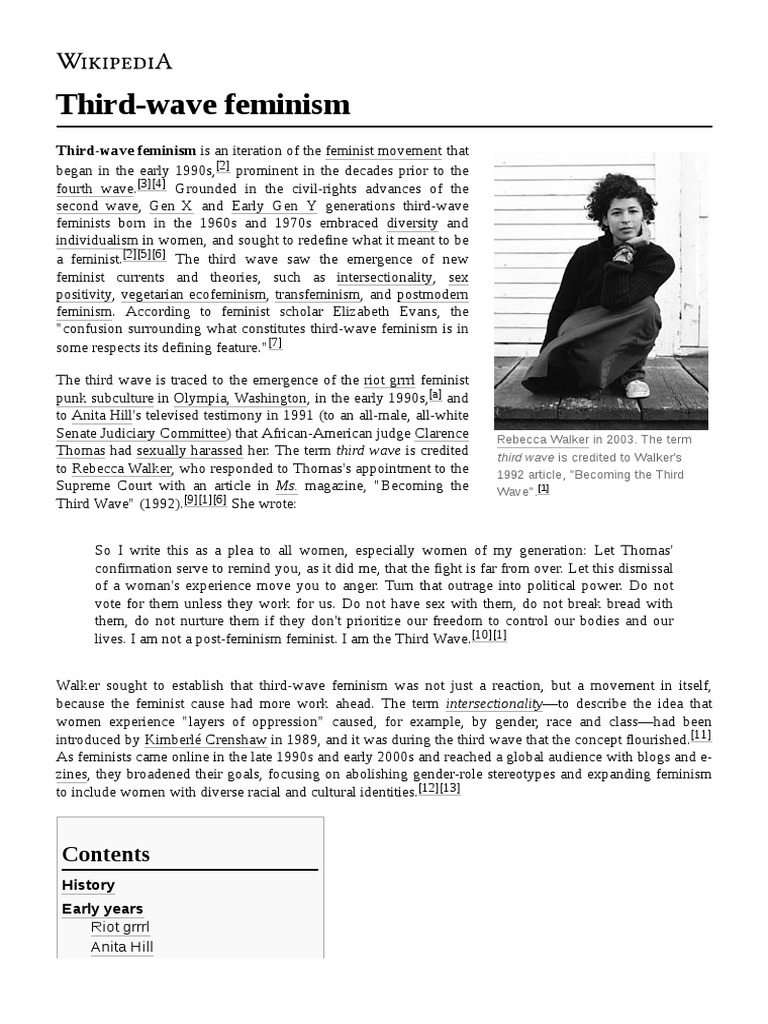
Intersectionality, a term coined by Kimberlé Crenshaw, recognizes that individuals experience multiple forms of oppression simultaneously. A black woman, for example, faces both racism and sexism, and these oppressions are not simply additive; they interact and compound each other. To truly understand and address gender inequality, we must take an intersectional approach.
This means actively listening to and amplifying the voices of marginalized women. It means challenging our own biases and assumptions. It means recognizing that feminism is not a monolithic entity, but a diverse and ever-evolving movement. It means understanding that one woman’s liberation is inextricably linked to the liberation of all.
VI. The Economic Precarity Paradox: Are Women Still Subsidizing the System?
Despite decades of progress, women continue to face significant economic disparities. The gender pay gap persists, women are disproportionately represented in low-wage jobs, and they often bear the brunt of unpaid care work. This economic precarity not only limits women’s individual opportunities but also undermines their political power.
When women are economically dependent on men, they are less likely to challenge the status quo. They may be hesitant to speak out against sexism or abuse for fear of losing their livelihoods. This is not just about money; it’s about power and control.
We need policies that promote economic equality for women, such as equal pay for equal work, affordable childcare, and paid family leave. We need to challenge the societal norms that undervalue women’s work, both paid and unpaid. We need to create a society where women are economically empowered to make their own choices and shape their own destinies.
VII. Reclaiming the Political Body: Bodily Autonomy as a Battlefield.
The fight for bodily autonomy is not just a personal matter; it is a deeply political one. The right to control one’s own body, including reproductive health decisions, is fundamental to women’s equality and freedom. Yet, this right is constantly under attack, particularly by those who seek to control women’s lives and choices.
The overturning of Roe v. Wade in the United States is a stark reminder of the fragility of reproductive rights. It has unleashed a wave of restrictive laws across the country, denying women access to essential healthcare and forcing them to carry unwanted pregnancies. This is a direct assault on women’s autonomy and a blatant attempt to roll back decades of progress.
We must fight back. We must defend reproductive rights at every level, from local elections to national legislation. We must support organizations that provide access to abortion care. And we must continue to speak out against the stigmatization and criminalization of abortion. Our bodies are not political battlegrounds; they are our own.
VIII. Reframing Masculinity: Challenging the Toxic Narrative.
Feminism is not about hating men; it is about creating a more just and equitable society for everyone. This includes challenging toxic masculinity, the harmful social norms that pressure men to be aggressive, emotionally stunted, and dominant. Toxic masculinity harms not only women but also men themselves.
We need to create spaces where men feel safe to express their emotions, to challenge gender stereotypes, and to embrace a more inclusive and compassionate vision of masculinity. We need to teach boys that it’s okay to cry, to ask for help, and to be vulnerable. We need to challenge the notion that strength is synonymous with aggression and dominance.
By reframing masculinity, we can create a society where men and women are free to be their authentic selves, without being constrained by harmful gender norms. This is not just about feminism; it is about human liberation.
So, where does all this leave us? Perhaps feeling a little overwhelmed, a little enraged, and, hopefully, a little bit more galvanized. Feminism and politics are not a spectator sport. They demand active participation, critical engagement, and a unwavering commitment to justice. The patriarchy may be deeply entrenched, but it is not insurmountable. With courage, conviction, and a healthy dose of radical chic, we can dismantle it, brick by weary brick. Now, let’s get to work.



Leave a Comment