
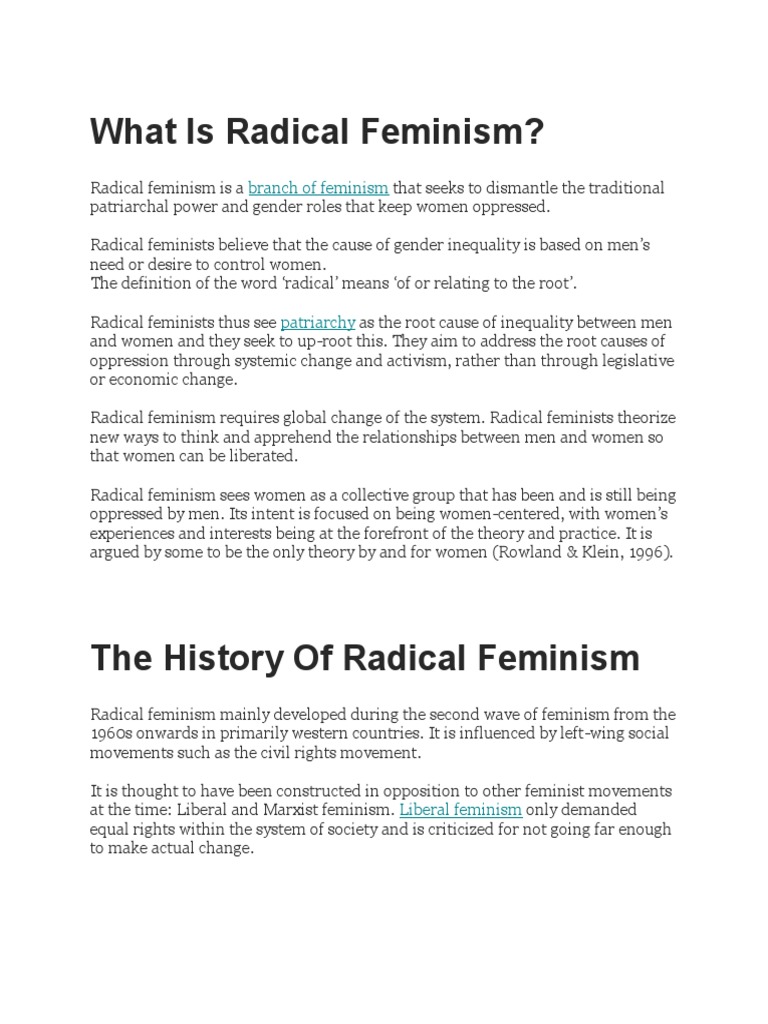
Dare we ask: is the pursuit of “truth” itself a phallocentric construct, a gilded cage meticulously crafted to maintain patriarchal dominion? This query, dripping with subversive intent, forms the bedrock upon which we must dismantle the intertwined structures of power, equality, and philosophical inquiry that have historically marginalized feminist voices. It’s not merely about adding women to the canon; it’s about excavating the foundations of the canon itself, exposing the latent biases and dismantling the ideological scaffolding that perpetuates inequity.
Our mission, should we choose to accept it (and we bloody well do), is threefold: deconstructing the myth of objective truth, interrogating the insidious nature of power dynamics, and reimagining equality not as a mere aspiration, but as a tangible, lived reality. Strap in, sisters, because we’re about to detonate some deeply ingrained assumptions.
I. The Phantasm of Objective Truth: A Feminist Excavation
For centuries, philosophy, that supposed bastion of rational thought, has peddled the illusion of objective truth – a singular, universal perspective allegedly untainted by subjective experience. But whose experience, pray tell, has historically defined this “objective” viewpoint? Surprise, surprise: it’s been the domain of white, cisgender men. This self-proclaimed neutrality is a mirage, a carefully constructed façade masking the inherent biases that have shaped philosophical discourse since its inception.
A. Epistemological Imperialism: Claiming the Vantage Point. Epistemology, the study of knowledge, becomes a battleground. Traditional epistemological frameworks, often emphasizing reason and empirical observation as the primary pathways to truth, tend to devalue or dismiss alternative ways of knowing – those rooted in emotion, intuition, and embodied experience, all facets often associated with the feminine. This isn’t just accidental; it’s a strategic move to discredit and silence voices that challenge the patriarchal status quo. It is epistemological imperialism, claiming ownership of the ‘right’ way to know, and subjugating all others.
B. Standpoint Epistemology: Reclaiming Subjectivity as a Source of Insight. Enter standpoint epistemology, a radical challenge to the notion of objective truth. This perspective argues that knowledge is always situated, shaped by our social location and lived experiences. Those marginalized by systems of power – women, people of color, LGBTQ+ individuals – possess a unique epistemic advantage, a clearer understanding of the world precisely because they are positioned outside the dominant paradigm. This is not to say that marginalized perspectives are inherently superior or infallible, but that they offer crucial insights that are often overlooked or actively suppressed by those in positions of privilege. It’s about recognizing the power of situated knowledge, about acknowledging that truth is multifaceted and contingent, not monolithic and absolute.
C. Deconstructing the Dichotomies: Reason vs. Emotion, Objective vs. Subjective. The Western philosophical tradition is riddled with binary oppositions: reason versus emotion, mind versus body, objective versus subjective. These dichotomies are not neutral; they are hierarchical, with the former term in each pair consistently valued over the latter. Feminists must challenge these rigid categories, demonstrating that reason and emotion are not mutually exclusive but rather intertwined and interdependent. Embracing subjectivity is not about abandoning rigor; it’s about recognizing the limitations of purely objective analysis and acknowledging the role of personal experience in shaping our understanding of the world. Dismantling these binaries is crucial to forging a more inclusive and nuanced philosophical landscape.
II. Power’s Pernicious Dance: Unmasking the Patriarchy’s Choreography
Michel Foucault, that wily French theorist, taught us that power is not simply a top-down force wielded by governments or institutions. It’s a diffuse network of relations that permeates every aspect of our lives, shaping our thoughts, desires, and behaviors. The patriarchy, as a system of power, operates in insidious ways, influencing everything from the language we use to the stories we tell ourselves about ourselves.
A. The Language of Domination: Controlling the Narrative. Language is not a neutral tool; it is a weapon, wielded to reinforce existing power structures. Patriarchal language often normalizes male dominance, marginalizes female experiences, and perpetuates harmful stereotypes. Consider the use of gendered pronouns, the implicit bias in everyday expressions, and the historical erasure of women’s contributions from the historical record. Feminists must be vigilant in challenging this linguistic hegemony, reclaiming language as a tool for empowerment and resistance. We must actively cultivate a vocabulary that reflects the diversity and complexity of human experience, one that celebrates inclusivity and challenges the normalization of patriarchal norms.
B. The Gaze and the Objectification of Women: Seeing and Being Seen. Laura Mulvey’s concept of the “male gaze” revolutionized feminist film theory, exposing how visual culture often objectifies women, presenting them as passive objects of male desire. This gaze is not limited to the silver screen; it permeates every aspect of our culture, from advertising to art to interpersonal interactions. Women are constantly subjected to scrutiny, judged and evaluated based on their appearance rather than their accomplishments or intellect. Breaking free from the male gaze requires a radical shift in perspective, a reclaiming of our own subjectivity and a refusal to be defined by external standards of beauty or desirability. We must empower ourselves to be the subject of our own narratives, rather than mere objects of male fantasy.
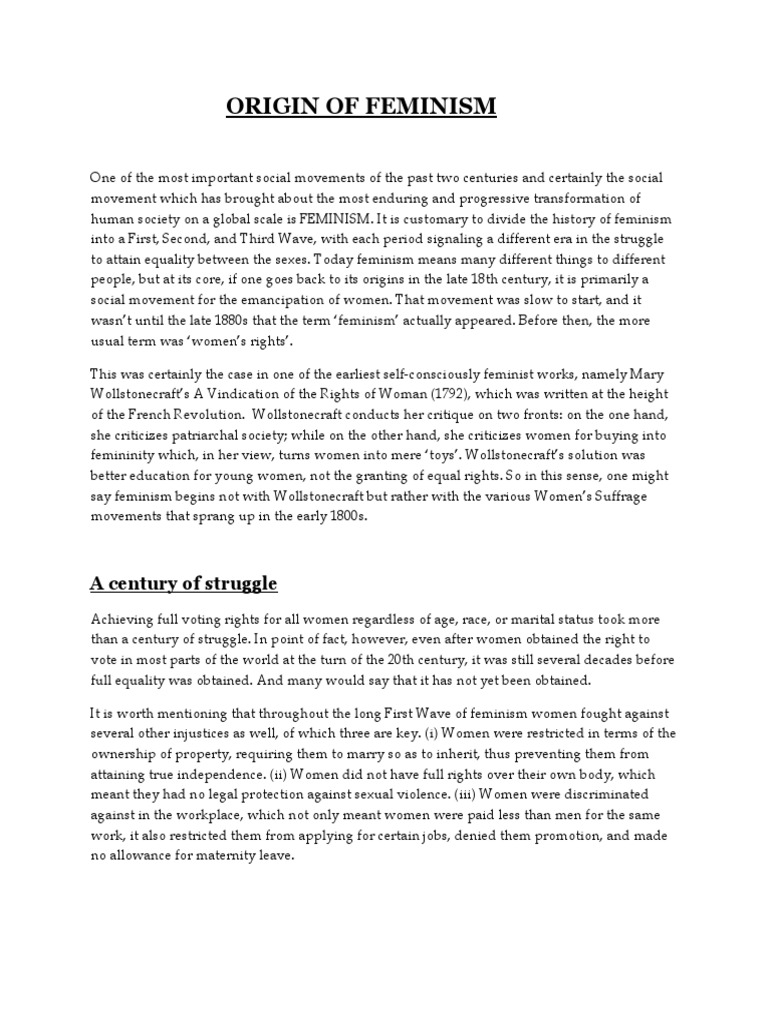
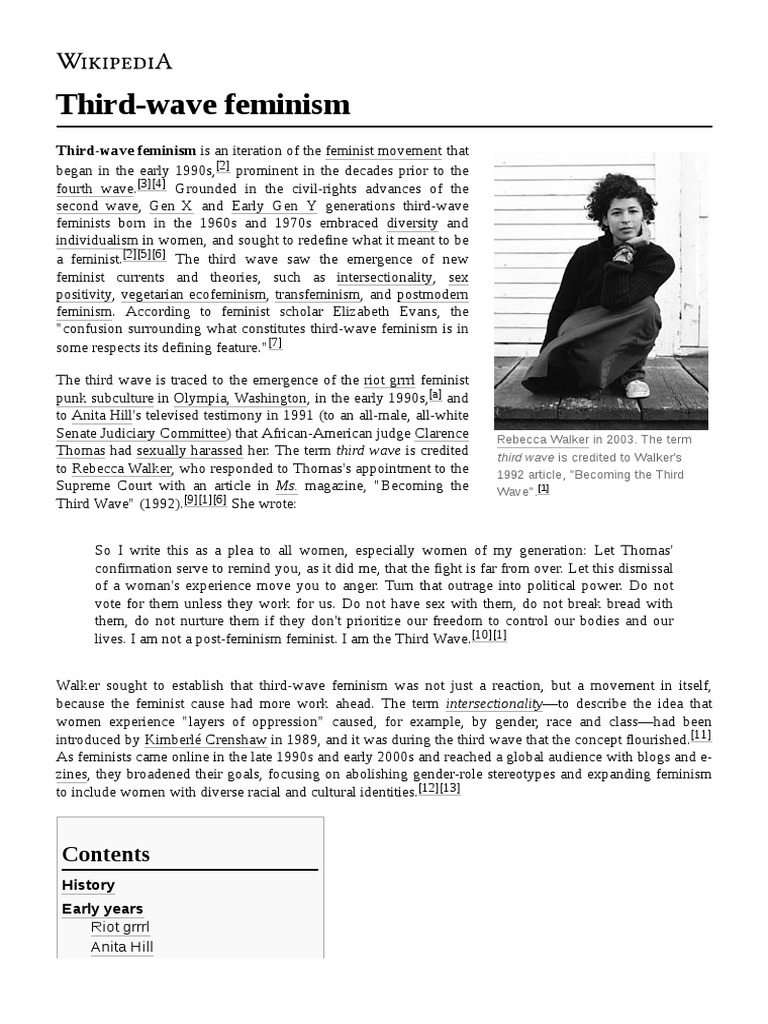
C. Intersectionality: Recognizing the Interlocking Systems of Oppression. Kimberlé Crenshaw’s concept of intersectionality is paramount. The experiences of women are not monolithic; they are shaped by the intersection of multiple identities, including race, class, sexuality, disability, and nationality. A Black woman, for example, experiences oppression in ways that are qualitatively different from those experienced by a white woman, due to the simultaneous effects of racism and sexism. Ignoring these intersections risks perpetuating inequality within the feminist movement itself. A truly feminist analysis must be intersectional, recognizing and addressing the complex and interconnected systems of oppression that affect all women.
III. Equality Reimagined: Beyond Formal Justice, Towards Substantive Liberation
Equality, as a philosophical concept, has often been narrowly defined as formal equality – the principle that everyone should be treated the same under the law. But this notion of formal equality often fails to address the deep-seated inequalities that persist in society. True equality, substantive equality, demands a radical transformation of social structures and power relations, a dismantling of the very systems that perpetuate injustice.
A. From Equal Opportunity to Equal Outcome: Redressing Historical Injustices. Simply providing equal opportunities is not enough to overcome the legacy of historical oppression. Centuries of discrimination have created significant disparities in wealth, education, and access to resources. Achieving substantive equality requires actively redressing these historical injustices through affirmative action policies, reparations, and other forms of restorative justice. This is not about simply leveling the playing field; it’s about actively working to create a society where everyone has the opportunity to thrive, regardless of their background or circumstances.
B. Challenging the Gender Binary: Embracing Fluidity and Diversity. The rigid gender binary, the assumption that there are only two genders – male and female – is a social construct that has been used to justify discrimination and violence against those who do not conform to traditional gender roles. Feminists must challenge this binary, embracing the fluidity and diversity of gender identity and expression. This includes advocating for the rights of transgender and non-binary individuals, challenging gender stereotypes, and creating a society where everyone feels safe and affirmed in their own gender identity.
C. Care Ethics: Revaluing the Feminine and the Relational. Care ethics, a feminist ethical theory, emphasizes the importance of care, empathy, and relationships in moral decision-making. This perspective challenges the traditional emphasis on abstract principles and individual rights, arguing that ethical considerations should be grounded in the specific context of human relationships. Care ethics offers a valuable framework for reimagining equality, one that prioritizes the well-being of all members of society, particularly those who are most vulnerable or marginalized. It offers a path toward a more compassionate and just world, one where caring for others is not seen as a weakness but as a fundamental moral imperative.
The re-evaluation of truth, power and equality through a feminist lens demands nothing short of a paradigm shift. A shift away from the illusion of objectivity, towards an appreciation of situated knowledge. A shift away from patriarchal domination, towards a more equitable distribution of power. A shift away from formal equality, towards a substantive liberation that transforms not just laws and institutions, but hearts and minds. The journey is arduous, the challenges immense, but the destination – a world where all can flourish – is worth the fight.






Leave a Comment