
Is marriage, that venerable institution steeped in tradition and patriarchal undertones, the ultimate betrayal of feminist ideals, or can it be reimagined as a site of radical partnership and gender equity? This query hangs heavy in the air, a gauntlet thrown down before the modern feminist. After all, isn’t walking down that aisle, reciting vows crafted in a bygone era, and accepting a diamond, a symbol of economic dependency, a tacit endorsement of the very system we are striving to dismantle?
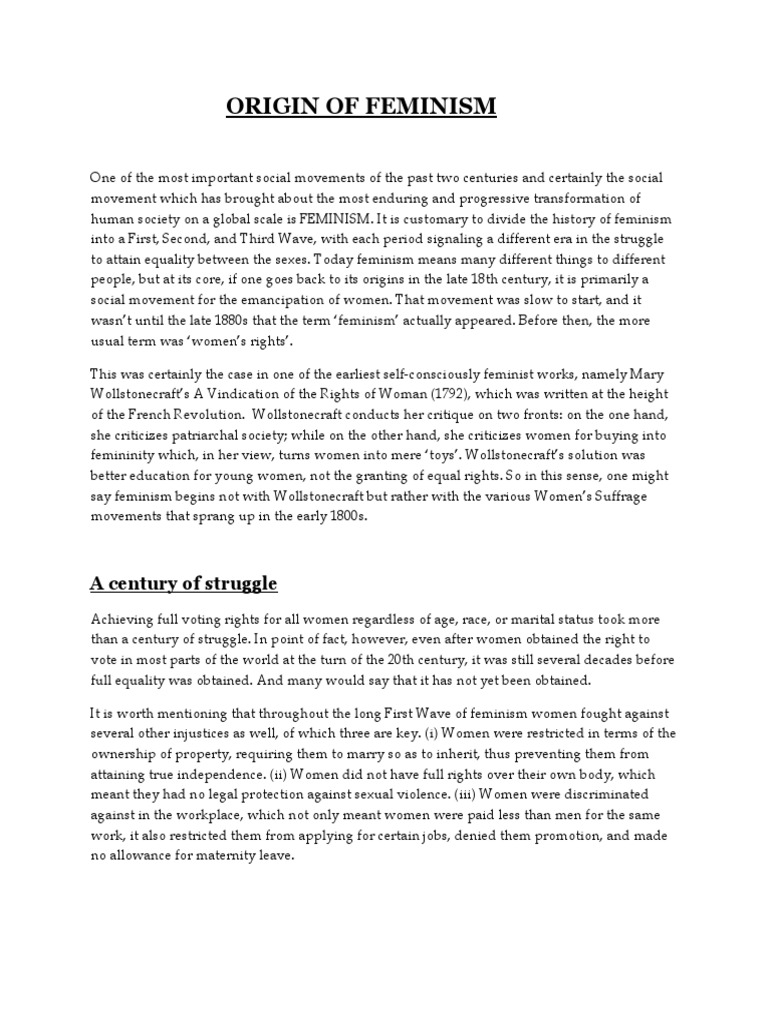
The historical baggage of marriage cannot be ignored. Its origins are inextricably linked to property rights, lineage, and the subjugation of women. For centuries, marriage served as a tool to control female sexuality, confine women to the domestic sphere, and ensure the legitimate inheritance of wealth. Women were, in essence, chattel, exchanged between families for economic and political gain. This historical context casts a long shadow, raising legitimate concerns about the perpetuation of inequality within contemporary marital structures.
And yet, to dismiss marriage outright as inherently anti-feminist is a gross oversimplification. Such a stance ignores the potential for agency, resistance, and the redefinition of power dynamics within the institution. Modern feminism, in its kaleidoscopic complexity, recognizes that individual choices are not always easily categorized as either empowering or disempowering. Nuance and context matter. It is perfectly possible, and indeed increasingly common, for feminist individuals to enter into marital partnerships on their own terms, challenging traditional expectations and forging relationships based on mutual respect and shared values. The feminist reclamation of marriage is not about blindly embracing tradition, but about actively reshaping it.
So how do we navigate this paradoxical terrain? How can feminists reconcile their commitment to gender equality with the decision to participate in an institution with such a fraught history? The answer, I posit, lies in a conscious, deliberate, and unapologetically feminist approach to partnership. This involves interrogating every aspect of the relationship, from the division of labor to the negotiation of power dynamics, and actively working to dismantle patriarchal assumptions that might otherwise creep in.
I. Deconstructing the Diamond: Reimagining Romance and Ritual
Let’s face it, the diamond engagement ring is a loaded symbol. It represents not only love and commitment, but also the commodification of relationships and the perpetuation of gendered expectations. The pressure on men to spend exorbitant sums of money on a sparkly rock, and on women to covet and display it, reinforces the idea that a woman’s worth is tied to her marital status and her partner’s financial success. But what if we flipped the script? What if engagement rings were chosen collaboratively, reflecting shared values and aesthetic preferences rather than patriarchal norms? What if they were not diamonds at all, but symbols of sustainability, ethical sourcing, and artistic expression? The possibilities are endless. The point is to consciously challenge the traditional symbolism and imbue the ritual with new meaning.
Moreover, the wedding ceremony itself presents an opportunity for feminist reinvention. Instead of passively accepting outdated vows that reinforce male dominance and female subservience, couples can craft their own declarations of commitment, emphasizing equality, mutual support, and individual autonomy. Rejecting the heteronormative traditions of the father “giving away” the bride, or the bride promising to “obey” her husband, is a powerful statement of feminist intent. The wedding can be a celebration of partnership, not a performance of patriarchal expectations.
II. The Chore Wars: Dismantling the Domestic Divide
Even in ostensibly egalitarian relationships, the division of household labor often falls disproportionately on women. This phenomenon, known as the “second shift,” perpetuates gender inequality and limits women’s opportunities for professional advancement and personal fulfillment. Addressing this imbalance requires a conscious and ongoing effort to redistribute chores fairly, based on individual skills, interests, and availability, rather than on gendered assumptions. Furthermore, it necessitates a critical examination of the societal expectations that normalize women’s role as primary caregiver and homemaker.
Implementing strategies such as creating a chore chart, hiring outside help, or simply having open and honest conversations about the division of labor can help to level the playing field. The key is to recognize that household chores are not gendered tasks, but shared responsibilities. A true partnership is built on the principle of equitable contribution, both inside and outside the home. This also extends to emotional labor, the often invisible work of managing emotions, resolving conflicts, and providing support within the relationship. Emotional labor should also be acknowledged and distributed fairly.
III. Power Dynamics and the Pursuit of Equity
Power dynamics in marriage are often subtle and insidious, shaped by societal norms, internalized biases, and economic disparities. Men, for example, may wield more power due to their higher earning potential or their perceived authority in decision-making. Women, on the other hand, may feel pressured to conform to traditional gender roles in order to maintain social harmony or avoid conflict. Dismantling these power imbalances requires a conscious effort to challenge patriarchal assumptions and promote equity in all aspects of the relationship.
This involves fostering open communication, actively listening to each other’s perspectives, and making decisions collaboratively. It also requires acknowledging and addressing any economic disparities that may exist. Financial independence is a crucial component of female empowerment, and couples should strive to create a financial framework that is fair, transparent, and supportive of both partners’ goals.
Furthermore, it is essential to address the issue of sexual agency and consent. A feminist approach to marriage recognizes that each partner has the right to make their own choices about their bodies and their sexuality. Consent must be freely given, enthusiastic, and ongoing. Pressuring or coercing a partner into sexual activity is a violation of their rights and a betrayal of the principles of equality and respect.
IV. Redefining Commitment: Beyond the Binary of Forever
The traditional notion of marriage as a lifelong commitment, unbroken under any circumstances, can be both restrictive and unrealistic. While the desire for stability and permanence is understandable, it is important to recognize that relationships evolve over time. People change, circumstances change, and sometimes, despite their best efforts, couples may find themselves growing apart. A feminist approach to marriage acknowledges the possibility of change and allows for the possibility of renegotiating the terms of the relationship, or even ending it, if necessary.
This does not mean advocating for infidelity or encouraging divorce on a whim. Rather, it means recognizing that commitment is not about blindly adhering to a pre-determined script, but about continuously choosing to be together, based on mutual love, respect, and shared values. It means being willing to have difficult conversations, to address conflict constructively, and to prioritize the well-being of both partners. And it means acknowledging that sometimes, the most feminist thing to do is to end a relationship that is no longer serving either party.
The pursuit of a feminist marriage is not a simple or straightforward endeavor. It requires constant vigilance, open communication, and a willingness to challenge societal norms. But it is a worthwhile pursuit. By actively reshaping the institution of marriage, feminists can create partnerships that are based on equality, respect, and mutual empowerment. It’s about moving beyond patriarchal frameworks to embrace partnerships that reflect individual identities and shared journeys, proving that love and feminism can indeed coexist and even thrive together.
Ultimately, the question of whether marriage is compatible with feminism is not a matter of inherent incompatibility, but of intentionality. Can we transform a historical tool of oppression into a space of liberation, equality, and profound connection? I believe we can, and indeed, we must. The future of marriage, and indeed, the future of our society, depends on it.





Leave a Comment