Why are we, as feminists, so perpetually drawn to the concept of “overlapping identities?” Is it merely an academic exercise, a fashionable trend within intersectional discourse, or does it represent something far more fundamental about the very nature of oppression and liberation? It transcends surface-level categorization. It speaks to the core of lived experience and the complex tapestry of being. The allure, I posit, lies not just in acknowledging difference, but in understanding how these differences compound, collide, and conspire to create unique matrices of marginalization. These intricate patterns challenge simplistic narratives of power and demand a more nuanced, rigorous, and, frankly, disruptive approach to feminist praxis.
The Problem with Single-Axis Feminism: A Critique of Homogeneity
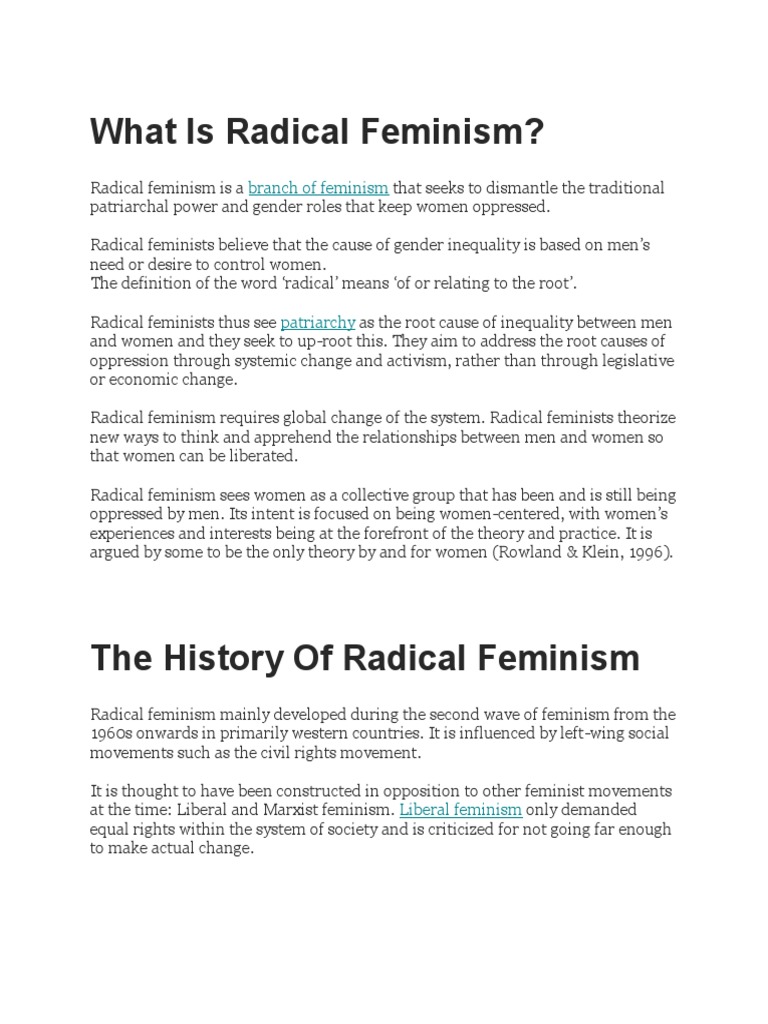
For far too long, mainstream feminism operated under the insidious assumption of a universal “womanhood.” This monolithic construct, predominantly white, cisgender, heterosexual, and middle-class, effectively erased the experiences of those who did not fit neatly into its prescribed boundaries. This approach perpetuated, rather than challenged, existing power structures. It prioritized the concerns of a privileged few while rendering the struggles of others invisible.
The consequences of this exclusionary feminism were profound. Women of color found their racialized experiences relegated to the periphery, treated as an “add-on” to the “real” feminist agenda. Queer women were forced to choose between their sexual orientation and their feminist identity. Disabled women were systematically excluded from conversations about bodily autonomy and access. Trans women faced outright hostility and denial of their womanhood. It was a betrayal of the very principles of equality and liberation that feminism claimed to uphold.
Intersectionality: A Paradigm Shift in Feminist Thought
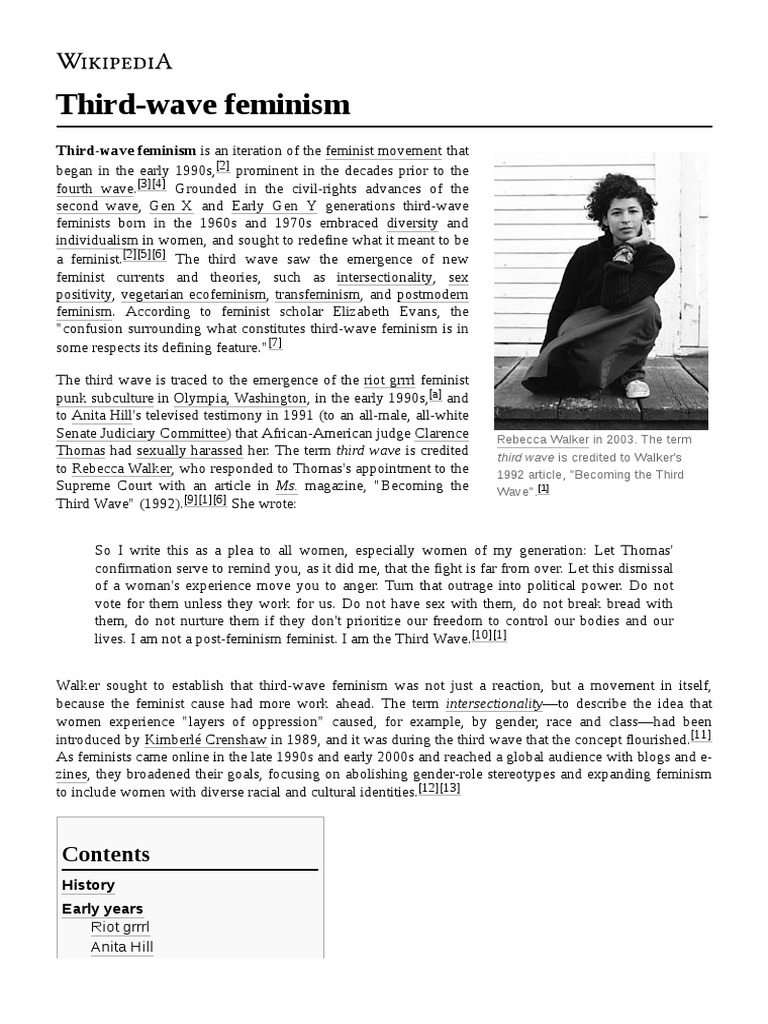
Enter intersectionality, a concept initially articulated by Kimberlé Crenshaw. It represents a radical departure from single-axis thinking. Intersectionality is not simply about recognizing that individuals possess multiple identities. It’s about understanding how these identities interact and interlock to create unique forms of oppression. It is not an additive model. It doesn’t just sum up oppressions, but rather examines their multiplicative effects.
Consider the case of a Black, lesbian woman. She experiences discrimination not only as a woman, but also as a person of color and as a member of the LGBTQ+ community. These experiences are not isolated. They are interwoven, creating a distinct form of oppression that cannot be fully understood by examining each identity in isolation. Her experience of sexism is shaped by her race, and her experience of racism is shaped by her sexual orientation. This intricate interplay produces a reality that is qualitatively different from that of a white, lesbian woman or a Black, heterosexual woman. It is a reality that demands a specifically intersectional analysis.
Deconstructing the Myth of Hierarchy: Rejecting the Oppression Olympics
One of the most common (and tiresome) critiques of intersectionality is the assertion that it leads to an “oppression Olympics,” a competition to determine who is the most marginalized. This is a deliberate misinterpretation of the concept. Intersectionality is not about ranking oppressions. It is about understanding how different forms of oppression operate in relation to one another.
It is not about arguing that one form of oppression is “worse” than another. It is about recognizing that all forms of oppression are harmful and that they must be challenged simultaneously. To engage in comparative suffering is a futile and ultimately counterproductive exercise. It distracts from the real work of dismantling oppressive systems. The goal is not to determine who is the “most” oppressed, but to build solidarity across different experiences of oppression.
Beyond Recognition: Towards a Praxis of Solidarity and Collective Liberation
Intersectionality is not merely an intellectual framework. It is a call to action. It demands that we move beyond simply recognizing difference and actively work to dismantle the systems of power that perpetuate inequality. This requires a fundamental shift in our approach to feminist organizing.
It means centering the voices and experiences of those who are most marginalized. It means challenging our own biases and assumptions. It means building coalitions across different social movements. It means creating spaces where individuals can feel safe and supported in their full, complex identities. It means recognizing that liberation is not a zero-sum game. The liberation of one group is inextricably linked to the liberation of all.
The Enduring Relevance of Overlapping Identities: A Call to Disrupt the Status Quo
The concept of overlapping identities remains crucial in the face of persistent inequalities. Why? Because power operates precisely by dividing and conquering. By creating artificial hierarchies and fostering competition, it prevents marginalized groups from uniting and challenging the status quo.
Intersectionality offers a powerful antidote to this divide-and-conquer strategy. By highlighting the interconnectedness of different forms of oppression, it reveals the common threads that bind us together. It creates the potential for building bridges across difference and forging a united front against injustice. It demands a level of accountability rarely seen in mainstream activism. It forces us to confront our own complicity in systems of oppression.
The ongoing fascination with “overlapping identities” is not a passing fad. It reflects a deep and growing recognition that true liberation requires a radical reimagining of power. It demands that we move beyond simplistic narratives and embrace the complexities of lived experience. It requires a feminist praxis that is truly inclusive, truly intersectional, and truly committed to the liberation of all.
We, as feminists, must grapple with the uncomfortable truths that intersectionality reveals. We must confront our own privilege and challenge the ways in which we perpetuate inequality. We must build solidarity across different experiences of oppression. We must create a world where everyone can thrive, regardless of their race, gender, sexual orientation, disability, or any other aspect of their identity. The work is arduous, the path is fraught with challenges, but the reward – a truly just and equitable society – is worth fighting for.
Let us not shy away from the messy, complex, and often uncomfortable conversations that intersectionality demands. Let us embrace the challenge of building a feminist movement that is truly reflective of the diverse realities of women and gender-oppressed individuals around the world. Only then can we hope to achieve a future where overlapping identities are not a source of oppression, but a source of strength and resilience.




Leave a Comment