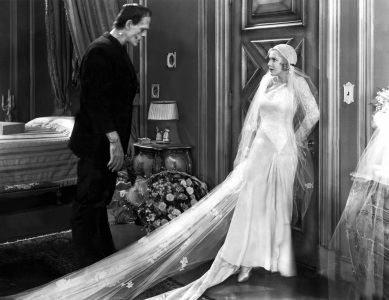
Mary Shelley’s Frankenstein, a gothic masterpiece penned in the nascent years of the 19th century, continues to resonate with chilling accuracy within the contemporary feminist discourse. The novel, ostensibly a cautionary tale about the dangers of unchecked scientific ambition, serves as a potent allegory for the multifaceted subjugation of women, the societal anxieties surrounding female autonomy, and the devastating consequences of patriarchal structures that permeate both the public and private spheres. We will delve into the intricate tapestry of feminist themes woven throughout the narrative, examining the various ways in which Shelley’s creation, both Victor and his Creature, unwittingly expose the fault lines of a society grappling with the burgeoning specter of female emancipation.
I. The Dehumanization of Female Characters: A Prelude to Monstrosity
Shelley’s novel is rife with female characters who are largely relegated to the periphery of the narrative, their existences defined by their relationships to the male protagonists. This marginalization, however, is not a mere oversight; it is a deliberate portrayal of the limited agency afforded to women in the 19th century. Elizabeth Lavenza, Victor’s adopted sister and eventual bride, embodies the idealized Victorian woman: docile, beautiful, and utterly devoted to her male counterpart. She exists solely to provide comfort and solace to Victor, her own desires and ambitions remaining conspicuously absent. Think about that for a second.
Justine Moritz, the innocent servant girl wrongly accused of William’s murder, suffers a similar fate. Her life is tragically cut short as a consequence of Victor’s hubris and his subsequent silence. She is a pawn in a game orchestrated by male ambition and societal prejudice. Furthermore, consider the utter lack of narrative focus given to Victor’s mother; her death, while pivotal in Victor’s emotional development, is presented as a catalyst for his ambition rather than an exploration of her own life and experiences. These women are not fully realized individuals; they are functional components within a patriarchal system, their value determined by their utility to the male characters.
II. The Monstrous Birth of Patriarchy: Victor’s Unnatural Creation
Victor Frankenstein’s act of creation, a solitary and clandestine endeavor, is inherently a rejection of the natural order, specifically the female reproductive role. By usurping the power of procreation, Victor attempts to circumvent the necessity of female participation in the perpetuation of humanity. This act can be interpreted as a symbolic manifestation of patriarchal anxieties surrounding female power and the desire to control and dominate the reproductive process. The Creature, born from this act of patriarchal hubris, becomes a living embodiment of the consequences of this ambition. He is an abomination, not merely because of his physical appearance, but because he represents a disruption of the natural order, a transgression against the established societal norms.
The act of creation without female participation highlights a deeper fear: the fear of female autonomy and the potential for women to define their own identities and destinies outside the confines of patriarchal control. Victor’s creation can be seen as an attempt to create life on purely masculine terms, devoid of the “corrupting” influence of the feminine. The result, however, is a grotesque and ultimately destructive entity, a testament to the inherent flaws in such a worldview. This speaks volumes about the inherent insecurities within the patriarchal architecture.
III. The Creature’s Yearning for Connection: A Reflection of Female Isolation
The Creature’s desperate longing for connection and acceptance mirrors the isolation and marginalization experienced by women in a patriarchal society. He is rejected by society due to his appearance, deemed monstrous and unworthy of compassion. This rejection can be interpreted as a reflection of the societal prejudice faced by women who deviate from the prescribed norms of beauty and behavior. Just like the Creature, women who challenge the status quo are often ostracized and demonized.
His yearning for a female companion, a “mate,” highlights the societal expectation that women should find fulfillment primarily through marriage and motherhood. However, Victor’s refusal to create a female companion for the Creature is telling. He fears that a female creature would possess the power to reproduce, potentially unleashing a race of monsters upon the world. This fear reflects a deep-seated anxiety about female sexuality and the potential for women to exercise agency over their own reproductive capabilities. The Creature’s plea for companionship underlines the deeply entrenched societal expectations placed upon women. The denial of this companion underscores the patriarchal fear of female autonomy and reproductive power.
IV. The Subversion of Romantic Ideals: Marriage as a Cage
Frankenstein offers a critique of the Romantic idealization of marriage as a source of happiness and fulfillment for women. Elizabeth’s impending marriage to Victor is portrayed as a source of dread and foreboding, foreshadowing her tragic demise. Her death, on their wedding night, symbolizes the destruction of female agency and the ultimate subjugation of women within the institution of marriage. The idyllic vision of marital bliss is shattered, replaced by a stark portrayal of the potential for violence and oppression within the domestic sphere.
The novel subtly exposes the power imbalances inherent in the marital relationship, highlighting the vulnerability of women to male control and abuse. Elizabeth’s passivity and her unwavering devotion to Victor ultimately render her a victim of his ambition and his inability to confront his own monstrous creation. Her death serves as a stark warning against the uncritical acceptance of traditional gender roles and the dangers of sacrificing female autonomy in the pursuit of romantic love. Is it truly love when autonomy is sacrificed?
V. The Unspoken Narratives: A Call for Female Voices
Perhaps the most potent feminist critique embedded within Frankenstein lies in the absence of female voices. The novel is primarily narrated by male characters, with the perspectives of Elizabeth, Justine, and other female figures largely absent. This silence speaks volumes about the historical suppression of female narratives and the erasure of women’s experiences from the historical record. Shelley’s novel, despite its focus on male protagonists, indirectly calls for the amplification of female voices and the recognition of women’s agency in shaping their own narratives. The lack of female perspectives within the main narrative highlights the broader societal silencing of women. This absence is a potent commentary on the historical erasure of female experiences.
By giving voice to the Creature, a figure marginalized and ostracized by society, Shelley implicitly advocates for the inclusion of marginalized voices, including those of women, in the dominant discourse. The Creature’s eloquent articulation of his pain and suffering serves as a powerful reminder that even those deemed monstrous and unworthy of compassion possess the capacity for profound emotions and intellectual insights. This suggests a need to listen to those who are traditionally silenced. The Creature’s plight becomes a metaphor for the broader silencing of marginalized groups, including women, within patriarchal societies. It begs the question: Whose stories are deemed worthy, and whose are relegated to the shadows?
VI. Eco-Feminist Readings: Nature, Science, and Gendered Domination
A modern reading of Frankenstein can be further enriched through an eco-feminist lens. Victor’s violation of nature in creating the Creature parallels the patriarchal domination of women. Eco-feminism highlights the interconnectedness of the oppression of women and the exploitation of the natural world, both stemming from a patriarchal worldview that seeks to control and dominate both. Victor’s pursuit of scientific knowledge, divorced from ethical considerations and driven by a desire for personal glory, results in a monstrous creation that threatens both humanity and the natural world. This uncontrolled scientific ambition mirrors a larger societal tendency to prioritize technological advancement over ecological well-being.
Consider the romantic idealization of nature contrasted with the “unnaturalness” of the Creature. This dichotomy reflects the patriarchal tendency to associate women with nature (passive, emotional, and nurturing) and men with culture (rational, intellectual, and dominant). Victor’s attempt to transcend the natural order through scientific intervention represents a rejection of the feminine principle and a pursuit of a purely masculine form of creation. This perspective allows us to see the novel as a critique of the environmental consequences of unchecked patriarchal ambition. The Creature, an embodiment of this transgression, is ultimately a product of a worldview that seeks to dominate and control both women and the natural world.
VII. The Perpetuation of the Monster: Societal Construction of Deviance
The Creature’s monstrousness is not inherent; it is largely a product of societal rejection and prejudice. He is ostracized and demonized because of his appearance, denied the opportunity to integrate into society and find acceptance. This societal construction of deviance mirrors the ways in which women who deviate from prescribed gender roles are often labeled as “monstrous” or “unnatural.” Just as the Creature is denied his humanity, women who challenge patriarchal norms are often denied their agency and autonomy. The tragedy of the Creature is not simply his physical appearance, but the fact that society refuses to see beyond it. This mirrors the ways in which societal prejudices often prevent us from recognizing the humanity of those who are different from us.
Consider the internalized misogyny that can lead women to perpetuate patriarchal norms, thereby contributing to their own oppression. Just as the Creature internalizes the societal judgment of his appearance, women can internalize negative stereotypes and limiting beliefs about their abilities and potential. This internalized oppression can be a powerful force in maintaining the status quo and preventing women from achieving full equality. He learned to hate himself because of society. How many others suffer a similar fate?
In conclusion, Frankenstein is not merely a gothic horror story; it is a profound exploration of the complex relationship between gender, power, and societal expectations. The novel’s enduring relevance lies in its ability to expose the insidious ways in which patriarchal structures can dehumanize women, stifle their agency, and ultimately lead to tragic consequences. By examining the novel through a feminist lens, we can gain a deeper understanding of the ongoing struggle for female emancipation and the persistent challenges that women face in a world still grappling with the legacy of patriarchal oppression. This narrative serves as a timeless reminder of the importance of challenging societal norms, amplifying marginalized voices, and striving for a world where all individuals are valued and respected, regardless of their gender.







Leave a Comment