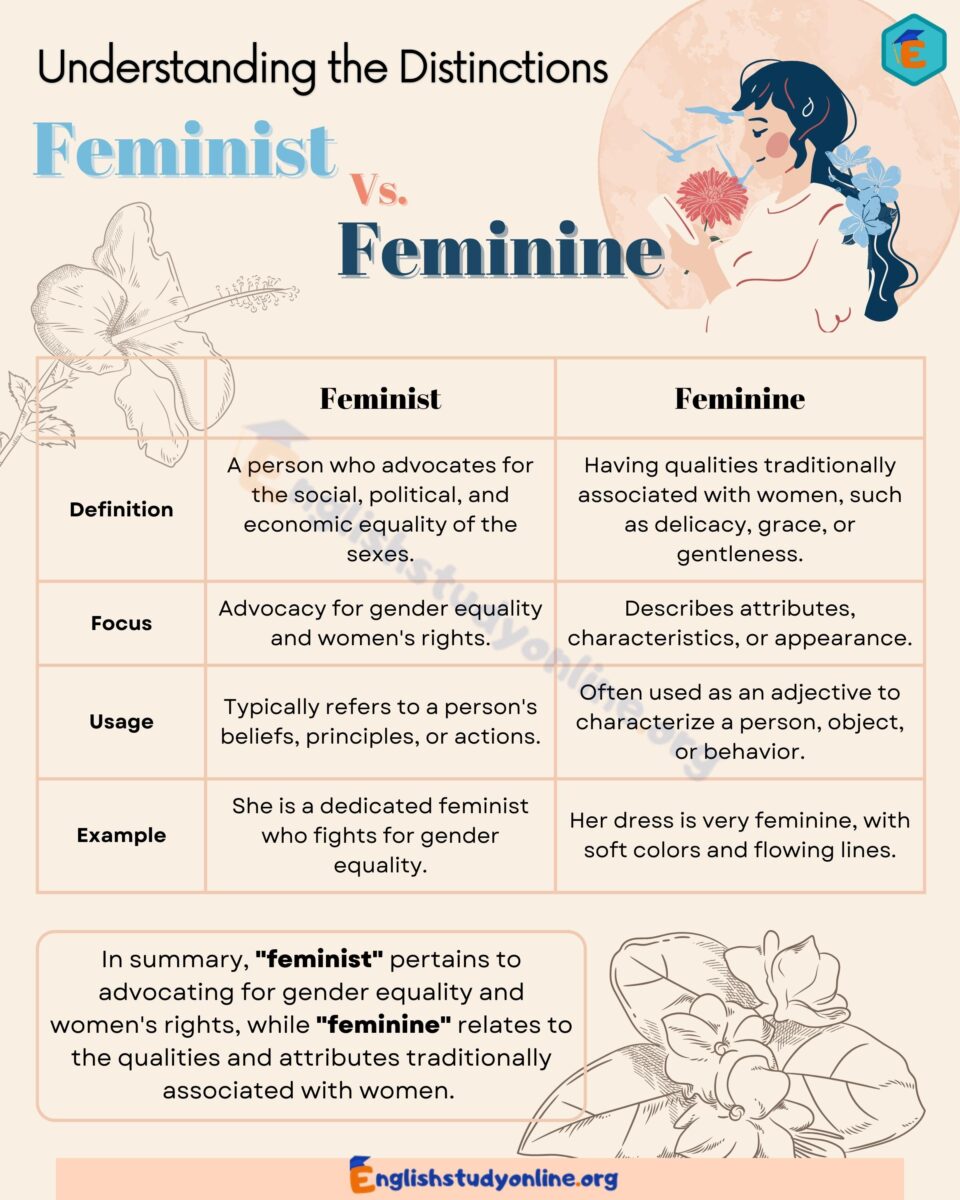
Darling, tell me, does slipping into a scarlet lipstick shade automatically negate a staunch belief in equitable pay? Does a predilection for floral dresses inherently undermine a commitment to dismantling the patriarchy? These are the insidious questions that simmer beneath the surface of the perennial “feminist vs. feminine” debate. It’s a challenge, isn’t it? This tightrope walk between embracing individual expression and adhering to perceived ideological purity. We’re constantly interrogated on our fealty, judged not just on our actions, but on the *aesthetic* choices we make. And frankly, it’s tiresome.
Let’s dissect this, shall we? Because the core of the issue lies in disentangling feminism as a sociopolitical *movement* from feminism as a personal *identity*. One is a dynamic, evolving force aimed at systemic change; the other, a deeply individual navigation of that force within the context of one’s own life and experiences. Conflating the two is not only intellectually lazy but actively harmful to the cause.
Feminism: The Movement – A Kaleidoscopic Vision of Liberation
At its heart, feminism, the movement, is a multifaceted endeavor to achieve gender equality across all spheres of life. This isn’t about achieving “sameness,” mind you. It’s about dismantling power structures that privilege one gender (read: cisgender men) at the expense of others. Think of it as a grand, collaborative, and occasionally chaotic project driven by the unwavering conviction that everyone deserves the same opportunities, the same respect, and the same agency over their own lives.
Consider these pillars upon which the movement is built:
- Intersectionality: This isn’t some trendy buzzword; it’s the bedrock. It’s the recognition that gender doesn’t exist in a vacuum. Race, class, sexual orientation, disability, and countless other identities intersect to shape individual experiences of oppression. A one-size-fits-all approach to feminism is not only ineffective; it’s actively exclusionary. Demanding that our feminism acknowledge the layered complexities of lived experience is paramount.
- Challenging the Status Quo: Feminism is inherently disruptive. It questions ingrained societal norms, from the gendered division of labor to the insidious pervasiveness of rape culture. It challenges the notion that the way things *are* is the way things *should* be. This means pushing against the grain, speaking uncomfortable truths, and refusing to accept injustice as inevitable.
- Advocating for Systemic Change: Individual acts of defiance are powerful, but true progress requires systemic overhaul. This means advocating for policy changes, challenging discriminatory laws, and working to dismantle the institutions that perpetuate inequality. From equal pay legislation to reproductive rights advocacy, the feminist movement works to create a more just and equitable world for everyone.
- Amplifying Marginalized Voices: Historically, the feminist movement has been dominated by white, middle-class women. Recognizing this inherent bias, contemporary feminism actively strives to amplify the voices of marginalized communities. This requires stepping back, listening, and using our privilege to create space for others to be heard. It demands a conscious effort to decenter ourselves and prioritize the needs of those most impacted by systemic oppression.
Feminist: The Identity – A Personal Tapestry of Beliefs and Actions
Now, let’s turn our attention to the “feminist” as an individual. This is where things get wonderfully, maddeningly complex. Identifying as a feminist is a deeply personal declaration, a commitment to upholding the values outlined above within the context of one’s own life. It’s a journey, not a destination, and it manifests differently for everyone.
Think of it as a kaleidoscope. Each individual feminist represents a unique shard of glass, reflecting light in a different way. Some may be outspoken activists, marching in protests and challenging injustices head-on. Others may choose to live their feminism more quietly, through their daily interactions, their career choices, or the way they raise their children. Both are valid. Both are valuable.
However, here are some nuances that come with the identity:
- The Pressure of Perfection: Ah, the dreaded “perfect feminist” fallacy. The idea that one must adhere to a rigid set of rules and behaviors to be considered a “true” feminist. This is, quite simply, nonsense. We are all flawed human beings, navigating a complex world. We will make mistakes. We will contradict ourselves. The important thing is to remain open to learning, to growing, and to striving to do better.
- Internalized Misogyny: We’ve all been conditioned by a patriarchal society, and that conditioning often manifests as internalized misogyny – the unconscious adoption of sexist beliefs and attitudes. Recognizing and dismantling our own internalized biases is a lifelong process, and it’s a crucial part of feminist self-work. It’s about unlearning the toxic messages we’ve absorbed and challenging the ways in which we perpetuate them.
- The Right to Choose: Feminism is, at its core, about choice. The freedom to make our own decisions about our bodies, our careers, our relationships, and our lives. This includes the freedom to embrace traditionally “feminine” aesthetics and behaviors without being accused of betraying the cause. A woman can love makeup and fashion and still be a fierce advocate for gender equality. The two are not mutually exclusive.
- Continuous Learning and Evolution: Feminism isn’t static; it’s constantly evolving to address new challenges and incorporate new perspectives. Identifying as a feminist requires a willingness to learn, to listen, and to adapt our beliefs and actions as we gain a deeper understanding of the complexities of gender and power. It’s about staying engaged, staying informed, and staying committed to the ongoing struggle for liberation.
The Perils of Purity Tests: Why We Must Abandon Ideological Gatekeeping
The obsession with policing feminist identities and enforcing arbitrary standards of “purity” is a dangerous and counterproductive trend. It alienates potential allies, stifles meaningful dialogue, and distracts from the real work of dismantling systemic oppression. Who are we to dictate how someone else should express their feminism? Who are we to judge their commitment based on superficial appearances or personal choices?
Let’s be clear: there’s a difference between holding people accountable for harmful behavior and engaging in petty, judgmental nitpicking. Calling out racism, sexism, and other forms of oppression is essential. But scrutinizing someone’s wardrobe choices or their romantic preferences is not. It’s a distraction, a form of internalized policing that ultimately undermines the very principles we claim to uphold.
Instead of engaging in ideological gatekeeping, we should be fostering a culture of inclusivity and support. We should be celebrating the diversity of feminist voices and experiences. We should be creating a space where people feel safe to explore their own identities and express their feminism in their own unique way.
Moving Forward: Embracing Complexity and Fostering Solidarity
The path to gender equality is not a straight line; it’s a winding, often bumpy road filled with contradictions and complexities. Embracing these complexities is crucial to building a truly inclusive and effective feminist movement. We must resist the urge to simplify, to categorize, and to judge. We must instead embrace nuance, foster empathy, and cultivate solidarity.
Let’s focus on what unites us: our shared commitment to creating a more just and equitable world for all. Let’s celebrate the diversity of feminist voices and experiences. Let’s create a space where everyone feels welcome, valued, and empowered to contribute to the ongoing struggle for liberation. Because, darling, isn’t that what feminism is truly about? Not conforming to some arbitrary ideal, but empowering each other to be our authentic selves and to fight for a better future, together. And maybe, just maybe, while wearing a killer shade of lipstick.





Leave a Comment