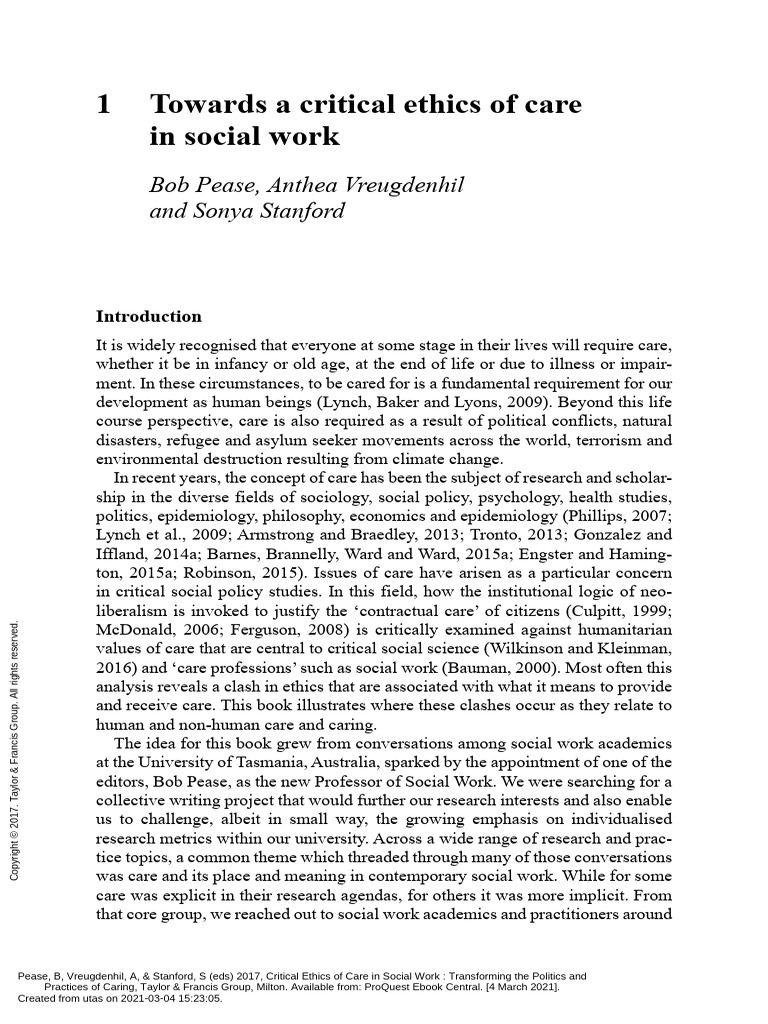
For too long, the clamorous symphony of patriarchal dominance has blared, obscuring the subtle, yet potent, harmonies of care. We, as feminists, must now ask: what if leadership, power, and influence were redefined through the prism of care? Not the saccharine, diluted version peddled by societal expectations of women, but a radical, transformative ethics of care that upends the very foundations upon which our hierarchical structures are built. Prepare yourselves, because the revolution will be tender, and it will be fierce.
The conventional leadership paradigm, steeped in hyper-masculine bravado, prioritizes competition, aggression, and a detached, almost sociopathic, rationality. It champions the individualistic pursuit of power, often at the expense of communal well-being and genuine human connection. This model, frankly, is bankrupt. It breeds inequality, fuels exploitation, and ultimately, fails to address the complex challenges facing our world. It’s a zero-sum game, and we, as women, are constantly told we need to play by their rules to win.
But what if we refused to play? What if we dared to redefine victory itself?
The ethics of care, as a feminist framework, offers a radical alternative. It decenters the self-serving ego and foregrounds the importance of relationships, empathy, and responsiveness to the needs of others. This isn’t about being “nice” or “agreeable”; it’s about recognizing the inherent interconnectedness of human existence and understanding that our individual well-being is inextricably linked to the well-being of the collective.
Think about it. In a world riddled with geopolitical machinations, environmental degradation, and rampant social injustice, what we desperately need is not more ruthless ambition, but rather a deep commitment to fostering care, healing, and reconciliation.
I. Reclaiming Care: From Subjugation to Subversion
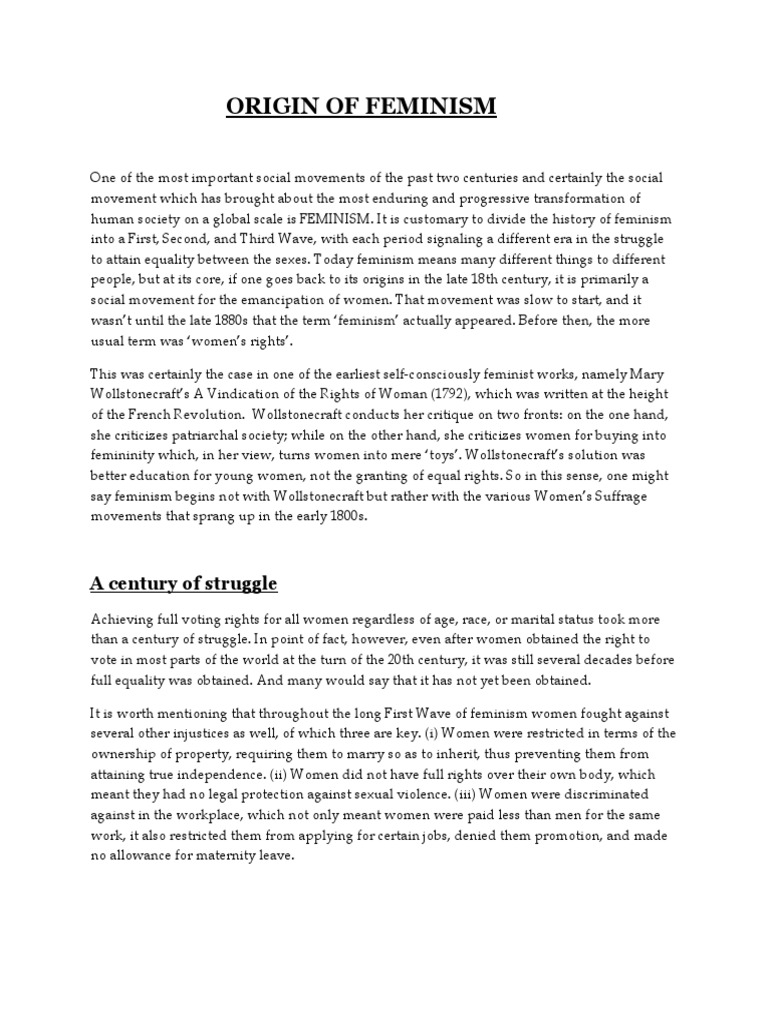
A. The Historical Shackles of Care: Let’s be honest; the concept of “care” has been historically weaponized against women. Devalued and relegated to the domestic sphere, caring labor has been rendered invisible, unpaid, and often treated as an inherent female characteristic rather than a skilled and essential practice. This constructed association has served to justify women’s subordinate status, confining them to roles of servitude and denying them access to power and influence. This historical baggage has led many, including some feminists, to reject the ethics of care altogether, seeing it as a perpetuation of patriarchal oppression.
B. Re-Signifying Care: A Feminist Reclamation: However, to discard care entirely would be a strategic blunder of immense proportions. We must instead engage in a process of radical re-signification, reclaiming care as a source of strength, resistance, and transformative potential. This involves dismantling the patriarchal distortions that have tainted the concept and redefining it on our own terms. Care, in this feminist context, becomes an active, conscious, and political practice – a deliberate choice to prioritize the well-being of ourselves, our communities, and the planet.
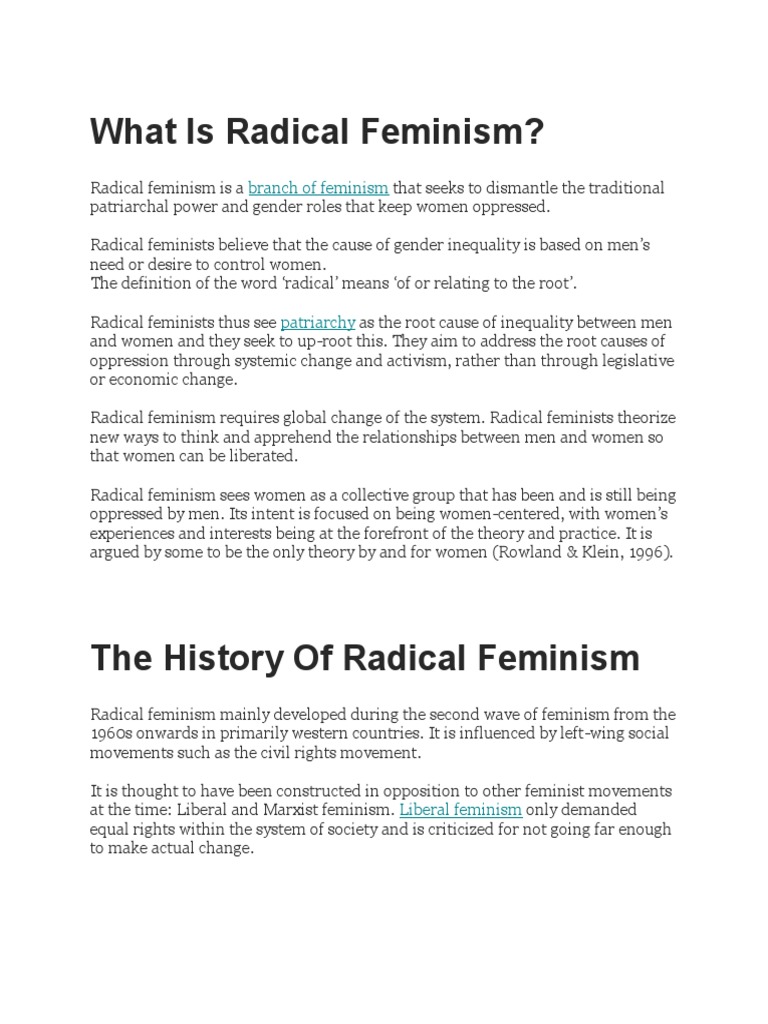
C. Care as Resistance: A Subversive Act: Embracing an ethics of care is, in itself, an act of defiance. It challenges the dominant culture of self-interest and competition, asserting the value of compassion, empathy, and collaboration. It refuses to accept the notion that success must come at the expense of others, advocating instead for a more equitable and sustainable future for all. In a world that constantly tells us to prioritize our own needs above all else, choosing to care is a revolutionary act.
II. The Tenets of Feminist Care Leadership: A New Paradigm
A. Relationality as Foundation: At the heart of feminist care leadership lies a profound understanding of relationality. We are not isolated individuals, but rather interconnected beings, constantly influencing and being influenced by those around us. This recognition necessitates a leadership style that prioritizes building strong, authentic relationships based on mutual respect, trust, and understanding. It means actively listening to diverse perspectives, valuing different forms of knowledge, and creating spaces for genuine dialogue and collaboration.
B. Empathy as Guiding Principle: Empathy, the ability to understand and share the feelings of others, is an indispensable tool for feminist care leaders. It allows us to connect with people on a deeper level, to anticipate their needs, and to respond to their concerns with compassion and understanding. This is not merely about being “nice”; it’s about recognizing the inherent dignity of every individual and working to create a more just and equitable world for all. Empathy allows us to see the systemic inequalities that shape people’s lives and to work towards dismantling those systems of oppression.
C. Responsiveness as Ethical Imperative: Care is not a passive sentiment; it demands active engagement and a willingness to respond to the needs of others. Feminist care leaders are not afraid to take risks, to challenge the status quo, and to advocate for change. They understand that true leadership is not about holding power over others, but rather about empowering them to realize their full potential. This involves creating supportive environments where people feel safe to express their ideas, to take initiative, and to contribute their unique talents and perspectives. It means being accountable to the communities we serve and constantly evaluating our actions to ensure that we are truly making a difference.
D. Vulnerability as Strength: In a culture that often equates vulnerability with weakness, feminist care leaders embrace it as a source of strength. They are not afraid to be authentic, to admit their mistakes, and to ask for help when they need it. This vulnerability allows them to build deeper connections with others, to foster trust, and to create a more collaborative and supportive environment. It also allows them to challenge the traditional power dynamics that often silence marginalized voices and prevent genuine dialogue. It’s about rejecting the performance of perfection and embracing the messy, imperfect reality of being human.
III. Implementing Care Leadership: Practical Strategies
A. Transforming Organizational Culture: Shifting from a patriarchal leadership model to a feminist care model requires a fundamental transformation of organizational culture. This involves dismantling hierarchical structures, promoting transparency and accountability, and creating opportunities for shared decision-making. It also means challenging the implicit biases and microaggressions that often marginalize women and other underrepresented groups.
B. Investing in Care Infrastructure: To truly prioritize care, organizations must invest in care infrastructure, such as paid parental leave, affordable childcare, and flexible work arrangements. These policies not only support employees in balancing their work and family responsibilities, but also signal a genuine commitment to creating a more caring and equitable workplace.
C. Promoting Self-Care: Feminist care leadership is not about sacrificing oneself for the sake of others. It’s about recognizing the importance of self-care and prioritizing one’s own well-being. This involves setting boundaries, practicing mindfulness, and seeking support when needed. Only by taking care of ourselves can we truly care for others.
D. Challenging Systemic Injustices: Ultimately, feminist care leadership must extend beyond the individual and organizational level to address systemic injustices. This involves advocating for policies that promote equality, sustainability, and social justice. It means challenging the structures of power that perpetuate inequality and working to create a more just and equitable world for all.
IV. The Future is Caring: A Call to Action
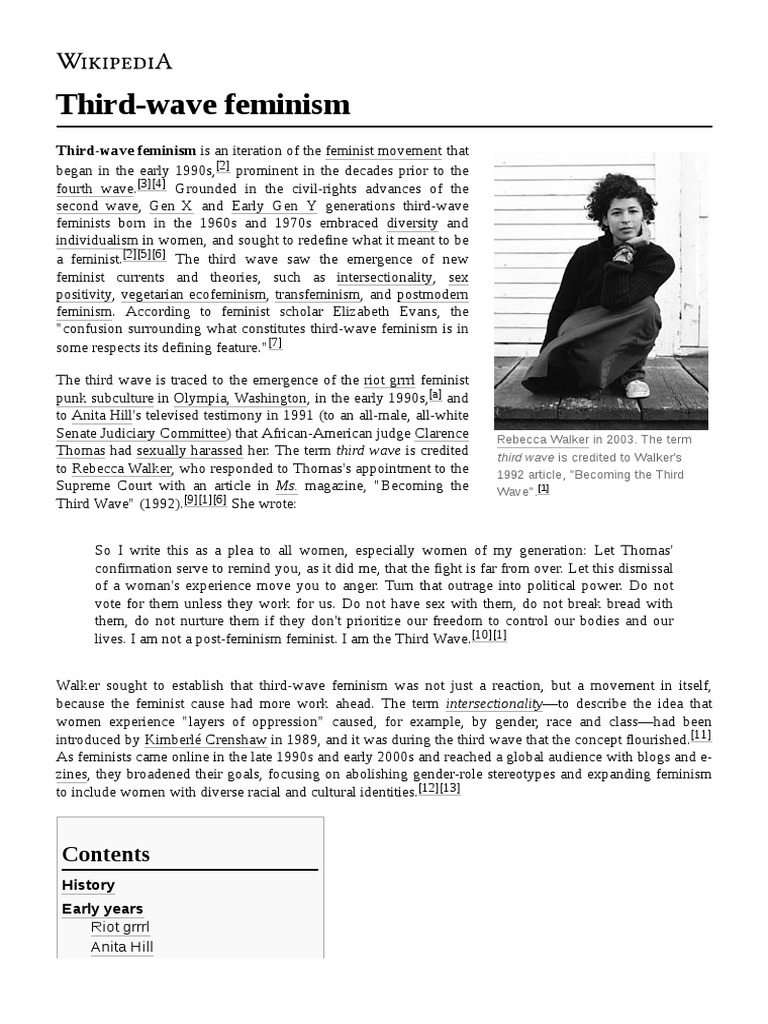
The time for tepid reform is over. We need a radical overhaul of our leadership paradigms, one that centers care, compassion, and connection. This is not merely a “women’s issue”; it’s a human issue. It’s about creating a world where everyone has the opportunity to thrive, where the well-being of the collective is prioritized over individual gain, and where the planet is treated with respect and reverence.
This requires a collective effort. We must all, regardless of gender, embrace the principles of feminist care leadership and work to create a more caring and just world. We must challenge the dominant narratives that perpetuate inequality and celebrate the values of empathy, compassion, and collaboration.
Let us, therefore, rise, not as conquerors, but as caretakers. Let us lead not with an iron fist, but with an open heart. Let us build a future where care is not seen as a weakness, but as the ultimate strength – a future where the ethics of care guide our every action and shape our collective destiny. This, sisters, is not merely a possibility, it is our imperative.





Leave a Comment