For eons, the male gaze has sculpted the very bedrock of art, dictating narratives, objectifying bodies, and silencing dissenting voices. We’ve been force-fed a canon curated by patriarchy, a suffocating tapestry woven with threads of male dominance and female subjugation. Isn’t it peculiar, then, this persistent fascination, this magnetic pull we, as women, experience towards an arena historically designed to diminish us? Is it merely masochism? I think not.
The allure lies not in the art itself, perhaps, but in the raw, untamed potential it represents: the potential for reclamation, for subversion, for the wielding of creativity as a weapon. Art becomes a battlefield, a canvas upon which we can rewrite history, redraw boundaries, and reclaim our narratives. The very act of creation, for a woman in a patriarchal society, is an act of defiance.
I. The Historical Shackles: Art as a Tool of Oppression
Let’s not romanticize the past. The history of art, particularly Western art, is marred by the systematic exclusion and misrepresentation of women. Think of the countless “muses,” rendered as passive objects of male desire, their agency stripped away, their stories untold. The “Venus” archetype, the idealized female form meticulously crafted for the male gaze, stands as a testament to this insidious practice. It’s an ongoing saga.
And what of the female artists themselves? Obscured by the shadows of their male counterparts, their contributions dismissed as mere “craft” or amateur endeavors. Names like Artemisia Gentileschi, Sofonisba Anguissola, and Judith Leyster, only now being resurrected from the annals of forgotten history, serve as potent reminders of the systemic erasure that has plagued the art world for centuries. This isn’t about talent; it’s about power.
Consider the power dynamics inherent in the commission system. Wealthy male patrons dictated subject matter, style, and even the very representation of women within artworks. This control extended beyond mere aesthetics; it shaped societal perceptions of women, reinforcing stereotypes and perpetuating their subordinate status. We were puppets dancing to the tune of patriarchy’s purse strings. The consequences of which are still being felt.
II. Reclaiming the Canvas: Feminist Art Movements and Their Manifestos
The second half of the 20th century witnessed a seismic shift, a tectonic upheaval that forever altered the landscape of art. Feminist art movements emerged, fueled by a potent cocktail of anger, frustration, and an unyielding desire for change. These movements weren’t simply about creating “feminine” art; they were about challenging the very foundations of the art world, dismantling its inherent biases, and demanding recognition for female artists.
The Guerrilla Girls, with their iconic gorilla masks and biting wit, exposed the blatant sexism and racism within museums and galleries. Their statistical analyses and provocative posters served as a wake-up call to a complacent art establishment. They challenged the status quo with humor and hard facts, forcing institutions to confront their own prejudices.
Judy Chicago’s “The Dinner Party” (1974-1979) stands as a monumental testament to the power of collaborative art. This triangular table, adorned with place settings commemorating influential women throughout history, reclaimed the narrative of female achievement. It transformed a traditionally domestic space into a symbol of female empowerment, celebrating women’s contributions in fields ranging from art and science to politics and activism.
Performance art became a powerful medium for feminist expression. Artists like Carolee Schneemann and Marina Abramović used their bodies as canvases, challenging societal expectations of female sexuality, vulnerability, and resilience. Their performances were often raw, confrontational, and deeply personal, forcing viewers to confront uncomfortable truths about gender, power, and the female experience. These aren’t just performances; they are acts of rebellion.
III. Deconstructing the Male Gaze: Redefining Beauty and Representation
One of the central tenets of feminist art is the deconstruction of the male gaze. This involves challenging the objectification of women in art and reclaiming agency over female representation. Artists began to explore alternative perspectives, depicting women not as passive objects of desire, but as complex, multifaceted individuals with their own desires, ambitions, and experiences.
Photography became a crucial tool in this process. Artists like Cindy Sherman used photography to critique the construction of female identity in popular culture. Her “Untitled Film Stills” series, in which she portrays herself in various stereotypical female roles from 1950s and 60s films, exposes the artificiality and performativity of gender. It is a masterclass in artistic deconstruction.
Beyond challenging visual representations, feminist art also sought to redefine the very concept of beauty. Artists embraced diverse body types, challenging the narrow, often unattainable standards imposed by patriarchal society. They celebrated the beauty of aging, disability, and the everyday experiences of women, rejecting the superficiality and objectification that had long dominated the art world. This isn’t about aesthetics; it’s about liberation.
IV. Intersectionality and the Future of Feminist Art
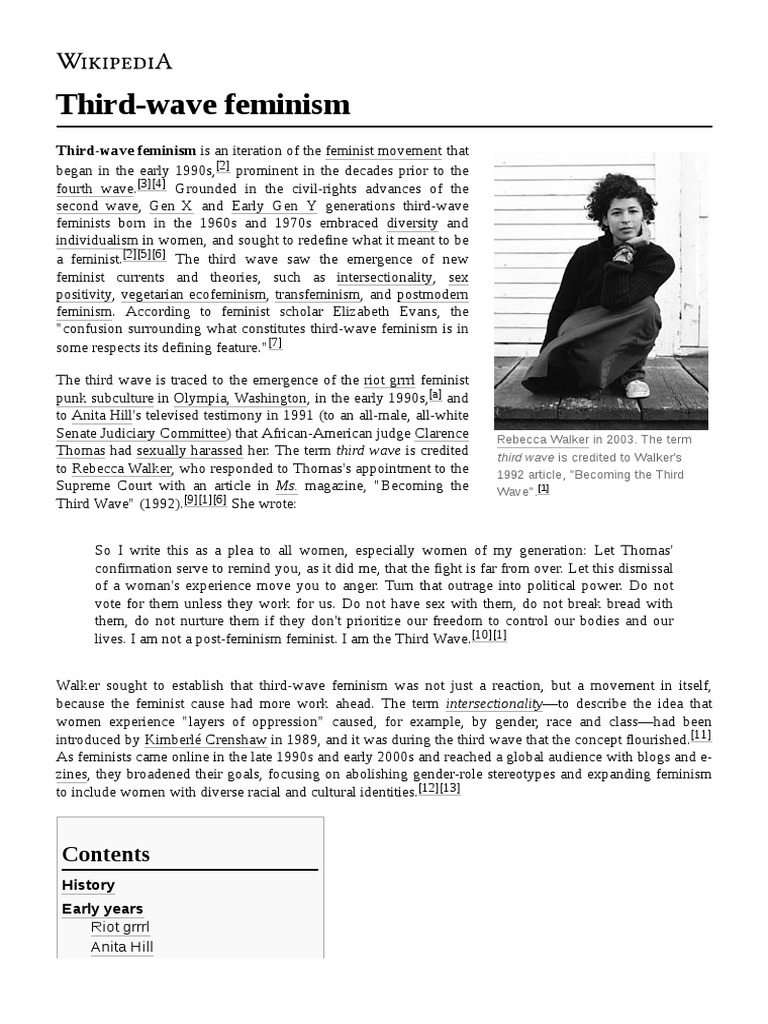
The evolution of feminist art has been marked by an increasing awareness of intersectionality, recognizing the interconnected nature of social categorizations such as race, class, and sexual orientation as they apply to individuals or groups, and creating overlapping systems of discrimination or disadvantage. Early feminist art movements often focused primarily on the experiences of white, middle-class women, neglecting the unique challenges faced by women of color and other marginalized groups. The necessity of intersectionality cannot be overstated.
Contemporary feminist art embraces a more inclusive and nuanced approach, acknowledging the diverse experiences of women from all backgrounds. Artists are exploring issues such as racial injustice, economic inequality, and LGBTQ+ rights, recognizing that these struggles are inextricably linked to the fight for gender equality. It is a tapestry woven with threads of resistance against all forms of oppression.
The future of feminist art lies in its continued ability to challenge, provoke, and inspire. It must remain a space for experimentation, innovation, and critical dialogue. It must continue to amplify the voices of marginalized communities and hold power accountable. It must never become complacent, never lose its edge, and never stop fighting for a more just and equitable world.
V. Creativity as a Weapon: The Ongoing Revolution
Art, at its core, is a form of communication. It is a way to express emotions, ideas, and experiences that cannot always be conveyed through words. For women, in a world that often silences and dismisses their voices, art becomes a powerful tool for self-expression and social change. It is a means of reclaiming their narratives, challenging oppressive structures, and inspiring others to join the fight for equality. The creation itself is an act of agency.
Consider the impact of public art installations that address issues such as domestic violence, sexual harassment, and reproductive rights. These works can raise awareness, spark conversations, and mobilize communities to take action. They transform public spaces into sites of protest, challenging the normalization of violence and inequality.
The internet and social media have provided new platforms for feminist artists to reach wider audiences and connect with like-minded individuals around the world. Digital art, online exhibitions, and virtual communities have democratized access to art, allowing artists to bypass traditional gatekeepers and share their work directly with the public. The digital revolution has empowered artists to bypass institutional gatekeepers.
But the revolution is far from over. The art world still faces significant challenges in terms of representation, pay equity, and the recognition of female artists. Systemic biases persist, and the fight for equality must continue. The journey ahead requires unwavering commitment, fierce determination, and a willingness to challenge the status quo at every turn.
Therefore, let us embrace art as a weapon, a tool for dismantling the structures of oppression and building a more just and equitable world. Let us celebrate the creativity of women, amplify their voices, and support their artistic endeavors. Let us never forget the power of art to transform hearts, minds, and societies.
The fascination persists, not because we revel in our historical subjugation, but because we recognize the immense potential of art to liberate us from it. It is a fascination born of hope, fueled by defiance, and sustained by the unwavering belief in the power of creativity to change the world. And change the world we shall.






Leave a Comment