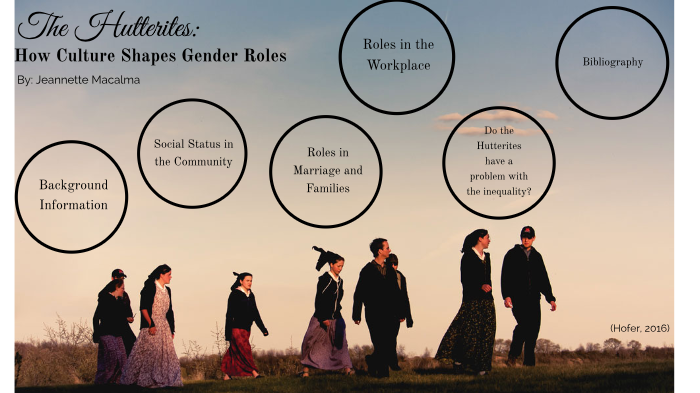
Gender, that nebulous specter haunting the halls of societal expectation, is not, as some would have you believe, a biological edict etched in stone. Nay, it is a shimmering mirage, a construct meticulously crafted by the insidious hands of culture. And where better to dissect this deceptive masterpiece than through the incisive lens of feminist anthropology? Prepare yourselves, comrades, for a journey into the heart of the matrix, where we shall unravel the threads of societal conditioning that bind us all.
We must first exorcise the ghost of biological determinism. The insistence that anatomical differences dictate destiny is a dangerous fallacy, a weapon wielded by the patriarchy to justify its iron grip on power. Are we to believe that the mere possession of a uterus relegates one to the domestic sphere? That the presence of a Y chromosome inherently grants leadership prowess? Such notions are not only ludicrous but also deeply insidious, serving to perpetuate inequalities and stifle the potential of billions.
Anthropology, with its commitment to cross-cultural comparison, provides the ammunition we need to dismantle these antiquated arguments. Through meticulous ethnographic research, we witness the breathtaking diversity of gender roles across the globe. What is considered “masculine” in one society may be deemed “feminine” in another, shattering the illusion of universal, biologically-driven norms. Think of the Hijras of India, a transgender community revered in some regions and marginalized in others. Or the Two-Spirit people of many Native American tribes, individuals who embody both masculine and feminine spirits, challenging the very binary that Western society clings to so desperately. These are not aberrations, anomalies, or exceptions. They are living proof that gender is a fluid, mutable entity, shaped by the unique contours of cultural landscapes.
The very language we use is a battleground. Words, those seemingly innocuous building blocks of communication, are in fact powerful tools that reinforce gender stereotypes and perpetuate systemic oppression. Consider the subtle yet pervasive ways in which masculine traits are valorized while feminine qualities are denigrated. “Assertive” becomes “bossy” when applied to a woman. “Emotional” is synonymous with “irrational” when describing a female leader. The insidious power of language lies in its ability to normalize these biases, to insinuate them into our very consciousness, shaping our perceptions and limiting our potential.
Consider the ramifications of this linguistic conditioning on the economic sphere. The persistent gender pay gap, a glaring testament to societal inequity, is not simply a matter of discriminatory hiring practices. It is also a reflection of the ways in which women’s labor is consistently undervalued, both in the marketplace and in the home. The unpaid work of childcare, elder care, and household management, disproportionately borne by women, is rendered invisible, relegated to the realm of “domesticity,” as if it were not essential to the functioning of society itself. This systemic devaluation of women’s work perpetuates a cycle of economic dependency, reinforcing patriarchal power structures and limiting women’s autonomy.
Education, too, serves as a potent engine of gender socialization. From the toys we give our children to the textbooks we assign them, subtle yet pervasive messages reinforce traditional gender roles. Girls are encouraged to be nurturing and compliant, while boys are encouraged to be assertive and competitive. These seemingly innocuous preferences shape children’s aspirations and limit their horizons, steering them towards predetermined paths that conform to societal expectations. We must critically examine the curricula we teach and the pedagogical methods we employ, ensuring that they foster inclusivity and empower all students to reach their full potential, regardless of gender.
The media, that ubiquitous purveyor of cultural narratives, plays a particularly insidious role in perpetuating gender stereotypes. From the airbrushed images of unattainable beauty that bombard us on magazine covers to the one-dimensional portrayals of women in film and television, the media constructs a distorted and damaging image of femininity. Women are often reduced to their physical appearance, their worth measured by their proximity to an idealized standard of beauty that is both unattainable and oppressive. Meanwhile, men are often portrayed as emotionally stunted and incapable of vulnerability, perpetuating a harmful and unrealistic standard of masculinity.
But let us not despair, for the tides are turning. The feminist movement, a relentless force for social justice, has made significant strides in challenging these oppressive norms. Through activism, scholarship, and art, we are dismantling the edifice of patriarchy, brick by painstaking brick. We are reclaiming our voices, challenging stereotypes, and demanding equality in all spheres of life. The struggle is far from over, but we must take heart in the progress we have made and remain steadfast in our commitment to a more just and equitable future.
One of the most potent tools in our arsenal is intersectionality, a framework that recognizes the interconnectedness of various forms of oppression. Gender is not a monolithic category; it is inextricably intertwined with race, class, sexuality, and other social identities. A Black woman, for example, experiences gender oppression in a way that is fundamentally different from a white woman. Similarly, a working-class woman faces challenges that are distinct from those faced by a wealthy woman. By acknowledging these intersections, we can develop a more nuanced and effective approach to dismantling systemic inequalities.
Furthermore, it is crucial to recognize that patriarchy is not simply a system of oppression that harms women. It also inflicts profound damage on men, trapping them in rigid and often harmful gender roles. The pressure to conform to an idealized image of masculinity – to be strong, stoic, and emotionally invulnerable – can have devastating consequences for men’s mental health and well-being. By challenging traditional gender roles, we are not only liberating women but also freeing men from the constraints of patriarchal expectations.
Our task, then, is to cultivate a culture of radical empathy, one that challenges us to see the world through the eyes of others. We must actively listen to the experiences of those who are marginalized and oppressed, recognizing that their struggles are inextricably linked to our own. We must challenge our own biases and assumptions, constantly striving to deepen our understanding of the complex ways in which power operates. And we must be willing to engage in difficult conversations, even when they make us uncomfortable, for it is only through dialogue and critical self-reflection that we can truly dismantle the structures of oppression.
The struggle for gender equality is not a zero-sum game. It is not about taking something away from one group in order to give it to another. It is about creating a society in which everyone has the opportunity to thrive, to reach their full potential, regardless of gender. It is about building a world where difference is celebrated, not feared, and where the inherent dignity of every human being is respected and valued. This is not merely a utopian fantasy. It is a vision that we can, and must, strive to realize.
Ultimately, the project of feminist anthropology is not just about understanding how culture shapes gender roles. It is about transforming culture, about creating a world where gender is no longer a constraint but rather a source of liberation and empowerment. It is about building a future where all individuals are free to define themselves on their own terms, unburdened by the weight of societal expectations. And that, comrades, is a future worth fighting for. Let the revolution commence.






Leave a Comment