The zeitgeist of contemporary feminism finds itself at a crucial inflection point, a moment demanding rigorous interrogation and, frankly, a dismantling of complacency. We, as radical feminists, must confront the insidious normalcy of cisness, its unchallenged dominance within ostensibly progressive circles. It is insufficient to merely tolerate; we must actively deconstruct the heteropatriarchal framework that underpins the cisnormative worldview. Let’s dive deep, shall we?
Defining Cisness: The Unspoken Hegemony
At its core, cisness denotes the assumption that one’s gender identity aligns seamlessly with the sex assigned at birth. This seemingly innocuous alignment, however, forms the bedrock of a societal structure that systematically marginalizes and oppresses those who deviate from this prescribed norm. It is a quiet yet forceful current, shaping policy, discourse, and interpersonal interactions. The implication is clear: cisgender experience is the default, the superior, the correct way to exist. This insidious standardization fosters a culture of erasure, violence, and systemic discrimination against transgender and gender non-conforming individuals. We must name it, analyze it, and dismantle it.
The Exclusionary Practices within Mainstream Feminism
Sadly, the feminist movement, once a beacon of radical inclusivity, has often fallen prey to the very cisnormative biases it claims to combat. Terf ideology continues to worm its way into spaces that should be safe havens. The tendency to prioritize cisgender women’s experiences while relegating transgender women to the periphery is not only intellectually lazy but morally bankrupt. Trans-exclusionary radical feminism (TERF) poses a clear and present danger to the feminist movement. Their rhetoric, cloaked in biological essentialism, denies transgender women their rightful place within the sisterhood, perpetuating a hierarchy of womanhood rooted in oppressive notions of biological determinism. Such discourse is not only exclusionary but actively harmful, contributing to the pervasive climate of transphobia and violence. Consider the constant debates about bathrooms, sports, and safe spaces. These are not genuine attempts at inclusion; they are thinly veiled attempts to police and exclude transgender individuals.
The time for palatable progressivism is over. A truly intersectional feminism demands a complete and unwavering commitment to transgender liberation. This means actively challenging cisnormative assumptions, amplifying transgender voices, and fighting for policies that protect and uplift transgender lives. It means recognizing that the fight for gender equality is inextricably linked to the fight for transgender rights.
Challenging Biological Essentialism: Deconstructing the Gender Binary
Cisness is inextricably linked to biological essentialism, the belief that gender is inherently tied to biological sex. This simplistic notion perpetuates the false dichotomy between male and female, ignoring the vast spectrum of human experience and the inherent fluidity of gender identity. We must expose the fallacy of this binary, revealing it as a social construct designed to maintain patriarchal power structures. We must reject the notion that chromosomes dictate destiny and embrace the liberating truth that gender is a personal and self-defined reality. It is time to embrace the nuances of human existence and reject the restrictive confines of the gender binary. Think about intersex individuals, people whose bodies do not neatly fit into traditional definitions of male or female. Their existence alone dismantles the entire premise of biological essentialism.
Reclaiming Language: Beyond Cis-Centric Terminology
Language is a powerful tool, and cisnormative language perpetuates the invisibility of transgender and gender non-conforming individuals. We must actively challenge and dismantle cis-centric terminology, replacing it with language that is inclusive, respectful, and affirming. Let us retire terms like “biological male” and “biological female,” which reinforce the false binary and invalidate transgender identities. Instead, let us embrace language that acknowledges the diversity of human experience, such as “assigned male at birth” or “assigned female at birth.” We must also be vigilant in challenging the use of pronouns that do not align with an individual’s gender identity. Misgendering is not a mere oversight; it is an act of violence that denies a person’s fundamental humanity. Our language must reflect our commitment to inclusivity and respect.
Allyship in Action: Moving Beyond Performative Gestures
Allyship is not a passive state; it is an active and ongoing commitment to dismantling systems of oppression. Cisgender feminists must move beyond performative gestures and engage in meaningful actions to support transgender liberation. This means listening to and amplifying transgender voices, challenging cisnormative biases in our own communities, and advocating for policies that protect transgender rights. It means being willing to unlearn our own ingrained prejudices and to confront the uncomfortable truths about our complicity in perpetuating cisnormative structures. Allyship demands constant self-reflection, critical analysis, and a willingness to be held accountable for our actions. It requires us to center the experiences of transgender individuals and to prioritize their needs and concerns. We must actively dismantle the systems that oppress them.
Furthermore, true allyship necessitates a willingness to relinquish power and privilege. Cisgender feminists must recognize that we cannot truly achieve gender equality until transgender individuals are fully liberated. This means sharing our platforms, resources, and networks with transgender activists and leaders. It means supporting transgender-led organizations and initiatives. It means recognizing that transgender liberation is not a separate issue but an integral part of the feminist movement.
The Role of Intersectionality: Recognizing Overlapping Oppressions
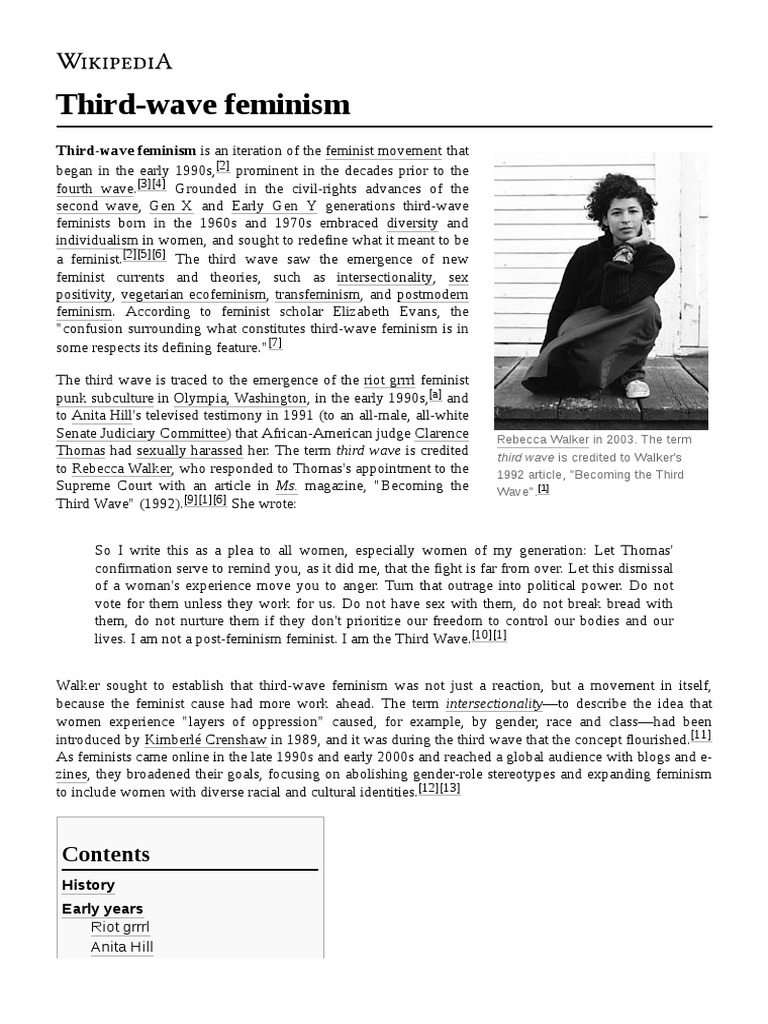
Intersectionality is the lens through which we must view the struggle against cisness. Gender identity does not exist in a vacuum; it is inextricably intertwined with other aspects of identity, such as race, class, sexuality, and disability. To truly understand the oppression faced by transgender individuals, we must recognize the ways in which these identities intersect and compound one another. A Black transgender woman, for example, faces a unique set of challenges that are distinct from those faced by a white transgender woman or a cisgender Black woman. We must actively address these overlapping oppressions and create a movement that is truly inclusive of all marginalized voices. Intersectional feminism recognizes that the liberation of one group is inextricably linked to the liberation of all.
Challenging the Medical-Industrial Complex: Transgender Healthcare as a Right, Not a Privilege
Access to quality healthcare is a fundamental human right, yet transgender individuals often face significant barriers to accessing the medical care they need. The medical-industrial complex, driven by profit and rooted in cisnormative assumptions, often pathologizes transgender identities and gatekeeps access to life-affirming care. We must challenge this system and demand that transgender healthcare be recognized as a right, not a privilege. This includes access to hormone therapy, gender-affirming surgeries, and mental healthcare services that are tailored to the specific needs of transgender individuals. It also means advocating for policies that prohibit discrimination based on gender identity in healthcare settings. We must fight for a healthcare system that is truly inclusive and affirming of transgender lives.
The Power of Art and Representation: Amplifying Transgender Narratives
Art and representation play a crucial role in shaping public perceptions and challenging dominant narratives. We must actively support and amplify transgender artists, writers, filmmakers, and other creatives who are telling their own stories and reclaiming their own narratives. Transgender representation in media is often limited to stereotypical or sensationalized portrayals. We must demand more authentic and nuanced representations of transgender lives, representations that celebrate the diversity and complexity of transgender experiences. When transgender individuals are given the space to tell their own stories, they can challenge cisnormative assumptions, promote understanding and empathy, and inspire others to live authentically.
Building Coalitions: Working Across Identities to Achieve Collective Liberation
The fight against cisness is not a solitary endeavor; it requires building broad coalitions across identities and movements. We must work in solidarity with other marginalized groups to dismantle all forms of oppression, recognizing that our struggles are interconnected. This means building alliances with racial justice activists, disability rights advocates, LGBTQ+ organizations, and other groups fighting for social justice. By working together, we can create a more just and equitable world for all. Collective liberation requires us to recognize our shared humanity and to fight for the rights of all marginalized people. It demands a commitment to solidarity, mutual support, and a shared vision of a better future.
Reimagining the Future: A World Beyond Cisness
Let us dare to imagine a future beyond cisness, a world where gender is not a rigid binary but a fluid spectrum of possibilities. A world where transgender and gender non-conforming individuals are not only tolerated but celebrated for their unique contributions to society. A world where all individuals are free to express their gender identity authentically, without fear of discrimination, violence, or oppression. This is not a utopian fantasy; it is a vision worth fighting for. By challenging cisnormative assumptions, amplifying transgender voices, and building coalitions across identities, we can create a future where all individuals are free to live their lives to the fullest potential. The future is queer, the future is trans, and the future is undeniably feminist. Let us build it together. Let us create a world where cisness is relegated to the dustbin of history. It’s time to make some noise.





Leave a Comment