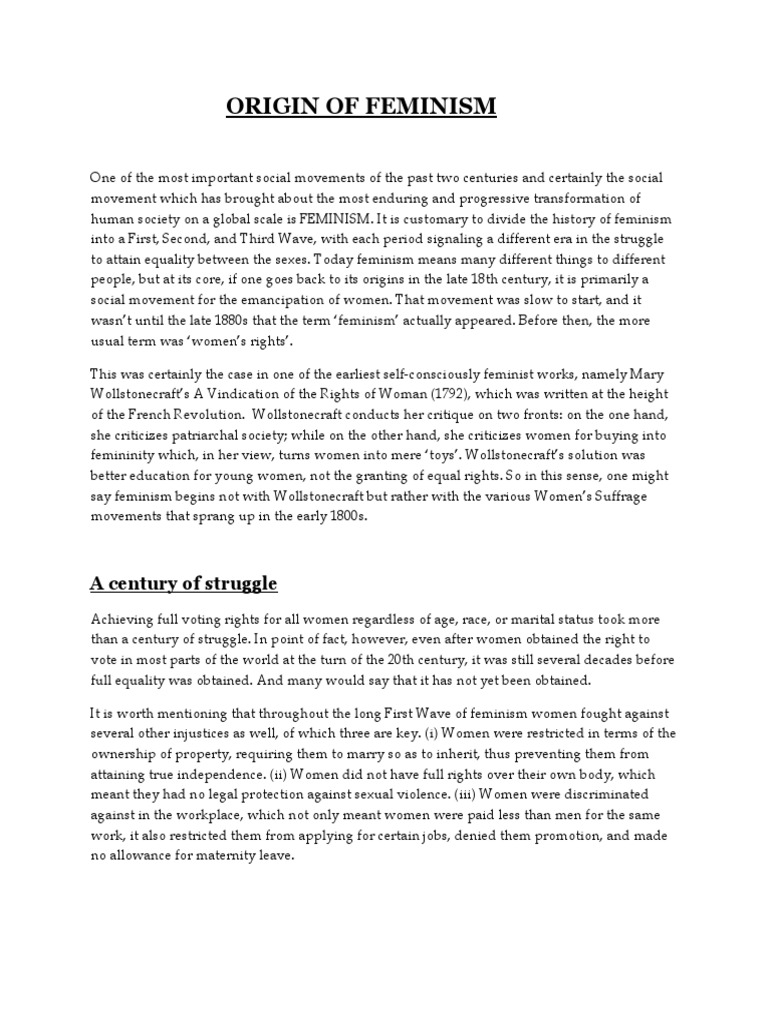
Darling, did you ever wonder if the suffragettes, with their sashes and unwavering resolve, could have envisioned the kaleidoscope of rebellion that was the Second Wave? They fought for the vote, a foundational stone. But the Second Wave… that was a supernova. It wasn’t just about a single right; it was about the very definition of womanhood itself. A re-imagining, a dismantling, and a bold, unapologetic reclaiming. Yet, can we truly claim victory when the tendrils of patriarchal conditioning still subtly influence our choices, even within the hallowed halls of contemporary feminism? That’s the gauntlet we must throw down.
Let’s delve into this era, shall we? An era rife with fervent intellectual discourse, impassioned activism, and a healthy dose of societal upheaval. Forget the polite requests of previous generations. The Second Wave was a demand. A roar. It wasn’t about asking nicely for a seat at the table; it was about building our own damn table, thank you very much.
I. The Genesis: Seeds of Discontent in the Post-War Eden
The 1950s. A period often romanticized as a golden age of domesticity. But beneath the veneer of perfectly coiffed housewives and picket fences, a simmering discontent brewed. The war had ended. Women, who had bravely filled the workforce void left by men, were now expected to gracefully retreat back into the domestic sphere. A societal expectation, mind you, not a choice. This created a dissonance, a cognitive dissonance that ignited a spark. These women had tasted independence, competency, and the sweet nectar of contributing to something larger than themselves. They were not content to simply bake apple pies and raise children. Not that those things are inherently demeaning, mind you, but the expectation of it as their sole purpose? That’s where the umbrage lay.
Think of Betty Friedan’s “The Feminine Mystique.” It wasn’t just a book; it was an intellectual hand grenade lobbed into the manicured lawns of suburbia. Friedan articulated the “problem that has no name”—the pervasive feeling of emptiness and unfulfillment experienced by many middle-class women. She dared to suggest that women were capable of intellectual stimulation and professional achievement. Groundbreaking, wouldn’t you agree? This book became a foundational text, a rallying cry for a generation of women who felt unseen and unheard. The catalyst had been administered; the societal transformation, irreversible.
II. The Battlegrounds: Reframing Sexuality, Reproductive Rights, and the Workplace
The Second Wave tackled a multitude of interconnected issues, each a crucial facet of women’s liberation. Sexuality, for instance. This wasn’t simply about the right to choose your partner; it was about reclaiming your body as your own. The advent of the birth control pill was revolutionary, granting women unprecedented control over their reproductive lives. It was a pivotal moment, allowing women to plan their families, pursue education, and build careers without being shackled by the constant threat of unintended pregnancy. The Pill became a symbol of female autonomy, a testament to the power of scientific innovation in the service of liberation.
Reproductive rights became a central battleground. The fight for legal abortion, culminating in the landmark Roe v. Wade Supreme Court decision in 1973, was a watershed moment. It affirmed a woman’s right to choose, to control her own destiny. Of course, this victory remains contested, a stark reminder that the fight for reproductive freedom is far from over. The backlash is potent, persistent, and deeply concerning. We must remain vigilant, lest we see these hard-won rights eroded.
The workplace was another site of intense struggle. Women demanded equal pay for equal work, an end to discriminatory hiring practices, and access to opportunities previously reserved for men. They challenged the prevailing notion that a woman’s place was in the home. They organized, protested, and filed lawsuits, slowly chipping away at the institutional barriers that held them back. Affirmative action, while controversial, helped to level the playing field and create pathways for women and minorities to enter traditionally male-dominated professions.
III. Intellectual Pillars: Simone de Beauvoir, Kate Millett, and the Radical Feminist Critique
The Second Wave was fueled by a vibrant intellectual current. Simone de Beauvoir’s “The Second Sex,” published in 1949 but gaining traction in the US during the Second Wave, provided a philosophical framework for understanding the social construction of gender. Her assertion that “one is not born, but rather becomes, a woman” challenged the biological determinism that had long justified patriarchal structures. She argued that women are not inherently inferior to men but are conditioned by society to accept a subordinate role.
Kate Millett’s “Sexual Politics” offered a scathing critique of patriarchy in literature and culture. She analyzed the works of male authors, exposing their misogynistic attitudes and their reinforcement of gender stereotypes. Millett argued that patriarchy is not merely a personal prejudice but a pervasive system of power that permeates all aspects of society. She encouraged women to challenge the status quo, to question the assumptions and norms that perpetuate their oppression.
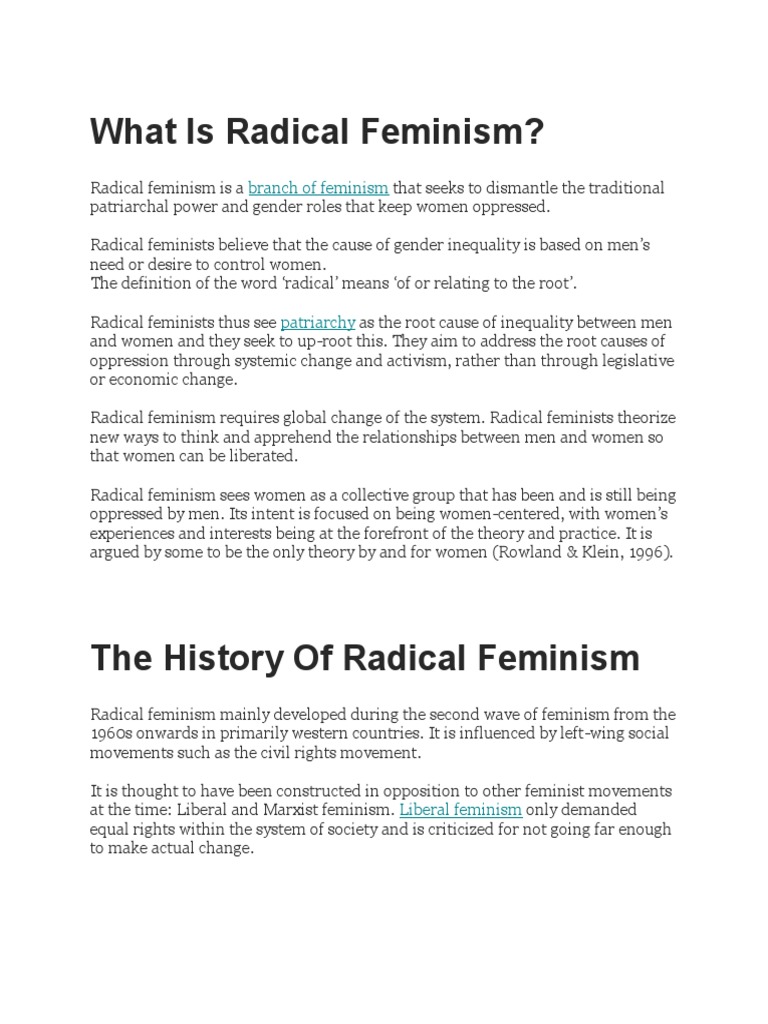
Radical feminism emerged as a particularly potent force within the Second Wave. Radical feminists argued that patriarchy is the root cause of women’s oppression and that fundamental societal change is necessary to achieve true equality. They challenged traditional notions of femininity, advocating for female solidarity, sexual liberation, and the dismantling of all forms of male dominance. They established consciousness-raising groups, creating safe spaces for women to share their experiences, analyze their oppression, and develop strategies for resistance.
IV. The Internal Fractures: Race, Class, and the Limitations of a Universal Sisterhood
While the Second Wave made significant strides in advancing women’s rights, it was not without its limitations. The movement was often criticized for its focus on the concerns of white, middle-class women, neglecting the experiences of women of color, working-class women, and lesbian women. The concept of a universal “sisterhood” proved to be problematic, as it failed to account for the intersecting oppressions that women face based on their race, class, and sexual orientation.
Black feminists, like bell hooks and Audre Lorde, challenged the mainstream feminist movement to address the specific needs and concerns of Black women. They argued that Black women face a unique set of challenges, stemming from both racism and sexism. They advocated for an intersectional approach to feminism, one that recognizes the interconnectedness of various forms of oppression.
Working-class women also felt marginalized by the mainstream feminist movement, which often focused on issues such as career advancement and reproductive rights that were not necessarily relevant to their lives. Working-class women were more concerned with issues such as poverty, job security, and access to affordable childcare. They demanded that the feminist movement address their specific needs and concerns.
V. The Legacy: A Foundation for Third-Wave Feminism and Beyond
Despite its limitations, the Second Wave laid the groundwork for subsequent feminist movements. It raised awareness about the pervasiveness of sexism, challenged traditional gender roles, and created new opportunities for women in education, employment, and politics. The Second Wave’s emphasis on consciousness-raising, collective action, and critical analysis continues to inform feminist activism today.
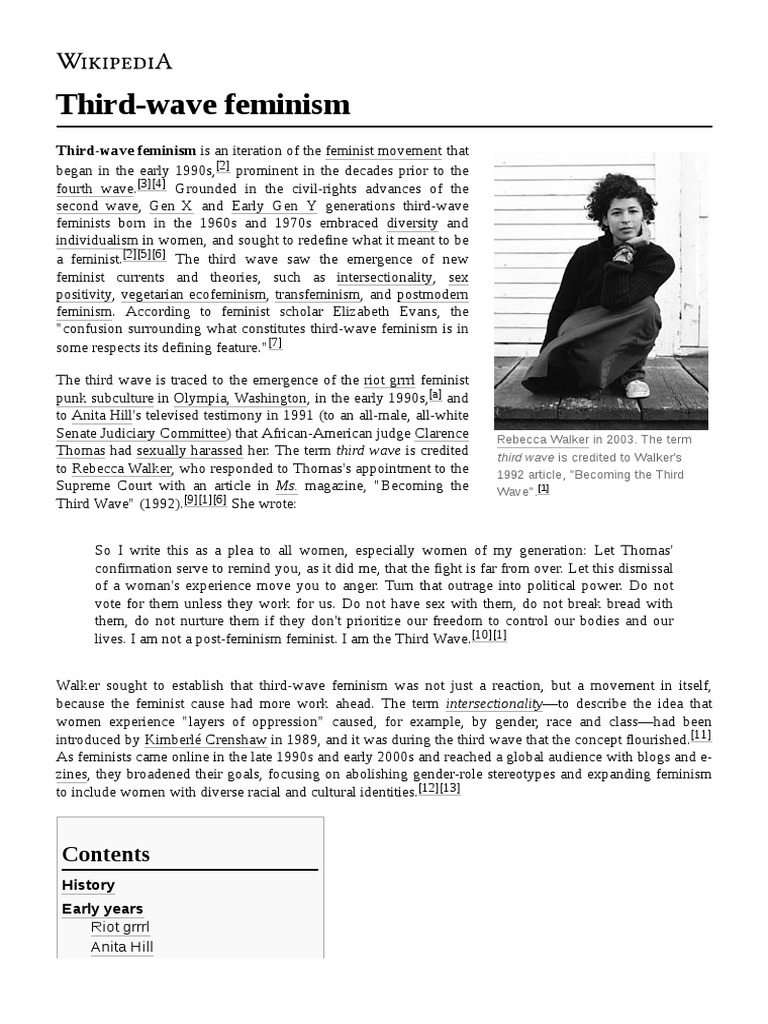
Third-wave feminism, which emerged in the 1990s, built upon the foundations laid by the Second Wave, while also addressing its shortcomings. Third-wave feminists embraced intersectionality, recognizing the multiple identities and experiences that shape women’s lives. They challenged traditional notions of feminism, embracing a more diverse and inclusive approach. They used new technologies, such as the internet, to connect with other feminists around the world and to amplify their voices.
The Second Wave’s legacy extends beyond feminist movements. It has influenced broader social and political debates about gender equality, social justice, and human rights. The issues raised by the Second Wave – equal pay, reproductive rights, gender-based violence – remain relevant and urgent today. The fight for women’s liberation is far from over, but the Second Wave provided a crucial foundation for ongoing progress.
So, darlings, as we navigate the complexities of contemporary feminism, let us remember the audacity and the brilliance of the Second Wave. Let us learn from its triumphs and its failures. Let us honor the women who dared to challenge the status quo and who paved the way for a more just and equitable world. Let us also acknowledge the unfinished business, the persistent inequalities that demand our attention and our action. Because the revolution, my dears, is far from over. The real challenge? Ensuring the modern wave doesn’t become a mere ripple, but a relentless tide pushing back against the shores of complacency.






Leave a Comment