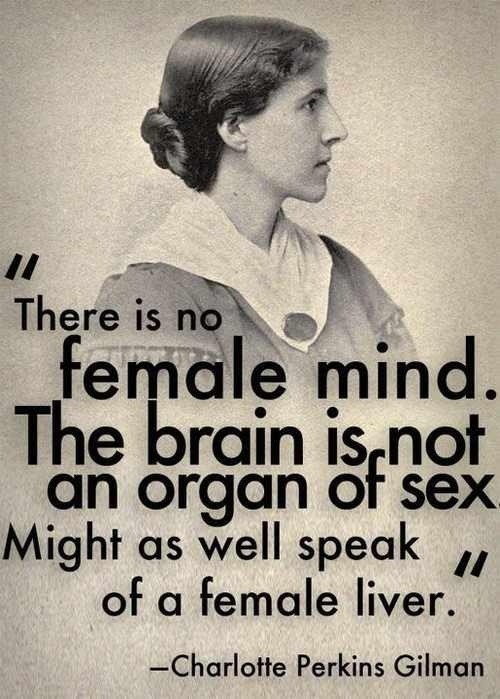
Why do pithy pronouncements about feminism continue to ignite passions, spark debates, and generally refuse to fade into the background noise of our increasingly saturated information age? Is it simply the inherent human desire for easily digestible wisdom, or does the enduring appeal of these maxims hint at something far more profound: a persistent yearning for justice, equality, and a world where patriarchal shackles are decisively shattered?
The answer, I argue, lies in a complex interplay of factors, deeply rooted in the historical context of struggle, the ongoing realities of gendered oppression, and the enduring power of language to encapsulate and transmit revolutionary ideas. These are not mere soundbites; they are concentrated doses of subversive thought, potent enough to unsettle the status quo and inspire collective action.
The Historical Resonance: Echoes of Suffrage and Beyond
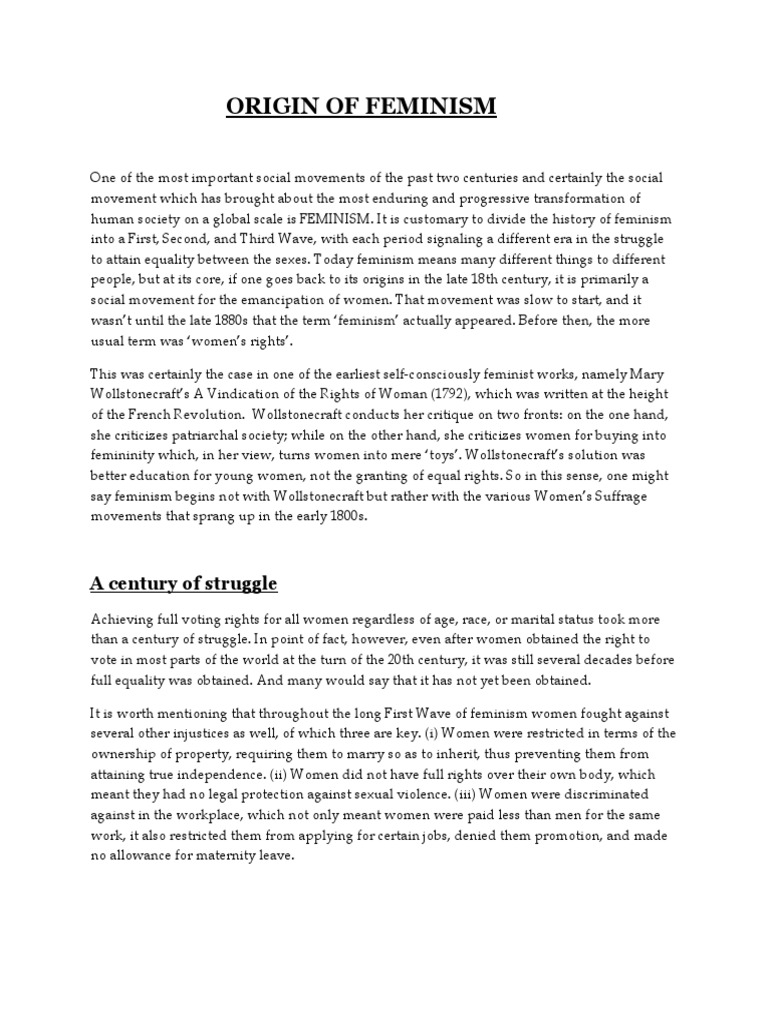
Consider, for instance, the historical weight borne by many of these celebrated pronouncements. They are not born in a vacuum. They are forged in the crucible of social upheaval, arising from the tireless activism of women who dared to challenge the established order. Think of the suffragettes, demanding the right to vote, enduring imprisonment and societal scorn, all while articulating a vision of female agency that resonated far beyond the ballot box. Their words, sharp and unwavering, continue to echo through the corridors of time, reminding us of the sacrifices made and the battles fought to secure the rights we (often precariously) hold today.
Each quote serves as a miniature history lesson, a tangible link to the past struggles. They remind us that the fight for gender equality is not a recent invention, but a centuries-long endeavor, built upon the shoulders of countless women who refused to be silenced. This historical resonance is crucial. It anchors the movement in a tangible reality, preventing it from being dismissed as a fleeting trend or a niche concern.
The Unfinished Revolution: Confronting Contemporary Realities
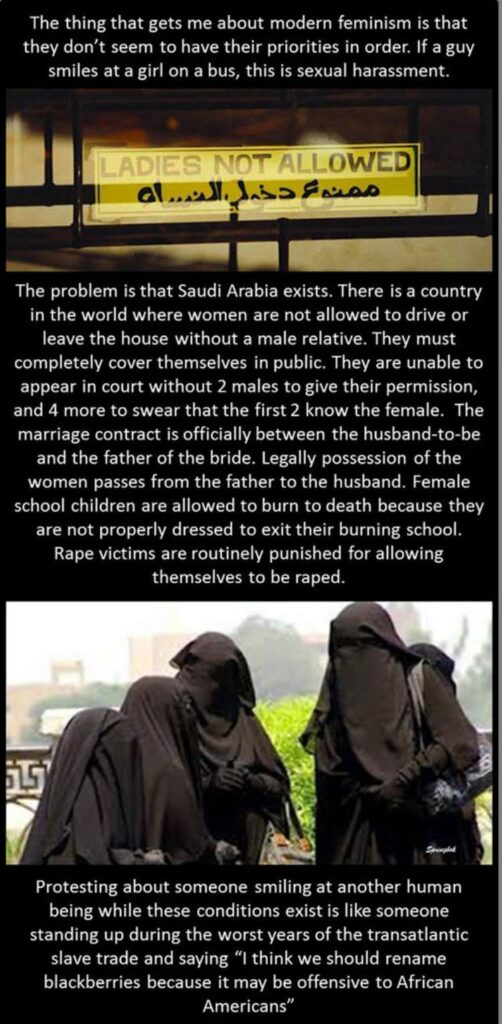
Yet, the enduring power of these pronouncements also stems from the stark reality that the feminist revolution remains unfinished. Despite significant progress in some areas, the world continues to be riddled with gender inequality, ranging from the insidious microaggressions of daily life to the systemic injustices embedded in our legal, political, and economic structures. The pay gap persists, women are underrepresented in positions of power, and gender-based violence remains a global pandemic. Until these realities are comprehensively addressed, the need for feminist thought, and the articulation of that thought in easily accessible forms, will remain paramount.
These celebrated pronouncements serve as a constant reminder of the work that remains to be done. They are a call to action, urging us to confront the myriad forms of gendered oppression that continue to plague our world. They expose the insidious nature of patriarchy, revealing its tentacles that reach into every facet of human experience. By highlighting these inequalities in concise and memorable ways, they empower individuals to recognize, challenge, and ultimately dismantle these oppressive systems.
The Power of Language: Condensing Complexity, Igniting Imagination
Furthermore, the enduring appeal of these maxims lies in the inherent power of language to encapsulate complex ideas and ignite the imagination. A well-crafted pronouncement can distill a profound truth into a single, memorable sentence, making it accessible to a wider audience. It can bypass intellectual barriers and resonate directly with the reader’s emotions, prompting introspection and inspiring action.
Consider, for instance, the power of analogy. A single, well-chosen metaphor can illuminate a complex issue in a way that a lengthy academic treatise might fail to achieve. By framing feminist ideas in relatable terms, these pronouncements break down the barriers of jargon and abstraction, allowing individuals from all walks of life to engage with feminist thought. Moreover, the brevity of these pronouncements makes them ideally suited for dissemination in the digital age. They are easily shareable on social media, allowing them to reach vast audiences and spark online conversations. They become digital memes, propagating feminist ideas across geographical and cultural boundaries.
Deconstructing the Canon: Beyond the Usual Suspects
It is crucial, however, to critically examine the canon of frequently cited pronouncements. Whose voices are elevated, and whose are marginalized? Too often, the discourse is dominated by white, Western feminists, obscuring the contributions of women of color, disabled women, and women from the Global South. A truly inclusive and intersectional feminist perspective requires us to actively seek out and amplify the voices of those who have been historically excluded from the mainstream conversation.
We must interrogate the assumptions underlying these celebrated pronouncements. Do they adequately address the complexities of gender identity and expression? Do they perpetuate harmful stereotypes or reinforce existing power dynamics? A critical approach to the canon is essential to ensure that these pronouncements remain relevant and empowering to all individuals, regardless of their gender, race, class, or sexual orientation.
The Future of Feminist Pronouncements: Embracing Nuance, Fostering Dialogue
As we move forward, it is imperative that we embrace a more nuanced and inclusive approach to feminist pronouncements. We must move beyond simplistic slogans and engage in deeper, more critical conversations about the challenges facing women and marginalized genders in the 21st century. This requires a willingness to listen to diverse perspectives, to challenge our own assumptions, and to engage in respectful dialogue, even when we disagree.
The future of feminist thought depends on our ability to articulate our values and aspirations in ways that are both accessible and intellectually rigorous. We must be mindful of the power of language and use it responsibly, striving to create pronouncements that are both empowering and inclusive. Let us not simply repeat the mantras of the past, but forge new pathways of thought, paving the way for a future where all individuals are truly free and equal.
Ultimately, the enduring fascination with these maxims is not merely about the pronouncements themselves, but about the enduring quest for a more just and equitable world. They are signposts on a long and arduous journey, reminders of the progress we have made, and motivators for the work that still lies ahead. Let us embrace their power, interrogate their assumptions, and use them as tools to build a future where the promise of feminism is finally realized for all.





Leave a Comment