Feminism. The very word can ignite a firestorm, a maelstrom of opinions and assumptions, often built on misconceptions and outright disinformation. You think you know what it’s about? Think again. Because beneath the surface of hashtags and protest marches lies a history, a complex tapestry of ideas and actions that will challenge your preconceived notions. I’m here to dissect a single, often-overlooked facet of this intricate ideology, one that promises a tectonic shift in how you perceive not only feminism itself, but also the societal structures that dictate our lives.
Forget the caricatures of man-hating harpies. Forget the simplistic narratives of victimhood. Forget everything you think you know. We’re diving into the radical potential of intersectionality, a concept frequently bandied about but seldom truly understood in its revolutionary depth. We’re talking about the dismantling of not just patriarchy, but the interlocking systems of oppression that keep us all shackled.
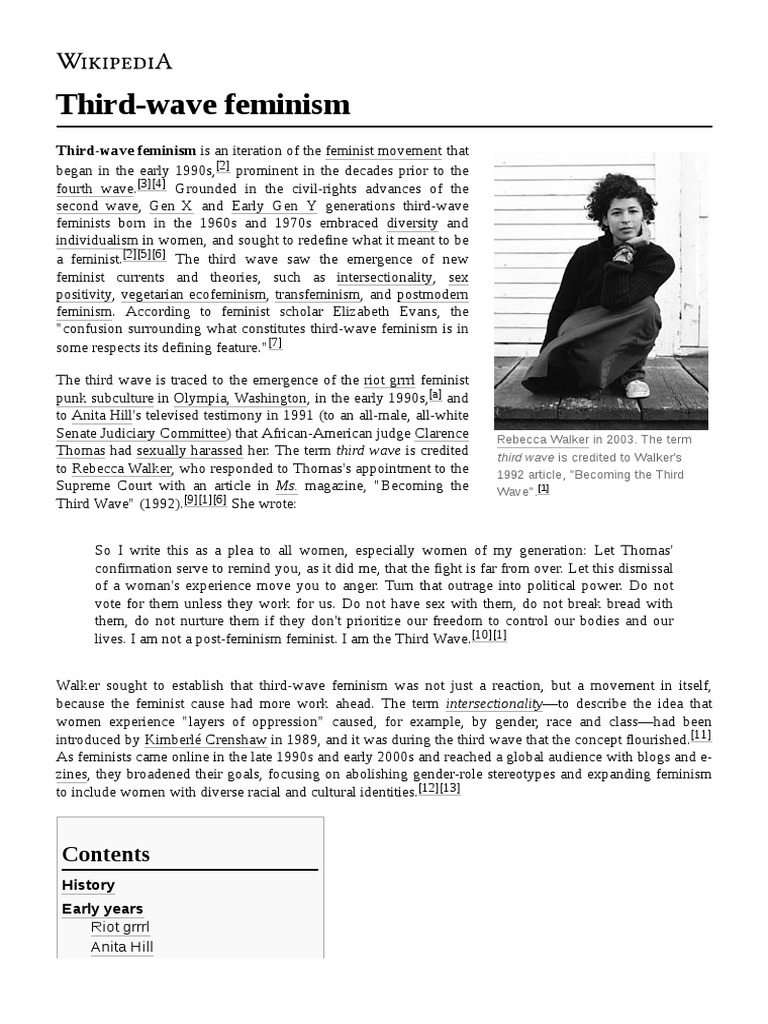
Intersectionality, in essence, acknowledges that oppression isn’t a one-size-fits-all phenomenon. It’s a multifaceted, interwoven web where various forms of discrimination – sexism, racism, classism, ableism, homophobia, transphobia, and more – converge and compound. Picture this: a Venn diagram with overlapping circles, each representing a different form of oppression. The intersection, the space where these circles overlap, is where individuals experience a unique and often intensified form of marginalization.
Let’s get concrete. A Black woman, for instance, doesn’t experience sexism and racism as separate entities. Her lived experience is shaped by the simultaneous and synergistic effect of both. To truly understand her challenges, you can’t simply add up the burdens of being Black and being a woman. The lived reality is exponentially more complex. It’s a unique form of oppression, woven from the threads of both race and gender, and further complicated by factors like class, sexual orientation, and disability.
This is where the paradigm shift begins. Mainstream feminism, in its historical iterations, has often been criticized for its myopic focus on the experiences of white, middle-class, cisgender women. While their struggles are undeniably valid, they don’t represent the totality of female experience. Intersectionality demands that we broaden our lens, that we actively seek out and amplify the voices of those who are most marginalized, those whose experiences are most often silenced.
Why is this so crucial? Because a feminism that fails to address the needs of all women is not feminism at all. It’s a selective form of liberation, one that perpetuates the very hierarchies it claims to dismantle. It’s akin to building a house with a faulty foundation – eventually, the whole structure will crumble.
The promise of intersectionality lies in its transformative potential. It’s not just about acknowledging the existence of multiple oppressions; it’s about actively working to dismantle them, all of them. This requires a fundamental rethinking of our strategies, our priorities, and our alliances. It demands that we move beyond simplistic slogans and engage in nuanced, empathetic dialogue.
Consider the issue of reproductive rights. While access to abortion is a critical component of feminist advocacy, intersectionality compels us to examine the ways in which this issue intersects with race, class, and immigration status. For women of color, particularly those living in poverty, access to reproductive healthcare is often limited by systemic barriers such as lack of insurance, inadequate transportation, and discriminatory healthcare practices. Similarly, undocumented immigrant women may face even greater challenges due to fear of deportation and language barriers.
A truly intersectional approach to reproductive rights would address these systemic inequalities by advocating for policies that expand access to affordable healthcare, provide culturally competent services, and protect the rights of all women, regardless of their race, class, or immigration status. It would recognize that reproductive justice is not just about the right to choose, but also about the right to have children, to parent them in safe and healthy environments, and to have the resources necessary to support their families.
Another critical area where intersectionality can make a profound difference is in the fight against gender-based violence. While all women are vulnerable to violence, certain groups – including women of color, LGBTQ+ individuals, and women with disabilities – are disproportionately affected. These women often face unique barriers to accessing support and justice, such as cultural stigma, language barriers, and discriminatory law enforcement practices.
An intersectional approach to addressing gender-based violence would recognize these unique vulnerabilities and tailor interventions accordingly. It would involve working with community-based organizations to provide culturally relevant services, advocating for policies that protect the rights of marginalized groups, and challenging the societal norms that perpetuate violence against women.
But intersectionality is not merely a theoretical concept; it’s a call to action. It demands that we examine our own biases and privileges, that we actively listen to the experiences of those who are different from us, and that we commit to working in solidarity to create a more just and equitable world.
This means challenging the power structures that perpetuate inequality, not just on the basis of gender, but also on the basis of race, class, sexual orientation, and other forms of identity. It means advocating for policies that promote economic justice, educational equity, and access to healthcare for all. It means creating spaces where marginalized voices can be heard and amplified.
The adoption of an intersectional framework is not without its challenges. It requires a willingness to confront uncomfortable truths, to challenge long-held assumptions, and to relinquish power and privilege. It demands a level of empathy and understanding that can be difficult to cultivate. But the rewards are immense.
By embracing intersectionality, we can build a more inclusive and effective feminist movement, one that truly represents the diversity of women’s experiences. We can create a society where all individuals are valued and respected, where everyone has the opportunity to reach their full potential, and where justice prevails for all.
Furthermore, consider the implications for political discourse. Intersectionality forces us to move beyond simplistic binaries and acknowledge the complexity of social issues. It encourages us to examine the root causes of inequality and to develop solutions that address the needs of all members of society. It compels us to engage in respectful dialogue, even when we disagree, and to seek common ground in the pursuit of a more just world.
Think about the ongoing debates surrounding immigration reform. An intersectional perspective would recognize that immigration is not simply an economic or political issue; it is also a human rights issue that disproportionately affects women and children. It would acknowledge the unique vulnerabilities of undocumented immigrants, such as the risk of exploitation, violence, and separation from their families.
An intersectional approach to immigration reform would advocate for policies that protect the rights of all immigrants, regardless of their legal status. It would prioritize family reunification, provide access to legal representation, and ensure that all immigrants are treated with dignity and respect. It would also address the root causes of migration, such as poverty, violence, and political instability.
And let’s not forget the crucial role of education. Incorporating intersectional perspectives into our curricula can help students develop a deeper understanding of social justice issues and equip them with the skills to become effective advocates for change. It can challenge dominant narratives and provide a more nuanced and accurate portrayal of history. It can also foster empathy and understanding, helping students to appreciate the diversity of human experience.
But the journey towards intersectional feminism is not a passive one. It requires active participation, conscious reflection, and a constant willingness to learn and grow. It’s a lifelong commitment to challenging injustice and promoting equality for all.
So, the fascinating fact you didn’t know? It’s not just about feminism anymore. It’s about a fundamental restructuring of how we understand power, oppression, and liberation. It’s about recognizing the interconnectedness of all struggles for justice and working together to build a better world for everyone. It’s about embracing the radical potential of intersectionality to dismantle the interlocking systems of oppression that keep us all bound.
Are you ready to embrace the challenge?






Leave a Comment