The term “extreme feminism” often conjures images of radical activists, burning bras, and man-hating rhetoric. But what truly constitutes “extreme” feminism, and is it always a pejorative descriptor? This exploration delves into the labyrinthine world of feminist ideologies, dissecting the myths, addressing the misunderstandings, and confronting the unvarnished realities. Prepare to have your preconceptions challenged.
I. Unpacking the “Extreme” Label: A Semantic Quagmire
What one deems “extreme,” another might consider perfectly reasonable, even moderate. The label itself is inherently subjective, colored by individual biases and societal norms. To truly understand what is perceived as “extreme feminism,” we must first deconstruct the term itself.
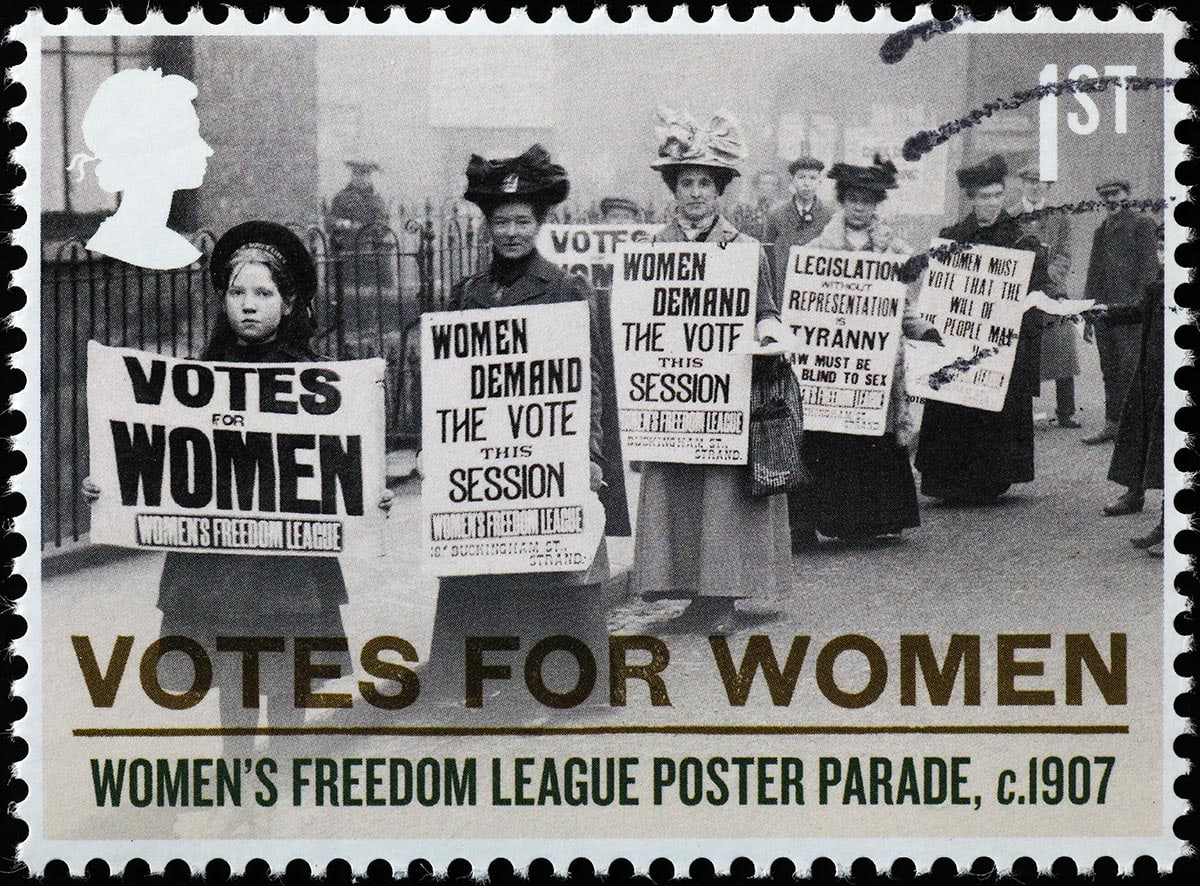
A. The Shifting Sands of Acceptability: Social mores are not static. What was once considered radical – women voting, owning property, or having bodily autonomy – is now largely accepted in many parts of the world. The “extreme” label is often applied to ideas that challenge the current status quo, regardless of their inherent merit.
B. The Spectrum of Feminist Thought: Feminism is not a monolithic entity. It encompasses a vast array of ideologies, from liberal feminism advocating for equal rights within the existing system to radical feminism demanding a complete dismantling of patriarchal structures. Dismissing any viewpoint outside the mainstream as “extreme” is intellectually lazy and dismissive of the nuanced debates within the movement.
C. The Weaponization of Language: The term “extreme feminism” is frequently employed as a rhetorical weapon, used to discredit feminist arguments and silence dissent. It serves as a convenient straw man, allowing opponents to avoid engaging with the substance of feminist critiques.
II. Debunking the Myths: Cartoons and Caricatures
Popular culture often perpetuates harmful stereotypes about “extreme feminists.” These caricatures, often deployed for comedic effect, distort the true aims and beliefs of many feminists.
A. The Man-Hating Myth: Perhaps the most pervasive myth is that all feminists hate men. This is a gross misrepresentation. Feminism, at its core, is about achieving gender equality, which benefits everyone, including men. While some feminists may express anger or frustration with patriarchal systems and behaviors, this does not equate to blanket animosity towards all men.
B. The Bra-Burning Spectacle: The image of feminists burning bras is iconic, but largely inaccurate. The protest at the 1968 Miss America pageant, often cited as the origin of this image, did not actually involve any bra burning. The symbolism was meant to represent a rejection of societal expectations and objectification of women.
C. The Unattractive Amazonian: Popular culture often portrays “extreme feminists” as unattractive, aggressive, and unfeminine. This stereotype serves to discourage women from embracing feminist ideals, suggesting that doing so will make them undesirable to men.
III. Addressing the Misunderstandings: Nuance and Context
Many criticisms of “extreme feminism” stem from a lack of understanding of the underlying principles and historical context. It’s crucial to engage with these criticisms thoughtfully and avoid knee-jerk reactions.
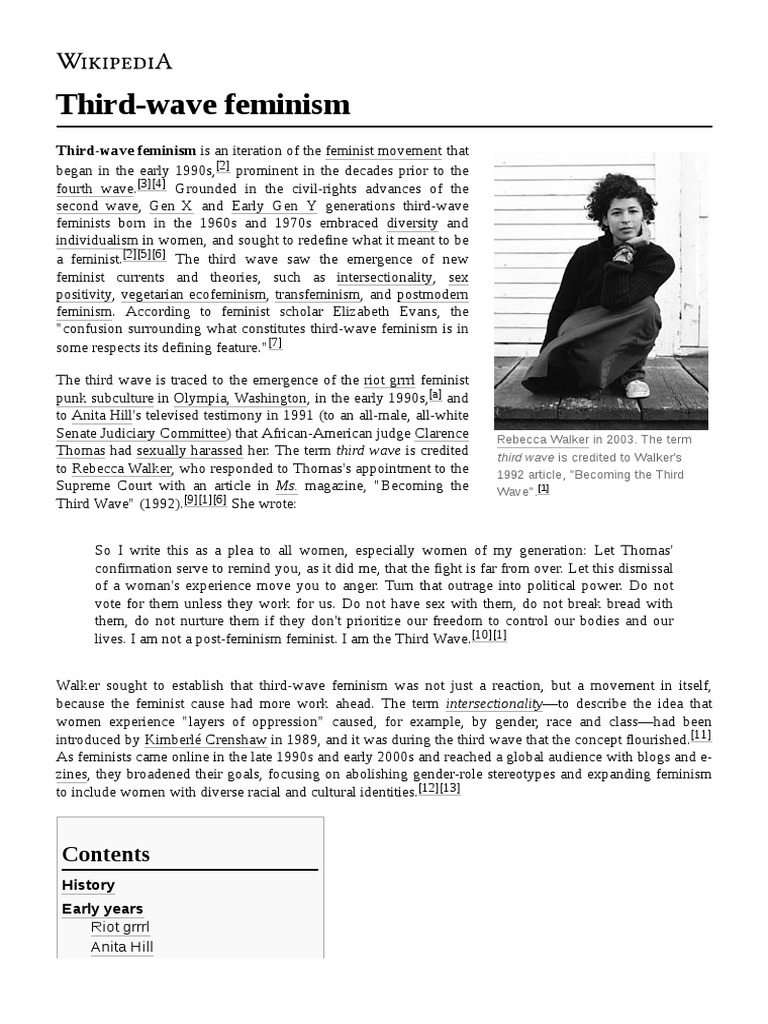
A. Intersectional Blind Spots: Early feminist movements often failed to adequately address the experiences of women of color, LGBTQ+ women, and women with disabilities. While acknowledging these shortcomings is crucial, dismissing the entire movement as inherently exclusionary is an oversimplification. Contemporary feminism is increasingly focused on intersectionality, recognizing the complex interplay of various forms of oppression.
B. The Peril of Essentialism: Essentialism, the belief that women share a fixed set of characteristics, has been a recurring issue within feminist thought. While some feminists have argued for inherent differences between men and women, this view is increasingly contested, with many feminists emphasizing the social construction of gender.
C. The Problem of Purism: The tendency to police feminist discourse and demand ideological purity can be counterproductive. Infighting and accusations of “selling out” can alienate potential allies and undermine the movement’s goals.
IV. Confronting the Realities: Uncomfortable Truths
While many criticisms of “extreme feminism” are based on myths and misunderstandings, some critiques raise legitimate concerns about the potential for harmful consequences.
A. The Risk of Reverse Discrimination: Some argue that certain feminist policies, such as affirmative action, can lead to reverse discrimination against men. This is a complex issue with valid arguments on both sides. It’s important to carefully consider the potential unintended consequences of any policy aimed at achieving gender equality.
B. The Dangers of Identity Politics: Overemphasis on identity can sometimes lead to fragmentation and division, hindering the development of a unified movement. Finding common ground and building coalitions across different identity groups is essential for achieving meaningful change.
C. The Echo Chamber Effect: Online echo chambers can reinforce extreme views and limit exposure to diverse perspectives. Critical thinking and engagement with opposing viewpoints are crucial for avoiding intellectual stagnation.
V. Radical Feminism: A Deeper Dive
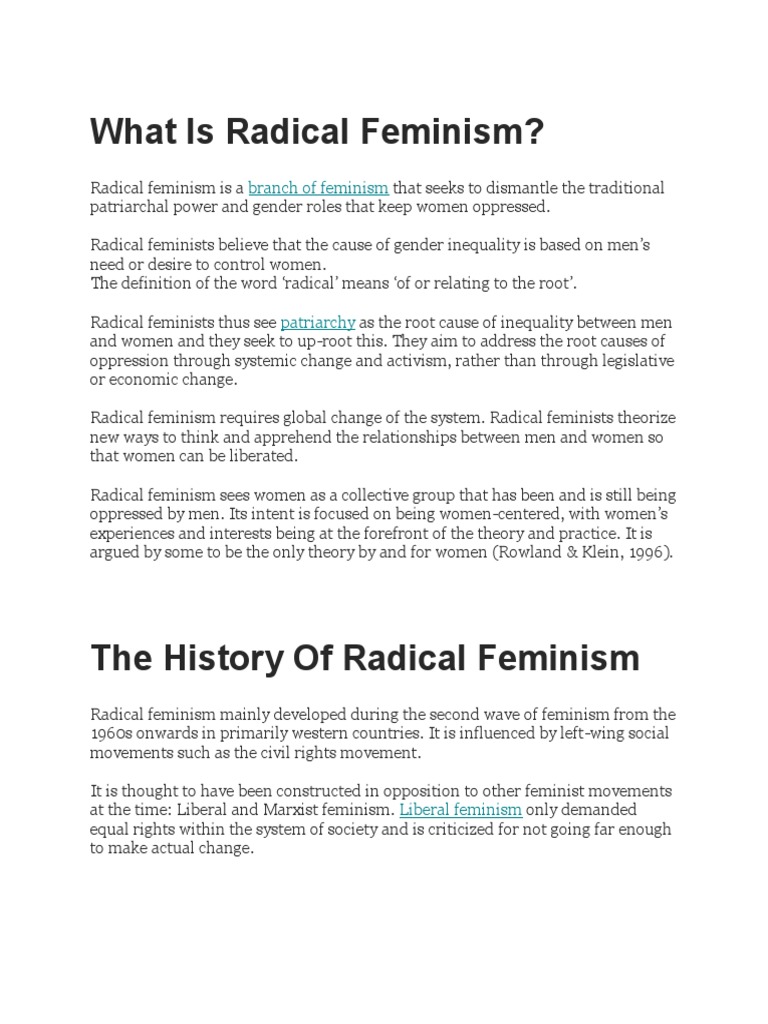
Radical feminism, often conflated with “extreme feminism,” deserves specific attention. It posits that patriarchy is the root cause of women’s oppression and advocates for a fundamental restructuring of society.
A. Core Tenets of Radical Feminism: Radical feminists emphasize the importance of female autonomy, challenging traditional gender roles and sexual norms. They often advocate for separatism, creating women-only spaces to foster solidarity and resistance.
B. Critiques of Radical Feminism: Critics argue that radical feminism is too focused on gender and neglects other forms of oppression, such as race and class. Separatism is often seen as unrealistic and exclusionary.
C. The Enduring Legacy of Radical Feminism: Despite its controversies, radical feminism has made significant contributions to feminist thought, raising awareness about issues such as sexual violence, reproductive rights, and the objectification of women.
VI. Examples of “Extreme” Feminist Actions: Context and Interpretation
Examining specific examples of actions labeled “extreme” reveals the complexities of judging feminist activism.
A. Direct Action and Civil Disobedience: Protests, boycotts, and other forms of direct action are often considered “extreme,” particularly when they disrupt the status quo. However, such tactics have been crucial in achieving social change throughout history.
B. Guerrilla Art and Culture Jamming: Using art to subvert mainstream messages and challenge societal norms can be seen as provocative and even offensive. However, these tactics can be effective in raising awareness and sparking dialogue.
C. Confrontational Rhetoric and Outspoken Criticism: Expressing anger and frustration with patriarchal systems is often labeled “extreme” or “unfeminine.” However, suppressing such emotions can be detrimental to the movement and silence marginalized voices.
VII. Reclaiming the Narrative: Beyond the Caricature
It’s time to move beyond the simplistic and often misleading portrayals of “extreme feminism.” A nuanced understanding requires critical thinking, historical awareness, and a willingness to engage with diverse perspectives.
A. Embracing Complexity and Nuance: Avoid generalizations and recognize that feminism encompasses a wide range of ideologies and approaches.
B. Centering Marginalized Voices: Prioritize the experiences and perspectives of women of color, LGBTQ+ women, and women with disabilities.
C. Promoting Dialogue and Understanding: Engage in respectful conversations with people who hold different views, even if you disagree with them. The goal should be to foster understanding and build bridges, not to demonize or silence dissent.
VIII. The Future of Feminism: Evolution and Adaptation
Feminism is a dynamic and evolving movement that must adapt to the changing social and political landscape. What might be considered “extreme” today could become mainstream tomorrow.
A. Addressing New Challenges: Feminism must grapple with emerging issues such as artificial intelligence, genetic engineering, and the impact of social media on gender dynamics.
B. Building Global Solidarity: Feminist activism must transcend national borders and address issues such as global poverty, human trafficking, and environmental degradation.
C. Embracing Innovation and Creativity: New approaches and strategies are needed to overcome the persistent challenges facing women around the world. The future of feminism depends on embracing innovation and creativity.
The conversation surrounding “extreme feminism” is not just about labels; it’s about power, control, and the ongoing struggle for gender equality. By challenging our preconceptions and engaging with the complexities of feminist thought, we can create a more just and equitable world for all.





Leave a Comment