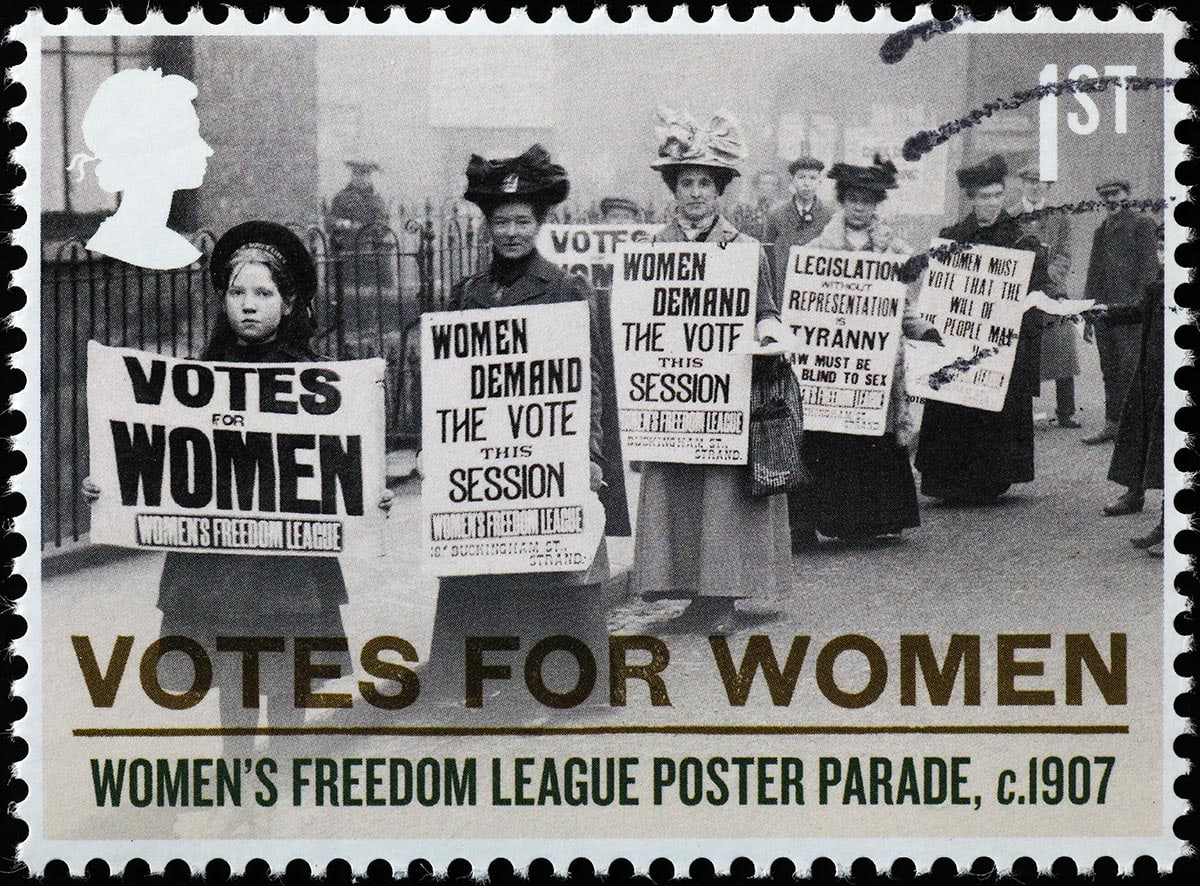
The term “extreme feminism” conjures images of bra-burning radicals, man-hating secessionists, and a wholesale rejection of traditional gender roles. This caricature, often weaponized to delegitimize the entire feminist project, demands deconstruction. The fascination with this perceived extremism stems from a multifaceted societal discomfort with challenges to the patriarchal status quo, anxieties around power redistribution, and a fundamental misunderstanding of the diverse and nuanced spectrum of feminist thought. Is it really “extreme,” or is it simply a distorted reflection of deeply ingrained societal prejudices?
Let’s dissect this loaded term and examine some of the alleged examples, unpacking the underlying context and motivations, and revealing the insidious ways in which feminist ideas are deliberately misrepresented to maintain the established order. We will not shy away from the uncomfortable truths, for it is in facing them head-on that we can truly understand the complexities of the feminist struggle and reclaim the narrative from those who seek to silence it.
I. Defining the “Extreme”: A Shifting Sands Landscape
What precisely constitutes “extreme feminism”? The answer, of course, is entirely subjective and contingent on the observer’s own biases and preconceptions. For some, simply advocating for equal pay or challenging traditional gender roles is deemed an extremist position. Others reserve the label for those who actively challenge the very foundations of patriarchy, question the inherent validity of gender as a social construct, or advocate for radical social transformations.
The problem lies in the elasticity of the term. It’s a rhetorical bludgeon wielded to silence dissenting voices and discredit legitimate critiques of power structures. A woman demanding bodily autonomy? “Extreme.” A movement advocating for the dismantling of systemic oppression? “Extreme.” Any deviation from the prescribed norms of female behavior? You guessed it, “extreme.”
This semantic slipperiness allows detractors to paint any form of feminist activism that threatens their worldview as irrational, unreasonable, and inherently dangerous. It’s a classic tactic of discreditation, designed to stoke fear and prevent meaningful dialogue.
II. Misconstrued Manifestations: Examining Alleged Extremes
To truly understand the distortion at play, let’s examine some common examples of what’s often presented as “extreme feminism” and deconstruct the underlying narratives.
A. Separatist Feminism: A Voluntary Exile, Not a War Declaration
Separatist feminism, often portrayed as the epitome of man-hating extremism, advocates for the separation of women from patriarchal institutions and relationships. This can manifest in various forms, from consciously choosing to live in women-only communities to rejecting traditional heterosexual relationships.
However, the reality is far more nuanced than the caricature suggests. Separatist feminism is not about declaring war on men; it’s about creating safe spaces for women to heal from trauma, develop their identities free from patriarchal expectations, and build communities based on mutual support and empowerment. It’s an act of self-preservation, a strategic retreat from a system that consistently marginalizes and oppresses them.
The vitriol directed at separatist feminists often stems from a deep-seated discomfort with women claiming autonomy and agency over their lives. It challenges the ingrained assumption that women’s identities and worth are inherently tied to their relationships with men.
B. Radical Feminism and the Critique of Gender: Deconstructing, Not Destroying
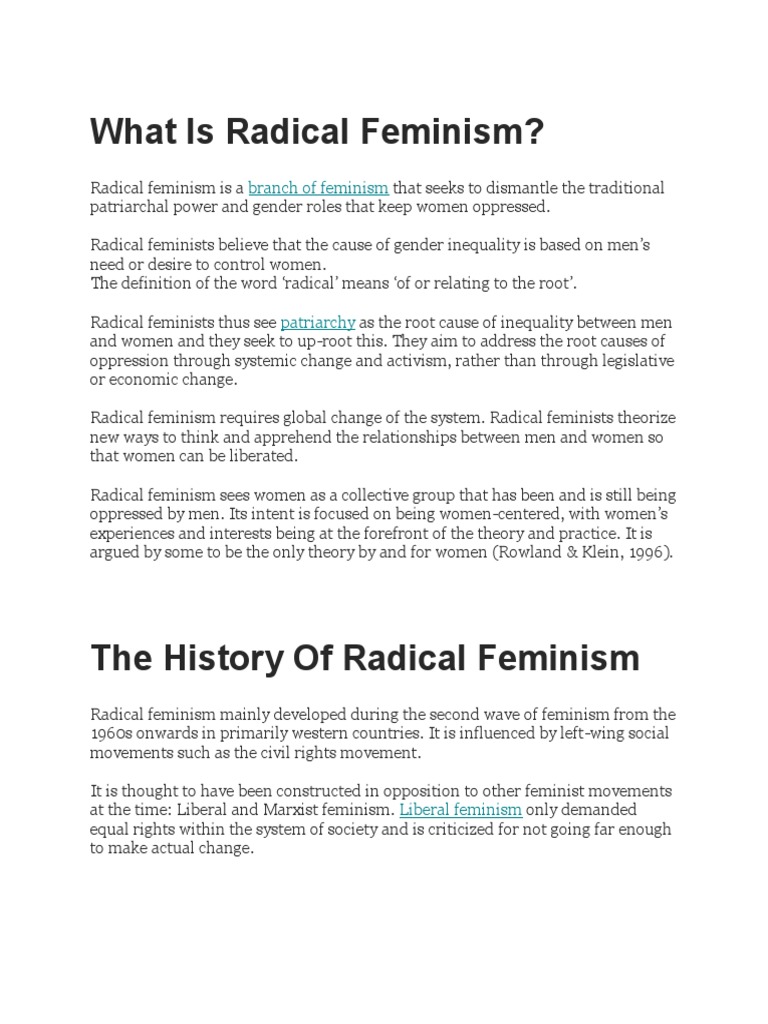
Radical feminism, another frequent target of derision, focuses on dismantling the root causes of gender inequality. It challenges the very notion of gender as a fixed and immutable category, exposing it as a social construct used to justify patriarchal power structures.
Critics often misrepresent this as an attack on femininity itself, accusing radical feminists of wanting to eliminate all distinctions between men and women. This is a blatant distortion. Radical feminists are not seeking to erase individuality or deny biological realities; they are seeking to liberate individuals from the suffocating constraints of gender roles and expectations.
They aim to create a world where people are free to express themselves authentically, without being confined to rigid and oppressive categories. They challenge the notion that one’s gender identity should dictate their aspirations, behaviors, or opportunities. This is not about destruction; it’s about liberation.
C. Trans-Exclusionary Radical Feminism (TERF): An Inconsistency Within the Movement
It is crucial, however, to acknowledge the problematic strand within radical feminism known as Trans-Exclusionary Radical Feminism (TERF). This ideology, which excludes transgender women from womanhood, is a blatant contradiction of core feminist principles of inclusivity and equality. TERF ideology relies on biological essentialism and reinforces harmful gender stereotypes, betraying the very movement it claims to represent.
It’s important to distinguish TERF ideology from genuine feminist scholarship. While radical feminism seeks to dismantle oppressive structures, TERF ideology seeks to reinforce them by policing the boundaries of womanhood and perpetuating transphobia. This is not feminism; it’s bigotry masquerading as activism. The feminist movement unequivocally condemns TERF ideology and stands in solidarity with transgender women and all trans individuals.
D. Demands for Systemic Change: “Too Much, Too Soon”?
Even seemingly reasonable demands for systemic change, such as equal pay, affordable childcare, and comprehensive reproductive healthcare, are often framed as “extreme” when they challenge the status quo. The argument is often framed as “too much, too soon,” implying that women should be grateful for the progress they’ve already made and not demand further advancements.
This is a classic tactic of deflection. It ignores the persistent inequalities that continue to plague women’s lives, such as the gender pay gap, the disproportionate burden of caregiving, and the systemic barriers to leadership and advancement. Demanding systemic change is not “extreme”; it’s a necessary step towards achieving true gender equality.
III. The Underlying Anxieties: Why the Fear of “Extreme” Feminism?
The demonization of “extreme feminism” is not simply a matter of disagreement; it reflects a deeper societal anxiety about the potential disruption of existing power structures. The patriarchal system benefits from maintaining gender inequality, and any challenge to this system is perceived as a threat.
A. Fear of Power Redistribution: Upsetting the Established Order
At its core, feminism is about redistributing power. It challenges the ingrained assumption that men are inherently entitled to positions of authority and control. The prospect of women gaining more power and influence is threatening to those who benefit from the existing hierarchy. The label of “extreme” is used to discredit feminist demands for power sharing and maintain the status quo.
B. Discomfort with Female Agency: Silencing Dissent
The portrayal of “extreme feminists” as angry, irrational, and man-hating serves to silence dissent and discourage women from speaking out against injustice. By associating feminism with negativity and extremism, it discourages women from identifying with the movement and advocating for their rights. It’s a form of social control, designed to keep women in their place.
C. Misunderstanding of Feminist Goals: A Deliberate Distortion
The deliberate misrepresentation of feminist goals is a key tactic in the demonization of the movement. Critics often portray feminism as a monolithic ideology with a single, radical agenda. In reality, feminism is a diverse and multifaceted movement with a wide range of perspectives and priorities. By ignoring this diversity and focusing on the most extreme and controversial viewpoints, critics create a distorted and misleading image of feminism.
IV. Reclaiming the Narrative: Defining Feminism on Our Own Terms
It is time to reclaim the narrative and define feminism on our own terms. We must reject the caricatures and stereotypes that are used to silence and discredit us. We must embrace the diversity of feminist thought and recognize that there is no single “right” way to be a feminist.
We must also be willing to engage in difficult conversations and address the legitimate concerns that people may have about feminism. We must be patient and understanding, but we must also be firm in our commitment to equality and justice.
The fight for gender equality is far from over. We must continue to challenge patriarchal structures, advocate for systemic change, and support each other in our struggles. By reclaiming the narrative and defining feminism on our own terms, we can create a more just and equitable world for all.
Let us not be deterred by the fear-mongering and the misrepresentations. Let us continue to push the boundaries, challenge the status quo, and demand a future where all genders are truly equal. The future is feminist, and it is up to us to create it.





Leave a Comment