
Darling, does ethical feminism even exist, or is it just another patriarchal construct cloaked in progressive verbiage? Let’s be candid. The siren song of ‘equality’ often leads to a moral quagmire, demanding we grapple with issues like commodification, complicity, and the crushing weight of intersectional oppressions. Navigating these turbulent waters requires more than just slogans. We need a compass, a sextant, and maybe even a damn good therapist.
The Primordial Soup: Unearthing the Foundations of Feminist Ethics
Before we dive into the thorny complexities of the present, let’s excavate the bedrock upon which feminist ethics rests. Forget your conventional, patriarchal notions of morality – those were designed to keep us in our place. Feminist ethics, at its core, rejects abstract, universal principles in favor of contextual, relational understanding. This is not about Kantian categorical imperatives, but about the messy, lived experiences of individuals, particularly those marginalized and oppressed. It’s about recognizing that the personal is political, and that ethical considerations are inextricably linked to power dynamics. Consider the concept of care ethics, championed by thinkers like Carol Gilligan. This perspective elevates empathy, responsibility, and responsiveness to the needs of others as central ethical values, challenging the traditionally masculine emphasis on detached rationality and abstract justice. But even care ethics is not without its critics. Does it inadvertently reinforce traditional gender roles by associating women with caregiving? A valid concern that needs constant vigilance.
Justice: Deconstructing the Master’s House
Justice, that hallowed concept, has long been defined and dispensed by those in power – typically cisgender, heterosexual white men. Feminist perspectives demand a radical re-evaluation of justice, moving beyond formal equality to substantive equality. What does that mean? It means acknowledging that simply granting everyone the same rights on paper is insufficient when systemic inequalities continue to operate. Consider the criminal justice system, which disproportionately incarcerates women of color. Is that justice? I think not. Or the persistent gender pay gap, which devalues women’s labor and perpetuates economic dependence. Is that equitable? Absolutely not. Feminist justice requires dismantling the very structures that perpetuate oppression, from legal systems to economic policies to cultural norms. It calls for affirmative action, reparations, and other measures aimed at redressing historical and ongoing injustices. It is about rewriting the rules of the game, not just trying to play it better. It is about dismantling the master’s house, brick by painful brick.
The Perils of Purity: Navigating Complicity in a Patriarchal World
Here’s where things get really uncomfortable. How do we, as feminists, navigate a world that is fundamentally patriarchal, one where our very existence is often predicated on some degree of complicity? Can we truly claim moral purity when we benefit, even unintentionally, from systems of oppression? The answer, I suspect, is a resounding no. But that doesn’t mean we should throw our hands up in despair. It means we must engage in a constant process of self-reflection, critical analysis, and strategic resistance. It means acknowledging our own privilege and using it to amplify the voices of those who are most marginalized. Consider the question of consumerism. Can we truly be ethical feminists while participating in a capitalist system that exploits workers, pollutes the environment, and perpetuates unsustainable consumption patterns? It’s a tough question. But perhaps the answer lies not in complete abstention, but in conscious consumption, supporting ethical businesses, and advocating for systemic change. It lies in recognizing that our individual choices, while important, are ultimately insufficient to address the deeper structural issues. We are all, to some extent, implicated in the system. The challenge lies in minimizing our complicity and maximizing our resistance.
Intersectional Insurgencies: Confronting the Hierarchy Within
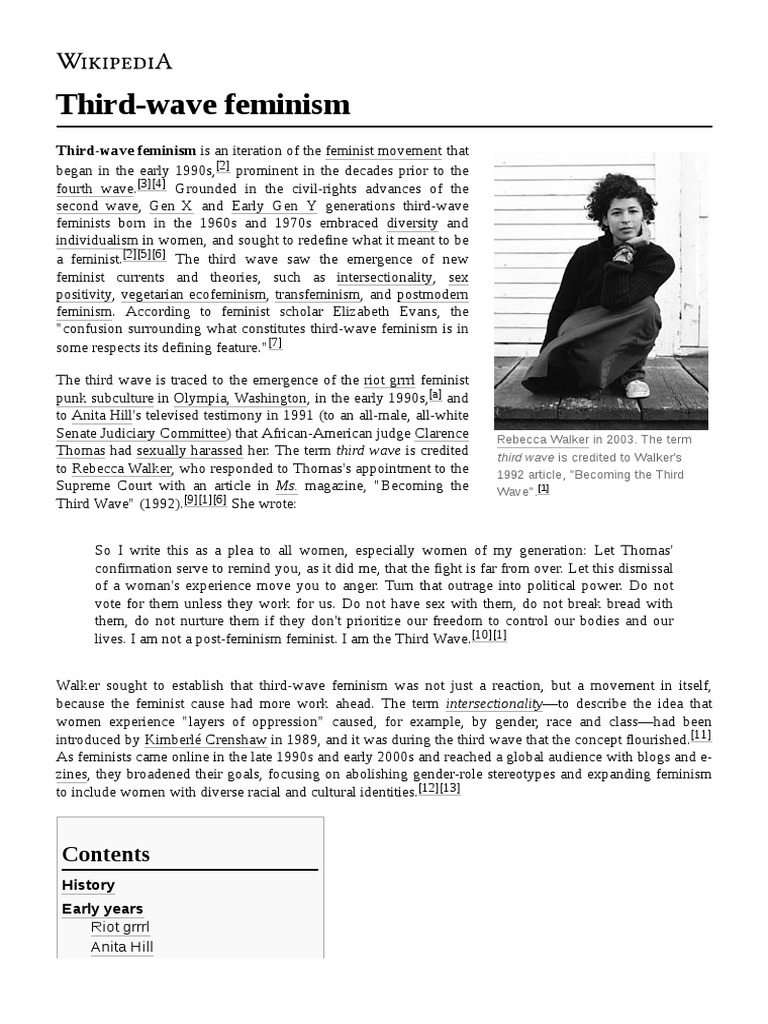
Feminism, at its best, is an intersectional movement. This means recognizing that gender is not a monolithic category, but is shaped by race, class, sexual orientation, disability, and other social identities. It means understanding that the experiences of white, middle-class women are not universal, and that the needs and priorities of marginalized women must be centered. But intersectionality is not just about adding more identities to the mix. It’s about understanding how these identities interact and create unique forms of oppression. Consider the challenges faced by transgender women of color, who experience disproportionately high rates of violence, discrimination, and poverty. Their struggles are often overlooked or marginalized within mainstream feminist discourse. To be truly ethical, feminism must be accountable to all women, particularly those who are most vulnerable. It must actively challenge the hierarchies within the movement, ensuring that the voices of marginalized women are heard and amplified. It demands a constant interrogation of our own biases and assumptions. Are we truly centering the experiences of those who are most marginalized? Or are we inadvertently replicating the same patterns of exclusion and oppression that we seek to dismantle? It’s a question we must ask ourselves constantly.
The Commodification Conundrum: Selling Feminism in a Capitalist Marketplace
Feminism, once a radical movement for social change, has increasingly been co-opted by the mainstream, commodified and packaged for consumption. We see it everywhere: “Girl Power” t-shirts, feminist tote bags, and empowerment workshops marketed to corporate executives. But what happens when feminism becomes a brand? Does it lose its subversive edge? Does it become just another tool for perpetuating capitalist values? The answer, I fear, is often yes. When feminism is reduced to a marketing slogan, it can be used to sell products that are fundamentally anti-feminist, such as beauty products that promote unrealistic body images or fashion brands that exploit garment workers. It can also be used to justify corporate policies that benefit the wealthy at the expense of working-class women. To resist this co-optation, we must be vigilant in critiquing the commodification of feminism, refusing to be seduced by its superficial trappings. We must demand that companies walk the walk, not just talk the talk. We must hold them accountable for their labor practices, their environmental impact, and their overall contribution to social justice. True feminism is not about selling products. It’s about challenging power.
Technological Treachery: Navigating the Digital Age with Feminist Ethics
The digital age presents a whole new set of ethical challenges for feminism. From online harassment and doxxing to the proliferation of deepfakes and revenge porn, the internet can be a hostile and dangerous place for women, particularly women of color and LGBTQ+ individuals. Social media platforms, while offering opportunities for connection and activism, can also be breeding grounds for misogyny, racism, and other forms of hate. Algorithmic bias, often embedded in seemingly neutral technologies, can perpetuate and amplify existing inequalities. Consider facial recognition software, which has been shown to be less accurate in identifying women and people of color, leading to potential misidentification and discrimination. Feminist ethics in the digital age requires us to develop new strategies for combating online harassment, protecting privacy, and challenging algorithmic bias. It requires us to advocate for stronger regulations and greater accountability from tech companies. It demands that we create online spaces that are safe, inclusive, and empowering for all women. It’s a daunting task, but one that is essential for ensuring that the digital revolution does not further marginalize and oppress women.
The Future is Fluid: Reimagining Ethical Boundaries
Ultimately, ethical feminism is not a fixed set of rules or principles, but a dynamic and evolving process. It requires us to constantly question our assumptions, challenge our biases, and adapt to new challenges. It demands a commitment to solidarity, empathy, and justice. As we move forward, we must be willing to reimagine ethical boundaries, to embrace complexity, and to resist easy answers. We must be willing to engage in difficult conversations, even when they are uncomfortable. We must be willing to learn from our mistakes and to hold ourselves accountable. The future of feminism depends on our ability to create a truly ethical movement, one that is inclusive, intersectional, and committed to dismantling all forms of oppression. One that recognizes that the personal is political, the political is ethical, and that our struggle for liberation is far from over.





Leave a Comment