
Emma Watson. The name conjures images of Hermione Granger, of course, but increasingly, it also resonates with discussions of feminism. Is it just performative wokeness from a privileged celebrity? Or is there something more substantial to her advocacy? Let’s dissect the key moments where she’s entered the feminist fray, shall we? We’ll delve into the pronouncements, the initiatives, and the controversies, meticulously examining if her actions align with her articulated ideals. Because frankly, the bar for celebrity endorsements is subterranean, and genuine allyship demands more than a hashtag.
The HeForShe Campaign: A Quantum Leap or a Mere Puddle Hop?
Undeniably, Watson’s appointment as a UN Women Goodwill Ambassador in 2014 served as a catalyst, propelling the HeForShe campaign into the global consciousness. The premise was audacious: to invite men and boys into the feminist conversation, framing gender equality not merely as a women’s issue, but as a fundamentally human one. A noble endeavor, certainly. But did it succeed in achieving its lofty goals? Or did it merely generate ephemeral buzz, failing to instigate tangible, systemic change?
The initial speech, delivered at the UN Headquarters, was a masterclass in rhetoric. She acknowledged the inherent contradictions – a privileged, cisgender, white woman speaking on behalf of all women – a point often wielded as a cudgel against her. She articulated a vision of feminism that was inclusive, intersectional (at least, ostensibly), and crucially, accessible to a broad audience. The message, distilled to its essence, was this: gender equality benefits everyone. Period.
However, the HeForShe campaign was met with its fair share of critiques. Some argued that it watered down the core tenets of feminism, prioritizing male comfort over substantive societal reform. The focus on male inclusion, critics contended, risked centering men in a movement designed to dismantle patriarchal structures. Was this genuine outreach, or a calculated move to garner mainstream approval at the expense of radical change?
Furthermore, the campaign’s impact on the ground remains debatable. While it undoubtedly raised awareness and sparked conversations, concrete data demonstrating significant shifts in male attitudes and behaviors is scarce. Did HeForShe inspire men to actively challenge sexism in their daily lives? Or did it merely provide them with a superficial badge of feminist solidarity, requiring minimal effort or sacrifice?
“My Body, My Choice”: Navigating the Minefield of Reproductive Rights.
Watson has consistently voiced her support for reproductive rights, a stance that invariably invites fierce opposition. Her advocacy, while generally unequivocal, often navigates the treacherous terrain of nuance, acknowledging the complexities and sensitivities surrounding abortion. She understands, perhaps better than many, that the issue is rarely black and white; it’s a kaleidoscope of personal circumstances, ethical considerations, and socio-economic realities.
Her articulation of bodily autonomy – the fundamental right to control one’s own reproductive health – resonates deeply with feminist principles. She eloquently emphasizes that access to safe and legal abortion is not merely a matter of individual choice, but a prerequisite for gender equality. Without control over their bodies, women cannot fully participate in economic, political, and social life. It is a cornerstone of their liberation, a bulwark against patriarchal oppression.
However, her engagement with the issue has not been without its detractors. Some argue that her privileged background renders her incapable of truly understanding the challenges faced by women from marginalized communities, who often lack access to even basic reproductive healthcare. Others contend that her rhetoric, while generally supportive, sometimes falls short of explicitly condemning the systemic barriers and societal stigma that perpetuate inequality.
The Gender Pay Gap: Illuminating the Economic Disparity.
Watson has repeatedly used her platform to highlight the pervasive gender pay gap, emphasizing the economic disparities that continue to plague women across industries and nations. She eloquently exposes the insidious ways in which women are systematically undervalued and underpaid, despite often possessing comparable or even superior qualifications and experience.
Her advocacy extends beyond mere awareness-raising. She actively encourages women to negotiate their salaries, to demand fair compensation for their labor, and to challenge the ingrained biases that perpetuate wage inequality. She recognizes that closing the gender pay gap is not simply a matter of fairness, but a crucial step towards economic empowerment and gender equality. It is about dismantling the patriarchal structures that systematically disadvantage women in the workplace.
Nevertheless, some critics argue that her focus on individual negotiation overlooks the systemic nature of the problem. They contend that simply encouraging women to ask for more ignores the inherent power imbalances that exist within organizations and the broader economy. They argue that true progress requires systemic reforms, such as mandatory pay audits, pay transparency laws, and stronger enforcement of equal pay regulations.
Addressing Sexual Harassment and Violence: A Clarion Call for Justice.
In the wake of the #MeToo movement, Watson emerged as a vocal advocate for survivors of sexual harassment and violence. She powerfully condemned the pervasive culture of impunity that allows perpetrators to evade accountability, and she called for systemic changes to create safer and more equitable environments for women.
Her support for Time’s Up UK, an organization dedicated to combating sexual harassment and inequality in the workplace, demonstrates her commitment to tangible action. She understands that ending sexual violence requires not only individual accountability, but also systemic reforms to address the root causes of the problem, such as power imbalances, gender stereotypes, and a lack of institutional support for survivors.
However, some critics argue that her advocacy, while well-intentioned, sometimes lacks the intersectional lens necessary to fully address the complexities of sexual violence. They contend that she needs to more explicitly acknowledge the unique challenges faced by women from marginalized communities, who are often disproportionately vulnerable to sexual harassment and violence, and who may face additional barriers to reporting and seeking justice.
The Intersectional Imperative: A Continuing Evolution?
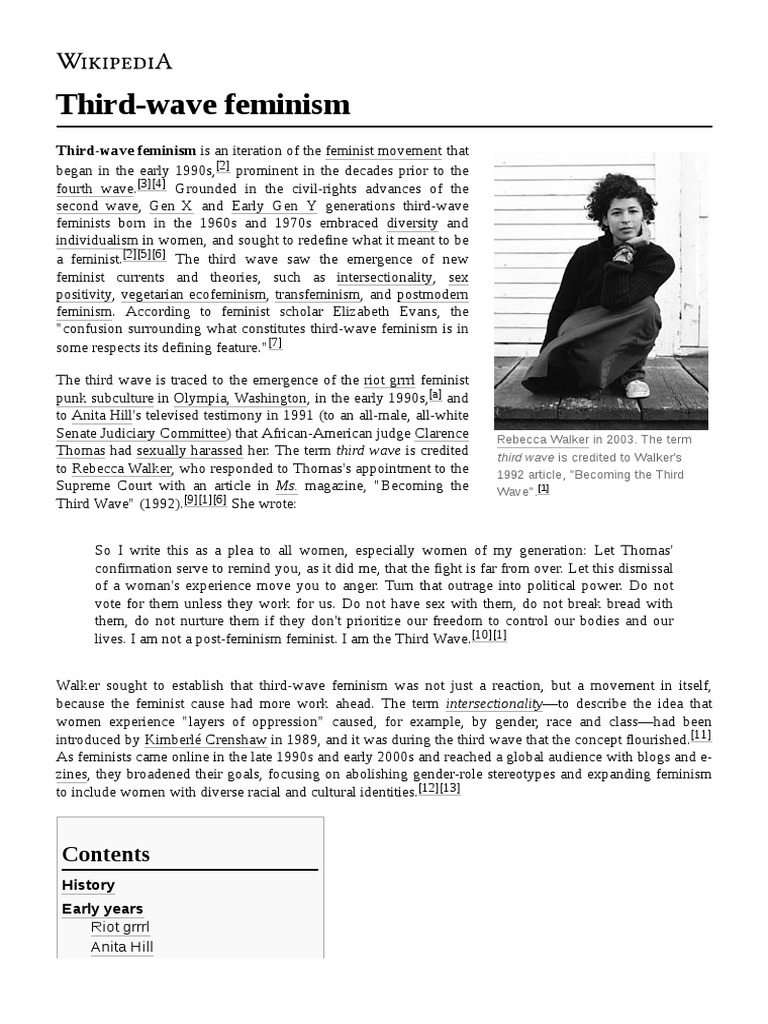
The concept of intersectionality – the interconnected nature of social categorizations such as race, class, and gender, creating overlapping systems of discrimination or disadvantage – has been a recurring theme in discussions surrounding Watson’s feminism. While her early advocacy sometimes lacked a nuanced understanding of intersectionality, there are indications that she is actively learning and evolving in this area.
She has increasingly amplified the voices of women from marginalized communities, using her platform to raise awareness about the unique challenges they face. She has also actively sought to educate herself about the complexities of intersectionality, engaging in dialogue with activists and scholars who are experts in the field. This willingness to learn and grow is a crucial attribute for any public figure seeking to advocate for social justice.
Despite this progress, some critics remain skeptical. They argue that her privileged background inevitably limits her ability to fully comprehend the lived experiences of women from marginalized communities. They contend that she needs to go beyond mere awareness-raising and actively support systemic reforms that address the root causes of intersectional inequality.
The “Self-Partnered” Saga: A Moment of Misinterpretation?
Watson’s infamous “self-partnered” comment ignited a firestorm of debate. What was intended as a playful, self-affirming declaration of independence was quickly interpreted by some as a rejection of traditional relationships and a trivialization of the struggles faced by single women. The incident highlighted the challenges of navigating complex social issues in the public sphere, where words are often dissected and decontextualized.
While the comment may have been misinterpreted, it did spark a valuable conversation about societal expectations surrounding relationships and the pressures faced by women to conform to traditional norms. It also underscored the importance of self-love and self-acceptance, regardless of relationship status. Perhaps, ultimately, the kerfuffle served as a reminder that even the most carefully crafted messages can be subject to misinterpretation.
Beyond the Sound Bites: Measuring the Impact.
Ultimately, evaluating Emma Watson’s contribution to feminism requires moving beyond sound bites and social media posts. It necessitates a careful examination of her actions, her investments, and her long-term commitment to social justice. Has she used her privilege and resources to amplify the voices of marginalized women? Has she actively supported organizations working on the front lines of feminist activism? Has she consistently challenged the status quo and advocated for systemic change? The answers to these questions will ultimately determine her legacy as a feminist advocate.
So, is Emma Watson a bona fide feminist icon or simply a well-intentioned celebrity dabbling in social justice? The verdict, like feminism itself, is complex and multifaceted. The dialogue continues, the analysis persists, and the evolution is ongoing. Perhaps that, in itself, is a victory.





Leave a Comment