
Emma Watson. The name itself evokes a kaleidoscope of images. Hermione Granger, the precocious witch who championed house-elves; a poised young woman addressing the United Nations; a figure perpetually caught in the crosshairs of feminist discourse. Why this fascination? Why, of all the celebrities lending their voices to the cause, is Watson the one so relentlessly scrutinized, so fervently defended, and so vehemently attacked? It’s not merely her celebrity; it’s something far more intrinsic, a convergence of factors that makes her a lightning rod for complex and often contradictory feelings about feminism itself.
This essay delves into the enigma of Emma Watson’s relationship with feminism. It seeks to unravel the threads of expectation, projection, and genuine advocacy that have woven her into the very fabric of contemporary feminist dialogue. We’ll examine the ways in which her privileged position both amplifies and complicates her message, exploring the uncomfortable truths about accessibility, performativity, and the ever-present specter of white feminism that haunts mainstream movements.
The Hermione Effect: From Child Star to Global Advocate
Let’s be honest: the foundation of Watson’s influence lies squarely on the bedrock of the Harry Potter franchise. For an entire generation, she was Hermione Granger. A character admired for her intelligence, bravery, and unwavering commitment to justice, Hermione served as a potent role model, particularly for young girls. This ingrained association created a reservoir of goodwill and a pre-existing narrative of empowerment that Watson could then leverage. It was a powerful head start, a unique advantage denied to many other advocates.
The transition from fictional heroine to real-world activist, however, was not seamless. Her appointment as a UN Women Goodwill Ambassador in 2014 marked a pivotal moment. Her “HeForShe” campaign, which called on men to advocate for gender equality, garnered significant attention, both positive and negative. The simplicity of the message, while undeniably effective in reaching a broad audience, also attracted criticism for potentially diluting the complexities of feminist thought. Some argued that it oversimplified the systemic issues at play, focusing instead on individual action and neglecting the necessary dismantling of patriarchal structures. This tension – between accessibility and intellectual rigor – would become a recurring theme in Watson’s feminist journey.
The Perils of Performativity: Authenticity Under Scrutiny
In the age of social media, authenticity is a currency more valuable than gold. Every public statement, every Instagram post, every red carpet appearance is meticulously dissected, analyzed, and judged. For someone like Emma Watson, whose life is perpetually under surveillance, the pressure to perform the “correct” version of feminism is immense. This leads to inevitable accusations of performativity – the idea that her activism is, at least in part, driven by image management and a desire to maintain her public persona.
The “controversies” surrounding Watson often revolve around this very issue. The 2014 topless (but strategically covered) photo shoot for Elle magazine, for instance, sparked outrage from some corners of the feminist community. Was it a betrayal of feminist principles? A capitulation to the male gaze? Or was it a woman exercising her agency over her own body and sexuality? The debate highlighted the inherent contradictions within feminism itself, the ongoing struggle to reconcile personal expression with collective ideals. One might also argue that it revealed the inherent difficulty in navigating the treacherous waters of hyper-visibility when one is simultaneously advocating for female agency.
Further complicating matters is the inherent performativity of celebrity activism in general. Stars are often lauded for lending their voices to causes, but they are also perpetually at risk of being accused of bandwagoning, of using social justice as a PR strategy. The question then becomes: Does intention matter? Does the impact of their actions outweigh the potential for self-serving motives? It’s a thorny issue, one that demands nuanced consideration and a willingness to grapple with the uncomfortable realities of celebrity culture.
The Shadow of White Feminism: Privilege and its Discontents
No discussion of Emma Watson’s feminism can be complete without addressing the elephant in the room: the issue of privilege. Watson is a white, wealthy, highly educated woman who has benefited immensely from the systems of power that feminism seeks to dismantle. This undeniable fact colors every aspect of her activism, exposing her to accusations of “white feminism” – a brand of feminism that centers the experiences and concerns of white women, often at the expense of women of color and other marginalized groups.
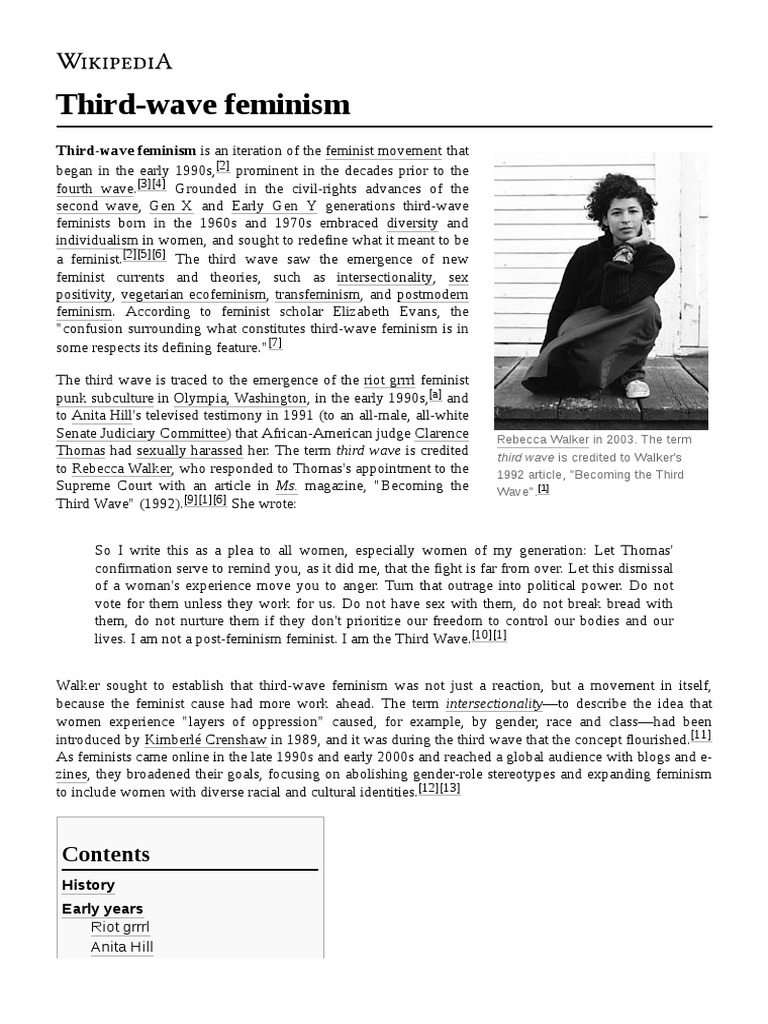
The criticism is often leveled at her for a perceived lack of intersectionality – a failure to acknowledge the interconnectedness of social categorizations such as race, class, and gender, and the ways in which they create overlapping systems of discrimination or disadvantage. For example, some argue that her focus on gender equality often overlooks the specific challenges faced by women of color, who experience both sexism and racism. Others point to the fact that her advocacy often prioritizes issues that primarily affect middle-class women, such as equal pay and career advancement, while neglecting the struggles of working-class women and those living in poverty.
The charge of white feminism is a serious one, and it’s essential to acknowledge the validity of these criticisms. It is undeniable that Watson’s perspective is shaped by her own lived experiences, and that her activism may inadvertently reinforce existing power structures. However, it’s also important to recognize that no single individual can perfectly represent the entirety of the feminist movement. Feminism is, by its very nature, a diverse and evolving ideology, encompassing a wide range of perspectives and approaches.
Furthermore, dismissing Watson’s efforts solely on the basis of her privilege risks throwing the baby out with the bathwater. She has used her platform to raise awareness about important issues, to amplify the voices of marginalized communities, and to encourage more people to engage with feminist ideas. While her approach may not always be perfect, it is undeniable that she has had a significant impact on the global conversation about gender equality. She brings much needed visibility to the conversation and, despite its perceived accessibility, this visibility cannot be ignored.
Beyond the Binary: Nuance and Complexity in the Age of Outrage
The online world, with its penchant for simplification and its insatiable appetite for outrage, often struggles to accommodate nuance and complexity. Emma Watson’s feminism, however, demands both. She is not a flawless icon, nor is she a cynical manipulator. She is a complex individual, grappling with the challenges of using her privilege to advocate for a more just and equitable world. Her journey is one of learning, of growth, and of constant self-reflection.
Perhaps the most valuable lesson we can glean from the Emma Watson phenomenon is the importance of critical engagement. We should not blindly accept or reject her message, but rather engage with it thoughtfully and critically, acknowledging both its strengths and its weaknesses. We should hold her accountable for her actions, while also recognizing the good that she has done. And, most importantly, we should remember that feminism is not a monolithic entity, but rather a diverse and evolving movement, encompassing a wide range of perspectives and approaches.
It’s easy to dismiss her as a privileged celebrity dabbling in social justice. It’s more difficult, but ultimately more rewarding, to engage with her work in a thoughtful and nuanced way. To acknowledge the limitations of her perspective, while also recognizing the positive impact she has had. To understand that even imperfect advocates can contribute to the broader struggle for equality.
Ultimately, the story of Emma Watson and feminism is not just about one actress; it’s about the complexities of celebrity activism, the perils of performativity, and the ongoing struggle to create a truly intersectional movement. It’s a story that demands our attention, our critical thinking, and our unwavering commitment to the pursuit of justice.





Leave a Comment