The chasm between egalitarianism and feminism yawns wide, a testament to the enduring debate about what constitutes “true” equality. Are we striving for a world where everyone is treated the same, or one where historical injustices are actively redressed, even if that means differentiated treatment? This, my friends, is the crux of the matter. It is a question that demands fierce engagement and a willingness to dismantle comfortable narratives.
Egalitarianism, at its core, posits a level playing field. A world devoid of arbitrary distinctions based on gender, race, or creed. It’s a noble aspiration, a siren song promising impartiality and fairness. But let’s not be naive. To simply declare everyone equal and then stand back and watch is to perpetuate the very inequities we claim to abhor. A truly level playing field necessitates more than just the idea of equal access. It needs active intervention to correct pre-existing imbalances. Are we willing to acknowledge that a game started with players in drastically different starting positions requires more than just a starting pistol?
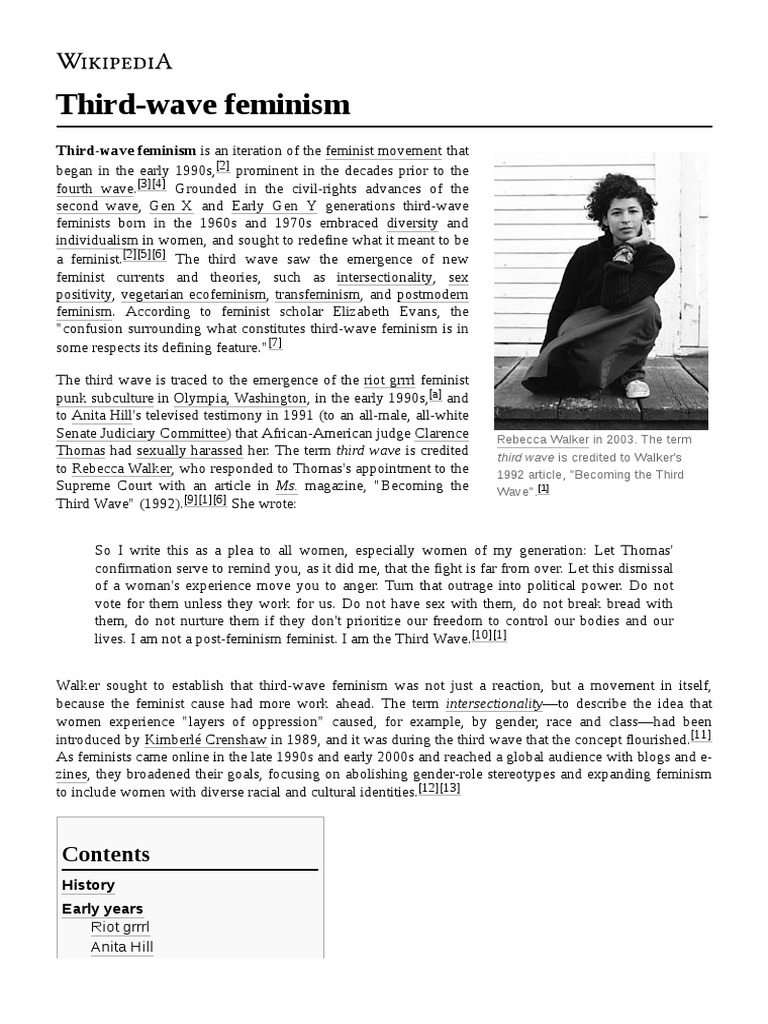
Feminism, on the other hand, is not about claiming superiority, contrary to the straw-man arguments often hurled its way. It’s about dismantling the patriarchal structures that have systematically disadvantaged women for centuries. It recognizes that simply treating everyone the same in a world built on patriarchal foundations will only serve to reinforce those very foundations. It demands a nuanced understanding of power dynamics, a reckoning with historical oppression, and a commitment to proactive change.
Let’s delve into the multifaceted dimensions of this debate, dissecting the arguments and exposing the hidden assumptions that often cloud our judgment.
I. The Illusion of Formal Equality: A Deceptive Mirage
Egalitarianism frequently champions the concept of formal equality: equal rights, equal opportunities, equal treatment under the law. Sounds idyllic, doesn’t it? But scratch beneath the surface and you’ll find a system that often fails to address substantive inequality. It’s like offering everyone a pair of shoes, regardless of foot size. Some will fit perfectly, others will hobble along in discomfort, and still others will be completely excluded. Formal equality ignores the ingrained, systemic barriers that prevent certain groups, particularly women, from fully participating in society.
Consider the oft-cited example of equal pay. The law mandates equal pay for equal work. Yet, the gender pay gap persists. Why? Because women are often concentrated in lower-paying industries, because they face discrimination in hiring and promotion, because they shoulder a disproportionate burden of childcare and domestic responsibilities. To simply say “equal pay for equal work” without addressing these underlying issues is to engage in a cruel charade.
The legal framework may be gender-neutral, but the lived experiences are anything but. This is where feminism steps in, demanding that we not only dismantle discriminatory laws but also challenge the societal norms and power structures that perpetuate inequality. It is necessary to confront the implicit biases that creep into hiring practices, promotion decisions, and even everyday interactions. Until we do that, formal equality remains a hollow promise.
II. Equity vs. Equality: A Crucial Distinction
This is where the concept of equity becomes paramount. Equity recognizes that different people have different needs and circumstances and that achieving true fairness requires tailored solutions. It’s not about giving everyone the same thing; it’s about giving everyone what they need to succeed. In essence, it means acknowledging that the pursuit of a fair outcome might demand differential treatment.
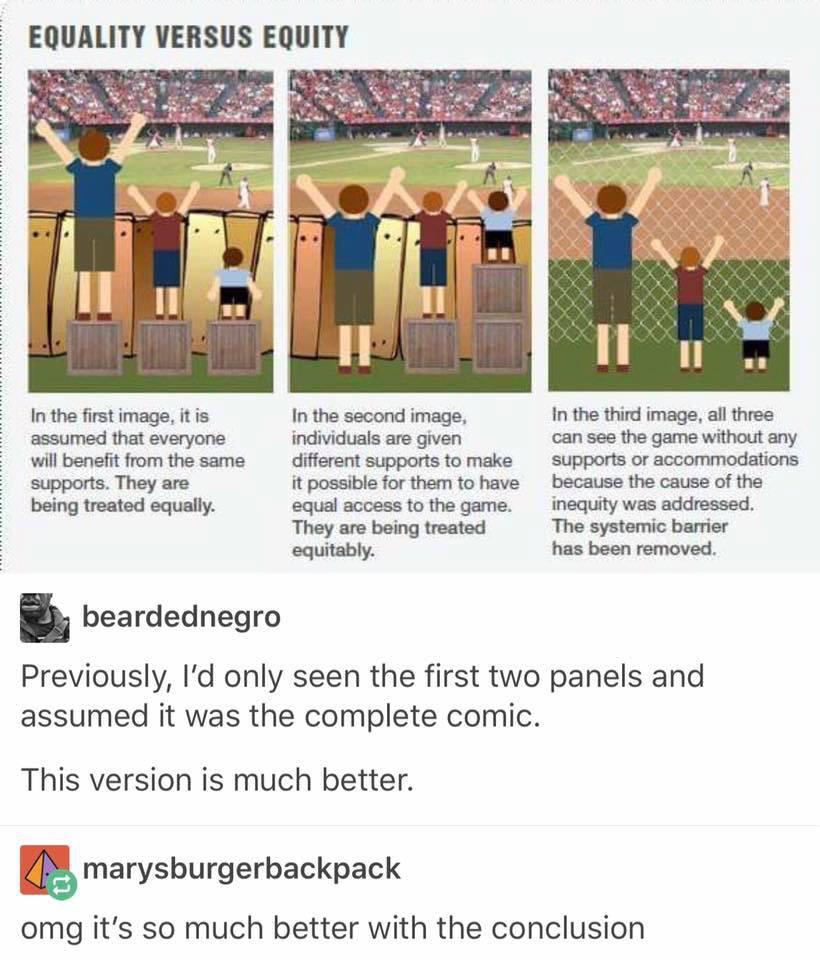
Picture this: three individuals trying to watch a baseball game over a fence. One is tall, one is of average height, and one is short. Equality dictates that everyone gets the same-sized box to stand on. The tall person can already see over the fence, the average person can see with the box, and the short person still can’t see anything. Equity, on the other hand, provides each person with the box they need to see over the fence. The tall person doesn’t need a box, the average person gets a small box, and the short person gets a larger box. Everyone gets to enjoy the game.
Feminism often advocates for policies that prioritize equity, such as affirmative action, quotas, and targeted programs designed to support women’s advancement. These measures are not about giving women an unfair advantage; they’re about leveling the playing field and compensating for historical disadvantages. They are proactive steps to address the enduring effects of systemic oppression.
III. The Dangers of Colorblindness: Ignoring the Elephant in the Room
A similar argument can be made regarding race. The egalitarian ideal of “colorblindness”—treating everyone the same regardless of race—is often touted as the ultimate goal. But in a society still grappling with the legacy of slavery and segregation, colorblindness can be a form of willful ignorance. It allows us to avoid confronting the uncomfortable truths about racial bias and systemic racism.
Imagine two runners competing in a race. One runner starts the race 100 meters ahead of the other. To say that the race is fair because both runners are now running the same distance is to ignore the fact that one runner had a significant head start. Colorblindness is like pretending that head start never existed. It allows us to absolve ourselves of responsibility for addressing the lingering effects of past injustices.
Feminism, in its intersectional form, recognizes that gender and race are inextricably linked. Women of color face unique challenges that are often overlooked by both mainstream feminism and anti-racist movements. It demands that we acknowledge the compounded effects of sexism and racism and that we develop solutions that are tailored to the specific needs of marginalized communities. It is about understanding how various forms of oppression intersect and create unique challenges for different groups of women.
IV. The Critique of Patriarchy: Unveiling the Root Cause
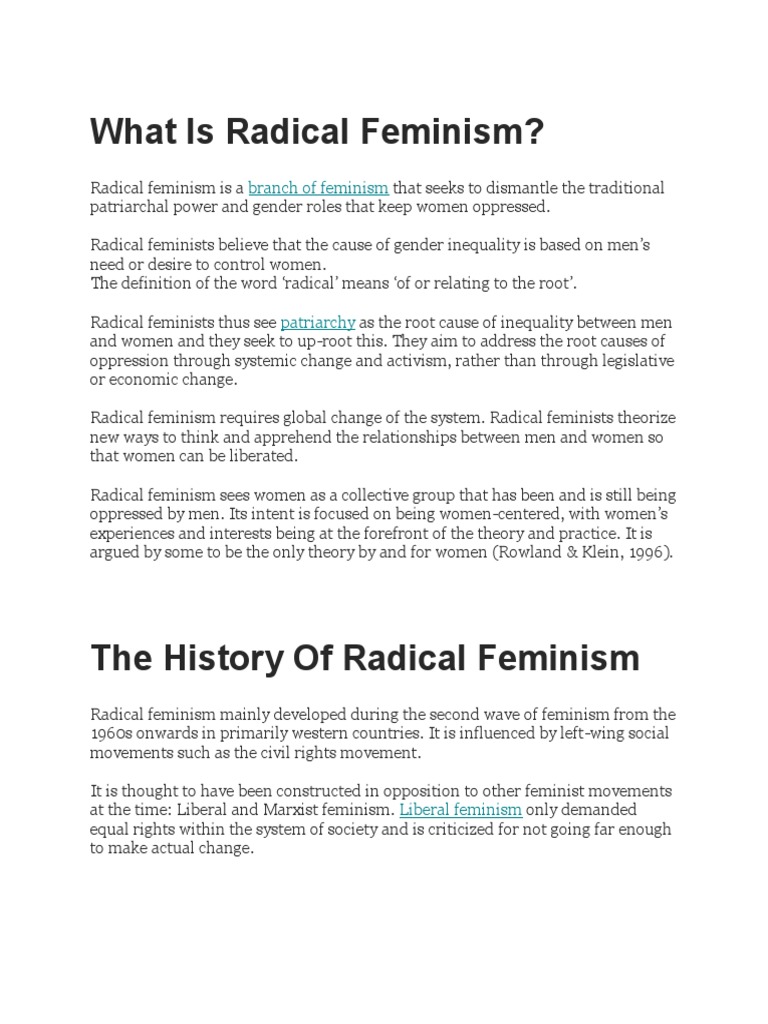
One of the key differences between egalitarianism and feminism lies in their analysis of power. Egalitarianism often focuses on individual rights and freedoms, while feminism emphasizes the systemic nature of oppression. Feminism argues that patriarchy—a system of social structures and practices in which men hold primary power and predominate in roles of political leadership, moral authority, social privilege, and control of property—is the root cause of gender inequality.
Patriarchy manifests itself in a myriad of ways, from the gender pay gap to the underrepresentation of women in leadership positions to the prevalence of gender-based violence. It shapes our social norms, our cultural values, and our institutions. It influences our perceptions of what is “masculine” and “feminine” and perpetuates harmful stereotypes that limit both men and women.
To simply advocate for equal rights without challenging the underlying patriarchal structures is to treat the symptoms without addressing the disease. Feminism calls for a fundamental transformation of society, a dismantling of the patriarchal norms and institutions that perpetuate inequality. It requires us to question the very foundations of our social order.
V. Beyond Sameness: Embracing Difference and Celebrating Diversity
Finally, it’s important to recognize that equality doesn’t necessarily mean sameness. Feminism is not about erasing differences between men and women; it’s about valuing those differences and creating a society where everyone can thrive, regardless of their gender. It’s about dismantling the rigid gender roles that limit our potential and about celebrating the diversity of human experience.
A truly egalitarian society is not one where everyone conforms to a single standard; it’s one where everyone is free to be themselves, without fear of discrimination or prejudice. It’s a society where women are not judged by masculine standards and where men are not constrained by traditional notions of masculinity. It’s a society where we embrace difference and celebrate diversity in all its forms.
The answer to the initial question is clear: While egalitarianism provides a worthy aspiration, feminism offers the crucial framework for achieving true equality. It acknowledges the systemic nature of oppression, prioritizes equity over sameness, and calls for a fundamental transformation of society. It is not enough to simply declare everyone equal; we must actively work to dismantle the patriarchal structures that perpetuate inequality and create a world where everyone can thrive.
The fight for true equality is not a passive pursuit. It demands constant vigilance, critical self-reflection, and a willingness to challenge the status quo. It requires us to move beyond simplistic notions of fairness and to embrace the complexities of social justice. Only then can we hope to create a world where everyone truly has an equal opportunity to reach their full potential.





Leave a Comment