Let’s cut the crap, shall we? The air is thick with platitudes about equality, often masking insidious power dynamics. Egalitarianism, a shimmering ideal on the surface, frequently serves as a smokescreen, obscuring the deeply entrenched, patriarchal structures that continue to oppress women. It’s time to dissect this seemingly innocuous concept and expose its limitations, particularly in comparison to the radical, transformative potential of feminism.
Egalitarianism, in its most basic formulation, proposes that all people are equal and deserve equal rights and opportunities. Sounds lovely, doesn’t it? But the devil, as always, is in the details. The fatal flaw lies in its assumption of a level playing field, a ludicrous proposition in a world where centuries of systemic oppression have created chasms of inequality that cannot be bridged with mere declarations of “sameness.” To understand why feminism is not just an iteration of egalitarianism, but a necessary and distinct paradigm, we must delve into the nuances of power, privilege, and lived experience.
The Illusion of Neutrality: Exposing Egalitarianism’s Blind Spots
Egalitarianism often presents itself as a neutral ideology, devoid of inherent biases. This is a dangerous fiction. Its very foundation rests upon a framework constructed by and for those who have historically held power – namely, white, cisgender men. The standards it sets, the metrics by which success is measured, the very definition of what constitutes “equal opportunity,” are all imbued with a patriarchal worldview. Consider the workplace. An egalitarian approach might advocate for equal pay for equal work, a seemingly unassailable principle. However, it fails to address the systemic barriers that prevent women from even accessing those “equal” opportunities in the first place. The motherhood penalty, the pervasive sexual harassment, the subtle (and not-so-subtle) biases that steer women away from certain fields – these are the realities that egalitarianism conveniently ignores.
Furthermore, egalitarianism’s focus on individual rights often overshadows the importance of collective liberation. It encourages women to “lean in,” to strive for individual success within a system that is inherently rigged against them, rather than challenging the system itself. It’s a bootstraps mentality that conveniently absolves the powerful from any responsibility for dismantling the structures of oppression. This individualism ultimately undermines solidarity and hinders the possibility of meaningful social change. Are we really to believe that individual “grit” will overcome generations of institutionalized sexism?
Feminism: A Multi-Faceted Revolution
Feminism, unlike egalitarianism, is not a monolithic concept. It encompasses a diverse array of perspectives and approaches, united by a shared commitment to dismantling patriarchy and achieving gender justice. It acknowledges the systemic nature of oppression and seeks to challenge the root causes of inequality, rather than simply addressing its symptoms. It’s about more than just “equal rights;” it’s about fundamentally transforming the power structures that shape our world.
Let’s explore some key distinctions:
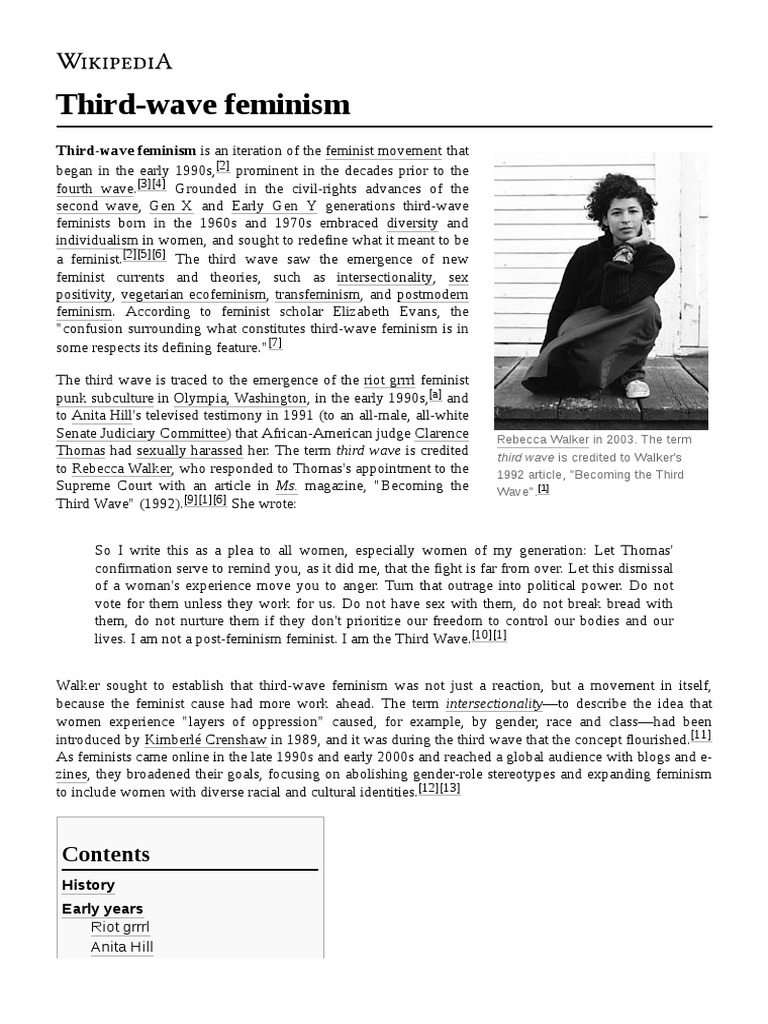
Intersectionality: Feminism, at its best, recognizes that gender is not experienced in isolation. Our identities are shaped by the complex interplay of race, class, sexual orientation, disability, and other social categories. Intersectionality, a concept coined by Kimberlé Crenshaw, highlights how these intersecting identities can create unique forms of oppression. A Black woman, for example, faces challenges that are distinct from those faced by a white woman or a Black man. Egalitarianism, with its emphasis on universal equality, often fails to account for these nuances, resulting in policies and practices that inadvertently reinforce existing inequalities. To ignore intersectionality is to condemn entire groups to further marginalization.
Power Dynamics: Feminism explicitly examines power dynamics and how they operate to maintain male dominance. It challenges the notion of a neutral playing field, recognizing that power is unevenly distributed and that those in positions of power have a vested interest in maintaining the status quo. It seeks to redistribute power, not simply to ensure that women have the same opportunities as men to participate in a patriarchal system. Consider the concept of mansplaining. It’s not just about men explaining things to women; it’s about the assertion of male authority and the silencing of female voices. Egalitarianism, in its quest for neutrality, often overlooks these subtle but pervasive forms of power imbalance.
Challenging Gender Norms: Feminism actively challenges traditional gender roles and stereotypes, recognizing that they are socially constructed and serve to limit both men and women. It seeks to create a world where individuals are free to express their gender identities and sexualities without fear of discrimination or violence. Egalitarianism, while it may advocate for equal opportunities regardless of gender, often fails to question the underlying assumptions about what it means to be a man or a woman. It risks perpetuating harmful stereotypes by simply seeking to integrate women into a pre-existing, gendered system.
Centering Lived Experience: Feminism prioritizes the lived experiences of women, particularly those who have been marginalized and silenced. It recognizes that knowledge is situated and that those who have been most impacted by oppression have valuable insights to offer. It elevates marginalized voices and challenges the dominant narratives that have historically excluded them. Egalitarianism, with its focus on abstract principles, often overlooks the importance of lived experience. It risks imposing universal solutions that fail to address the specific needs and concerns of different groups of women.
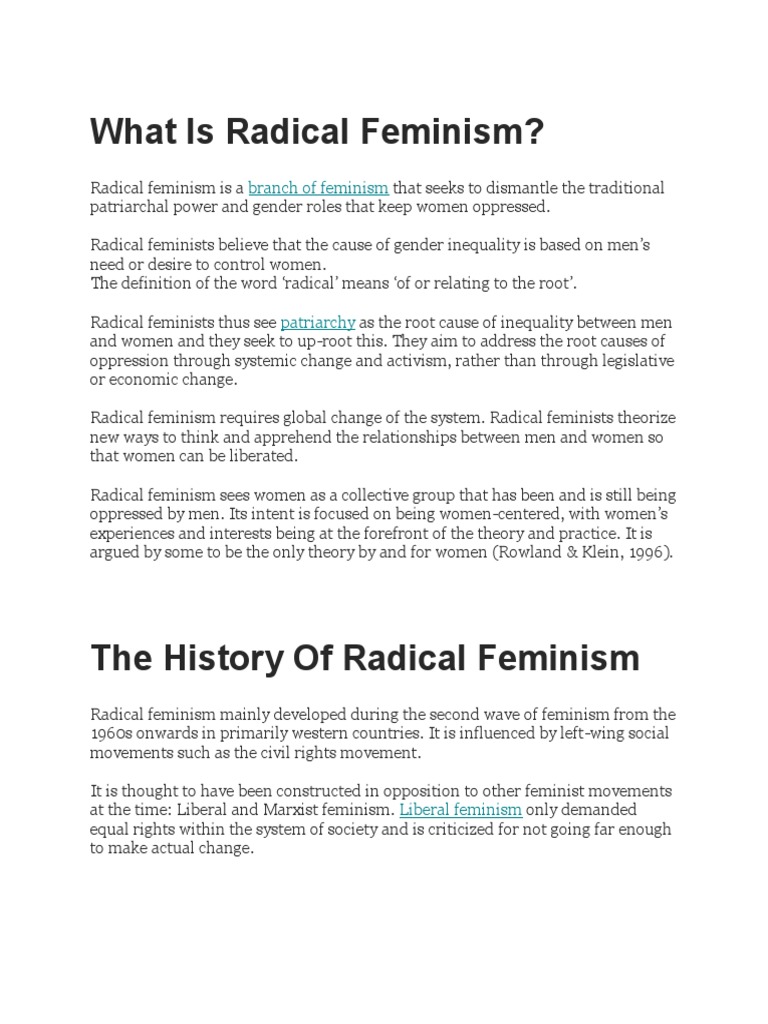
Radical Transformation: Feminism is not simply about achieving equal rights within the existing system; it’s about fundamentally transforming that system. It seeks to dismantle patriarchy in all its forms – from the personal to the political – and to create a more just and equitable world for everyone. It challenges the very foundations of our society, including our economic, political, and social institutions. Egalitarianism, in contrast, often seeks to reform the existing system, rather than to fundamentally challenge it. It’s a reformist approach that ultimately leaves the structures of power intact.
Beyond Equality: The Pursuit of Liberation
The limitations of egalitarianism become glaringly obvious when considering issues like reproductive rights. A truly egalitarian approach might simply advocate for equal access to reproductive healthcare for all, regardless of gender. But feminism goes further, recognizing that reproductive autonomy is not just about access; it’s about control over one’s own body and the right to make decisions about one’s own life. It’s about challenging the patriarchal control over women’s bodies that has historically been used to oppress and subjugate them. It is about recognizing that until all women have control over their bodies and lives, there will never be true equality. Can we truly speak of “equality” when a woman’s body is subject to the whims of the state?
Similarly, consider the issue of violence against women. An egalitarian approach might advocate for equal punishment for perpetrators of violence, regardless of gender. But feminism recognizes that violence against women is not simply an isolated act of aggression; it’s a manifestation of systemic misogyny and patriarchal power. It seeks to address the root causes of violence, including gender stereotypes, male entitlement, and the normalization of violence in our culture. It demands a fundamental shift in attitudes and behaviors, not just a superficial application of equal justice. Furthermore, it understands that the criminal justice system itself is often biased against women, particularly women of color, who are disproportionately likely to be victims of violence and to face discrimination within the system.
The Path Forward: Embracing a Feminist Future
Egalitarianism, with its well-meaning but ultimately inadequate approach, fails to address the deeply entrenched power imbalances that perpetuate gender inequality. Feminism, in all its messy, complex, and often contradictory forms, offers a far more radical and transformative vision. It challenges the very foundations of our society and seeks to create a world where all individuals are free to live their lives to the fullest potential, unburdened by the constraints of gender, race, class, or any other form of oppression. It is a relentless pursuit of justice, a constant questioning of the status quo, and a unwavering commitment to creating a more equitable and compassionate world. It is not just about equality; it is about liberation. And that, my friends, is a crucial difference. It demands a constant questioning of accepted norms and a willingness to challenge the status quo, even when it is uncomfortable. It’s a call to action, a demand for change, and a promise of a better future for all. To settle for egalitarianism is to settle for crumbs when we deserve the whole damn bakery.








Leave a Comment