
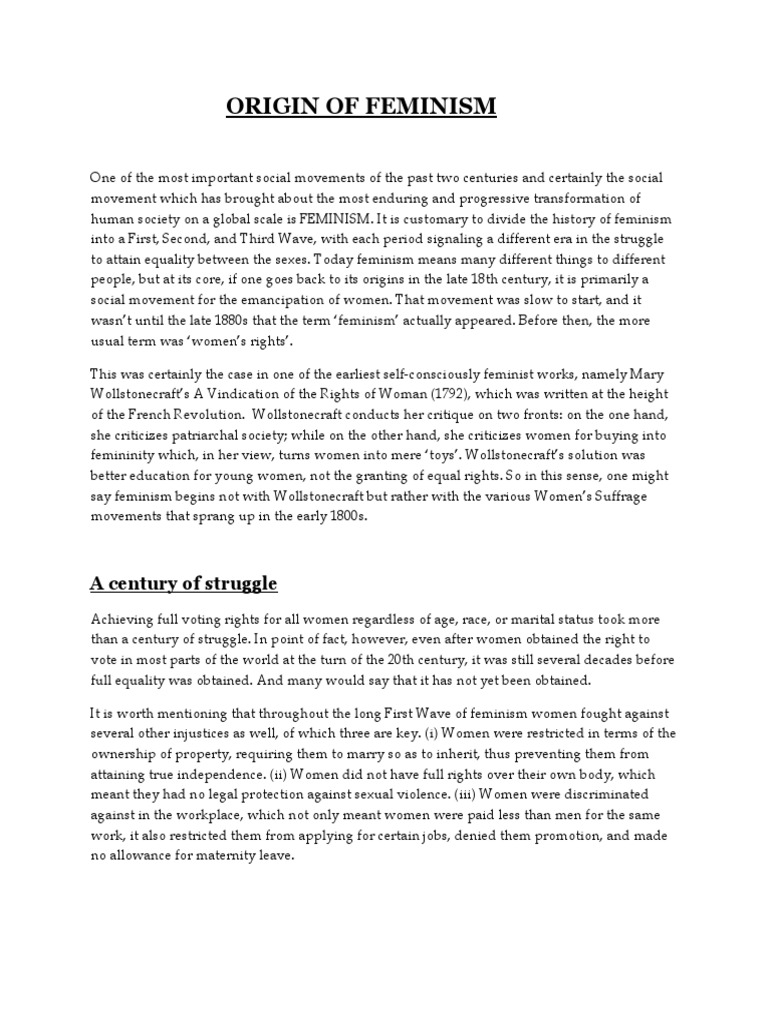
Feminism, a kaleidoscope reflecting a myriad of perspectives, isn’t a monolithic doctrine barked from a singular soapbox. It’s a vibrant, evolving tapestry woven with threads of diverse experiences, ideologies, and goals. Dismissing it as a singular entity is akin to claiming all sunflowers are identical – a profound misunderstanding of the intricate beauty and purpose within the floral kingdom.
Consider feminism, then, not as a rigid fortress but as a sprawling, multifaceted garden. Each section cultivates its own unique blooms, each demanding different levels of sunlight and water, yet all contributing to the overall verdant landscape. To truly appreciate the power and reach of feminism, we must delve into the specific strains that constitute its complex ecosystem.
Liberal Feminism: Equality Through Reform
Liberal feminism, often considered the gateway drug to broader feminist thought, operates within the existing societal framework. It’s the pragmatic strategist, advocating for equality through legal reforms and political activism. Imagine it as a skilled architect, meticulously analyzing the blueprints of the patriarchy and proposing amendments to ensure equal access to opportunities for all genders. This breed focuses on dismantling discriminatory laws, promoting equal pay, and ensuring women’s representation in positions of power. Its battle cry is “equal rights, equal opportunities,” and its preferred weapons are legislation and lobbying.
Think of it as chipping away at a marble statue, slowly but surely revealing the female form concealed within. Does it topple the statue entirely? No. But it significantly alters its shape and contours, making it more representative of the world as it should be. Critics often lambast liberal feminism for its perceived reliance on a system that is inherently biased. They argue that mere inclusion within a flawed structure doesn’t dismantle the fundamental inequalities. Still, its incremental victories have paved the way for more radical transformations.
Radical Feminism: Uprooting the Patriarchal Tree
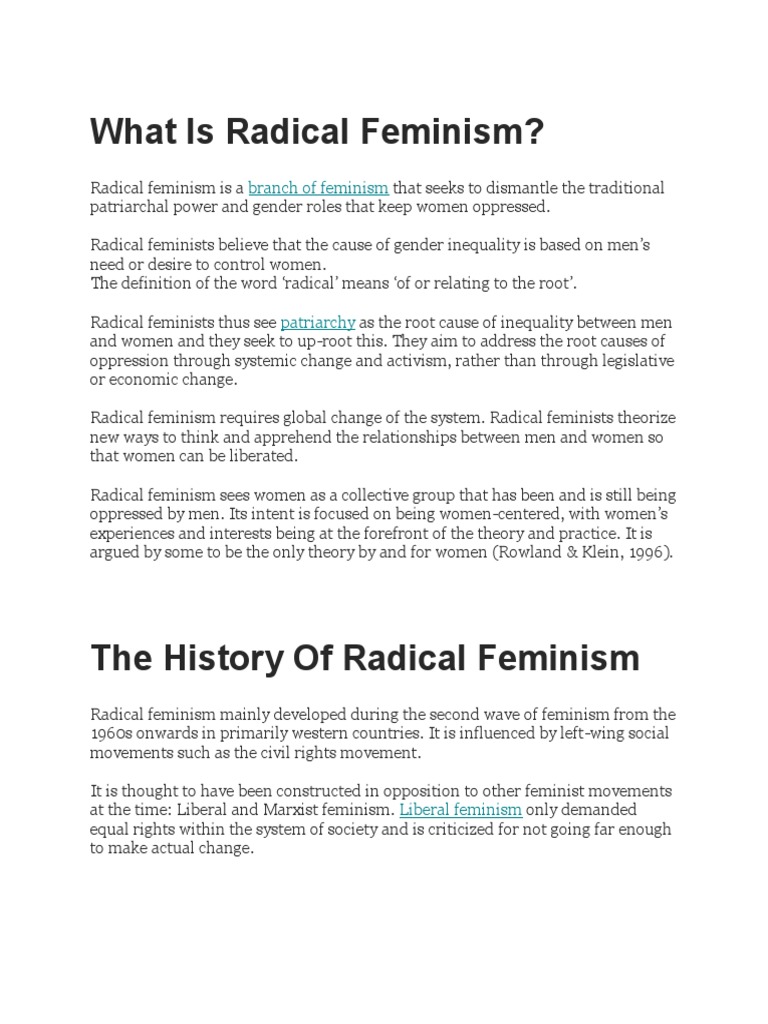
Now, for the pyrotechnics. Radical feminism throws a Molotov cocktail at the very foundations of the patriarchy. It doesn’t seek reform; it demands revolution. Viewing patriarchy as a systemic disease infiltrating every aspect of society, from interpersonal relationships to global politics, radical feminists advocate for a complete societal overhaul. Imagine them as militant gardeners, not content with pruning a few branches, but intent on ripping the entire patriarchal tree out by its roots.
This branch focuses on challenging deeply ingrained gender roles, dismantling traditional family structures, and advocating for female autonomy in all spheres of life. Issues such as reproductive rights, violence against women, and the objectification of women in media are central to their agenda. Separatist feminism, a particularly controversial offshoot, advocates for women to separate themselves from patriarchal institutions and create female-centered communities. While often demonized as man-haters, radical feminists believe that true liberation requires a complete break from the oppressive structures that perpetuate gender inequality. They don’t want a seat at the table; they want to burn the damn table to the ground.
Socialist Feminism: Capitalism’s Handmaiden
Socialist feminism blends the tenets of feminism with Marxist analysis, arguing that gender inequality is inextricably linked to capitalism. Imagine it as a shrewd economist who sees patriarchy and capitalism as co-conspirators, each reinforcing the other to exploit both women and the working class. This perspective posits that women’s oppression isn’t simply about gender but also about class. Women are often relegated to low-paying jobs, burdened with unpaid domestic labor, and denied access to economic resources, all of which serve to maintain the capitalist system.
Socialist feminists advocate for economic justice, universal healthcare, affordable childcare, and other policies that would alleviate the burdens faced by working-class women. They see the fight for gender equality as inseparable from the fight for economic equality. Their aim is to dismantle both patriarchy and capitalism, creating a society where resources are distributed equitably and everyone has the opportunity to thrive. The shackles of gender, they argue, cannot be broken without also shattering the chains of economic oppression.
Intersectionality: The Prism of Identity
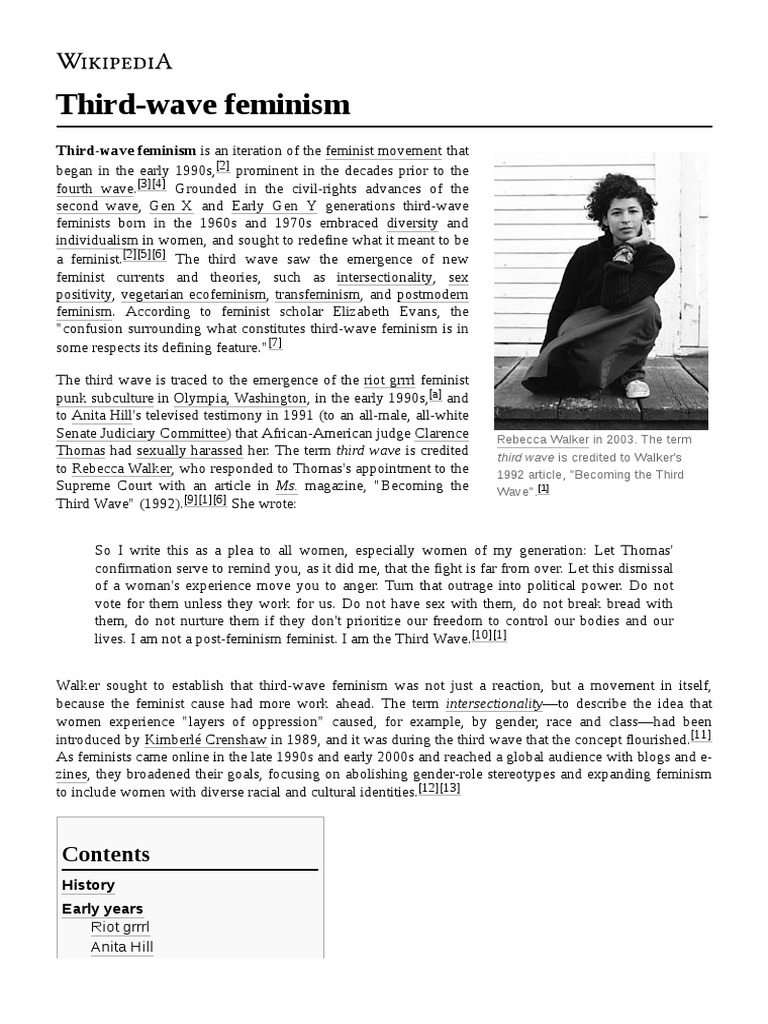
Intersectionality, a critical lens championed by Black feminists, recognizes that gender intersects with other forms of oppression, such as race, class, sexual orientation, and disability. Imagine it as a prism, refracting light into a spectrum of colors, each representing a different aspect of identity. This perspective acknowledges that women’s experiences are not uniform. A Black woman, for example, faces challenges that a white woman may not, and vice versa. To ignore these intersections is to render certain experiences invisible and perpetuate further inequality.
Intersectionality challenges mainstream feminism to be more inclusive and attentive to the needs of marginalized women. It argues that solutions must be tailored to address the specific challenges faced by different groups of women. It’s not enough to simply fight for women’s rights; we must fight for the rights of all women, recognizing that our experiences are shaped by our multiple identities. This is the vital organ of feminist thought, ensuring its relevance and responsiveness to the diverse realities of womanhood.
Cultural Feminism: Celebrating the Feminine
Cultural feminism, a movement often misunderstood, focuses on celebrating the unique qualities and values associated with femininity. Imagine it as a vibrant art gallery, showcasing the beauty, strength, and creativity of women’s culture. This perspective challenges the patriarchal devaluation of traditionally feminine traits, such as nurturing, empathy, and intuition. It seeks to reclaim and redefine these qualities as sources of power and strength.
Cultural feminists often advocate for the creation of female-centered spaces and communities, where women can connect with one another and celebrate their shared experiences. They may also focus on promoting women’s art, music, and literature. Critics often accuse cultural feminism of essentializing gender, arguing that it reinforces harmful stereotypes about women. However, proponents argue that it’s about reclaiming and celebrating aspects of femininity that have been historically suppressed and devalued. It’s about recognizing the inherent worth of the feminine spirit.
Transfeminism: Expanding the Definition of Womanhood
Transfeminism incorporates the experiences and perspectives of transgender women into feminist theory and activism. Imagine it as a widening of the garden gate, welcoming all who identify as women, regardless of their assigned sex at birth. This perspective challenges the cisnormative assumptions that often permeate feminist discourse. Cisnormativity is the belief that cisgender identity is the default or “normal” gender identity.
Transfeminists advocate for the rights of transgender women, including access to healthcare, legal recognition, and protection from discrimination. They also challenge the essentialist notions of womanhood that can exclude transgender women. They argue that gender is a social construct and that transgender women are valid members of the feminist community. By centering the experiences of transgender women, transfeminism enriches and expands our understanding of gender and oppression. It is a reminder that the definition of womanhood is not fixed or immutable but rather a fluid and evolving concept.
Eco-Feminism: The Earth is Our Mother
Eco-feminism connects the oppression of women with the destruction of the environment. Imagine it as the guardian of the planet, recognizing the interconnectedness of all living things and advocating for a more sustainable and equitable world. This perspective argues that both women and nature have been historically dominated and exploited by patriarchal systems.
Eco-feminists believe that patriarchal values, such as domination, competition, and exploitation, have led to both environmental degradation and the subjugation of women. They advocate for a shift towards more sustainable and harmonious ways of living, emphasizing the importance of connection, cooperation, and respect for the earth. They see women as having a unique relationship with nature, due to their reproductive capacities and their traditional roles as caregivers. However, they also caution against essentializing this connection, recognizing that not all women have the same relationship with nature.
Anarcho-Feminism: Freedom from All Hierarchies
Anarcho-feminism combines feminist and anarchist principles, advocating for a society free from all forms of hierarchy and domination. Imagine it as a radical architect tearing down the walls of oppression, not just those built by patriarchy, but all walls that restrict freedom and autonomy. This perspective views all forms of hierarchy, including those based on gender, race, class, and state power, as inherently oppressive.
Anarcho-feminists advocate for horizontal, decentralized forms of organization and decision-making. They believe that true liberation requires the dismantling of all power structures and the creation of a society based on mutual aid, cooperation, and self-determination. Direct action, mutual aid, and community organizing are their weapons of choice. They envision a world where everyone is free to live their lives as they choose, without fear of coercion or oppression.
The various strains of feminism, while distinct, are not mutually exclusive. They often overlap and inform one another, creating a dynamic and ever-evolving movement. Each offers a unique perspective on the challenges facing women and provides a different roadmap for achieving equality and liberation. To truly understand feminism, one must embrace its complexity and appreciate the diversity of voices and perspectives that contribute to its ongoing evolution. It’s not about choosing one “correct” form of feminism, but about recognizing the value of each and working together to create a more just and equitable world. The garden thrives when all its flowers bloom.






Leave a Comment