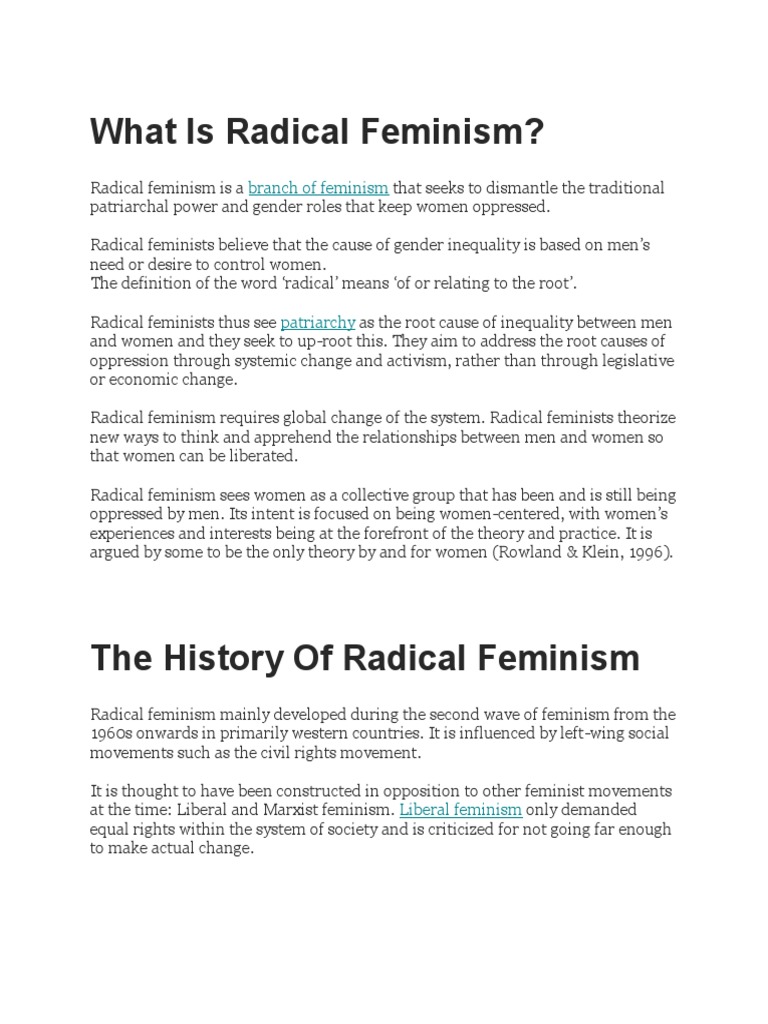
Let’s dissect something, shall we? A concept so frequently masticated, regurgitated, and ultimately, misunderstood: Feminism. Not the diluted, palatable version peddled by corporate marketing teams eager to slap a “girl power” sticker on their latest product. Not the superficial hashtag activism that achieves little beyond performative allyship. We are talking about the very essence, the visceral core, the unflinching demand for *genuine* equality.
Forget the saccharine sentiments. Forget the flowery prose designed to appease the perpetually offended. This is a call to arms, a demand for intellectual rigor, and a fierce rejection of the insidious notion that feminism equates to female supremacy. Such a perversion serves only to undermine the movement’s foundational principles and alienate potential allies.
The insidious undercurrent of misandry, often mistaken for radical feminism, is a cancer that must be excised. It is a betrayal of the very principles upon which true equality rests. It is antithetical to the pursuit of justice and fuels the fires of resentment and division. This is not about flipping the script and installing a matriarchal dystopia. It’s about dismantling the patriarchal edifice brick by agonizing brick and erecting in its place a structure built on equity and mutual respect.
The Misconception: Feminism as Female Supremacy
Let us address the elephant in the room, the specter haunting countless conversations about gender equality: the persistent, and frankly, tiresome accusation that feminism seeks to elevate women above men. This narrative, often propagated by those who benefit most from the status quo, is a deliberate distortion, a calculated attempt to delegitimize the movement and maintain the existing power imbalances. They would have you believe that feminists harbor a secret desire for a world where men are subjugated, their voices silenced, their opportunities curtailed. This is, quite simply, a lie. A fabrication woven from fear and insecurity.
True feminism is not about erecting a gendered hierarchy with women at the apex. It is about obliterating the very concept of hierarchy based on gender. It is about recognizing the inherent worth and dignity of every individual, regardless of their sex or gender identity. It is about dismantling the systemic barriers that prevent individuals from reaching their full potential, regardless of their genitalia.
The insistence that feminism is inherently anti-male is a self-serving argument designed to derail meaningful conversations about gender inequality. It shifts the focus from the systemic issues that perpetuate discrimination to individual grievances, often framed as attacks on masculinity. This tactic allows those who benefit from the existing power structures to deflect criticism and maintain their privileged position.
Equality vs. Equity: Understanding the Nuance
The concept of equality, often bandied about with reckless abandon, needs a serious re-evaluation. Equality, in its most simplistic form, suggests treating everyone the same. But what happens when everyone starts from different places? What happens when systemic disadvantages have created deep chasms in opportunity? That’s where *equity* enters the fray. Equity acknowledges these disparities and seeks to level the playing field by providing tailored support and resources to those who need them most.
Imagine a race where some runners are forced to start several yards behind the starting line. Simply instructing everyone to “run the same race” does not magically erase the initial disadvantage. Equity, in this context, would involve allowing those runners to start closer to the line, giving them a fairer chance to compete. This is not about giving them an unfair advantage; it is about mitigating the existing disadvantages that prevent them from reaching their full potential.
In the context of gender equality, equity means recognizing that women and marginalized gender identities often face systemic barriers that men do not. These barriers can include discriminatory hiring practices, unequal pay for equal work, lack of access to education and healthcare, and pervasive societal biases that limit their opportunities. Achieving true gender equality requires actively addressing these disparities and providing targeted support to those who need it most.
Dismantling the Patriarchy: A Shared Responsibility
The patriarchy, that ubiquitous and insidious system of male dominance, is not a monolithic entity. It is a complex web of interconnected beliefs, practices, and institutions that perpetuate gender inequality. Dismantling this system requires a multi-pronged approach, involving both individual and collective action.
For women, this means challenging internalized misogyny, supporting other women, and refusing to be silenced by those who seek to diminish their voices. It means advocating for policies that promote gender equality, such as equal pay laws, affordable childcare, and access to reproductive healthcare. It means demanding representation in positions of power and refusing to accept the status quo.
Crucially, dismantling the patriarchy also requires the active participation of men. It means men acknowledging their privilege, challenging toxic masculinity, and speaking out against sexism and misogyny. It means men supporting women in their careers and personal lives, sharing equally in household responsibilities, and being active allies in the fight for gender equality. It means men recognizing that they, too, benefit from a more equitable society, one where they are free from the constraints of traditional gender roles.
The Intersectional Imperative: Recognizing Diverse Experiences
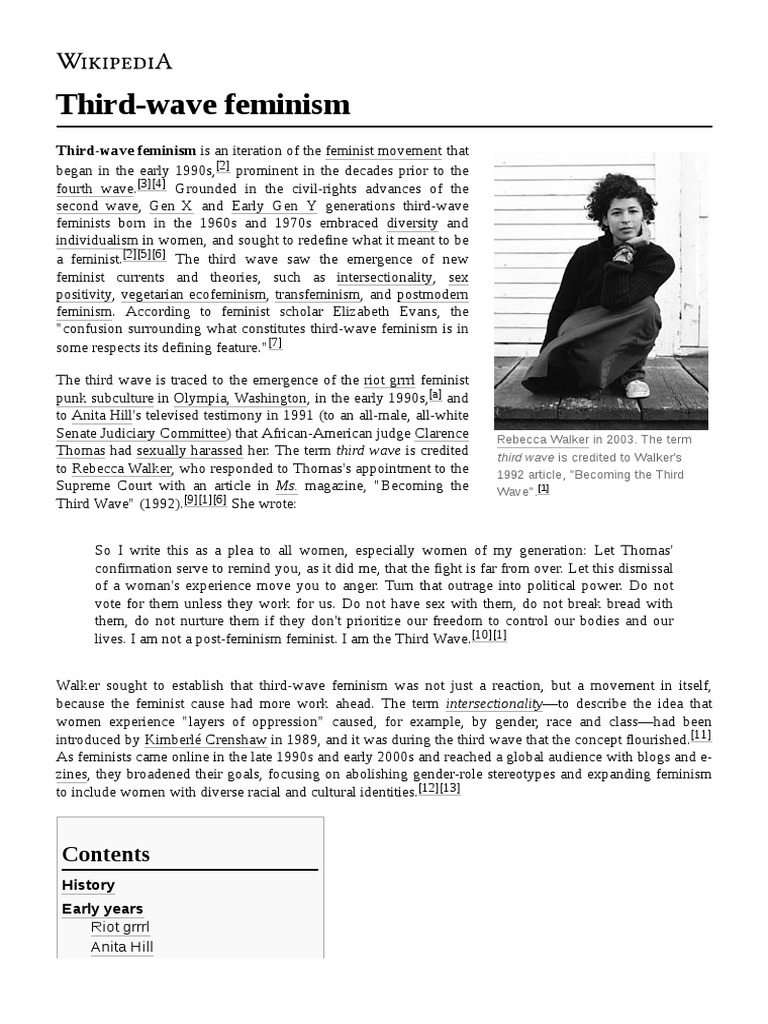
Feminism, if it is to be truly effective, must be intersectional. This means acknowledging that gender inequality is not a monolithic experience, but rather is shaped by the complex interplay of race, class, sexual orientation, disability, and other social identities. A white, middle-class woman faces different challenges than a Black, working-class woman. A cisgender woman faces different challenges than a transgender woman.
Ignoring these intersecting identities leads to a narrow and exclusionary form of feminism that fails to address the needs of all women. It perpetuates the very power imbalances that feminism seeks to dismantle. Intersectional feminism demands that we listen to the voices of marginalized women, amplify their experiences, and advocate for policies that address their specific needs.
It requires us to move beyond a simplistic understanding of gender and to recognize the complex ways in which power operates in our society. It demands that we challenge our own biases and assumptions and that we create a more inclusive and equitable movement for all.
Moving Forward: A Call to Action
The fight for gender equality is far from over. Despite the progress that has been made, women continue to face discrimination in virtually every aspect of life. From the boardroom to the bedroom, from the classroom to the courtroom, women are still fighting for their voices to be heard, their contributions to be valued, and their rights to be respected.
The path forward requires a renewed commitment to the principles of equality and equity. It requires a willingness to challenge the status quo and to dismantle the systemic barriers that perpetuate gender inequality. It requires a collaborative effort, involving both women and men, to create a more just and equitable society for all.
It demands a rejection of the toxic narratives that seek to divide us and a embrace of the common humanity that unites us. It calls for a feminism that is inclusive, intersectional, and unwavering in its commitment to justice. It is, in essence, a call for a revolution of consciousness, a fundamental shift in the way we think about gender, power, and equality. Let us answer that call with courage, conviction, and an unwavering determination to build a better world for all.
This is not a gentle request. It is a roaring demand. A thunderous declaration that the time for half-measures is over. The time for appeasement is gone. The era of true, unflinching, intersectional feminism has dawned. And we, the inheritors of this struggle, will not rest until equality reigns supreme.






Leave a Comment