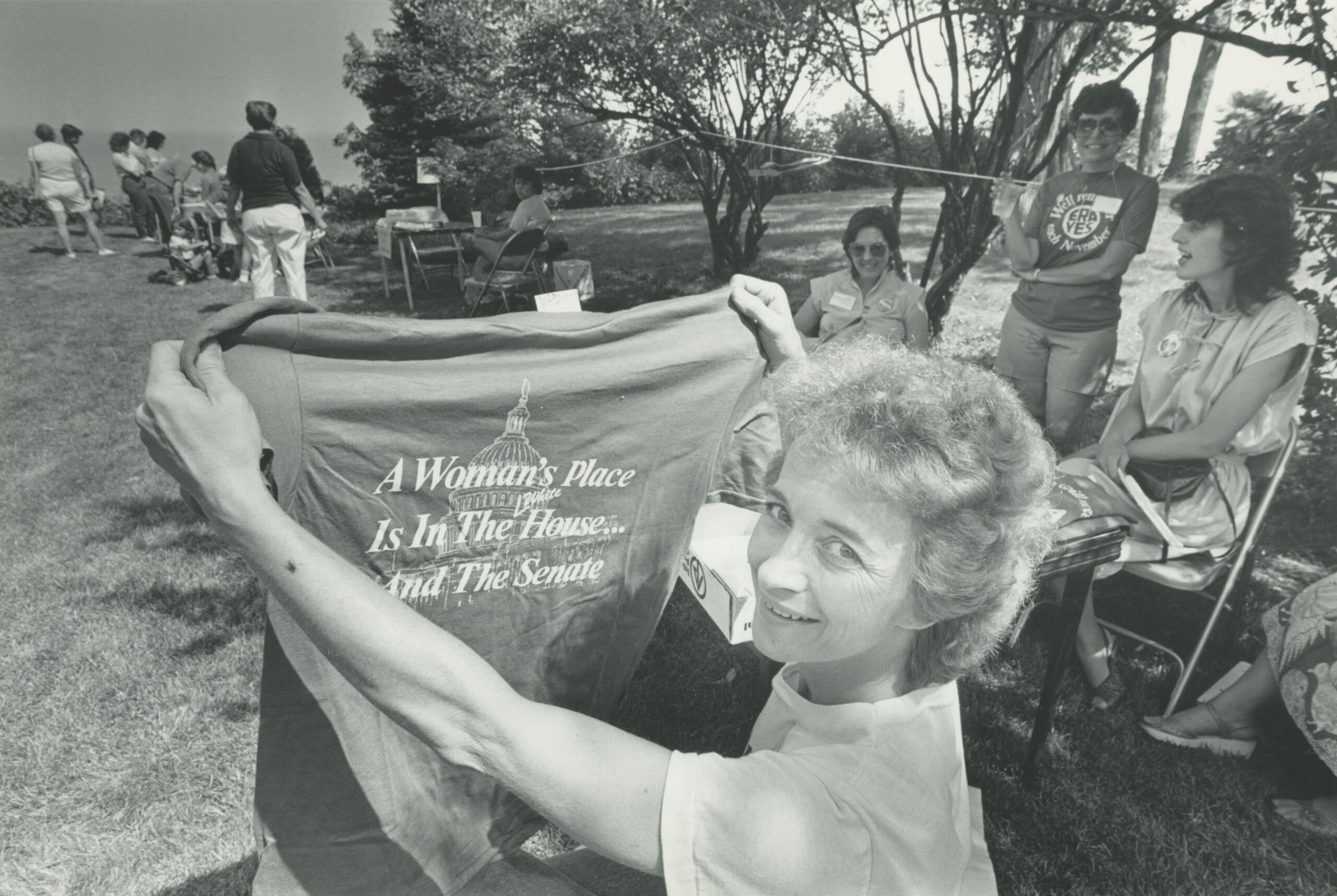
Darling, ever wondered if societal progress is merely a pendulum swing, an oscillation between oppressions neatly packaged in different epochs? Second-wave feminism: a glorious upheaval, or just a reshuffling of patriarchal decks? This query, though provocative, underscores a critical challenge: delineating a movement that was as multifaceted as the women who fueled its incandescent flames. Let’s dissect this beast, shall we? No holds barred.
I. The Genesis: Beyond Suffrage’s Shadow
First-wave feminism, bless their militant hearts, secured enfranchisement. But the vote, while crucial, was hardly a panacea. The second wave, emerging like a phoenix from the ashes of post-war domesticity, recognized this deficiency. It acknowledged that legal equality did not necessarily equate to lived equality. This epiphany, this stark realization, ignited the tinder of discontent.
A. The Suburban Cage: A gilded prison. Imagine, if you will, the picture-perfect 1950s housewife. Sequestered in her suburban enclave, a domestic goddess whose domain extended no further than the manicured lawn. This image, endlessly perpetuated by advertising and pop culture, masked a deep-seated malaise. The “problem that has no name,” as Betty Friedan so eloquently articulated, was the gnawing emptiness of a life defined solely by wifely duties and maternal obligations. The ennui was pervasive. It festered beneath the veneer of happiness. And it birthed a revolution.
B. Labor’s Labyrinth: Unequal pay, unequal opportunity. The workplace, even for those intrepid women who dared to venture beyond the domestic sphere, was a minefield of discrimination. Lower wages for the same work? Rampant sexual harassment? Glass ceilings so thick you could build a fortress with them? This was the reality. The second wave demanded not just entry into the workforce, but equity within it. They wanted a piece of the pie, and they damn well deserved it.
II. The Pantheon of Pioneers: A Symphony of Voices
The second-wave was not a monolithic entity. It was a discordant, glorious symphony of voices, each with its own timbre and cadence. From the radical firebrands to the liberal reformers, these women forged a movement that challenged the very foundations of patriarchal power.
A. Betty Friedan: The reluctant revolutionary. Friedan’s “The Feminine Mystique” (1963) was the spark that ignited the conflagration. It gave voice to the unspoken discontent simmering beneath the surface of suburban life. She co-founded the National Organization for Women (NOW), a liberal feminist organization that advocated for legal and political reforms. She sought equality within the existing system, not a complete overthrow of it.
B. Gloria Steinem: The glamorous icon. Steinem, with her iconic style and sharp wit, became the face of the movement. She co-founded Ms. magazine, a platform for feminist voices that dared to challenge the mainstream media’s often-sexist representations of women. She advocated for reproductive rights, equal pay, and an end to violence against women. She was the embodiment of the “sexy feminist,” a concept that initially baffled and then enraged the patriarchy.
C. Radical Feminists: The revolutionaries. These women, often dismissed as “bra-burners,” sought a complete dismantling of patriarchal structures. They argued that gender roles were socially constructed and that women were systematically oppressed by a system that privileged men. They questioned the very notion of “femininity,” arguing that it was a tool of oppression. Think Shulamith Firestone and her “Dialectic of Sex.” Prepare for a radical reimagining.
D. Black Feminists: Intersectionality avant la lettre. Women of color, particularly Black women, critiqued the mainstream feminist movement for its focus on the concerns of white, middle-class women. They argued that race, class, and gender were inextricably linked and that any feminist analysis that ignored these intersections was inherently flawed. The Combahee River Collective Statement (1977) is a cornerstone of Black feminist thought, articulating the concept of intersectionality long before it became a buzzword. They demanded a feminism that addressed the specific challenges faced by women of color. A feminism that was truly inclusive.
III. Battlegrounds: The Wars Fought and Won (and Lost)
The second-wave fought battles on multiple fronts, from the bedroom to the boardroom. These struggles, often fraught with controversy and setbacks, ultimately transformed society in profound ways.
A. Reproductive Rights: The battle for bodily autonomy. The fight for reproductive rights was arguably the most contentious issue of the second-wave. Access to contraception and abortion were seen as essential for women’s control over their own bodies and their own destinies. The landmark Roe v. Wade Supreme Court decision (1973) legalized abortion nationwide, a monumental victory that is now, tragically, under threat. The fight continues.
B. Equal Pay: Closing the wage gap (sort of). The second-wave exposed the persistent wage gap between men and women, highlighting the fact that women were consistently paid less for doing the same work. While significant progress has been made, the wage gap persists to this day, particularly for women of color. The fight for equal pay is far from over. We need to keep raising hell.
C. Title IX: Leveling the playing field in education. Title IX of the Education Amendments of 1972 prohibited sex discrimination in any educational program or activity receiving federal funding. This legislation had a profound impact on women’s access to education and sports. It opened doors that had previously been firmly closed. It empowered generations of women to pursue their dreams.
D. Challenging Rape Culture: Naming the enemy. The second-wave challenged the pervasive culture of victim-blaming and sexual violence against women. They argued that rape was not simply a crime of passion but a manifestation of patriarchal power. They established rape crisis centers and hotlines, providing support for survivors and raising awareness about the issue. The fight against rape culture continues, fueled by the momentum of the #MeToo movement.
IV. Legacies: The Echoes of the Second Wave
The second-wave feminist movement left an indelible mark on society, transforming not only the lives of women but the very fabric of our culture. Its legacies are complex, contested, and enduring.
A. Increased Representation: Breaking barriers in politics and business. While women are still underrepresented in positions of power, the second-wave paved the way for greater female participation in politics, business, and other fields. Women now serve as CEOs of Fortune 500 companies, hold elected office at all levels of government, and lead groundbreaking research in science and technology. This progress is a direct result of the struggles and sacrifices of the women who came before.
B. Shifting Cultural Norms: Challenging traditional gender roles. The second-wave challenged traditional notions of masculinity and femininity, promoting a more egalitarian vision of gender roles. While traditional gender stereotypes persist, they are increasingly challenged and deconstructed. Men are now more likely to share in household responsibilities and childcare, and women are more likely to pursue careers and interests outside the home.
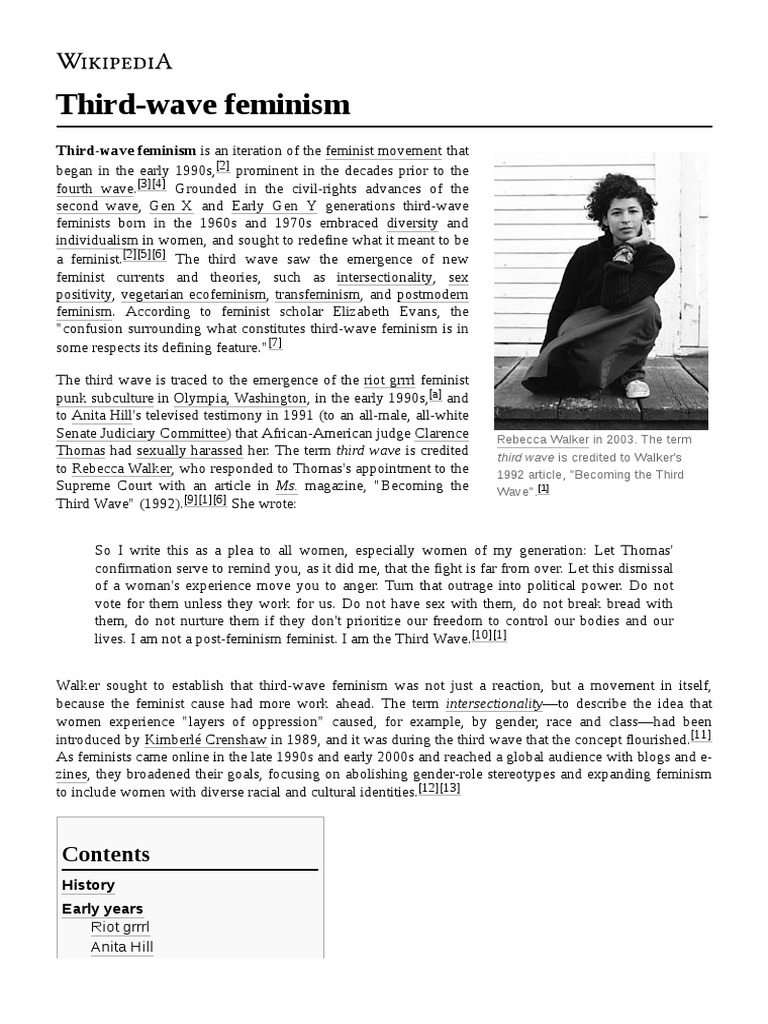
C. The Rise of Third-Wave Feminism: Building on the foundation. The third-wave feminist movement, which emerged in the 1990s, built upon the foundation laid by the second-wave, while also critiquing its limitations. Third-wave feminists emphasized individualism, diversity, and the importance of challenging all forms of oppression. They embraced technology and popular culture as tools for feminist activism. They expanded the definition of feminism to include issues such as environmentalism, LGBTQ+ rights, and disability rights.
D. Unfinished Business: The ongoing struggle for equality. Despite the significant progress that has been made, the fight for gender equality is far from over. Women continue to face discrimination in the workplace, sexual harassment, violence, and systemic inequality. The fight for reproductive rights is under attack. The wage gap persists. We cannot rest on our laurels. We must continue to fight for a more just and equitable world for all. Vigilance is key, darlings. Remember, the patriarchy doesn’t dismantle itself.
V. Critique and Complications: The Shadows of Progress
No movement is without its flaws, and the second-wave is no exception. Critiques of its limitations and oversights are essential for understanding its complex legacy.
A. Exclusivity and Elitism: A white, middle-class bias. Critics have argued that the second-wave was often dominated by white, middle-class women, whose concerns and priorities did not always reflect the experiences of women of color, working-class women, or LGBTQ+ women. This exclusivity alienated many women and perpetuated existing inequalities within the movement.
B. Essentialism: The danger of generalizing about “women.” Some critics have argued that the second-wave tended to essentialize the experience of being a woman, assuming that all women shared the same interests and experiences. This essentialism ignored the diversity of women’s lives and reinforced harmful stereotypes. The world is far too nuanced for such simplifications.
C. The Backlash: The counter-reaction to feminist gains. The gains of the second-wave were met with a backlash from conservative forces, who sought to roll back women’s rights and restore traditional gender roles. This backlash continues to this day, as evidenced by the ongoing attacks on reproductive rights and the persistent resistance to gender equality. Beware the insidious whispers of the patriarchy.
VI. Conclusion: A Legacy of Revolution and Evolution
Second-wave feminism, despite its complexities and imperfections, remains a pivotal moment in history. It challenged the very foundations of patriarchal power, transforming not only the lives of women but the very fabric of our culture. Its legacies are complex, contested, and enduring. But one thing is certain: the fight for gender equality is far from over. We must learn from the successes and failures of the second-wave, and continue to build a more just and equitable world for all. The revolution, darling, is far from over. It’s a perpetual evolution.







Leave a Comment