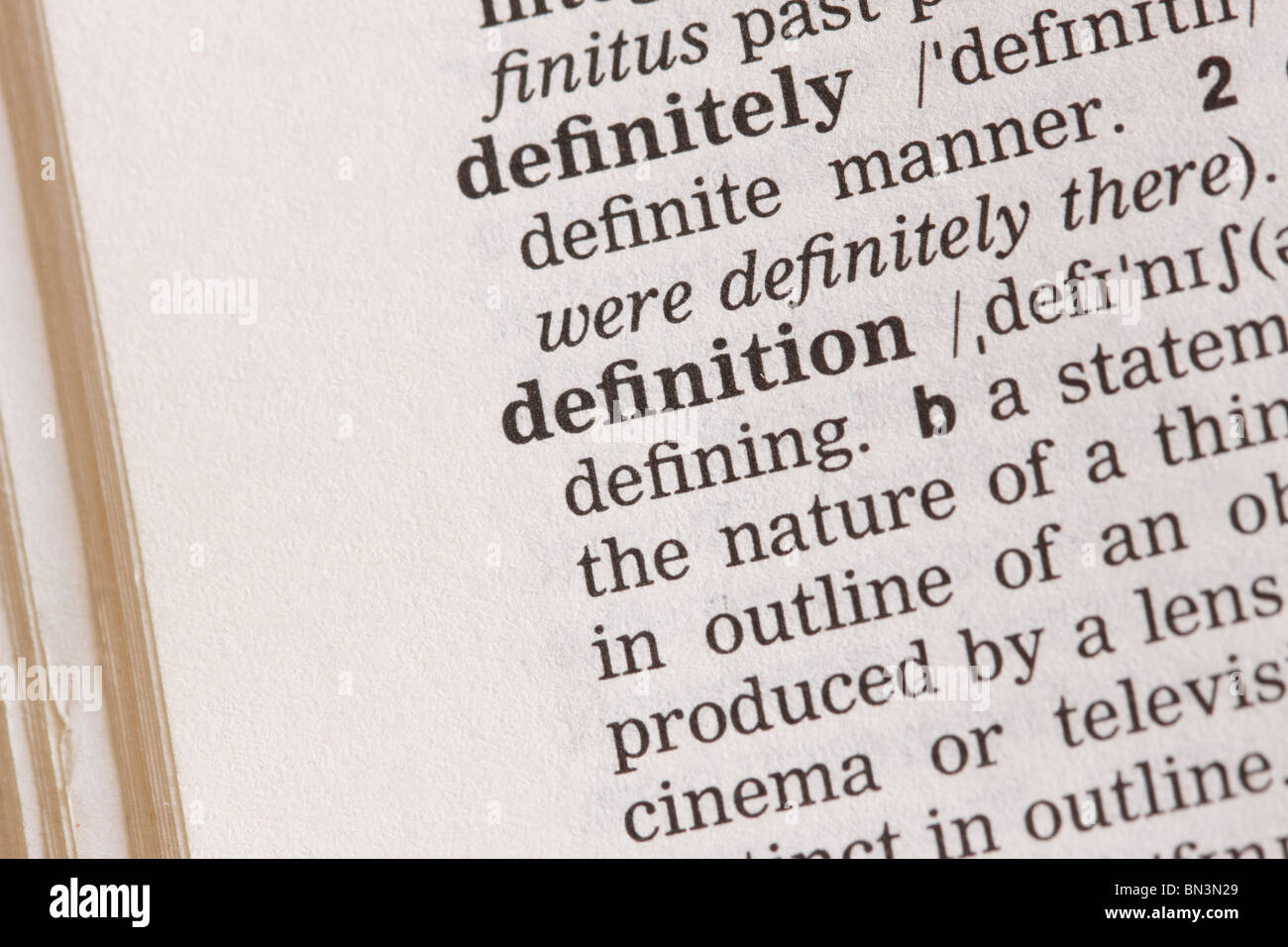
Let’s talk feminism. Not the watered-down, palatable-for-patriarchy version, but the real, raw, unflinching demand for liberation. You see the word thrown around – on Twitter, in think pieces, even (gasp!) on mainstream media. But what does it *really* mean? Is it just about equal pay? Voting rights? The freedom to wear (or not wear) whatever we damn well please? Those are vital components, yes, but feminism, at its core, is so much more profound.
It’s a systematic dismantling of power structures. It’s a fundamental reimagining of our societal contract. It’s a constant, evolving interrogation of everything we thought we knew. And why are so many people so damn fascinated, so threatened, by it? Perhaps because it forces us to confront uncomfortable truths about ourselves and the world we’ve created. Perhaps because it asks us to relinquish power, and that’s a hard pill to swallow. Perhaps because… well, we’ll delve into that later.
Let’s cut through the cacophony of misconceptions and get to the bedrock. Here’s a comprehensive, no-holds-barred definition of feminism in the 21st century.
I. The Foundational Principles: Beyond the Sound Bites
A. Equality Isn’t Enough: Equity is the Goal.
Equality, the idea that everyone gets the same thing, sounds nice in theory. But in a world built on deeply entrenched inequalities, equality merely perpetuates the existing power imbalances. Equity, on the other hand, recognizes that different people have different needs and allocates resources and opportunities accordingly. Think of it this way: giving everyone a ladder doesn’t help if some people are starting in a ditch. Equity is about providing the support needed to ensure everyone can reach the top.
B. Intersectionality: Because Liberation Isn’t One-Size-Fits-All.
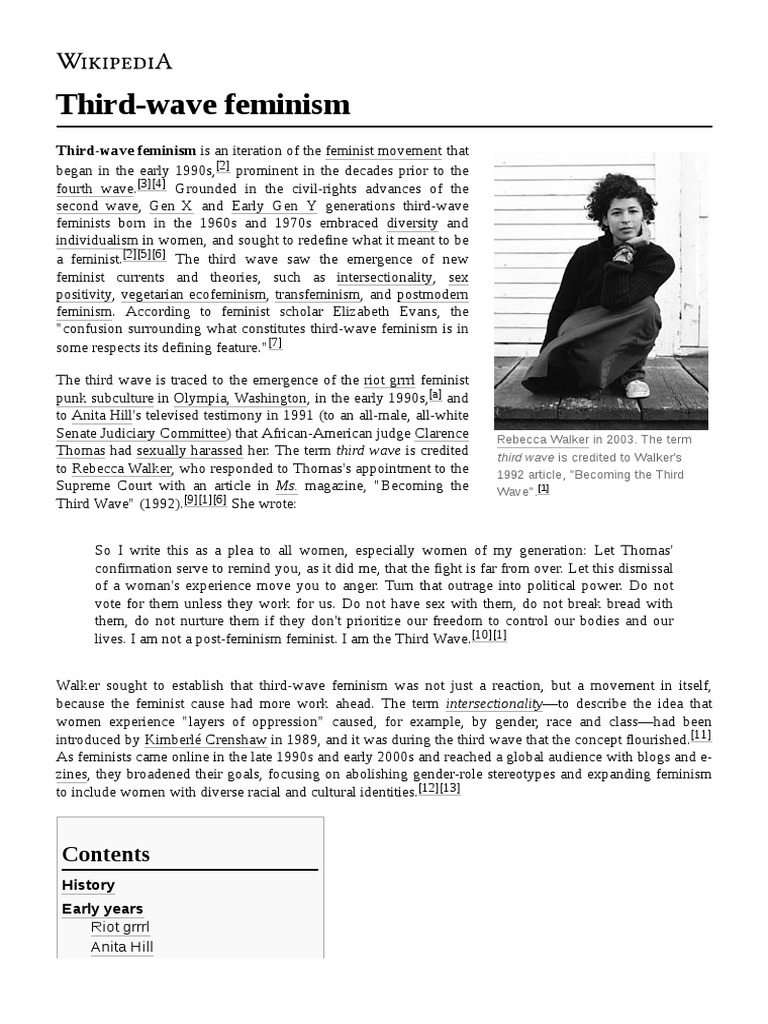
This isn’t just a buzzword, people. Intersectionality, coined by Kimberlé Crenshaw, is the understanding that various forms of oppression – sexism, racism, classism, ableism, homophobia, transphobia, and so on – are interconnected and cannot be understood in isolation. A Black woman, for instance, experiences sexism differently than a white woman, and racism differently than a Black man. Feminism that fails to account for these overlapping identities is inherently flawed and ultimately exclusionary. It leaves the most marginalized behind.
C. Challenging the Patriarchy: The System, Not the Men (Mostly).
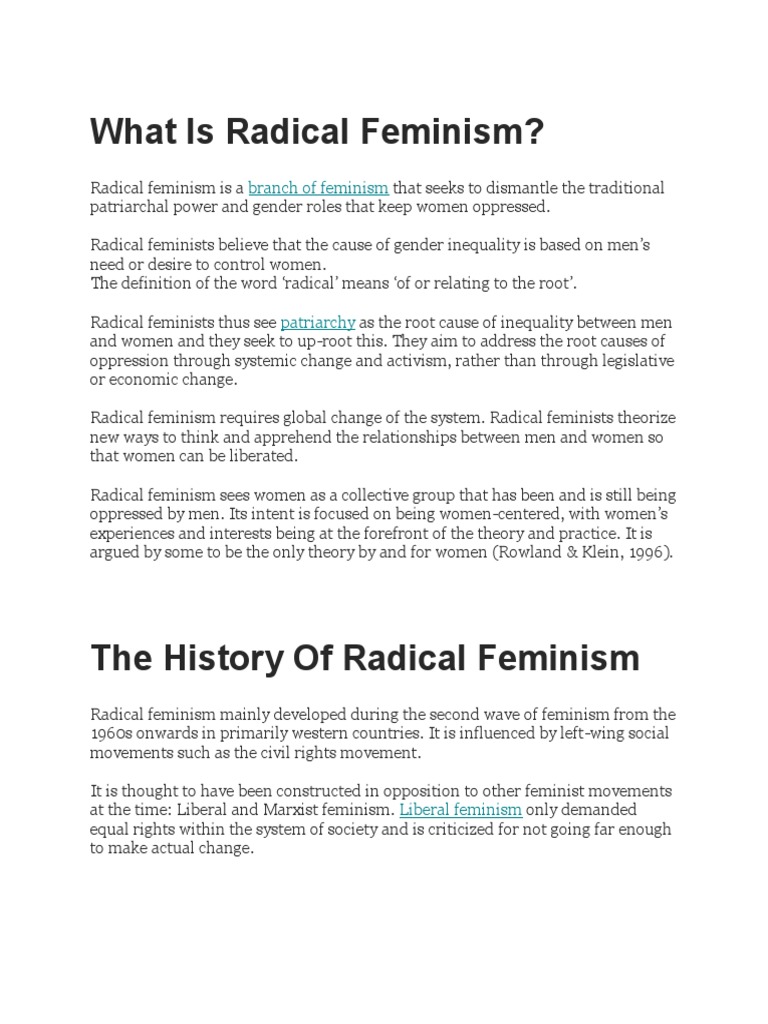
Feminism isn’t about hating men, despite what the fragile egos might claim. It’s about dismantling the patriarchy, the systemic, hierarchical system that privileges men and masculinity while devaluing women and femininity. This system operates in all aspects of our lives, from the workplace to the family to the media. Of course, some men actively perpetuate patriarchal structures. But even well-intentioned men can benefit from and unknowingly reinforce these systems. Challenging the patriarchy requires constant self-reflection and a willingness to unlearn ingrained biases.
II. Deconstructing the Myths: Setting the Record Straight
A. Feminism Is Only for Women: False.
Feminism is for anyone who believes in gender equality and social justice. Men, non-binary individuals, genderfluid folks – everyone can and should be a feminist. In fact, dismantling the patriarchy benefits everyone by freeing them from restrictive gender roles and expectations. It’s about creating a world where everyone can thrive, regardless of their gender identity.
B. Feminists Are All Angry and Hairy: Seriously?
This tired stereotype is a deliberate attempt to discredit and silence feminists. Yes, we are often angry – and rightfully so! We’re angry about the wage gap, about sexual harassment, about the constant objectification of women’s bodies. But anger is a legitimate response to injustice. And as for the hairy part? People have bodies. Get over it. Feminism is about challenging societal expectations of beauty and embracing our authentic selves, whatever that may look like.
C. Feminism Is Only Relevant in Western Countries: Global Solidarity.
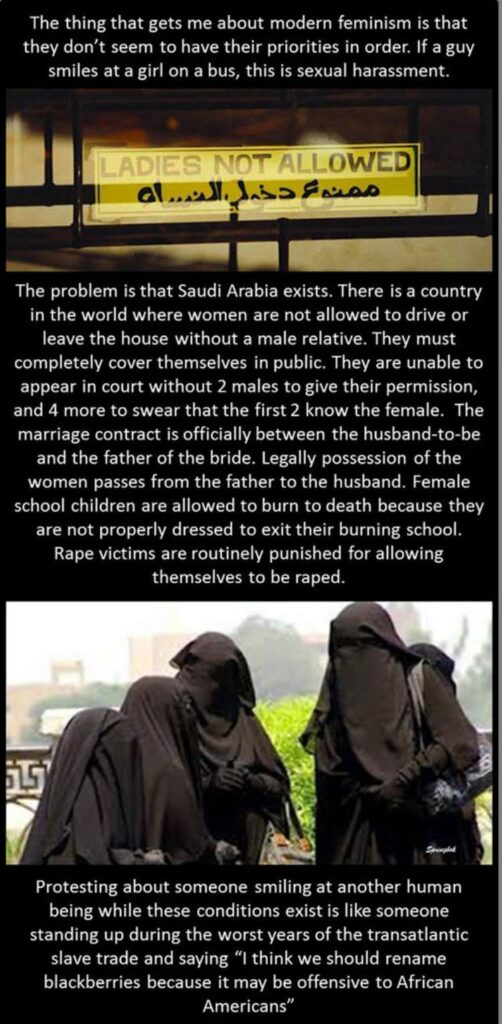
While the specifics of feminist activism may vary across cultures, the underlying principles of gender equality and social justice are universally relevant. Feminism is not a monolithic movement imposed from the West. It’s a diverse and multifaceted global movement, with feminists around the world fighting for their rights in their own contexts. To suggest otherwise is to erase the experiences and struggles of women in the Global South.
III. The Evolving Landscape: Feminism in the 21st Century
A. Digital Feminism: Amplifying Voices, Challenging Power.
The internet has become a powerful tool for feminist activism. Social media platforms allow feminists to connect, organize, and share their stories with a global audience. Online campaigns like #MeToo and #TimesUp have exposed widespread sexual harassment and abuse, leading to real-world change. However, digital feminism also faces challenges, including online harassment, doxing, and the spread of misinformation.
B. Trans-Inclusive Feminism: No Exceptions.
Trans women are women. Trans men are men. Non-binary people exist. Period. Feminism that excludes trans people is not feminism at all. It’s transphobia masquerading as feminism. Trans-inclusive feminism recognizes that trans people face unique challenges and works to dismantle the systems of oppression that marginalize them. It’s about fighting for the liberation of all genders.
C. Eco-Feminism: Connecting the Dots Between Patriarchy and Environmental Destruction.
Eco-feminism recognizes the interconnectedness between the oppression of women and the destruction of the environment. It argues that both are rooted in patriarchal systems that value domination and exploitation. Eco-feminists advocate for sustainable practices and environmental justice, while also challenging the patriarchal values that drive ecological destruction.
IV. The Uncomfortable Truths: Why Feminism Provokes Such Strong Reactions
A. The Fear of Losing Power: The Root of the Resistance.
Let’s be honest: many people are resistant to feminism because it threatens their power and privilege. Men, in particular, may feel threatened by the prospect of losing their dominant position in society. This fear manifests in various ways, from dismissing feminist concerns as “hysterical” to actively undermining feminist efforts. But clinging to power at the expense of others is not sustainable. A more just and equitable society benefits everyone.
B. Internalized Misogyny: The Enemy Within.
Internalized misogyny is the insidious process by which women internalize patriarchal beliefs and values. This can manifest in self-deprecating behavior, competition with other women, and the perpetuation of harmful stereotypes. Internalized misogyny is a product of a patriarchal society, and it can be difficult to unlearn. But recognizing and challenging it is crucial for feminist liberation. It means critically examining the ways in which we have been socialized to devalue ourselves and other women.
C. The Challenge to the Status Quo: Disrupting the Narrative.
Feminism challenges the status quo. It disrupts the dominant narrative. It forces us to question everything we thought we knew. This can be unsettling for those who benefit from the existing power structures. It demands a radical reimagining of society, one that centers justice, equality, and liberation for all. And that, my friends, is precisely why it is so vital, so necessary, and so damn threatening to those who would prefer we remain silent and submissive.
V. Moving Forward: Embracing the Revolution
Feminism is not a destination; it’s a journey. It’s a continuous process of learning, unlearning, and action. It requires us to be constantly vigilant, to challenge injustice wherever we see it, and to support one another in the struggle for liberation. It means amplifying marginalized voices, dismantling oppressive systems, and building a more just and equitable world for all.
So, the next time someone asks you what feminism means, don’t give them the watered-down, palatable version. Give them the truth. Give them the revolution. Give them the unwavering demand for a world where everyone can thrive, free from the shackles of patriarchy and oppression. And don’t be afraid to get angry. The world needs more angry feminists.
Because frankly, sugarcoating the fight for fundamental human rights is a luxury we can no longer afford. The future is feminist. Now let’s build it.





Leave a Comment