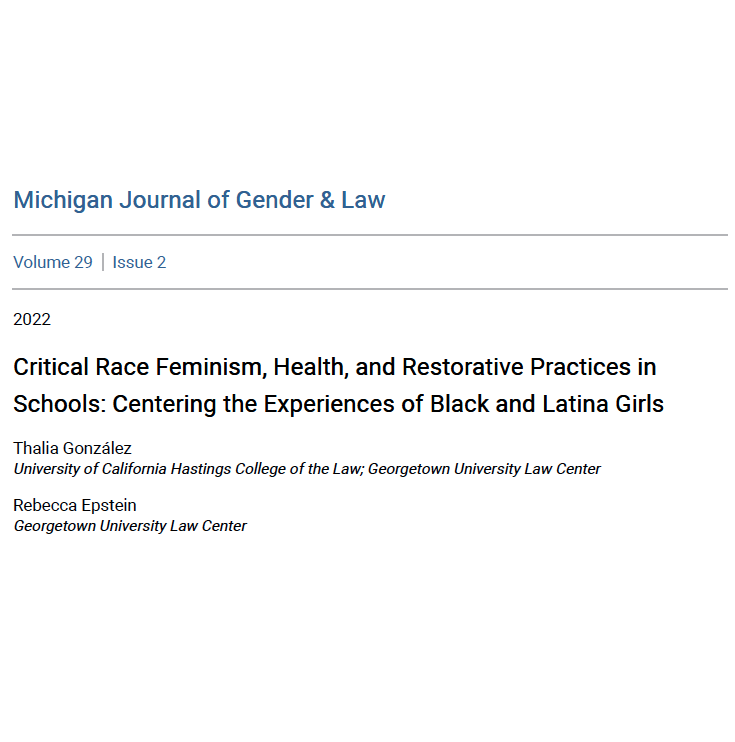
Ready to detonate some patriarchal paradigms? Buckle up, buttercups, because we’re about to dive headfirst into the glorious, messy, and absolutely essential world of Critical Race Feminism (CRF). Think intersectionality on steroids, fueled by righteous indignation and a thirst for radical systemic change. But here’s the kicker: Can a framework born from academic rigor truly ignite the revolutionary fervor necessary to dismantle deeply entrenched oppressions? Or does it risk becoming another jargon-laden discourse, inaccessible to the very women it seeks to liberate?
Let’s unpack this intellectual Molotov cocktail, shall we?
I. The Genesis of Disruption: Why CRF Was Necessary
Traditional feminism, bless its well-intentioned heart, often tripped over its own white privilege. It purported to speak for all women, yet consistently centered the experiences of middle-class, cisgender, white women. Sound familiar? CRF emerged as a corrective, a resounding “Hold up!” to this exclusionary narrative.
A. The Whitewashing of Feminist Discourse. The historical amnesia surrounding the contributions and specific struggles of women of color created a chasm. Suffrage movements, for example, often sidelined Black women, forcing them to fight battles on two fronts: sexism and racism. Imagine being told to wait your turn for liberation – a cruel joke when your very existence is perpetually under threat.
B. The Single-Axis Fallacy. Reducing oppression to a single axis – gender – is not only simplistic but actively harmful. Black women, Indigenous women, Latinx women, and other women of color face a complex web of interconnected oppressions that cannot be disentangled. Racism shapes their experiences of sexism, and sexism shapes their experiences of racism. The lived reality is a synergistic nightmare, not a series of isolated incidents.
C. The Myth of Universal Womanhood. This notion, so pervasive in mainstream feminist thought, assumes a shared experience among all women that simply does not exist. It erases the diversity of lived realities, ignores the impact of structural inequalities, and ultimately reinforces the dominance of the privileged few. Newsflash: Sisterhood is powerful, but it ain’t magic.
II. Interlocking Oppressions: The CRF Framework in Action
CRF provides a lens through which we can understand how various forms of oppression – racism, sexism, classism, heterosexism, ableism, and more – intersect and mutually reinforce each other. It’s not just about adding up these oppressions; it’s about recognizing how they create a unique and particularly virulent form of subjugation.
A. Intersectionality as a Cornerstone. Kimberlé Crenshaw’s groundbreaking concept of intersectionality is the bedrock of CRF. It highlights how individuals can experience multiple forms of oppression simultaneously, creating unique vulnerabilities and challenges. Think of it as a multi-layered cake of injustice, where each layer amplifies the flavor of the others, but in the worst way possible.
B. Challenging Dominant Narratives. CRF actively challenges the dominant narratives that perpetuate inequality. It questions the neutrality of legal systems, the objectivity of scientific research, and the universality of cultural norms. It forces us to confront the uncomfortable truth that power structures are designed to benefit certain groups at the expense of others.
C. Centering Marginalized Voices. CRF prioritizes the voices and experiences of those who are most marginalized. It recognizes that those who are closest to the problem are often best equipped to identify solutions. It actively amplifies their perspectives, ensuring that their stories are heard and their needs are addressed.
D. Examining Power Dynamics. CRF delves deep into the intricate power dynamics that shape our society. It exposes how systems of oppression are maintained through subtle and overt forms of control, from microaggressions to institutional discrimination. Understanding these dynamics is crucial for dismantling them effectively.
III. Applications of CRF: From Law to Literature
CRF is not just an abstract theory; it’s a powerful tool that can be applied to a wide range of fields, from law and education to literature and art. Its insights can help us understand and address the complex challenges facing women of color in various contexts.
A. CRF in Legal Scholarship. CRF has revolutionized legal scholarship by challenging the notion of legal neutrality and exposing the ways in which the law can perpetuate inequality. It has been used to analyze issues such as employment discrimination, reproductive rights, and criminal justice reform, revealing how these issues disproportionately impact women of color. It exposes the legal system’s inherent bias, revealing how it often operates as a tool of oppression rather than a guarantor of justice. This analysis is crucial for developing legal strategies that effectively address systemic inequality.
B. CRF in Education. CRF can be used to create more inclusive and equitable educational environments. It can help educators understand the unique challenges faced by students of color and develop culturally responsive teaching practices. It can also be used to challenge biased curricula and promote critical thinking about race, gender, and power.
C. CRF in Literature and Art. CRF provides a framework for analyzing and interpreting literature and art created by women of color. It can help us understand the ways in which these works reflect and challenge the realities of their lived experiences. It allows us to appreciate the richness and complexity of their narratives and to recognize their contributions to cultural discourse.
D. CRF in Healthcare. CRF can inform healthcare policies and practices, addressing disparities in access and quality of care for women of color. It promotes culturally sensitive approaches and challenges systemic biases that contribute to poorer health outcomes.
IV. Critiques and Challenges: Navigating the Minefield
Like any complex and evolving theory, CRF has faced its share of criticism. Some argue that it is too divisive, that it essentializes identity, or that it is overly focused on victimhood. Addressing these critiques is essential for strengthening the framework and ensuring its continued relevance.
A. The Risk of Essentialism. One common critique is that CRF can sometimes fall into the trap of essentializing identity, assuming that all members of a particular group share the same experiences and perspectives. This can lead to oversimplification and the erasure of individual differences. CRF scholars must be vigilant in avoiding this pitfall, recognizing the diversity within marginalized communities and celebrating the uniqueness of individual experiences.
B. The Charge of Divisiveness. Another critique is that CRF is too divisive, that it focuses too much on differences and not enough on common ground. Some argue that it undermines solidarity and hinders the development of a unified feminist movement. However, CRF proponents argue that true solidarity requires acknowledging and addressing the specific needs of marginalized groups, not ignoring them in the name of unity.
C. The Potential for Overly Academic Discourse. The language and concepts of CRF can sometimes be inaccessible to those outside of academia. This can limit its reach and impact, making it difficult to translate its insights into practical action. Efforts must be made to communicate CRF principles in clear and accessible language, ensuring that it is a tool for empowerment for all women, not just academics.
D. Implementation Hurdles. Translating CRF theory into tangible social change presents practical challenges. Resistance from established power structures, deeply ingrained biases, and the sheer complexity of systemic reform can impede progress.
V. Moving Forward: Towards a More Just Future
Despite these challenges, CRF remains a vital tool for understanding and addressing the complex challenges facing women of color. By continuing to refine its theoretical framework, expanding its applications, and engaging in critical self-reflection, we can harness its power to create a more just and equitable world.
A. Embracing Complexity and Nuance. CRF must continue to embrace complexity and nuance, recognizing the diversity of lived experiences and avoiding simplistic generalizations. It must remain open to new perspectives and be willing to challenge its own assumptions.
B. Fostering Dialogue and Collaboration. Building bridges across different communities and fostering dialogue and collaboration are essential for advancing the goals of CRF. This requires actively listening to diverse perspectives, engaging in respectful debate, and working together to create solutions that benefit all.
C. Empowering Activism and Advocacy. CRF can be a powerful tool for empowering activism and advocacy. By providing a framework for understanding systemic inequality, it can help activists develop effective strategies for challenging power structures and demanding change. It can also inspire individuals to take action in their own lives, challenging bias and promoting equity in their communities.
D. Promoting Systemic Change. The ultimate goal of CRF is to promote systemic change, dismantling the structures of oppression that perpetuate inequality. This requires a multi-pronged approach, including legal reform, policy advocacy, educational initiatives, and cultural transformation.
So, does CRF have the revolutionary fire it needs? It certainly possesses the intellectual firepower. The challenge now is to translate that theory into tangible, transformative action. To make it a weapon wielded not just in the ivory towers, but on the front lines of the fight for liberation. Because, let’s be honest, the patriarchy isn’t going to dismantle itself.







Leave a Comment