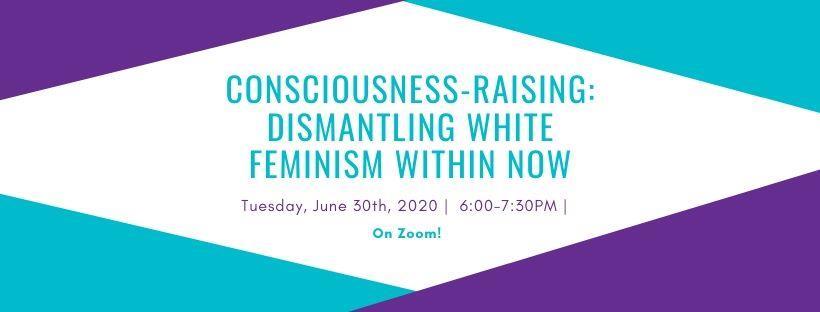
Ever wonder how feminism, as a radical political project, clawed its way out of the stifling confines of domesticity and into the vibrant, albeit contentious, public sphere? The answer, my dears, lies in the often-overlooked yet profoundly impactful phenomenon known as consciousness-raising (CR) groups. These weren’t your garden-variety coffee klatches; they were crucibles of feminist thought, where personal grievances were transmuted into potent political analyses. So, let’s delve into the audacious, revolutionary heart of these meetings.
1. Genesis of Grievance: The Personal as Political Incarnate
Before the advent of CR, women’s discontent often festered in isolation. Each woman assumed her unhappiness was unique, a personal failing rather than a systemic issue. These CR groups, emerging in the late 1960s and early 1970s, provided a safe space – a veritable hermitage – where women could articulate their frustrations without fear of judgment or dismissal. The groundbreaking realization that individual experiences were, in fact, shared and systemic was the bedrock upon which second-wave feminism was built.
Imagine a room filled with women, tentatively at first, recounting their experiences of workplace discrimination, unequal pay, condescending male colleagues, the relentless pressure to conform to unrealistic beauty standards, and the emotional labor expected within heterosexual relationships. Each story, like a tessera in a larger mosaic, revealed a pattern of gendered oppression that transcended individual circumstances. This process of “naming” the problem was the first, crucial step toward dismantling it.
2. Methodologies of Mutual Unveiling: Structure and Subversion in Action
CR groups weren’t unstructured therapy sessions. They operated according to specific methodologies designed to facilitate genuine self-discovery and collective analysis. Common techniques included round-robin sharing, where each woman spoke uninterrupted for a set amount of time, preventing any one voice from dominating. The “problem census” was another valuable tool, where participants listed their grievances, which were then categorized and analyzed collectively. This ensured that all concerns, large or small, were given due consideration.
Further, they weren’t mere gripe sessions. They were engines of political theorization. The raw material of personal experience was subjected to rigorous analysis, informed by emerging feminist theory and radical critiques of patriarchal power structures. Members scrutinized everything from the language used to describe women to the social institutions that perpetuated gender inequality. This synergistic interplay between personal narrative and theoretical framework was what made CR groups so transformative.
3. Topics of Tumult: Dissecting the Patriarchal Beast
The range of topics explored in CR groups was as vast and varied as the lived experiences of the women involved. Here’s a tantalizing glimpse into the issues that fueled their fire:
- Sexuality and Reproduction: Debates raged over issues like abortion rights, contraception access, and the societal pressures on women to be sexually available to men while simultaneously being judged for their sexuality. The concept of female sexual agency was aggressively reclaimed.
- Domestic Labor and Motherhood: The myth of motherhood as innate and fulfilling was challenged head-on. The unpaid labor of housework and childcare was recognized as a form of economic exploitation. The societal devaluation of traditionally “feminine” work was fiercely contested.
- Workplace Discrimination: Women shared stories of being passed over for promotions, subjected to sexual harassment, and paid less than their male counterparts for the same work. They explored strategies for challenging these discriminatory practices and demanding equal opportunities.
- Beauty Standards and Body Image: The tyrannical influence of the male gaze was dissected with surgical precision. Women examined the ways in which media portrayals of women’s bodies contributed to feelings of inadequacy and self-loathing. The concept of “internalized misogyny” was explored in depth.
- Relationships and Power Dynamics: The power imbalances inherent in heterosexual relationships were a frequent topic of discussion. Women analyzed the ways in which traditional gender roles and expectations limited their autonomy and agency. The concept of “emotional labor” was articulated and challenged.
4. Impact on the Individual: A Catalysis of Consciousness
The impact of participating in a CR group was often profound and life-altering. For many women, it was the first time they felt truly heard and understood. The validation they received from other women, coupled with the newfound understanding of the systemic nature of their oppression, instilled a sense of empowerment and agency. Women who had previously felt isolated and powerless found themselves part of a collective, united by a shared purpose.
This newfound consciousness often led to significant changes in women’s lives. Some left unhappy marriages, pursued higher education or more fulfilling careers, became politically active, and challenged gender stereotypes in their daily lives. CR groups provided a space for women to develop their own feminist identities, to articulate their values, and to envision a different future for themselves and for all women.
5. The Ripple Effect: From Microcosm to Macrocosm
The impact of CR groups extended far beyond the individual participants. They served as incubators for feminist ideas and strategies that were then disseminated into the broader social and political landscape. Many of the key concepts and arguments that shaped second-wave feminism – such as the critique of patriarchy, the demand for reproductive rights, and the call for equal pay – were first articulated and refined within the confines of these meetings.
Furthermore, CR groups served as training grounds for feminist activists. Women learned how to organize, strategize, and advocate for their rights. They developed the skills necessary to challenge patriarchal power structures and to demand social and political change. Many of the leaders of the second-wave feminist movement cut their teeth in these very groups.
6. Criticisms and Caveats: Acknowledging the Shadows
While CR groups undoubtedly played a crucial role in the development of second-wave feminism, they were not without their limitations and criticisms. One common critique was that they tended to be dominated by white, middle-class women, and that the experiences and perspectives of women of color, working-class women, and lesbian women were often marginalized or ignored. The focus on personal experience could sometimes lead to a neglect of broader structural issues, such as racism and classism.
Furthermore, the emphasis on consensus decision-making could be time-consuming and frustrating. The lack of formal structure and leadership could sometimes lead to power imbalances within the group. It’s essential to acknowledge these limitations and to recognize that CR groups, like any social movement, were not immune to the biases and inequalities of the larger society.
7. Legacy and Relevance: Lessons for the Present
Despite their limitations, CR groups offer valuable lessons for contemporary feminists. They remind us of the importance of creating spaces where women can share their experiences, build solidarity, and develop their political consciousness. They highlight the power of collective action and the transformative potential of connecting the personal with the political.
In an era of online activism and social media engagement, it’s easy to forget the importance of face-to-face interaction and genuine human connection. CR groups demonstrate the value of creating spaces where women can come together, not just to vent their frustrations, but to analyze the root causes of their oppression and to strategize for change. While the format of CR groups may need to be adapted to suit the needs of contemporary feminists, the core principles of solidarity, self-reflection, and collective action remain as relevant as ever.
We must remember that dismantling systems of oppression requires a multi-pronged approach, one that combines individual self-awareness with collective political action. The consciousness-raising movement provided a potent model for achieving this synthesis, and its legacy continues to inspire and inform feminist organizing today.
8. Beyond the Meeting: Action and Advocacy Emerge
Consciousness-raising groups were not intended to be ends in themselves, but rather springboards for action. The insights gained and the bonds forged within these groups often translated into concrete political activism. Women who had previously felt isolated and powerless now found themselves energized and equipped to challenge patriarchal power structures in their communities and beyond.
This activism took many forms. Some women organized protests and demonstrations, demanding equal rights and opportunities. Others ran for political office, advocating for feminist policies and challenging discriminatory laws. Still others became involved in community organizing, working to address issues such as domestic violence, sexual assault, and affordable childcare.
The key was that consciousness-raising provided the intellectual and emotional fuel for sustained engagement in the political arena. It transformed passive observers into active agents of change, empowering women to take control of their own lives and to shape the world around them.
9. The Intersectionality Imperative: Expanding the Circle
One of the most important lessons to be learned from the history of consciousness-raising is the need for intersectionality. As mentioned earlier, early CR groups often failed to adequately address the experiences and perspectives of women of color, working-class women, and lesbian women. This limited their effectiveness and perpetuated inequalities within the feminist movement itself.
Contemporary feminists must strive to create spaces that are truly inclusive and representative of the diversity of women’s experiences. This means actively seeking out and amplifying the voices of marginalized women, and challenging the biases and assumptions that can perpetuate inequalities within our own movements.
Intersectionality is not just a buzzword; it is a fundamental imperative for any feminist project that seeks to dismantle systems of oppression. It requires a willingness to listen, to learn, and to challenge our own privileges and assumptions. It demands that we recognize that gender oppression is inextricably linked to other forms of oppression, such as racism, classism, and homophobia, and that we must work to address these issues in an integrated and holistic way.
10. The Digital Age and the Evolution of Consciousness-Raising
In the age of social media, the concept of consciousness-raising has taken on new forms. Online communities and forums provide spaces for women to share their experiences, connect with one another, and engage in collective analysis. However, it is important to recognize that these digital spaces also have their limitations.
Online discussions can be easily disrupted by trolls and harassers, and the anonymity of the internet can sometimes lead to a lack of accountability. It is crucial to create online spaces that are safe, inclusive, and moderated effectively. It is also important to remember that online activism is not a substitute for offline organizing and action. True social change requires a combination of digital engagement and real-world activism.
Perhaps the most significant contribution of the digital age is the ability to connect with women across geographical boundaries and cultural divides. Online platforms can facilitate cross-cultural dialogue and collaboration, allowing feminists from different parts of the world to learn from one another and to build solidarity across borders.
In conclusion, the legacy of consciousness-raising feminism continues to resonate today. The meetings that started a movement may have evolved in form, but the core principles of solidarity, self-reflection, and collective action remain as vital as ever. By learning from the past and embracing the opportunities of the present, we can continue to build a more just and equitable future for all women.











Leave a Comment