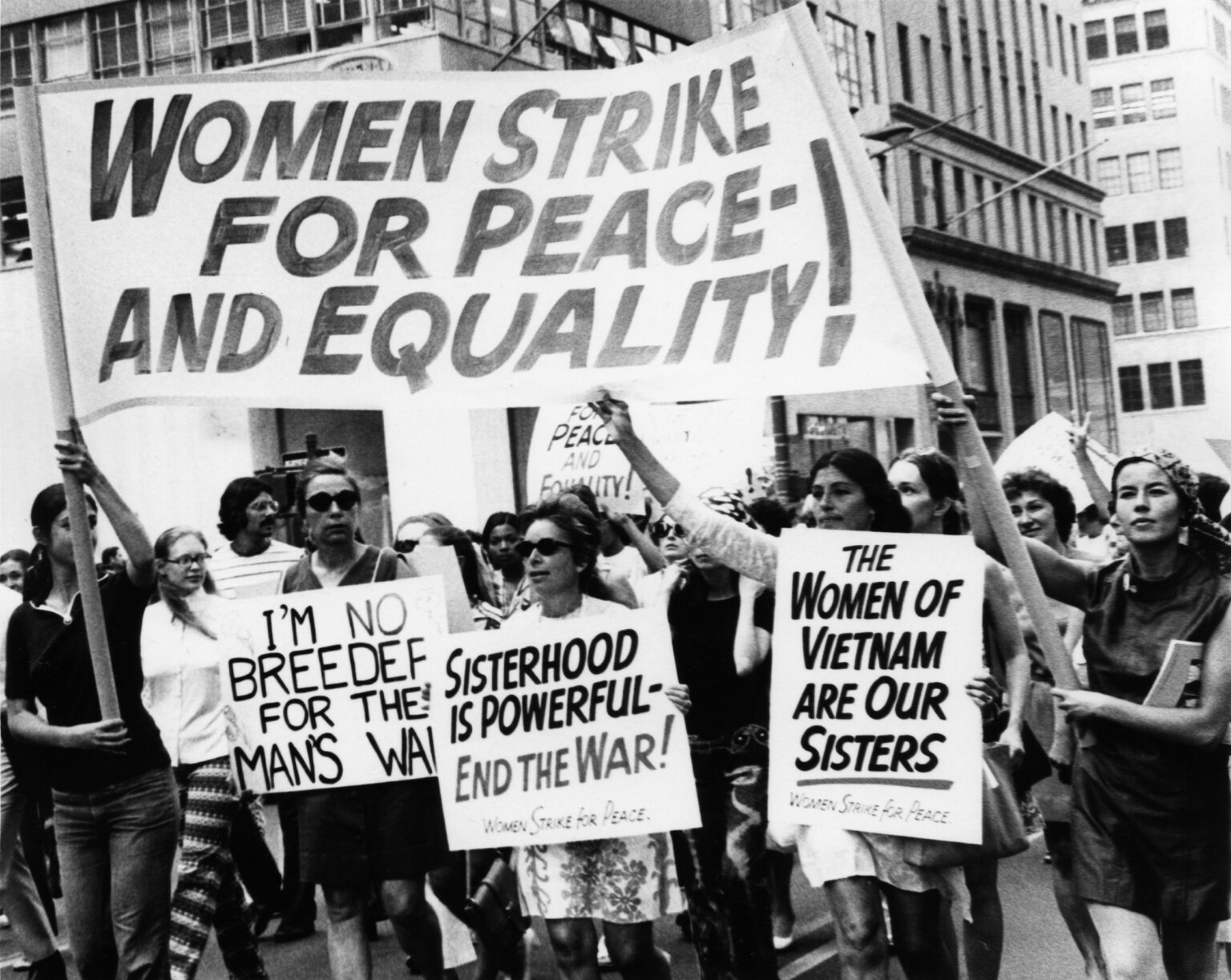
So, you think you know the Civil Rights Movement? Think again. It wasn’t some neatly packaged history lesson designed to make you feel comfortable. It was a messy, complicated, and often contradictory struggle for liberation, and to understand it, you absolutely must examine its inextricable link to feminism. We’re not just talking about historical footnotes here. We’re talking about a symbiotic relationship, a dance of defiance where the steps of one movement echoed, amplified, and sometimes even challenged the steps of the other. Prepare to have your understanding of both movements irrevocably altered.
1. The Shared Crucible of Oppression: Recognizing the Intersectional Struggle
Let’s dismantle the myth of singular oppression. The Civil Rights Movement primarily focused on racial discrimination, and rightly so. But to assume that Black women were merely passive participants is to erase their agency and their unique experiences. Black women faced the double bind of racial and gender oppression, a synergistic form of subjugation that demanded a multifaceted response. Their struggle was not simply a subset of the larger Civil Rights Movement; it was a distinct, yet interwoven, thread in the tapestry of liberation. Think about the systemic barriers: denial of voting rights, economic exploitation in domestic labor, and the pervasive sexual objectification that compounded racial prejudice. These weren’t isolated incidents. They were the hallmarks of a society designed to keep Black women in a perpetual state of disenfranchisement.
2. The Suffragettes: A Complicated Legacy of Exclusion and Inspiration
The fight for women’s suffrage is often presented as a straightforward march towards equality. However, a closer look reveals a far more nuanced and problematic history. While the movement secured the right to vote for women, it often did so at the expense of Black women, and in some cases, actively perpetuated racist ideologies. The blatant disregard for the needs and experiences of Black women by some prominent suffragettes serves as a stark reminder of the inherent biases that can plague even movements ostensibly fighting for equality. But the suffragettes’ struggle for enfranchisement did offer a potent blueprint for political action. Their strategies of protest, organizing, and lobbying provided a framework that later generations of feminists, including Black feminists, would adapt and refine. The key difference? An unwavering commitment to intersectionality and a refusal to compromise on the rights of all women.
3. Grassroots Organizing: Where Feminism Found Its Fertile Ground in the Civil Rights Movement
The Civil Rights Movement wasn’t just about charismatic leaders and landmark legislation. It was fueled by the tireless efforts of ordinary people, particularly women, who worked behind the scenes to organize communities, mobilize voters, and provide essential support to activists on the front lines. Septima Clark, Fannie Lou Hamer, and Rosa Parks are but a few luminaries whose contributions were instrumental in advancing the cause of racial justice. These women were not just foot soldiers; they were strategists, organizers, and visionary leaders in their own right. And their activism often extended beyond the realm of racial equality to encompass issues of gender equality, economic justice, and peace. It was within these grassroots movements that a nascent feminist consciousness began to blossom, recognizing the interconnectedness of various forms of oppression and the need for a holistic approach to liberation.
4. The Black Power Movement: Challenging Patriarchy Within the Revolution
The Black Power Movement, with its emphasis on self-determination and racial pride, undeniably reshaped the landscape of American politics. However, it also reflected the patriarchal norms of the time, often marginalizing women and relegating them to secondary roles. This internal contradiction sparked a wave of Black feminist activism, as women within the movement challenged the sexism they encountered and demanded recognition for their contributions. Think about it: they were fighting for Black liberation, but also fighting for their liberation within that very movement. This wasn’t a rejection of Black Power; it was a demand that the movement live up to its own ideals of equality and justice for all.
5. The Second Wave: Forging Alliances and Navigating Divides
The Second Wave feminist movement, emerging in the 1960s and 70s, built upon the foundations laid by earlier generations of feminists, drawing inspiration from the Civil Rights Movement and other social justice struggles. While the movement achieved significant gains in areas such as reproductive rights, equal pay, and access to education, it also faced criticism for its predominantly white, middle-class focus, which often excluded the experiences and perspectives of women of color. This tension led to the development of distinct strands of feminist thought, such as Black feminism, Chicana feminism, and Third World feminism, each offering unique insights into the complexities of gender, race, and class. These divergent perspectives, while sometimes contentious, ultimately enriched the feminist discourse and broadened the movement’s reach.
6. The Personal is Political: Redefining Power Dynamics
One of the most enduring legacies of Second Wave feminism is the concept of “the personal is political.” This idea challenged the traditional separation between the public and private spheres, arguing that issues such as domestic violence, sexual harassment, and reproductive health were not merely individual problems, but rather systemic issues rooted in power imbalances and patriarchal structures. This shift in perspective had a profound impact on the Civil Rights Movement, prompting activists to examine the ways in which gender dynamics shaped their own organizing efforts and to challenge the sexism that often went unacknowledged. By recognizing the interconnectedness of personal experiences and political structures, feminists and civil rights activists were able to develop more effective strategies for challenging oppression and building a more just and equitable society.
7. The Legacy of Intersectionality: Beyond Identity Politics
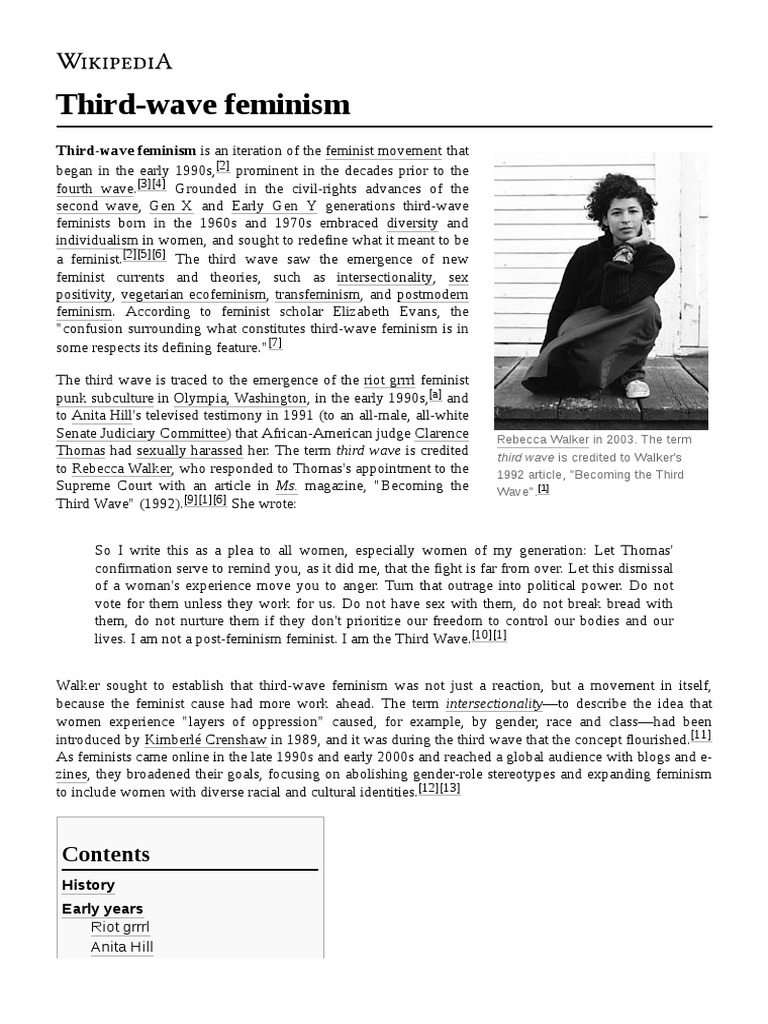
The concept of intersectionality, coined by Kimberlé Crenshaw, provides a powerful framework for understanding the ways in which different forms of oppression intersect and compound one another. This concept, rooted in the experiences of Black women, has become a central tenet of feminist theory and activism, informing our understanding of issues ranging from racial profiling to gender inequality to environmental justice. Intersectionality is not just about acknowledging the existence of multiple identities; it’s about recognizing the ways in which these identities shape our experiences of power and oppression. It compels us to move beyond simplistic notions of identity politics and to embrace a more nuanced and holistic approach to social justice. It is a call to action, demanding that we confront all forms of oppression simultaneously and work towards a future where all people are able to live with dignity and freedom.
8. Contemporary Challenges: The Fight Continues
Despite the significant progress that has been made in the fight for racial and gender equality, we cannot afford to become complacent. The rise of white nationalism, the erosion of reproductive rights, and the persistence of systemic racism are all stark reminders that the struggle is far from over. We must continue to challenge the structures of power that perpetuate inequality and to amplify the voices of those who are most marginalized. This requires a renewed commitment to intersectional activism, a willingness to engage in difficult conversations, and a recognition that our liberation is inextricably linked to the liberation of all people. The fight for justice is not a sprint; it’s a marathon, and we must be prepared to run it together, with unwavering determination and a deep sense of solidarity.
9. From #BlackLivesMatter to #MeToo: Echoes of the Past, Seeds of the Future
The echoes of the Civil Rights Movement and the feminist movement can be heard in the contemporary struggles for social justice, from #BlackLivesMatter to #MeToo. These movements, while distinct in their focus, share a common commitment to challenging power imbalances and amplifying the voices of marginalized communities. #BlackLivesMatter, born out of the outrage over police brutality and racial injustice, has ignited a global conversation about systemic racism and the urgent need for police reform. #MeToo, sparked by the exposure of widespread sexual harassment and assault, has empowered survivors to speak out and demand accountability. These movements are not simply reacting to individual incidents; they are challenging the underlying structures of power that enable these abuses to occur. And they are doing so with a level of intersectional awareness that reflects the lessons learned from the struggles of the past.
10. Reclaiming the Narrative: Centering Marginalized Voices
For too long, the history of the Civil Rights Movement and the feminist movement has been told from a predominantly white, male perspective. It is time to reclaim the narrative and center the voices of those who have been historically marginalized. This means amplifying the stories of Black women, Indigenous women, Latinas, Asian American women, and other women of color who have played a crucial role in shaping these movements. It means recognizing the contributions of LGBTQ+ activists, disabled activists, and other marginalized groups who have fought for justice and equality. And it means challenging the dominant narratives that perpetuate stereotypes and erase the experiences of these communities. By reclaiming the narrative, we can create a more accurate and inclusive understanding of the past and build a more just and equitable future.
11. Beyond Allyship: Embracing Co-Liberation
The concept of allyship, while well-intentioned, can sometimes reinforce power imbalances and perpetuate the idea that marginalized communities need to be “saved” by those in positions of privilege. A more transformative approach is to embrace the concept of co-liberation, which recognizes that our fates are intertwined and that we can only achieve true liberation by working together to dismantle all forms of oppression. Co-liberation requires a willingness to listen to and learn from those who have different experiences than our own, to challenge our own biases and assumptions, and to actively work to dismantle the structures of power that perpetuate inequality. It is a radical vision of solidarity that transcends identity politics and embraces a shared commitment to justice and liberation for all.
12. The Unfinished Revolution: A Call to Action
The Civil Rights Movement and the feminist movement were not isolated events in history; they were part of an ongoing struggle for justice and equality that continues to this day. The revolution is not over. It is a constant process of challenging power, dismantling oppression, and building a more just and equitable world. It requires a commitment to lifelong learning, a willingness to engage in difficult conversations, and an unwavering belief in the power of collective action. Let us honor the legacy of those who came before us by continuing to fight for a future where all people are able to live with dignity, freedom, and justice. The time for complacency is over. The time for action is now.






Leave a Comment