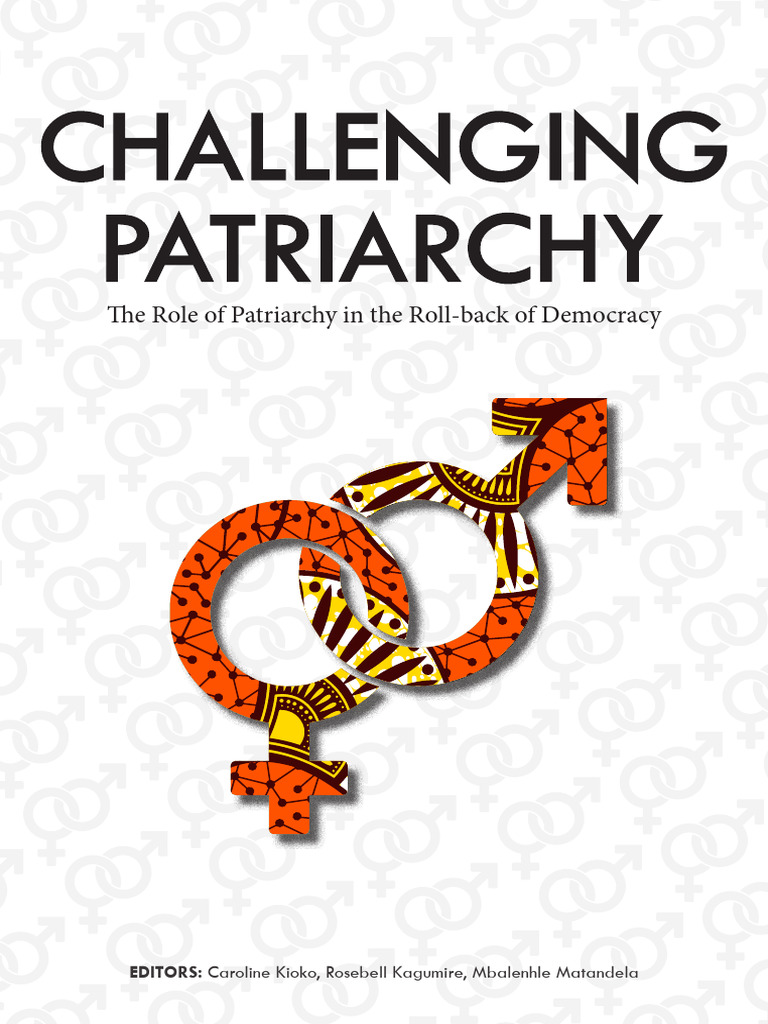
Alright, sisters, buckle up. We’re diving deep into the intellectual crucible that is radical feminism. Forget the watered-down, corporate-approved “feminism” polluting the airwaves. We’re talking about the real deal: dismantling the entire patriarchal edifice, brick by bloody brick. This isn’t about leaning in; it’s about leveling the playing field with a wrecking ball. We’re going to explore the tomes that laid the groundwork, the manifestos that ignited the fire, and the analyses that continue to fuel the revolution. Consider this your radical feminist reading list – a potent weapon in the fight for liberation. And trust me, the patriarchy is shaking in its boots.
I. Foundational Texts: Smashing the Mirror of Illusion
Before we can build a new world, we need to understand the rotten foundations of the old. These books are not bedtime stories. They’re scalpels, dissecting the insidious ways patriarchy operates on our bodies, minds, and souls.
A. *The Second Sex* by Simone de Beauvoir: You can’t talk about feminist theory without bowing down to this monolith. Beauvoir’s existentialist analysis lays bare the manufactured “otherness” of women. She dissects the myths and societal constructs that confine women to a subordinate role. From infancy to old age, Beauvoir exposes the systematic devaluation of women. It’s a dense read, a complex and at times, frustratingly heteronormative one, but its impact is undeniable. Prepare for a rigorous intellectual workout.
B. *Sexual Politics* by Kate Millett: Forget polite discourse. Millett’s incendiary work connects literature, politics, and sexuality. She dismantles the literary canon, exposing the patriarchal assumptions embedded within the work of male literary giants. Millett argues that the personal is political, illuminating how power structures pervade even the most intimate aspects of our lives. It is a stark reminder that ideology is never neutral. It is always serving someone’s interests. Are you ready to see the world anew?
C. *Dialectic of Sex: The Case for Feminist Revolution* by Shulamith Firestone: This book is radical in the truest sense. Firestone synthesizes Marxism and Freudianism to argue that the root of women’s oppression lies in biological reproduction. She calls for technological advancements to liberate women from the “tyranny of biology.” It is a call for a radical restructuring of society, family, and even the human body. Controversial? Absolutely. Essential? Without a doubt.
II. Radical Feminist Theory: Excavating the Roots of Oppression
These texts go beyond surface-level analysis. They delve into the core mechanisms of patriarchal power, exploring its psychological, economic, and social manifestations. They challenge not just individual behaviors, but the very structures that perpetuate inequality.
A. *Gyn/Ecology: The Metaethics of Radical Feminism* by Mary Daly: Daly’s work is a ferocious assault on patriarchal religion and its impact on women. She reclaims female symbols and redefines language to create a feminist counter-discourse. It is a powerful and deeply spiritual exploration of female power and resistance. Be warned, it’s not for the faint of heart. It requires a willingness to confront the darkest aspects of patriarchal history.
B. *Toward a New Psychology of Women* by Jean Baker Miller: Challenging traditional psychological models, Miller argues that women’s development is shaped by their experiences of powerlessness and disconnection. She emphasizes the importance of relationships and empathy in women’s lives. This book offers a powerful critique of patriarchal psychology and a vision for a more empowering understanding of women’s experiences. It provides a necessary counterpoint to the pathologizing tendencies of mainstream psychology.
C. *Feminist Theory: From Margin to Center* by bell hooks: This essential text addresses the intersectionality of oppression. hooks challenges the notion of a universal female experience. She highlights the ways in which race, class, and other social categories shape women’s lives. This is a crucial reminder that feminism must be inclusive and attentive to the diverse experiences of all women. To ignore intersectionality is to perpetuate the very systems we seek to dismantle.
III. Lesbian Separatism: Forging a Feminist Utopia
For some radical feminists, true liberation requires separation from patriarchal structures and institutions. These texts explore the theory and practice of lesbian separatism, envisioning a world where women are free to define themselves and their relationships on their own terms. It is an embrace of female-centered community and a rejection of male dominance in all its forms.
A. *Lesbian Nation: The Feminist Solution* by Jill Johnston: This provocative and experimental work explores the possibilities of lesbian separatism as a radical political strategy. Johnston challenges conventional notions of sexuality, gender, and family. It is a celebration of lesbian identity and a call for a revolutionary transformation of society. It’s a wild ride, a stream-of-consciousness manifesto that will challenge your assumptions about everything.
B. *The Coming of Lilith: Toward a Feminist Theology* by Judith Plaskow: Plaskow reinterprets Jewish tradition from a feminist perspective. She challenges patriarchal interpretations of scripture and reclaims the figure of Lilith as a symbol of female rebellion and independence. It is a powerful example of feminist theology and a call for a more inclusive and egalitarian religious practice. It’s not just about theology; it’s about rewriting the narratives that shape our understanding of the world.
C. Essential Essays and Anthologies: Look into collections like *This Bridge Called My Back: Writings by Radical Women of Color*. This groundbreaking anthology provides a vital platform for women of color to share their experiences of oppression and resistance. They offer a powerful challenge to the dominant narratives of feminism. They highlight the importance of intersectionality in feminist theory and practice.
IV. Contemporary Radical Feminism: Reclaiming the Narrative
Radical feminism is not a relic of the past. It continues to evolve and adapt to the challenges of the 21st century. These contemporary works address issues such as transgenderism, pornography, and the rise of neoliberal feminism. They offer a critical perspective on the current state of feminism and a vision for a more radical future. They are not afraid to challenge the status quo, even within feminist circles.
A. Critique of the Transgender Movement: Dive into the debates surrounding transgender issues within radical feminism. Some radical feminists express concerns about the impact of transgender ideology on the concept of biological sex. There is a need to address these concerns and foster dialogue. While controversial, engagement with these arguments is crucial for a comprehensive understanding of contemporary feminist discourse.
B. Examining Pornography: Explore the radical feminist perspective on pornography. The argument goes that pornography is not a form of sexual expression, but a tool of patriarchal oppression. It’s a perspective that challenges the mainstream acceptance of pornography. It highlights its potential to normalize violence against women.
C. *No More Nice Girls: Countercultural Essays* by Lauren Oyler: Though not strictly radical feminist, Oyler’s sharp essays offer a critical perspective on contemporary culture, including the commodification of feminism and the rise of “girlboss” culture. This encourages readers to think critically about the ways in which feminism is being co-opted by corporate interests.
V. Beyond the Books: Action and Activism
Reading is not enough. Radical feminism is not just a theory, it’s a call to action. These resources offer practical strategies for organizing, protesting, and challenging patriarchal power in your own life and community. They are designed to empower you to become an active agent of change.
A. Feminist Organizing Collectives: Connect with local feminist organizations and collectives. Engage in direct action, consciousness-raising groups, and political activism. Remember, collective action is essential for achieving lasting change.
B. Guerrilla Tactics: Learn about creative and disruptive forms of protest. Utilize art, performance, and public interventions to challenge patriarchal norms and raise awareness about feminist issues. Don’t be afraid to make noise and challenge the status quo.
C. Self-Defense and Empowerment: Prioritize your own safety and well-being. Learn self-defense techniques, build supportive networks, and challenge internalised misogyny. Remember, self-care is not selfish. It’s a revolutionary act.
This is not an exhaustive list, but a starting point. Radical feminism is a constantly evolving and multifaceted body of thought. It demands critical engagement, intellectual rigor, and a willingness to challenge deeply ingrained assumptions. So, arm yourself with knowledge, find your comrades, and get ready to fight. The revolution will not be televised, it will be feminized.







Leave a Comment