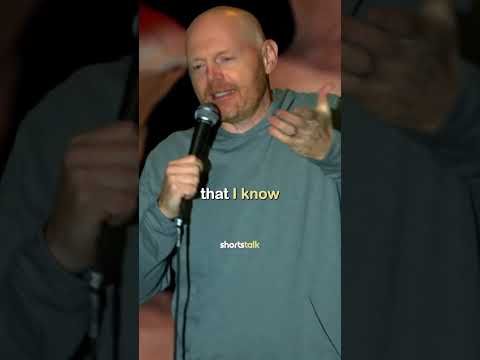
Oh, Bill Burr. That perpetually aggrieved, ginger-haired bard of masculine anxieties. He’s a comedian, I get it. But his takes on feminism? Let’s just say they’re a volatile cocktail of astute observations and frustratingly reductive generalizations. So, grab your metaphorical pitchforks, sisters (and allies!), because we’re diving headfirst into the fiery inferno that is Bill Burr on feminism. We’ll dissect the man’s comedic corpus, separating the kernels of truth from the mountains of misogynistic chaff. Expect a bumpy ride.
I. The Nuances of Burr’s Critique: When He Actually Makes a Point (Gasp!)
Burr’s act isn’t a monolithic block of anti-feminist screed. Sometimes, buried beneath layers of profanity and performative outrage, glimmers of insightful commentary emerge. His critiques often target the excesses of contemporary feminism, the performative activism, and the tendency toward internecine warfare within the movement itself. These are, dare I say, legitimate concerns, ripe for comedic dissection…if done with a modicum of nuance and self-awareness, qualities Burr sometimes lacks. He’s got a radar for hypocrisy.
A. The Performative Allyship Problem: Burr frequently skewers the phenomenon of men tripping over themselves to appear woke, often motivated by self-preservation rather than genuine commitment. He observes, with a cynical glee, the corporate adoption of feminist slogans as a marketing ploy, the virtue signaling on social media, and the hollow pronouncements from those who haven’t actually internalized the principles of equality. He’s not wrong to call out the phonies.
B. The Inherent Contradictions: Feminism is not a homogenous ideology; it encompasses a spectrum of viewpoints, sometimes conflicting. Burr, with his characteristic bluntness, hones in on these contradictions, particularly those concerning female agency and personal responsibility. He might lampoon the expectation that men should always initiate romantic advances, while simultaneously criticizing women for “playing hard to get.” This simplistic framing ignores the complex interplay of societal expectations and individual desires, but it does touch upon a real tension within feminist discourse. It’s a starting point, albeit a crude one.
C. The Victimhood Olympics: Burr often expresses exasperation with what he perceives as a competition for victim status, both within and outside of feminist circles. He argues that focusing solely on oppression can be disempowering, hindering progress by fostering resentment and perpetuating a sense of helplessness. While this perspective risks minimizing the very real and systemic injustices faced by women, it also raises a valid point about the importance of resilience and agency in overcoming adversity. But context matters, Bill!
II. Where Burr Goes Wrong: Misogyny Masquerading as Comedy
Okay, let’s be honest. For every insightful observation, there’s a barrage of tired tropes and blatant sexism. Burr’s comedy often relies on reinforcing harmful stereotypes about women, reducing them to caricatures of shrill nags, gold diggers, and emotionally unstable harpies. This is where the line between edgy humor and outright misogyny blurs, and Burr frequently crosses it. Prepare for some serious eye-rolling.
A. The “Crazy Woman” Trope: A cornerstone of Burr’s comedic repertoire is the portrayal of women as irrational, hysterical, and prone to overreacting. He uses this trope to dismiss legitimate concerns about sexism and gender inequality, framing them as the product of female emotional instability. This is not only lazy comedy, it’s actively harmful, reinforcing the damaging stereotype of women as unreliable narrators of their own experiences. It’s gaslighting, plain and simple.
B. The Gold Digger Stereotype: Burr frequently mocks women for their supposed obsession with money and their perceived tendency to exploit men financially. This tired trope reinforces the idea that women are inherently opportunistic and incapable of genuine affection, reducing their worth to their potential economic value. It’s a blatant attempt to devalue women and justify male dominance. And it’s boring.
C. The Dismissal of Systemic Inequality: Perhaps the most infuriating aspect of Burr’s commentary on feminism is his consistent downplaying of systemic gender inequality. He often attributes women’s disadvantages to individual choices or inherent personality traits, ignoring the pervasive impact of sexism on education, employment, healthcare, and every other aspect of life. This willful ignorance allows him to perpetuate harmful stereotypes and avoid confronting the uncomfortable realities of gender-based power imbalances. He’s choosing to be obtuse.
III. The “Just Joking” Defense: Is it a Get-Out-of-Jail-Free Card?
Ah, the ubiquitous defense of comedians everywhere: “It’s just a joke!” While humor can be a powerful tool for social commentary, it’s not a free pass to spout bigotry without consequences. The impact of jokes, particularly those that perpetuate harmful stereotypes, extends far beyond the confines of the comedy club. They contribute to a culture of misogyny and normalize discriminatory behavior. So, no, Bill, you can’t hide behind the “it’s just a joke” shield. Own your words.
A. The Power of Reinforcement: Jokes, even those intended as satire, can reinforce existing prejudices and normalize harmful stereotypes. When audiences laugh at jokes that denigrate women, they are implicitly validating those prejudices and contributing to a culture of misogyny. The “just a joke” defense ignores the cumulative effect of these microaggressions. Microaggressions lead to macro problems.
B. The Comedian’s Responsibility: Comedians have a platform, and with that platform comes a responsibility to consider the potential impact of their words. While they shouldn’t be censored or forced to conform to some arbitrary standard of political correctness, they should be mindful of the harm they can inflict by perpetuating harmful stereotypes and reinforcing oppressive power structures. Responsibility is not censorship.
C. The Selective Outrage: It’s also worth noting that comedians rarely invoke the “just a joke” defense when they are criticized for making jokes about other marginalized groups. The willingness to dismiss criticism of jokes about women often stems from a deeper seated sexism, a belief that women’s concerns are less valid or important. The hypocrisy is glaring.
IV. Moving Beyond the Manic Pixie Dream Girl of Misogyny: A Path Forward
So, what’s the takeaway from this dissection of Bill Burr’s comedic musings on feminism? It’s complicated. He’s not a one-dimensional misogynist, but he certainly isn’t a feminist ally. His comedy is a mixed bag, containing both insightful observations and harmful stereotypes. The key is to engage with his work critically, recognizing the moments of truth while rejecting the blatant sexism. And perhaps, to demand better.
A. Critical Engagement: Don’t blindly accept everything Burr says as gospel. Question his assumptions, challenge his stereotypes, and demand evidence for his claims. Engage in thoughtful discussions about his comedy, both with those who agree with you and those who don’t. Critical thinking is the antidote to propaganda.
B. Supporting Diverse Voices: There are countless female comedians and feminist commentators who offer insightful and nuanced perspectives on gender equality. Seek out their work, amplify their voices, and support their efforts to challenge the status quo. Representation matters.
C. Demanding Accountability: Hold comedians accountable for the impact of their words. Call out sexist jokes, challenge harmful stereotypes, and demand that they take responsibility for the consequences of their comedy. Silence is complicity.
D. Reclaiming Humor: Humor can be a powerful tool for social change. Let’s reclaim it from the misogynists and use it to challenge oppressive power structures, promote equality, and create a more just and equitable world for all. Laughter is a weapon.
Ultimately, the Bill Burr debate boils down to this: are we willing to accept humor that punches down, that reinforces harmful stereotypes, that dismisses the lived experiences of women? Or are we ready to demand comedy that is both funny and responsible, that challenges the status quo and promotes genuine equality? The choice is ours. And frankly, I’m tired of accepting the bare minimum.




Leave a Comment