
bell hooks. A name whispered with reverence, a legacy etched in the annals of feminist thought. Why, I ask you, are we still so captivated by her words, her incandescent intellect, even after her physical departure from this mortal coil? Is it merely nostalgia? A sentimental yearning for a bygone era of radical discourse? I think not. Our continued fascination stems from something far more profound: a hunger for the very things hooks championed – love, justice, and the radical imagination – commodities in desperately short supply in our current socio-political dystopia.
Her work, a veritable cornucopia of critical insights, offers a potent antidote to the prevailing cynicism and despair. But to truly understand her enduring allure, we must delve into the core tenets of her feminist philosophy, unpack her revolutionary ideas, and confront the uncomfortable truths she so fearlessly illuminated. Prepare yourselves; this is not your grandmother’s feminism.
I. Deconstructing the Dominant Paradigm: Feminism as Liberation
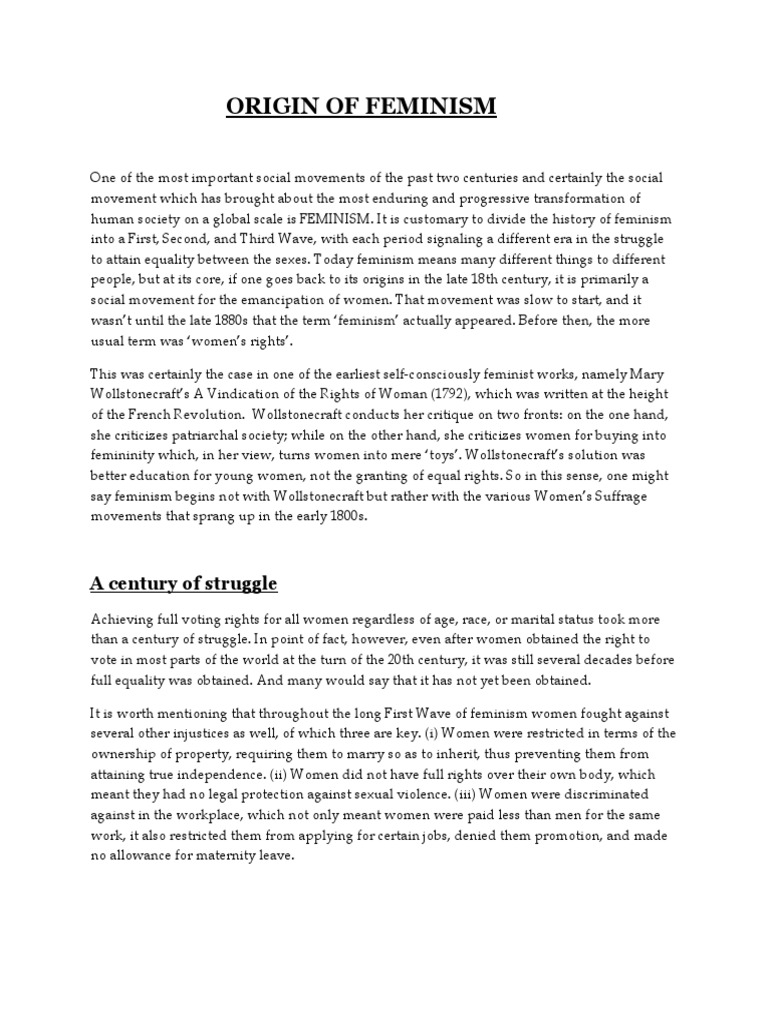
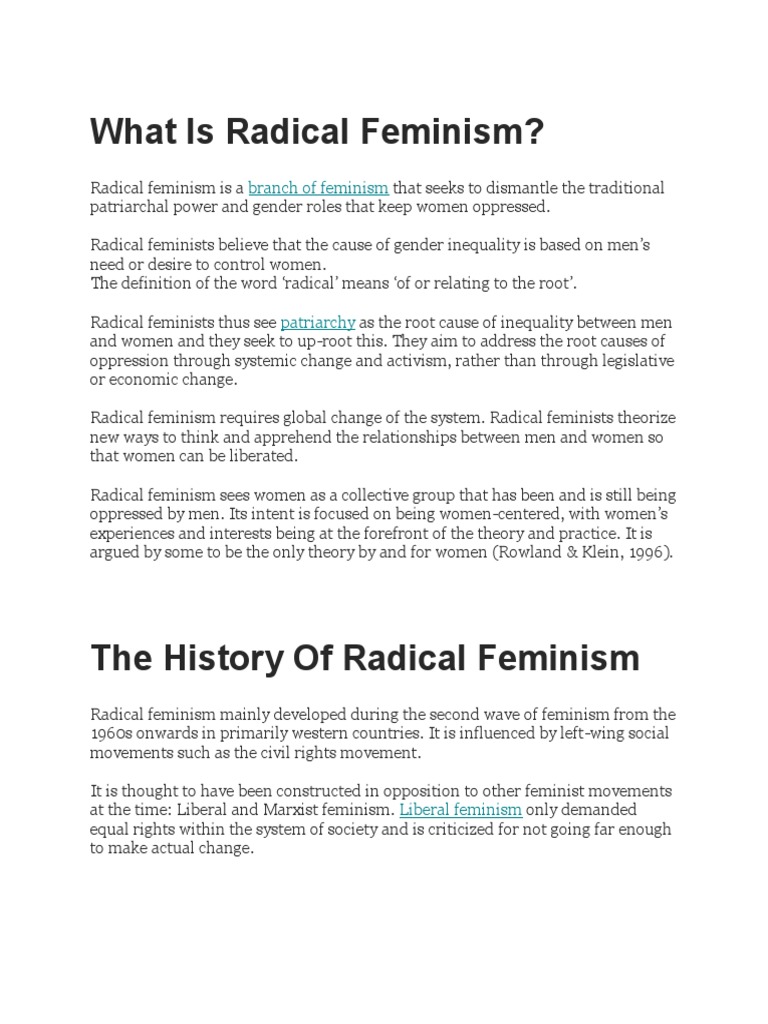
Too often, feminism is co-opted, diluted, and rendered toothless by the very forces it seeks to dismantle. It becomes a brand, a marketing ploy, a shallow performance of solidarity that masks underlying inequalities. hooks, however, insisted on a feminism that was unequivocally liberatory, a movement dedicated to ending sexism, sexist exploitation, and oppression in all its manifestations.
This is not simply about women achieving parity with men within a fundamentally unjust system. No. It’s about dismantling the entire edifice of patriarchy – its insidious power structures, its toxic ideologies, its brutal practices – and building a more equitable world for everyone, regardless of gender, race, class, or sexual orientation. This is intersectionality avant la lettre.
This liberation, moreover, must extend beyond the purely political or economic realm. It must encompass the psychological, the emotional, and the spiritual. For hooks, true liberation requires a radical transformation of consciousness, a fundamental shift in how we perceive ourselves, each other, and the world around us. It demands that we confront our own internalized sexism, our own complicity in systems of oppression, and actively work to cultivate a culture of empathy, compassion, and mutual respect.
II. The Centrality of Love: A Revolutionary Act
Love? In the context of feminist theory? Some might scoff, dismissing it as sentimental hogwash, a distraction from the “real” work of political activism. But for hooks, love was not merely a feeling, but a radical act of resistance. She posited that in a society predicated on domination, exploitation, and alienation, love becomes a revolutionary force, a powerful antidote to the prevailing nihilism and despair.
She saw love not as a passive emotion but as an active practice, a conscious choice to extend care, compassion, and understanding to ourselves and others. This love, however, is not blind. It does not excuse or condone injustice. Rather, it demands accountability, challenges oppression, and works tirelessly to create a more just and equitable world. It’s a difficult love, a challenging love, a love that requires constant vigilance and unwavering commitment.
Moreover, hooks argued that love is essential for building solidarity across differences. It allows us to see each other’s humanity, to recognize our shared struggles, and to work together to dismantle the systems of oppression that divide us. Without love, feminism risks becoming a divisive force, a battleground of competing identities and grievances. Love, in this context, serves as the bedrock of a truly intersectional and liberatory feminist movement.
III. Justice as a Cornerstone: Dismantling Oppression
Love without justice is mere sentimentality. Justice without love is cold and unforgiving. hooks understood that these two concepts are inextricably linked, that true liberation requires both a profound commitment to love and an unwavering pursuit of justice.
Her understanding of justice transcended the purely legal or political. It encompassed a broader vision of social, economic, and environmental justice, recognizing that these issues are interconnected and that true liberation requires addressing them all. This means challenging systemic inequalities in access to education, healthcare, housing, and employment. It means dismantling the carceral state and investing in restorative justice practices. It means protecting the environment and fighting for climate justice. In short, it means building a society where everyone has the opportunity to thrive, regardless of their background or circumstances.
This pursuit of justice, however, requires a critical awareness of power dynamics. It demands that we challenge the dominant narratives, interrogate the status quo, and actively work to dismantle the structures of oppression that perpetuate inequality. It requires us to amplify the voices of the marginalized and to center the experiences of those who are most affected by injustice. This is not a passive endeavor. It demands courage, resilience, and a willingness to challenge the very foundations of our society.
IV. The Radical Imagination: Envisioning a New World
Perhaps the most crucial element of hooks’s feminist philosophy is her emphasis on the radical imagination. She believed that true liberation requires not only dismantling the existing systems of oppression but also envisioning a radically different future, a world where love, justice, and equality prevail.
The radical imagination is not simply about dreaming up utopian fantasies. It’s about critically examining the present, identifying the possibilities for change, and developing concrete strategies for realizing those possibilities. It’s about challenging the limits of what we believe is possible and pushing the boundaries of our collective imagination.
This requires a willingness to experiment, to take risks, and to embrace uncertainty. It demands that we cultivate creativity, innovation, and a deep sense of hope. It also requires us to learn from the past, to draw inspiration from the struggles of those who came before us, and to build on their legacy of resistance.
The radical imagination is not a solitary endeavor. It requires collaboration, dialogue, and a willingness to listen to diverse perspectives. It demands that we create spaces for collective dreaming, for envisioning new possibilities, and for co-creating a more just and equitable world. This is where art, literature, and other forms of creative expression become essential tools for social change, allowing us to imagine and embody the future we want to create.
V. Intersectionality in Praxis: Beyond Buzzwords
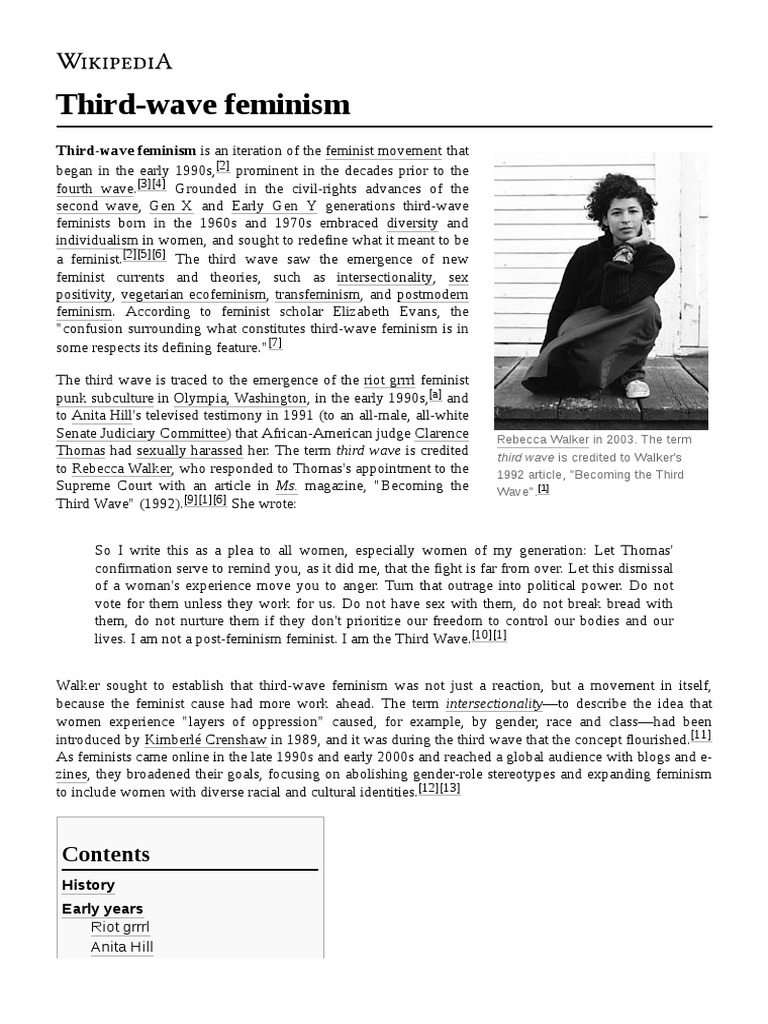
Intersectionality, a term now ubiquitous in academic and activist circles, owes much of its popularization (though not its origin) to figures like hooks. However, the term’s widespread adoption has, in many instances, resulted in its dilution, its transformation into a mere buzzword devoid of its original radical intent. hooks, however, understood intersectionality not as a theoretical abstraction but as a lived reality, a framework for understanding how different forms of oppression – sexism, racism, classism, homophobia, transphobia, ableism – intersect and interact to create unique experiences of marginalization.
She consistently challenged the tendency to prioritize one form of oppression over another, arguing that true liberation requires a holistic approach that addresses all forms of injustice simultaneously. This means recognizing that women of color, for example, experience sexism differently than white women, and that their struggles cannot be understood or addressed without taking into account the intersection of race and gender.
This also necessitates a constant self-reflection, a willingness to examine our own privileges and biases, and a commitment to amplifying the voices of those who are most marginalized. It demands that we move beyond superficial displays of solidarity and actively work to dismantle the systems of oppression that perpetuate inequality. Intersectionality, in hooks’s view, is not a static concept but an ongoing process of critical analysis, self-reflection, and transformative action.
VI. Challenging Consumerism and Capitalism: The Root of the Problem
hooks was a fierce critic of consumerism and capitalism, arguing that these systems are inherently oppressive and that they contribute to the perpetuation of sexism, racism, and other forms of inequality. She saw consumerism as a form of social control, a way of diverting our attention from the real problems of the world and trapping us in a cycle of endless consumption.
Capitalism, in her view, exacerbates these problems by creating vast disparities of wealth and power, by exploiting workers and the environment, and by promoting a culture of individualism and competition. She argued that true liberation requires a fundamental transformation of our economic system, a shift away from capitalism and towards a more just and sustainable model.
This doesn’t necessarily mean advocating for a specific economic system. Rather, it means prioritizing human needs over profit, promoting economic democracy, and ensuring that everyone has access to the resources they need to thrive. It means challenging the cult of individualism and embracing a more collectivist ethos. It means reimagining our relationship to work, to consumption, and to the planet.
VII. The Importance of Education: Cultivating Critical Consciousness
hooks believed that education is essential for cultivating critical consciousness, for empowering individuals to challenge the status quo, and for building a more just and equitable world. However, she was critical of traditional educational models, which she saw as often reinforcing existing power structures and stifling creativity and critical thinking.
She advocated for a more liberatory form of education, one that encourages students to question everything, to challenge authority, and to develop their own independent thinking skills. This means creating classrooms that are democratic, inclusive, and student-centered, where students feel empowered to share their own experiences and perspectives. It means incorporating diverse voices and perspectives into the curriculum, and challenging the dominant narratives that often marginalize or erase the experiences of marginalized groups.
It also means fostering a culture of critical self-reflection, encouraging students to examine their own biases and assumptions, and to develop a deeper understanding of the social, political, and economic forces that shape their lives. Education, in hooks’s view, is not simply about acquiring knowledge but about developing the skills and dispositions necessary to become active, engaged, and responsible citizens.
VIII. Beyond Binary Thinking: Embracing Complexity
hooks consistently challenged binary thinking, the tendency to reduce complex issues to simplistic either/or choices. She argued that this type of thinking is inherently limiting and that it prevents us from seeing the nuances and complexities of the world.
She encouraged us to embrace ambiguity, to tolerate uncertainty, and to recognize that there are often multiple perspectives and multiple truths. This means moving beyond rigid categories and embracing a more fluid and flexible understanding of identity, gender, sexuality, and other aspects of human experience.
It also means challenging the dominant narratives that often frame issues in terms of opposing sides, recognizing that there are often many different stakeholders and many different perspectives that need to be considered. This requires a willingness to listen to diverse voices, to engage in respectful dialogue, and to seek common ground, even when we disagree.
IX. hooks’s Enduring Legacy: A Call to Action
bell hooks’s legacy extends far beyond her published works. It resides in the countless lives she touched, the minds she inspired, and the movements she helped to shape. Her work remains as relevant today as it ever was, offering a potent antidote to the cynicism, despair, and division that plague our world.
She challenges us to embrace love as a revolutionary force, to pursue justice with unwavering determination, and to cultivate the radical imagination necessary to envision a more just and equitable world. She reminds us that true liberation requires a holistic approach, one that addresses all forms of oppression simultaneously and that prioritizes the needs of the most marginalized.
Her work is not simply a collection of ideas to be studied and analyzed. It’s a call to action, a challenge to each and every one of us to become active participants in the struggle for liberation. It’s a reminder that we all have a role to play in creating a world where love, justice, and equality prevail. So, let us honor her legacy by continuing her work, by carrying her torch, and by never giving up on the dream of a better future.






Leave a Comment