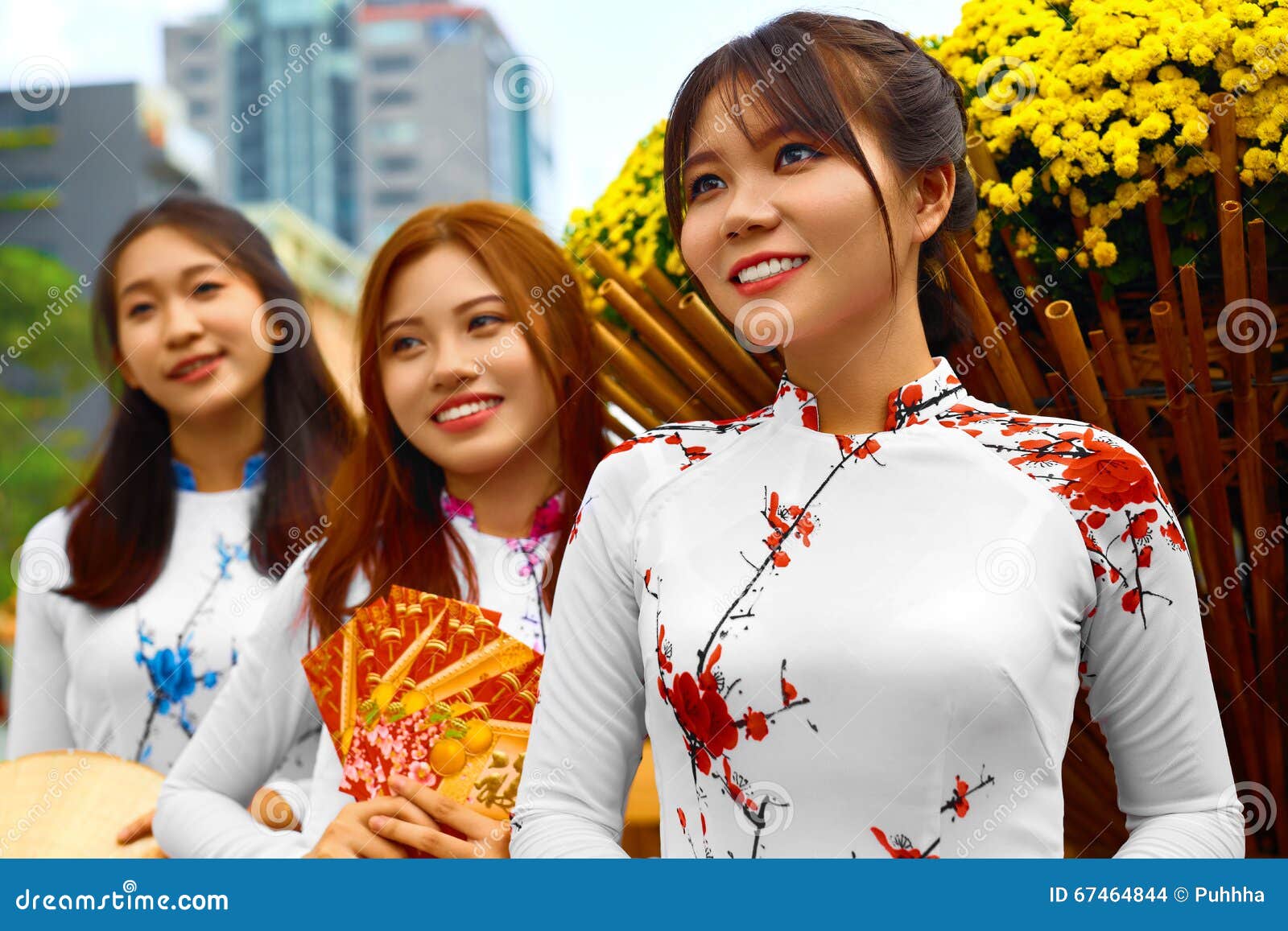
Sisters, sibs, comrades! Let’s detonate the myth of a monolithic “Asian American Feminism.” It’s a kaleidoscope, a riot of voices, a battlefield where identities clash and coalesce. It’s a freaking movement – get on board or get out of the way. We’re diving deep, unflinchingly, into the complexities of this vibrant socio-political force. Buckle up, buttercups, because this ride gets bumpy.
I. Unpacking the Pandora’s Box: Defining Asian American Feminism
First things first: What is Asian American Feminism? Is it a watered-down version of Western feminism? Is it simply Asian women regurgitating rhetoric created by white academics? Hell no. It’s a nuanced, evolving ideology forged in the crucible of intersecting oppressions. The very definition is contested, a site of perpetual negotiation. This, in itself, is a key facet of its power.
a. Intersectionality as the Bedrock: More Than Just a Buzzword
Forget tokenism. Intersectionality isn’t a box to tick; it’s the goddamn foundation. It acknowledges that Asian American women aren’t just women; they’re women of color, navigating racism, xenophobia, and cultural expectations that white feminists often overlook. Race, class, sexuality, immigration status, language proficiency – these are all interwoven threads in the tapestry of their lived experiences. To ignore these interconnections is to fundamentally misunderstand the struggle. The struggle that we inherit.
b. Beyond the Binary: Challenging Essentialist Notions of “Asianness”
Stop with the fortune cookie stereotypes. East Asian? South Asian? Southeast Asian? The vast heterogeneity of Asian cultures gets flattened into a single, digestible narrative. The “model minority” myth casts a long shadow, pitting Asian Americans against other marginalized groups while simultaneously masking the very real struggles faced by many within the community. This is insidious; it’s designed to divide and conquer. Asian American Feminism refuses to perpetuate these harmful tropes. We can’t be the exception to the rule.
c. Reclaiming Agency: Rejecting the Submissive Trope
The “lotus blossom,” the “dragon lady” – these are tired caricatures designed to control and dehumanize. Asian American Feminism actively deconstructs these Orientalist fantasies, reclaiming agency and rewriting the narrative on their own terms. We are complex, multifaceted individuals, not passive objects of desire or exoticized projections. We are not your muse. We are not your doll.
II. Identity as a Battleground: Navigating Cultural Expectations and Colonial Legacies
Identity isn’t a fixed entity; it’s a fluid, contested space. For Asian American women, it’s a constant negotiation between cultural heritage and American assimilation, between familial expectations and personal aspirations. This internal friction fuels a potent form of resistance.
a. The Patriarchy Within: Challenging Traditional Gender Roles
Let’s be real: many Asian cultures are steeped in patriarchal traditions. Daughters are often expected to prioritize family obligations over personal ambitions, to defer to male authority, and to uphold traditional gender roles. Asian American Feminists challenge these norms head-on, advocating for equal opportunities and dismantling the structures that perpetuate gender inequality within their own communities. This is not easy; it often involves challenging deeply ingrained beliefs and risking familial disapproval.
b. Colonial Wounds: Examining the Impact of Imperialism on Gender Dynamics
Imperialism isn’t just a historical footnote; it continues to shape gender dynamics in postcolonial societies. Western powers imposed their own patriarchal values, exacerbating existing inequalities and creating new forms of oppression. Asian American Feminists must grapple with this legacy, recognizing how colonial narratives continue to inform perceptions of Asian women and their roles in society. These wounds still bleed. And we must tend to them.
c. The Burden of Representation: Combating Stereotypes in Media and Popular Culture
From “Miss Saigon” to “Crazy Rich Asians,” mainstream media consistently perpetuates harmful stereotypes about Asian women. Whether it’s the hypersexualized femme fatale or the docile, submissive wife, these portrayals limit our agency and reinforce racist and sexist assumptions. Asian American Feminists are actively challenging these representations, demanding more authentic and nuanced portrayals of Asian women in media. We demand the pen! Not just the ink.
III. Resistance as a Verb: Activism and Social Justice Movements
Asian American Feminism isn’t just theory; it’s action. It’s about organizing, mobilizing, and fighting for social justice on multiple fronts. It’s about dismantling systems of oppression and building a more equitable world.
a. Beyond Identity Politics: Building Coalitions with Other Marginalized Groups
While identity is important, it’s not the end-all-be-all. Asian American Feminists recognize the need to build coalitions with other marginalized groups, including Black, Indigenous, and Latinx communities. Solidarity is not optional; it’s essential. By working together, we can amplify our voices and challenge the structures of power that oppress us all. The enemy of my enemy? Is my ally.
b. Activism in the Digital Age: Using Social Media to Amplify Voices and Organize Movements
Social media has become a powerful tool for activism. Asian American Feminists are using platforms like Twitter, Instagram, and TikTok to share their stories, raise awareness about important issues, and organize movements. From challenging anti-Asian hate to advocating for immigrant rights, social media allows us to bypass traditional gatekeepers and connect directly with audiences around the world. The internet is a weapon. Use it wisely.
c. Challenging the Status Quo: Advocating for Policy Changes and Systemic Reform
Ultimately, lasting change requires policy changes and systemic reform. Asian American Feminists are actively engaged in advocacy, lobbying, and electoral politics, pushing for policies that address issues like pay equity, reproductive rights, and immigration reform. We are not just fighting for individual rights; we are fighting for a more just and equitable society for all. The system? Needs a hard reset.
IV. Cultural Power as a Weapon: Art, Literature, and Creative Expression
Culture is a powerful tool for shaping perceptions and challenging dominant narratives. Asian American Feminists are using art, literature, and creative expression to reclaim their stories, celebrate their heritage, and challenge stereotypes. This is where the true revolution begins.
a. Reclaiming the Narrative: Writing Our Own Stories and Creating Our Own Images
For too long, our stories have been told by others. Asian American Feminists are taking control of the narrative, writing our own stories and creating our own images. Through literature, film, art, and music, we are reclaiming our agency and challenging the stereotypes that have defined us for so long. This is not just about representation; it’s about self-determination. It’s about our voices, loud and clear.
b. Celebrating Heritage: Embracing Cultural Traditions and Reinterpreting Them Through a Feminist Lens
Our cultural heritage is a source of strength and resilience. Asian American Feminists are celebrating our traditions while simultaneously reinterpreting them through a feminist lens. We are honoring the past while challenging the patriarchal aspects of our cultures and creating new traditions that reflect our values. Ancestral wisdom? Meets modern activism.
c. Creating Spaces for Dialogue: Fostering Conversations and Building Community Through Art and Culture
Art and culture can create spaces for dialogue, fostering conversations and building community. Asian American Feminists are using creative expression to bring people together, to share their experiences, and to challenge assumptions. By creating these spaces, we can build a stronger, more inclusive movement. The power of art? To ignite revolutions.
V. The Future of Asian American Feminism: Towards a More Just and Equitable World
The fight is far from over. Asian American Feminism is a dynamic and evolving movement, constantly adapting to new challenges and opportunities. The future of this movement depends on our ability to build coalitions, challenge stereotypes, and reclaim our power. Let’s not forget.
a. Centering the Margins: Prioritizing the Needs of the Most Vulnerable Within the Community
Within the Asian American community, some groups are more vulnerable than others. Immigrants, refugees, LGBTQ+ individuals, and people with disabilities often face additional barriers and challenges. Asian American Feminists must center the margins, prioritizing the needs of the most vulnerable and ensuring that everyone has a seat at the table. No one left behind. Is the mantra.
b. Challenging the Model Minority Myth: Exposing the Harmful Effects of This Stereotype
The “model minority” myth is a dangerous and divisive stereotype that pits Asian Americans against other marginalized groups. Asian American Feminists must actively challenge this myth, exposing its harmful effects and advocating for policies that address the root causes of inequality. We are not your pawns. In your game.
c. Building a Sustainable Movement: Investing in Leadership Development and Mentorship
To ensure the long-term sustainability of the movement, we need to invest in leadership development and mentorship. By supporting the next generation of Asian American Feminist leaders, we can ensure that our voices continue to be heard for generations to come. Pass the torch. Ignite the flame.
So there you have it. Asian American Feminism is not a static concept, but a vibrant, ever-evolving force. It’s a challenge to the status quo, a reclamation of power, and a fight for a more just and equitable world. Join us, sisters. The revolution awaits.






Leave a Comment