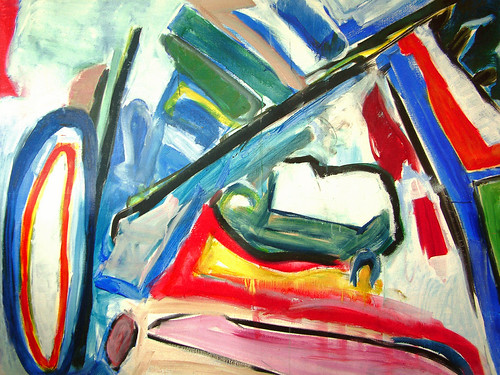
Art history, that hallowed hall of supposed genius, has long been a patriarchal playground. A curated collection of male masterpieces, conveniently omitting the contributions – the sheer *brilliance* – of women artists. We’ve been fed a narrative, a carefully constructed fiction, where “great art” is synonymous with “male art.” This, my sisters, is bullshit. It’s time to dismantle this antiquated edifice, brick by biased brick, and exhume the legions of female artists who were deliberately sidelined, suppressed, or simply erased from the historical record. Prepare yourselves, because we’re about to delve into the vibrant, volatile, and vastly underappreciated world of feminist art history, celebrating the women who dared to defy the canon.
I. Challenging the Canonical Narrative: A Sisyphusian Struggle
The very notion of a “canon” is problematic. Who gets to decide what’s “good” or “important”? Historically, the gatekeepers have been, overwhelmingly, white, male, and privileged. Their criteria, unsurprisingly, reflected their own biases and blind spots. This meant that art created by women, particularly art that challenged societal norms or explored traditionally “feminine” themes, was often dismissed as trivial, decorative, or simply not “serious” enough. But let’s be clear: this wasn’t just a matter of subjective taste. It was a deliberate act of cultural disenfranchisement, a systematic effort to maintain male dominance in the artistic realm.
Consider the historical obstacles women faced: limited access to formal art education, societal expectations that relegated them to domestic roles, and the pervasive belief that women lacked the intellectual or creative capacity to produce “great” art. Even when women managed to overcome these hurdles, their work was often attributed to their male relatives or mentors. The patriarchal art world benefited from the erasure of female artistic contributions, solidifying its own fabricated image of male genius as the sole possessor of artistic mastery.
This bias is particularly evident when we examine the types of art deemed worthy of recognition. Large-scale history paintings, portraits of powerful men, and landscapes that celebrated male dominion over nature were lauded as the pinnacle of artistic achievement. Meanwhile, the so-called “minor” genres – still life, portraiture of women and children, and decorative arts – where women often excelled, were relegated to the margins of art history. This hierarchical structure served to reinforce the idea that men were the creators of grand narratives, while women were merely relegated to the realm of domesticity and the superficial.
II. Pre-20th Century Pioneers: Seeds of Revolution
Before the rise of explicitly feminist art movements, numerous women artists laid the groundwork for future generations. These pioneers, often working in isolation and facing immense social pressure, dared to challenge the status quo and create art that reflected their own experiences and perspectives.
- Artemisia Gentileschi (1593-1653): A Baroque painter who defied the expectations of her time, Gentileschi created powerful and emotionally charged works that often depicted strong female figures. Her “Judith Slaying Holofernes” is a visceral and unforgettable masterpiece, a potent symbol of female resistance against male oppression. Gentileschi’s personal life, marred by sexual assault and the subsequent trial, further fueled her artistic vision, imbuing her work with a sense of righteous anger and unwavering determination.
- Clara Peeters (1594-1657): A Flemish still life painter who subtly subverted the conventions of her genre. Peeters included self-portraits in her paintings, reflecting in the surfaces of pewter and glass, asserting her presence in a world that often rendered women invisible. Her meticulous attention to detail and her innovative compositions elevated still life painting to new heights, paving the way for future generations of female artists.
- Rosa Bonheur (1822-1899): A French animal painter who achieved international fame for her realistic and monumental depictions of animals. Bonheur challenged gender norms by adopting masculine attire and pursuing her passion for animal anatomy. Her immense canvas, “The Horse Fair,” is a testament to her skill and ambition, a powerful representation of animal power and the artist’s own unwavering determination.
These women were not anomalies; they were simply the visible tip of a submerged iceberg. Countless other women artists toiled in obscurity, their contributions lost to history due to neglect, prejudice, and the deliberate erasure of their achievements. We must actively seek out their stories, reclaim their legacies, and rewrite the narrative of art history to include their voices.
III. The Rise of Feminist Art Movements: A Call to Arms
The 20th century witnessed the emergence of explicitly feminist art movements, fueled by the burgeoning feminist movement of the 1960s and 1970s. These movements challenged the patriarchal structures of the art world, demanding equal representation for women artists and advocating for art that addressed feminist concerns. This was not merely about inclusion; it was about revolutionizing the very definition of art itself.
- Judy Chicago and Miriam Schapiro: Founders of the Feminist Art Program at the California Institute of the Arts, Chicago and Schapiro pioneered “feminist art,” which emphasized personal experience, female imagery, and collaborative practice. Their collaborative project, “Womanhouse,” transformed a dilapidated mansion into a site-specific installation that explored themes of domesticity, sexuality, and female identity. “Womanhouse” was a radical act of defiance, a collective scream against the suffocating confines of traditional gender roles.
- Guerrilla Girls: An anonymous group of feminist artists who use gorilla masks to conceal their identities and launch scathing critiques of sexism and racism in the art world. Their posters, billboards, and public interventions expose the underrepresentation of women and artists of color in museums and galleries. The Guerrilla Girls employ humor, wit, and hard-hitting statistics to challenge the art establishment and demand accountability. Their continued activism remains as relevant today as it was when they first emerged in the 1980s.
- Barbara Kruger: Kruger’s text-based works, often featuring bold typography and appropriated images, dissect the power dynamics of consumer culture and mass media. Her iconic phrase, “Your body is a battleground,” became a rallying cry for feminist activism, highlighting the ways in which women’s bodies are politicized and objectified. Kruger’s work is a powerful reminder of the pervasive influence of patriarchal ideology and the need for constant vigilance.
These are but a few examples of the diverse and vibrant feminist art movements that have transformed the landscape of contemporary art. These movements created spaces for female artists to experiment, collaborate, and challenge the dominant narrative. They demanded recognition for women’s contributions to art history and actively worked to dismantle the patriarchal structures that had silenced them for centuries.
IV. Contemporary Feminist Art: A Multifaceted Manifestation
Contemporary feminist art is not a monolithic entity; it encompasses a wide range of styles, media, and approaches. However, it is united by a common goal: to challenge patriarchal norms and advocate for social justice. Contemporary feminist artists engage with issues such as gender identity, sexuality, race, class, and environmentalism, creating art that is both aesthetically compelling and politically engaged.
Consider the work of artists like Kara Walker, whose silhouettes explore the complexities of race, gender, and power in the context of American history. Or Catherine Opie, whose photographs challenge conventional notions of beauty and sexuality. Or Shirin Neshat, whose video installations examine the intersection of gender and religion in Iranian society. These artists, and countless others, are pushing the boundaries of contemporary art and challenging viewers to confront uncomfortable truths about power, privilege, and inequality.
The rise of social media has also provided new platforms for feminist artists to share their work and connect with audiences around the world. Online communities and digital art spaces have become vital hubs for feminist art activism, fostering dialogue, collaboration, and mutual support. These digital platforms offer a powerful counterpoint to the traditional art world, providing opportunities for artists whose voices might otherwise be marginalized or silenced.
V. Beyond the Binary: Intersectionality and the Future of Feminist Art
As feminist art evolves, it is increasingly embracing the principles of intersectionality, recognizing that gender is not an isolated category but is intertwined with race, class, sexuality, and other forms of identity. Intersectional feminist art challenges the notion of a universal female experience, acknowledging the diversity of women’s lives and perspectives. It amplifies the voices of marginalized communities and advocates for a more inclusive and equitable art world.
The future of feminist art lies in its ability to continue challenging the status quo, pushing the boundaries of artistic expression, and advocating for social justice. It requires a commitment to dismantling patriarchal structures, amplifying marginalized voices, and creating a more equitable and inclusive art world for all. It’s a future where the “canon” itself is shattered, replaced by a kaleidoscope of diverse perspectives and experiences, where art is not judged by its adherence to outdated patriarchal norms but by its ability to challenge, inspire, and transform the world.
The struggle is far from over, but the seeds of revolution have been sown. We must continue to cultivate them, nurture them, and ensure that the voices of women artists are finally heard, celebrated, and enshrined in the annals of art history. The future is female, and the future of art is feminist.








Leave a Comment