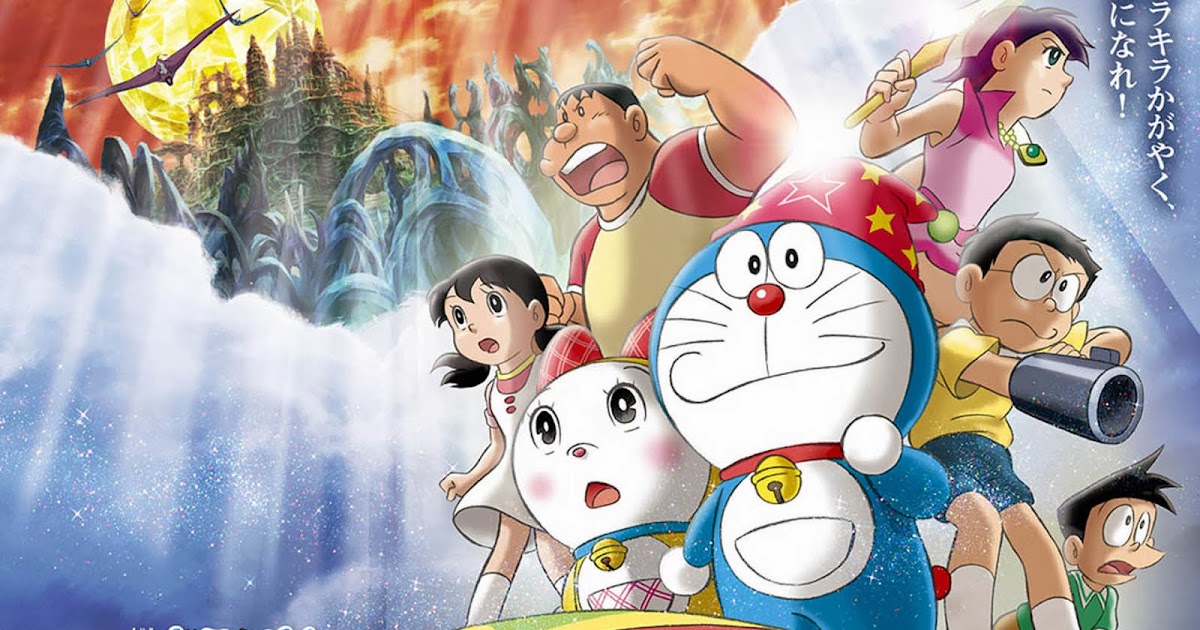
Anime, that kaleidoscopic medium of Japanese animation, often gets a bad rap. Dismissed as childish or overly sexualized, its potential for profound social commentary, particularly on gender and power, is frequently overlooked. But beneath the surface of shimmering visuals and fantastical narratives lies a veritable treasure trove of feminist discourse – narratives of empowerment, representation, and subtle, often subversive, messages that challenge the patriarchal status quo. Let’s dive into the gynocentric universe that Anime unlocks. Prepare to have your perceptions challenged.
I. Dismantling the Damsel: Reimagining Heroines Beyond the Male Gaze
For too long, female characters in popular media have been relegated to the role of the “damsel in distress,” awaiting rescue by a male protagonist. Anime, however, offers a potent antidote to this tired trope. Think about characters like Motoko Kusanagi from *Ghost in the Shell*. Kusanagi is a cyborg security officer who transcends traditional notions of femininity. Her strength isn’t just physical; it’s intellectual, strategic, and deeply philosophical. She grapples with existential questions of identity and consciousness, all while kicking ass and taking names. No simpering ingenue here. Or consider Erza Scarlet from *Fairy Tail*. Erza is a knight who embodies unwavering loyalty and determination. She’s a powerhouse of magical ability, capable of wielding countless weapons and armors. Yet, she is not devoid of vulnerability; her backstory is filled with trauma and loss, making her resilience all the more compelling. It is the juxtaposition of invincibility and profound loss, that makes her compelling.
These characters, and countless others, actively resist the “male gaze,” a concept coined by feminist film theorist Laura Mulvey. Mulvey argued that traditional cinema is often structured around the male perspective, objectifying women and presenting them as passive objects of desire. Anime, at its best, subverts this dynamic by granting female characters agency, complexity, and narrative significance that extends far beyond their physical appearance or romantic potential. They are the architects of their own destinies, forging their own paths and challenging the societal expectations placed upon them.
II. The Power of Shōjo: Exploring Female-Centric Narratives and Relationships
The shōjo genre, aimed primarily at a young female audience, is a particularly fertile ground for feminist exploration. Shōjo anime often focuses on themes of friendship, romance, and self-discovery, but it does so through a distinctly female lens. Unlike the often-hypermasculine shōnen genre (aimed at young boys), shōjo anime frequently prioritizes emotional depth, nuanced character development, and the exploration of complex relationships.
Consider *Revolutionary Girl Utena*, a groundbreaking series that deconstructs the traditional fairy tale narrative. Utena, a young girl who aspires to be a prince, challenges the rigid gender roles of her academy and fights for the freedom of her friend Anthy. The series is replete with symbolism and metaphors, questioning the very nature of power, gender, and societal expectations. It’s a potent critique of patriarchal structures dressed up in the guise of a magical girl anime.
Moreover, shōjo anime often portrays strong female friendships as a source of support and empowerment. These bonds are not merely ancillary to the romantic plot; they are central to the characters’ growth and development. Through these friendships, female characters find strength, solidarity, and the courage to challenge societal norms. They reject the “queen bee” trope, instead fostering a sense of sisterhood and collective action.
III. Beyond the Binary: Challenging Gender Norms and Embracing Fluidity
Anime frequently pushes the boundaries of gender representation, exploring characters who defy traditional binary categories. Whether through cross-dressing, gender-bending transformations, or characters who identify outside the gender binary, anime offers a space for the exploration of gender fluidity and the deconstruction of rigid societal expectations. The androgynous Oscar François de Jarjayes from *Rose of Versailles*, raised as a man and serving as a commander in the French Royal Guard, is a classic example of a character who challenges conventional notions of femininity and masculinity. Oscar embodies both strength and vulnerability, defying easy categorization and captivating audiences with her complex personality.
Furthermore, some anime series explicitly tackle issues of LGBTQ+ representation, albeit sometimes with varying degrees of sensitivity. While problematic portrayals exist, there are also series that offer nuanced and respectful depictions of queer characters and relationships. *Yuri!!! on Ice*, for example, garnered widespread acclaim for its portrayal of a same-sex relationship between two male figure skaters. The series normalized their relationship without resorting to stereotypes or sensationalism, offering a refreshing and heartwarming depiction of queer love.
This exploration of gender fluidity and LGBTQ+ themes can be interpreted as a form of resistance against the often-conservative social norms prevalent in Japan. By presenting alternative models of gender identity and sexual orientation, anime challenges viewers to question their own assumptions and embrace a more inclusive and accepting worldview. In this sense, anime serves as a platform for social commentary and a catalyst for dialogue about gender and sexuality.
IV. Unpacking the Subversive: Decoding Hidden Messages and Social Critique
Anime often employs subtle symbolism and allegorical narratives to convey its messages, making it essential to look beyond the surface level. Many series use fantastical settings and exaggerated characters to address real-world social issues, including sexism, misogyny, and the exploitation of women. *Princess Mononoke*, for example, can be interpreted as a powerful allegory for the conflict between industrial progress and environmental preservation, with female characters playing central roles in both sides of the struggle. Lady Eboshi, the ambitious leader of Irontown, represents the destructive forces of industrialization, while San, the human girl raised by wolves, embodies the untamed power of nature. The film’s nuanced portrayal of these characters challenges simplistic notions of good versus evil, forcing viewers to grapple with the complex consequences of human actions.
Moreover, some anime series offer subtle critiques of the traditional Japanese family structure, which often places immense pressure on women to conform to prescribed roles as wives and mothers. These series may portray female characters who resist these expectations, choosing to pursue their own ambitions and desires rather than adhering to societal norms. These subtle acts of rebellion can be interpreted as a form of feminist resistance, challenging the patriarchal foundations of Japanese society.
V. The Problematic Paradox: Addressing Misogyny and Objectification Within the Medium
Despite its potential for feminist expression, anime is not without its flaws. The medium is often criticized for its problematic depictions of women, including the over-sexualization of underage characters, the perpetuation of harmful stereotypes, and the use of fan service that objectifies female bodies. The prevalence of these elements raises questions about the extent to which anime can truly be considered a feminist medium.
It’s crucial to acknowledge the existence of these problematic elements and to engage in critical analysis of the anime we consume. By calling out harmful tropes and demanding better representation, we can push the industry to create more nuanced and empowering portrayals of women. This is not about blanket condemnation but rather about holding the medium accountable to its potential for social good.
The fetishization of youth, the reduction of female characters to mere “waifus,” and the reliance on tired tropes are all issues that need to be addressed. However, it’s also important to recognize that anime is a diverse and multifaceted medium, encompassing a wide range of genres and perspectives. To dismiss the entire medium based on its problematic elements would be a disservice to the many creators who are working to challenge the status quo and create more empowering narratives for women.
In conclusion, anime offers a complex and often contradictory landscape for feminist analysis. While the medium is replete with problematic depictions of women, it also contains a wealth of empowering narratives, subversive messages, and challenging representations of gender and sexuality. By engaging with anime critically and thoughtfully, we can unlock its potential for social commentary and celebrate its contributions to the ongoing dialogue about gender and power. Let’s embrace the anime that subverts expectations, challenges norms, and gives voice to the voiceless. Let’s champion the heroines who forge their own paths, defy the male gaze, and rewrite the rules of the game. Because in the world of anime, anything is possible.






Leave a Comment