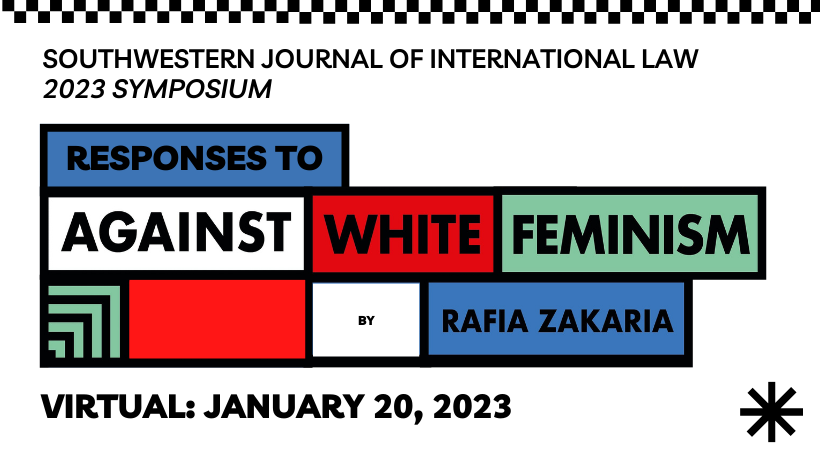
So-called “feminism” has become a vacuous buzzword, hasn’t it? A trendy accessory donned by corporations seeking woke points and privileged elites who think a #GirlBoss hashtag absolves them of complicity in systemic oppression. Rafia Zakaria’s *Against White Feminism* throws a Molotov cocktail into this nauseatingly palatable version of gender equality, and frankly, it’s about damn time.
Prepare yourselves, darlings, because this isn’t your run-of-the-mill, kumbaya-singing feminist treatise. Zakaria dismantles the entire scaffolding of white feminism, exposing its inherent biases, its historical amnesia, and its detrimental impact on the fight for true liberation. Think of it as a meticulously crafted deconstruction, a philosophical vivisection of everything you thought you knew about the movement. Are you ready to have your carefully constructed worldview challenged?
This isn’t a gentle nudge. It’s a seismic shift. Here’s a taste of the incendiary content you can expect:
I. The Myth of Universal Womanhood: Why Your “Empowerment” Agenda Excludes Half the Planet
Forget the patronizing narrative of “sisterhood.” Zakaria lays bare the uncomfortable truth: white feminism, with its bourgeois obsession with leaning in and shattering glass ceilings, operates under the delusion of a universal female experience. This is, to put it mildly, bullshit. It conveniently ignores the lived realities of women of color, working-class women, queer women, disabled women, and countless others whose struggles are far more complex than simply navigating the corporate ladder. The audacity of presuming that every woman’s aspiration is the same! It’s not only ignorant, it’s actively harmful.
Consider the global implications. Western feminists championing abstract notions of “freedom” often turn a blind eye to the concrete exploitation of women in the Global South, women whose labor fuels the very consumer culture that underpins so much of this faux-empowerment. Fair trade coffee? Sweatshop-free clothing? Empty platitudes when the underlying power structures remain intact. The notion of a unified feminist front crumbles when faced with the stark reality of economic disparities and neocolonial extraction.
Zakaria forces us to confront the uncomfortable truth: true solidarity requires more than just catchy slogans and performative activism. It demands a fundamental rethinking of who gets to define “feminism” in the first place.
II. Historical Amnesia: The Erasure of Women of Color from the Feminist Narrative
The hagiography of white feminist icons is a carefully curated spectacle, designed to obscure the contributions of countless women of color who have been fighting for liberation long before the “second wave.” Think of Sojourner Truth, Ida B. Wells, Audre Lorde, and countless others whose voices have been systematically marginalized in mainstream feminist discourse. This isn’t just an oversight; it’s a deliberate act of erasure, designed to maintain the dominance of a white-centric perspective.
The consequences of this historical amnesia are profound. It leads to a superficial understanding of the intersectional nature of oppression, a failure to recognize how race, class, and other forms of identity intersect to shape women’s experiences. It allows white feminists to cherry-pick issues that align with their own interests, while ignoring the struggles of those who face multiple forms of discrimination. The past isn’t just something to be studied; it’s the foundation upon which we build the future of feminist movements. And if that foundation is rotten with injustice, then the whole edifice will crumble.
Zakaria skillfully exhumes these forgotten narratives, restoring them to their rightful place in the feminist canon and challenging the dominant narrative that has long silenced them. It’s a necessary act of historical redress, a crucial step towards building a more inclusive and equitable movement.
III. The Commodification of Feminism: When Liberation Becomes a Marketing Ploy
Ah, the glorious age of “femvertising.” Corporations slapping feminist slogans on their products, celebrities endorsing empowerment-themed merchandise, and “influencers” hawking self-care routines as the ultimate form of rebellion. It’s enough to make you choke on your organic, fair-trade kale smoothie. Zakaria exposes the cynical reality behind this commodification of feminism: it’s not about genuine social change, it’s about profit. Companies are simply capitalizing on a growing market, using feminist rhetoric to appeal to socially conscious consumers without actually challenging the power structures that perpetuate inequality.
Consider the “girlboss” phenomenon. The exaltation of female CEOs and entrepreneurs often obscures the fact that these women are still operating within a capitalist system that exploits workers and perpetuates economic inequality. The elevation of a few individuals does little to address the systemic issues that prevent most women from achieving economic security. It’s a smoke screen, a distraction from the real work of dismantling patriarchal structures and creating a more just society.
Zakaria urges us to be critical consumers, to question the motives behind these corporate displays of feminism, and to recognize that true liberation cannot be bought or sold. It demands a deeper commitment to challenging the root causes of oppression, not just buying the latest feminist-branded t-shirt.
IV. The Savio(u)r Complex: When Feminism Becomes a Tool of Imperialism
This is where things get really uncomfortable. White feminism, with its inherent sense of superiority, often manifests as a paternalistic desire to “save” women in other countries. This savior complex, rooted in colonial history, ignores the agency and resilience of women in the Global South, imposing Western ideals and values on cultures that are often vastly different. The white feminist “heroine” swoops in, ready to “rescue” oppressed women from their backward traditions, without understanding the complex historical, political, and economic factors that shape their lives. This is cultural imperialism dressed up in feminist garb.
The imposition of Western feminist norms can have devastating consequences, undermining local movements and perpetuating harmful stereotypes. It’s a form of cultural erasure, a denial of the validity of non-Western feminist perspectives. Zakaria challenges this colonial mindset, urging us to listen to the voices of women in the Global South, to respect their autonomy, and to recognize that they are perfectly capable of defining their own struggles and charting their own paths to liberation.
V. Moving Beyond White Feminism: Towards a Truly Intersectional Movement
So, what’s the alternative? Is feminism doomed to be forever tainted by its history of exclusion and oppression? Absolutely not. Zakaria offers a roadmap for building a more inclusive, equitable, and effective movement. It starts with acknowledging the limitations of white feminism, confronting our own biases, and actively listening to the voices of marginalized women.
This requires a fundamental shift in perspective, a move away from individualistic notions of empowerment towards a more collective and intersectional understanding of liberation. It demands a commitment to dismantling all forms of oppression, not just those that directly affect us. It requires a willingness to challenge the status quo, to disrupt the systems of power that perpetuate inequality, and to build a world where all women, regardless of their race, class, sexual orientation, or any other identity, can thrive. This is the true promise of feminism, and it’s a promise that we must finally fulfill.
This book is a clarion call, a fierce and unflinching critique that demands our attention. It’s not an easy read, but it’s a necessary one. Prepare to be challenged, provoked, and ultimately, inspired to reimagine what feminism can and should be. The future of the movement depends on it.











Leave a Comment